












- Staunton is ending its Flock Safety camera contract.
- The CEO’s activist remarks sparked local backlash.
- Other towns nationwide are shutting down Flock cameras.
The City of Staunton, Virginia, is officially pulling the plug on its Flock Safety automated license plate readers. On December 19, 2025, city officials announced they will terminate their contract with the Atlanta-based company and remove the stationary ALPR cameras installed throughout town.
The decision follows an unsolicited email from Flock CEO Garrett Langley that described the company and its law enforcement partners as being under “coordinated attack” from activist groups that “want to defund the police, weaken public safety, and normalize lawlessness.” Staunton made it clear that narrative doesn’t reflect its values.
More: Flock Traffic Cameras Track Everything, Except The Cops Misusing Them
The city acknowledged the Staunton Police Department had reported “numerous successes” using the technology. Chief Jim Williams, who has served the department for more than four decades, previously defended the cameras as useful for locating missing people, recovering stolen vehicles, and identifying suspects near crime scenes.
But in a written response to Langley, Williams pushed back on the CEO’s characterization of critics. “What we are seeing here is a group of local citizens who are raising concerns,” he wrote, adding that the debate was simply “democracy in action”. Langley’s earlier email struck a more combative tone. “Let’s call this what it is,” he wrote. “Flock, and the law enforcement agencies we partner with, are under coordinated attack.”
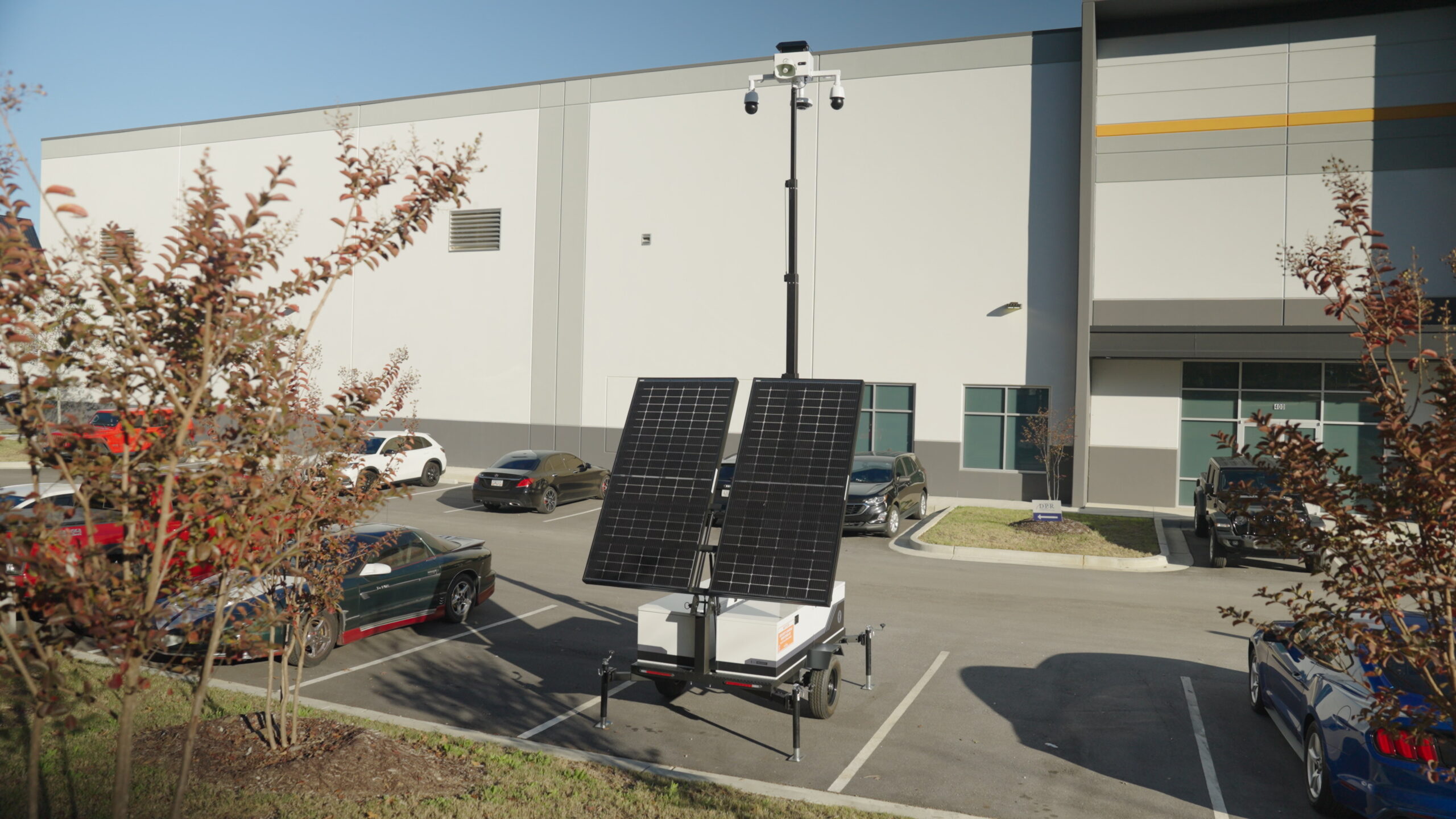
For Staunton officials, that framing appears to have been a breaking point. The city says it is now coordinating with Flock to finalize the termination, power down the cameras, and remove them. A timeline for removal will be announced later.
Privacy Questions Ripple Beyond One City
Staunton is far from the only city to make this move. According to NPR, cities in Oregon, California, Arizona, and other states have either paused or ended contracts with Flock over growing concerns about data retention, privacy, and the possibility that data could be accessed by out-of-state or federal agencies, including those involved in immigration enforcement.
In Windsor, Connecticut, the Town Council this week voted 8–1 to shut off its Flock-operated license plate reader cameras until either contract language or a replacement system better aligns with the town’s recently adopted ALPR privacy and security policy.
According to CT Insider, Windsor’s 16 fixed cameras had been capturing rear license plate data at key entry and exit points in town. Opponents cited concerns about data control, retention, and who could potentially access that information.
A Debate Over Tools And Principles
Mayor Nuchette Black-Burke framed the decision as one of principle, saying “based on what we are facing and hearing from our constituents, it’s a problem of principles” and underscoring that Windsor residents wanted clear oversight mechanisms for surveillance technology. Councilor Ojala Naeem, who motioned to pause the system, emphasized the need for tools that serve public safety while respecting privacy and transparency.
“There are solutions for our police department we can look at, but given the wide range of contradictions, I believe this is the best way to move forward,” Naeem said. “My motion is to turn them off, and we have until May to decide if the contract would be canceled.”
Supporters argue that ALPR systems are valuable crime-fighting tools. Frankly, there’s no real argument that they aren’t capable of being exactly that. Of course, it’s equally impossible to argue that they don’t come with objective issues around privacy, civil liberties, and data sharing. For now, Staunton is siding with its citizens.