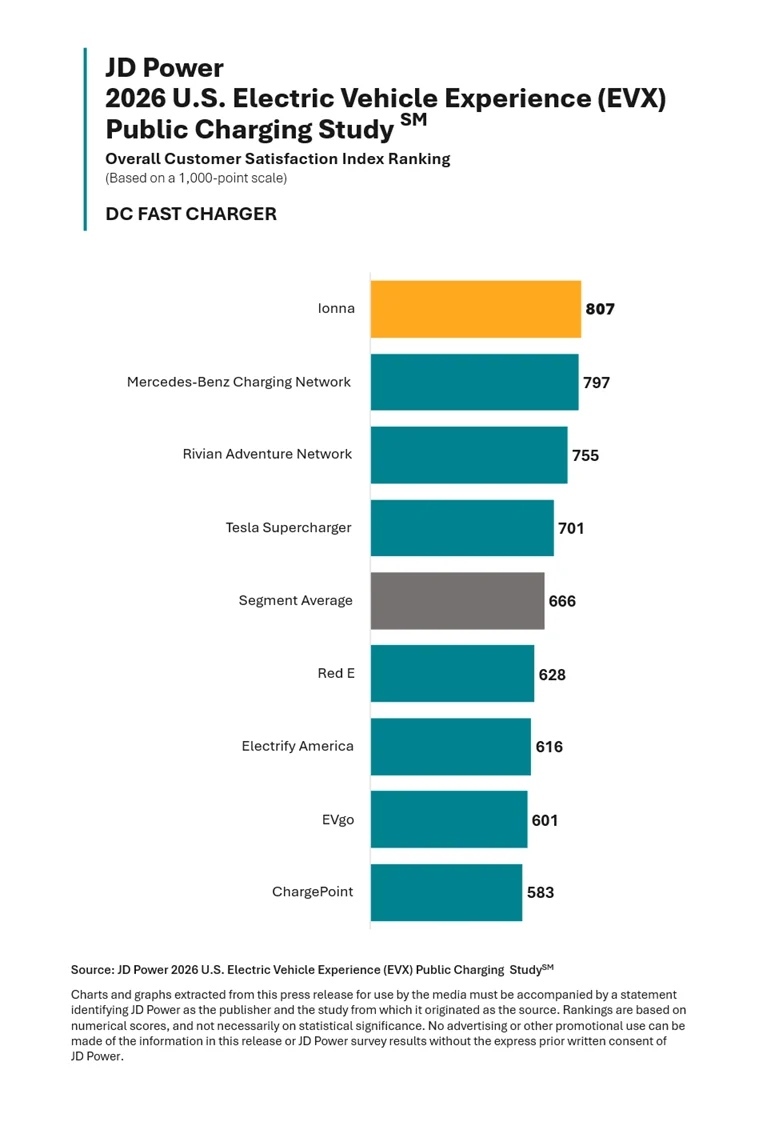
- Ionna offers the best DC fast charging experience in America.
- Mercedes and Rivian charging networks also received praise.
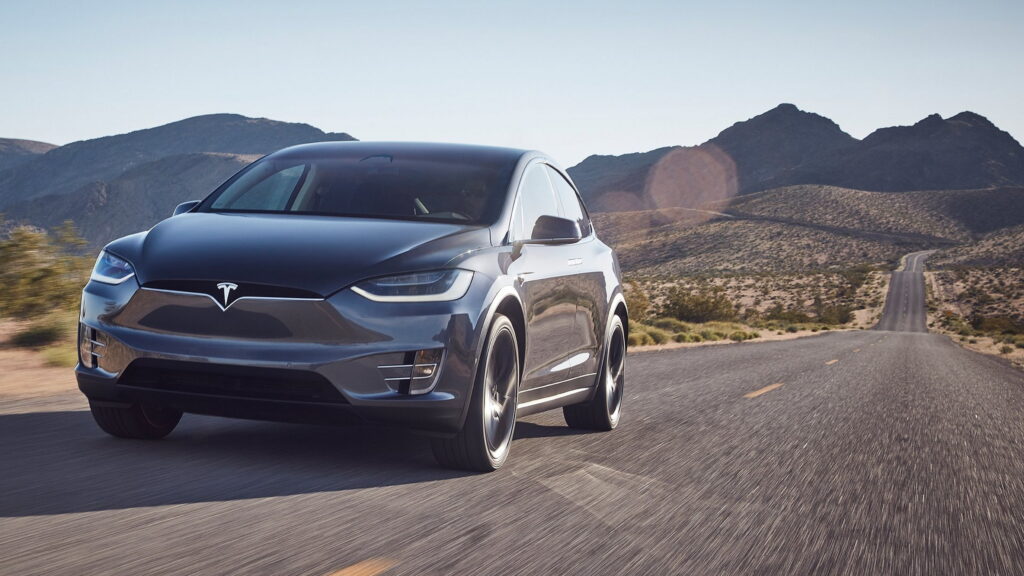
- Tesla’s Supercharger network was only slightly above average.
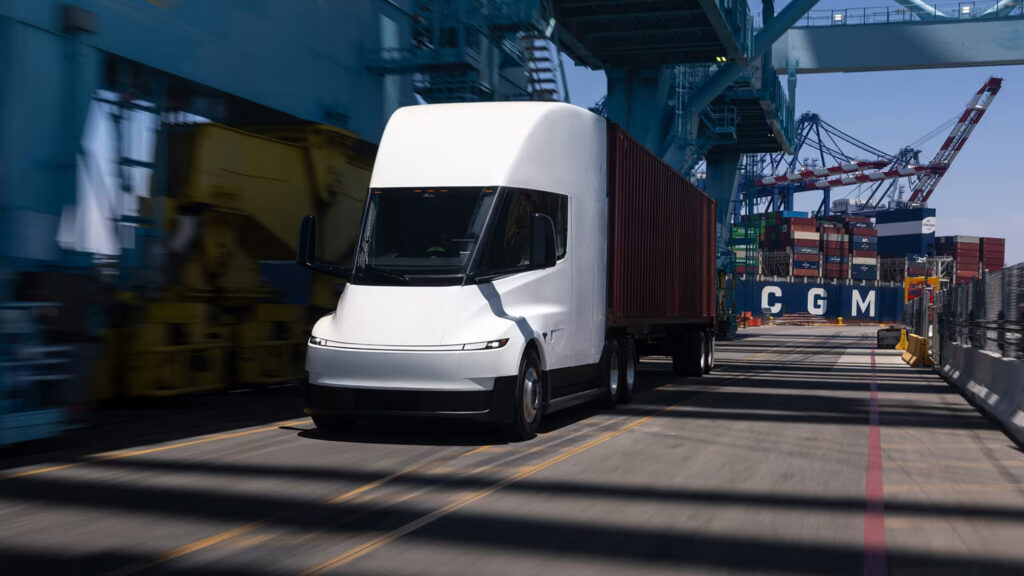
Automakers recently waved the white flag and decided to adopt the North American Charging Standard popularized by Tesla. On top of that, they signed up to gain access to the company’s massive Supercharger Network, which consists of more than 80,000 chargers globally.
While Tesla is the gold standard, they’re not the best. That’s according to a new study, which examined the user experience at various charging stations.
More: Tesla’s V4 Set The Bar At 500 kW, ChargePoint Just Made It Look Slow
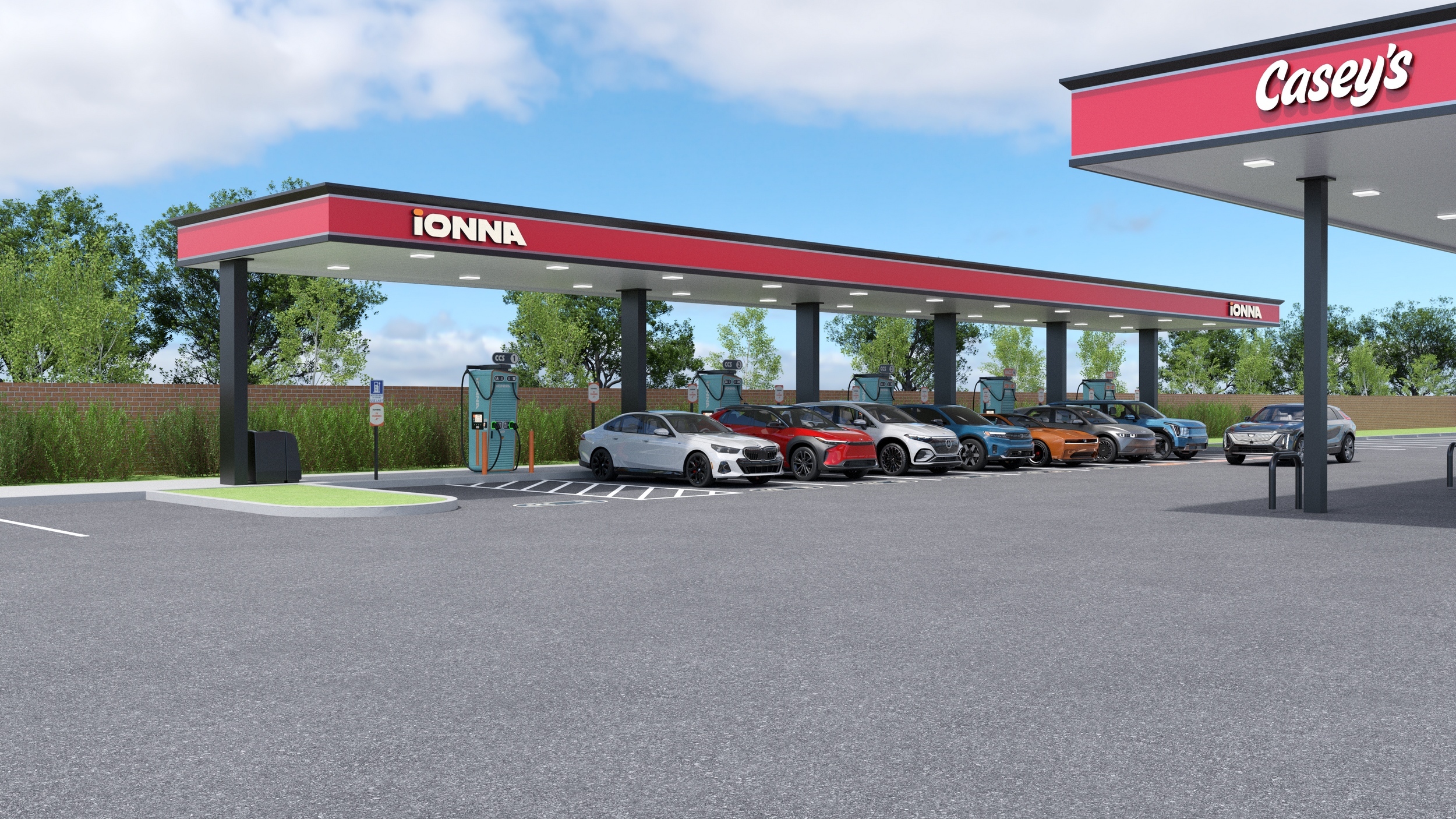
Conducted by JD Power, the U.S. Electric Vehicle Experience Public Charging Study found Ionna provided the best experience. The firm – which is backed by numerous automakers including BMW, General Motors, Honda, Hyundai, Kia, Mercedes, Stellantis and Toyota – operates a handful of “Rechargeries” across the country.
Despite coming out on top, Ionna has big gaps as there are zero stations in Michigan and only one in New York. However, the company inked a deal with Circle K earlier this year, which will see more than 350 gas stations outfitted with Rechargeries.
Second place went to the Mercedes-Benz Charging Network, which has a handful of locations mostly in the south and on the east coast. The final podium position was taken by the Rivian Adventure Network, which is “planned to grow to more than 3,500 fast chargers at over 600 sites across the US and Canada.”
Tesla came in fourth place, which is pretty surprising. Of course, McDonalds also has a lot of locations and you certainly wouldn’t say they have the best hamburger in America.
Rounding out the list is Red E, Electrify America, EVgo, and ChargePoint. As you’ve probably noticed, consumers clearly prefer automaker-back charging networks over ones from private companies.
EV Charging Experience Largely Improves

While the rankings are surprising, the study found satisfaction with DC fast chargers improved. The overall score climbed 12 points to 666 out of 1,000, and JD Power said all ten attributes improved. The biggest gains were charger availability (+27), how safe customers feel at charging locations (+18), and charging cost (+18).
The good news didn’t end there as EV drivers are being greeted by fewer broken chargers. According to the study, the “industry non-charge visit rate” dropped to an all-time low of 12%. That’s down from 14% last quarter and JD Power said the newer OEM-backed networks had the “lowest failure rates.”
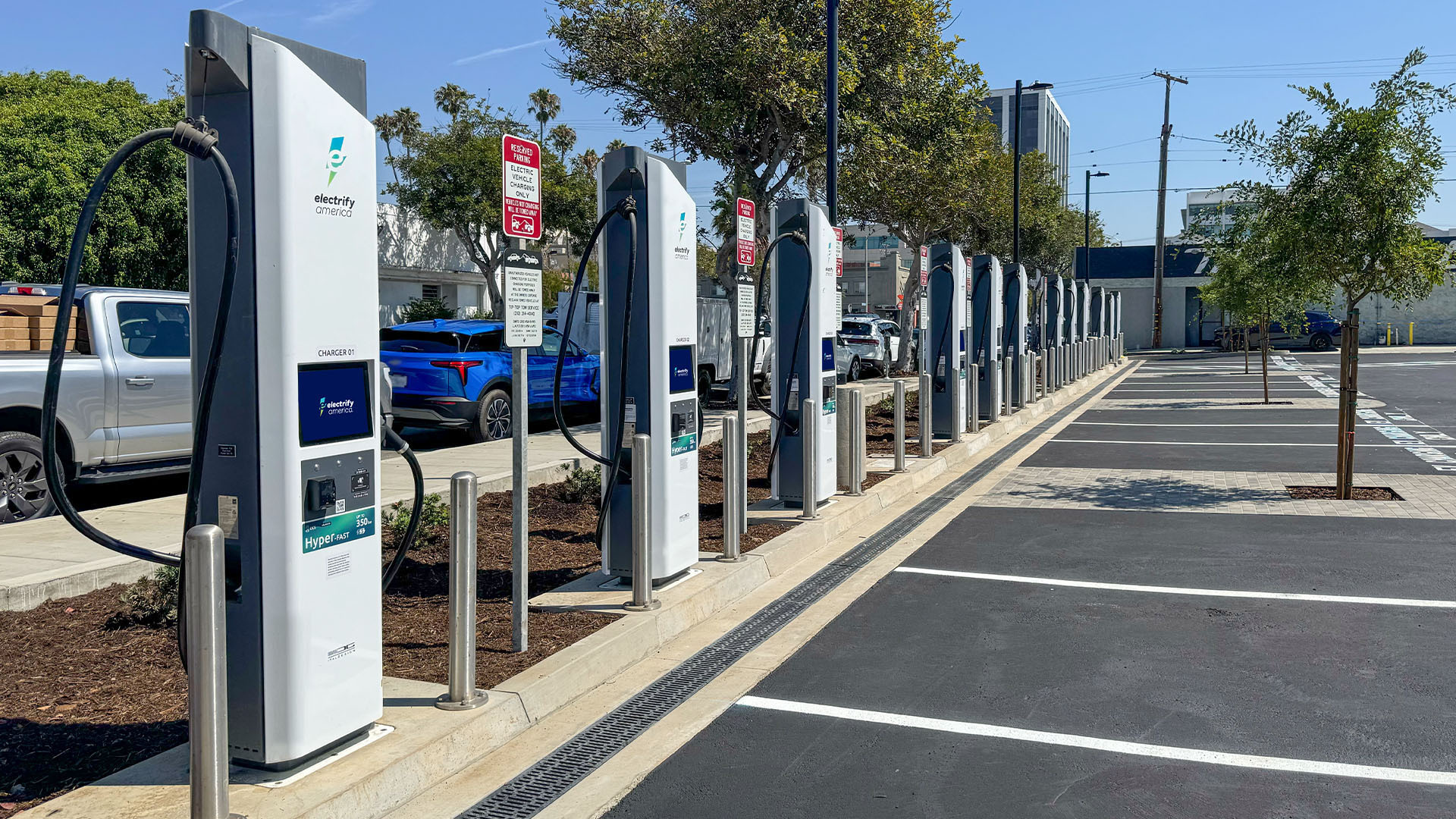
It wasn’t all good news as satisfaction with slower, Level 2 public chargers dropped 12 points from a year ago. This was largely due to problems related to “ease of payment and ease of charging.” Drivers were also underwhelmed by DC fast chargers located at dealerships and stand-alone parking lots or garages.
JD Power’s executive director of EV solutions, Brent Gruber, said “The public charging experience is becoming more consistent, and that’s critical as the EV market matures.” He added “data consistently shows that public charging is the top reason new-vehicle shoppers reject EVs,” so these improvements “go a long way toward supporting the infrastructure needed to meet the rise in forecasted EV sales in the coming years.”