


- NHTSA asks whether temporary controls helped Tesla certify Cybercab.
- Regulators want any evidence that the vehicles fail applicable safety standards.
- Tesla must provide answers backed by an affidavit by September 30.
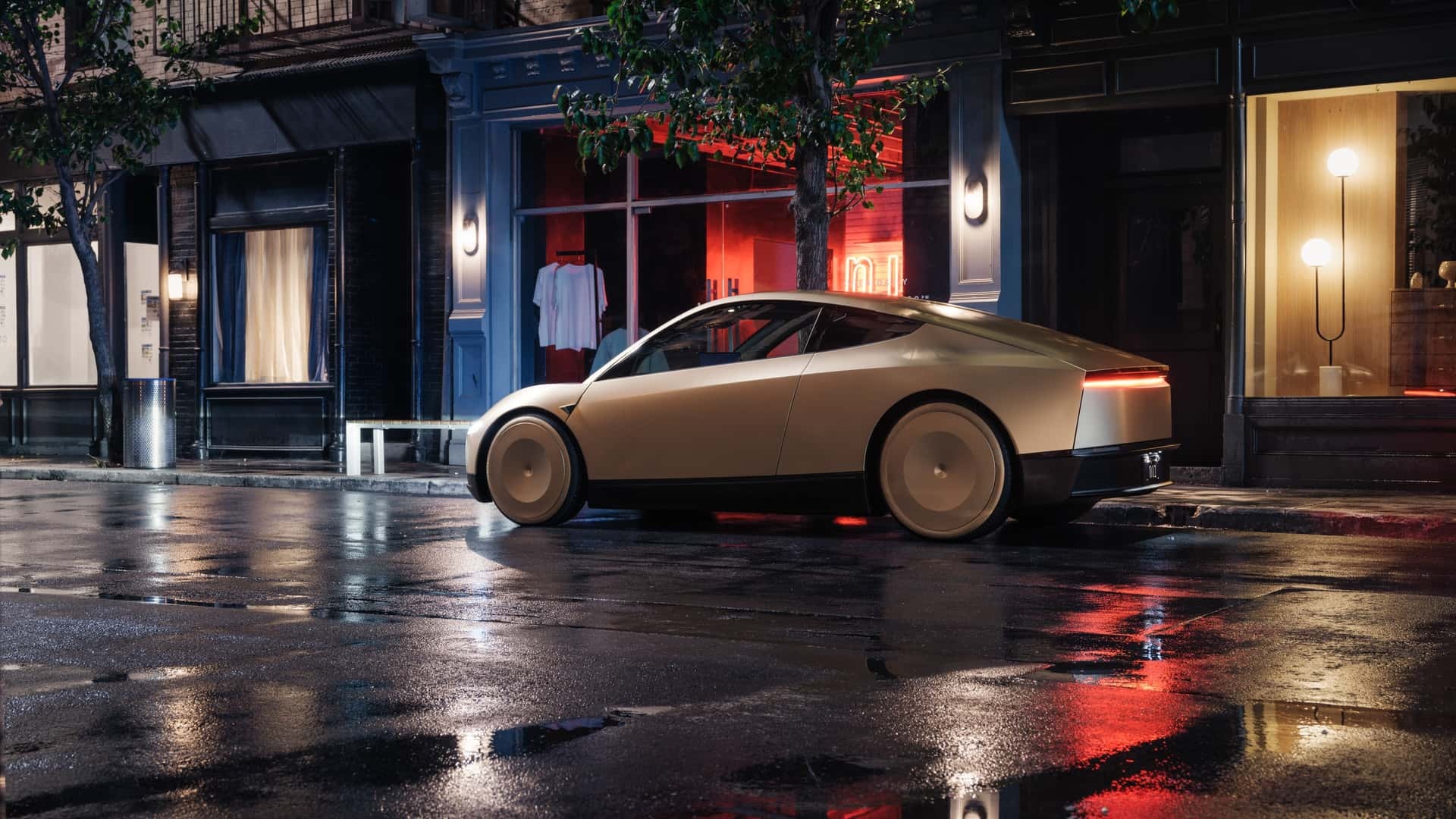
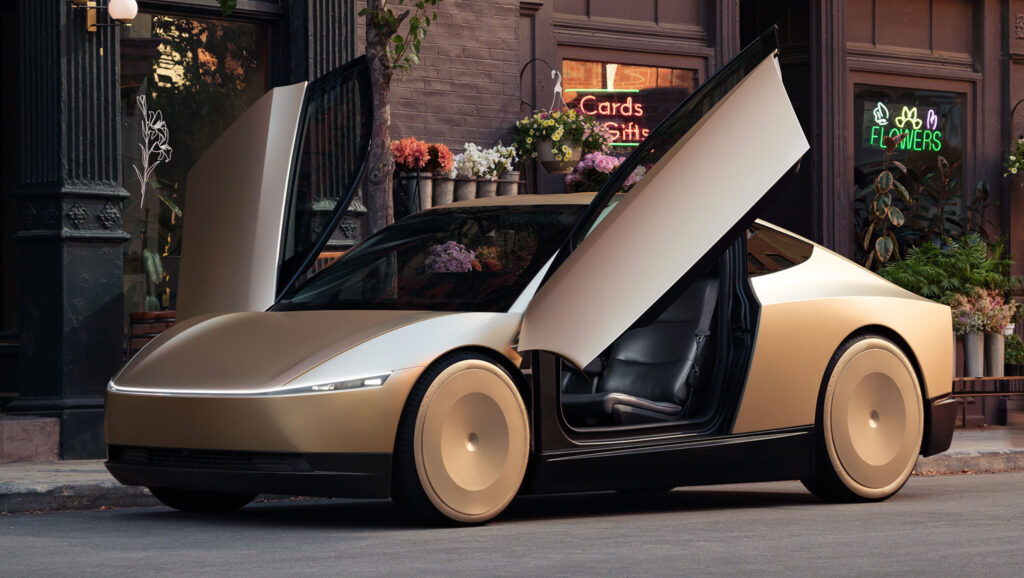
Tesla’s Cybercab has no conventional steering wheel or pedals, and now, federal regulators want to know whether Tesla used temporary human controls to help certify the robotaxi as compliant with safety standards. They also want to know how a car without a brake pedal meets a rule requiring one. And if Tesla installed equipment to establish compliance, NHTSA has an even sharper question about taking it back out.
A special order dated September 10 contains 21 requests examining Tesla’s certification of the Cybercab, which began commercial service September 3. Tesla must respond by September 30. Manufacturers ordinarily self-certify their own vehicles against federal standards. Here, NHTSA is examining the basis for Tesla’s claim that a vehicle lacking conventional driver equipment satisfies those requirements.
Read: Tesla Says ‘Go For Launch’ As Roadster Gets Yet Another Reveal Date
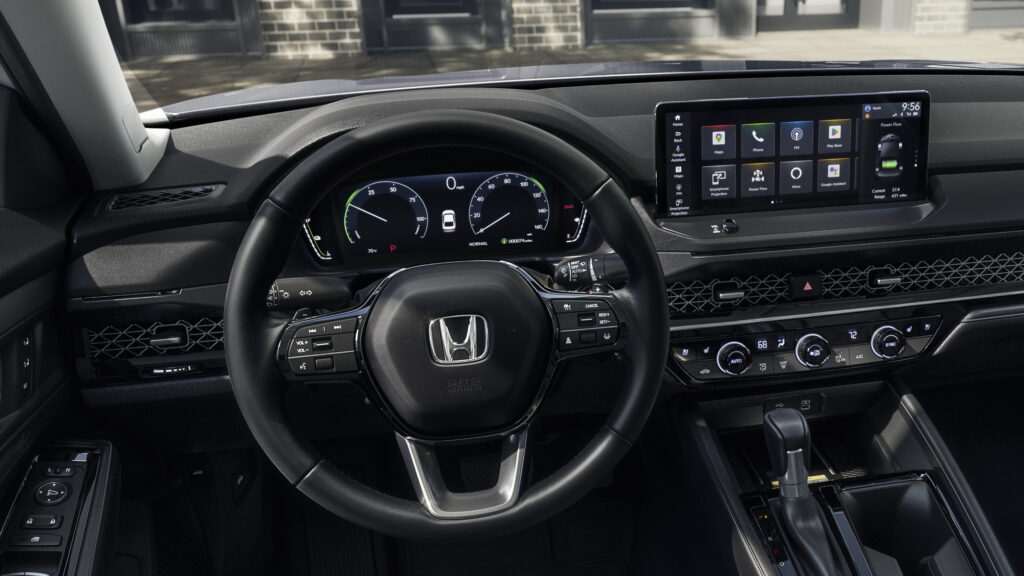
Requests five through seven get straight to the point. Can a human drive these vehicles using temporarily attached controls? Did Tesla rely on those controls or other driver equipment when certifying compliance? If so, which standards depended on them? Then comes the difficult part. NHTSA wants Tesla to explain how removing that equipment complies with the federal prohibition against making required safety equipment inoperative.
That sequence raises a specific possibility: equipment used to establish compliance might be absent when the vehicle carries passengers. The order does not establish that Tesla did this. It requires the company to answer whether it did and explain its reasoning. The brake-pedal question is harder still to brush aside. Request 19 quotes the existing requirement: “The service brakes shall be activated by means of a foot control.”
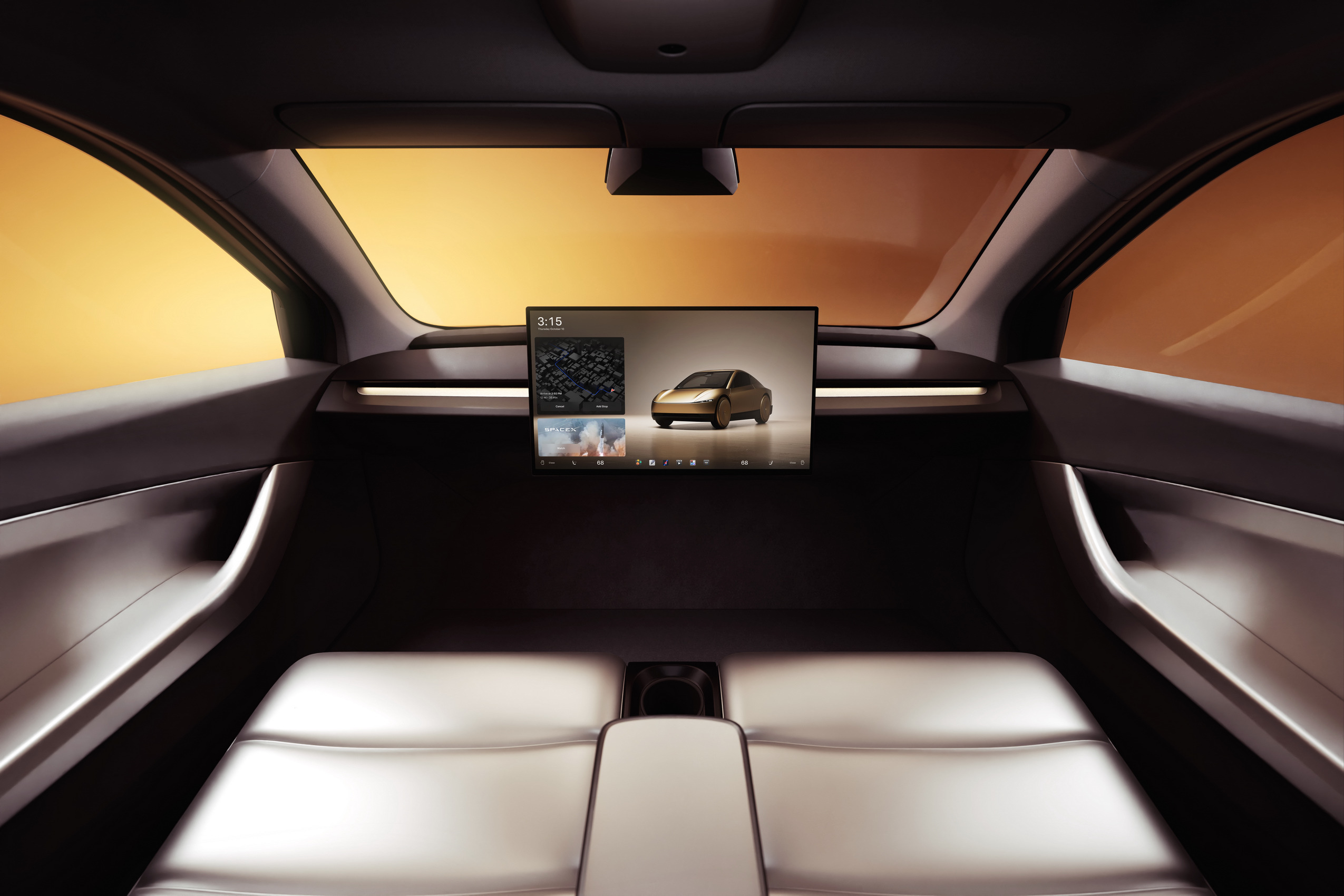
NHTSA reminds Tesla that manufacturers cannot certify compliance with that provision without a foot-operated service brake. It wants a detailed explanation of how Cybercab satisfies it. The order also asks how the vehicles comply without a formal exemption.
Nor is NHTSA requesting only Tesla’s supporting evidence. Request nine demands information indicating that the vehicles do not comply with an applicable standard, even where Tesla considered a test or analysis invalid. The agency also wants to know which requirements Tesla decided did not apply, and the full justification for each decision.
NHTSA says it is updating standards to accommodate automated vehicles, but existing requirements remain in force until that work is finished. Tesla’s answers must come with an affidavit from a responsible officer attesting to their completeness and accuracy. For a vehicle built around eliminating the driver, it’s a bit ironic that the company now needs a human to swear that its answers hold up.