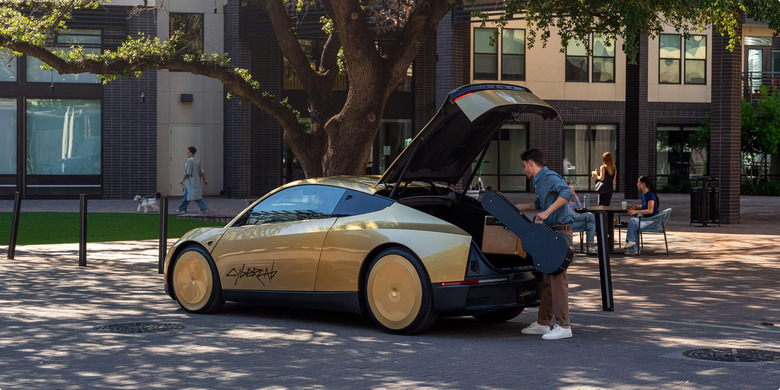
Tesla Offers Rides In A Car With No Wheel Or Pedals, So Naturally The Feds Showed Up
The EV maker says Cybercab complies with applicable federal safety standards and the NHTSA wants to know exactly how
- NHTSA is auditing how Tesla certified the Cybercab under federal safety rules.
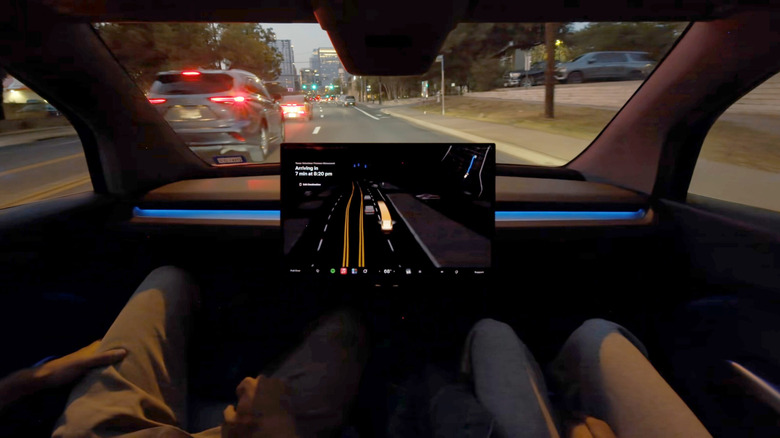
- The Cybercab has no permanently attached steering wheel, pedals, or mirrors.
- Tesla began service in Austin on September 3, with 45 Cybercabs registered.
Tesla quietly started charging for Cybercab rides in Austin, Texas, on September 3, and the federal government has questions. The NHTSA opened an investigation that same day, and it centers around what the vehicle is missing. Namely, a steering wheel and pedals. The probe covers around 1,000 vehicles, but for now it appears that Tesla is operating just 45.
The company's website pitched the Cybercab for "errands, commuting and more," offering "bench-style seating suitable for up to two passengers" plus "luggage, golf clubs, scooters and more."
More: Tesla's Cybercab Is About To Carry Real Passengers
According to NHTSA's filing, Tesla told the agency that it had certified the Cybercab as compliant with all applicable Federal Motor Vehicle Safety Standards, or FMVSS. The company also said it intends to gradually deploy more cars to more locations. That's where things begin to get interesting.
The Missing Hardware
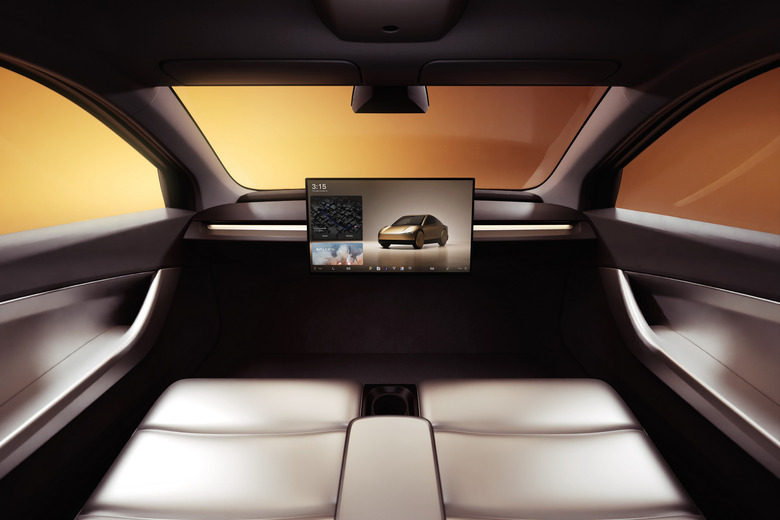
The NHTSA specifically notes that Cybercab lacks "permanently attached, conventional manual controls," listing a brake pedal, accelerator pedal, steering wheel, and mirrors among the missing hardware. The agency now wants to examine the technical data and process Tesla used to reach its certification decision. Crucially, this isn't a finding that Tesla broke the rules.
Automakers in the United States generally self-certify that their vehicles comply with applicable FMVSS requirements. The question here is apparently which standards Tesla decided actually apply to Cybercab, given that many existing regulations were written around vehicles operated by human drivers. NHTSA says it will specifically examine "the extent to which Tesla's certification depended on determinations that certain FMVSS are inapplicable to the Cybercab."
That distinction matters because Tesla evidently concluded that requirements for things like a steering wheel and pedals simply don't apply to the Cybercab. The NHTSA will basically decide whether that interpretation holds water. For now, the audit isn't grounding the fleet, but that's not to say that it won't. Tesla famously designed this car around the idea that nobody will ever need to pilot it manually. Now, it has to convince regulators that the rules for cars with drivers don't apply to it.