









- GM and LG Energy will produce lithium manganese-rich batteries in Tennessee.
- LMR batteries promise to be affordable as they use cheaper materials.
- This promises to lower costs, despite having a high energy density.
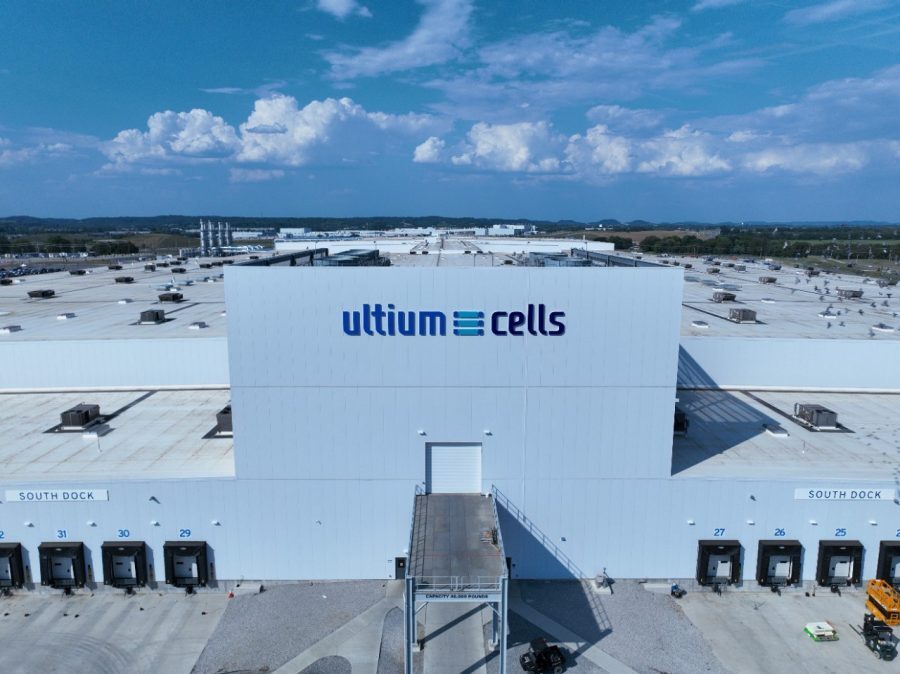
Last year, General Motors and LG Energy announced plans to use lithium manganese-rich (LMR) prismatic battery cells in electric trucks and full-size SUVs. Battery production was slated to begin by 2028 and the companies are inching closer to that goal by confirming their Ultium Cells joint venture will make affordable batteries at their plant in Spring Hill, Tennessee.
This is a “major step forward for GM’s future EVs” and Ultium Cells is expected to be the “first manufacturer globally to commercially produce this next-generation technology.” Construction and facility upgrades will begin later this year and work is scheduled to be completed in 2028. The expansion is expected to create an additional 500 jobs, bringing the plant’s total to around 1,700.
More: GM’s Secret Battery Breakthrough Could Slash EV Costs
Traditional battery cathodes require nickel, manganese, and cobalt. The latter material is expensive and costs around $17.98 per pound, which drives up the overall cost of EVs.
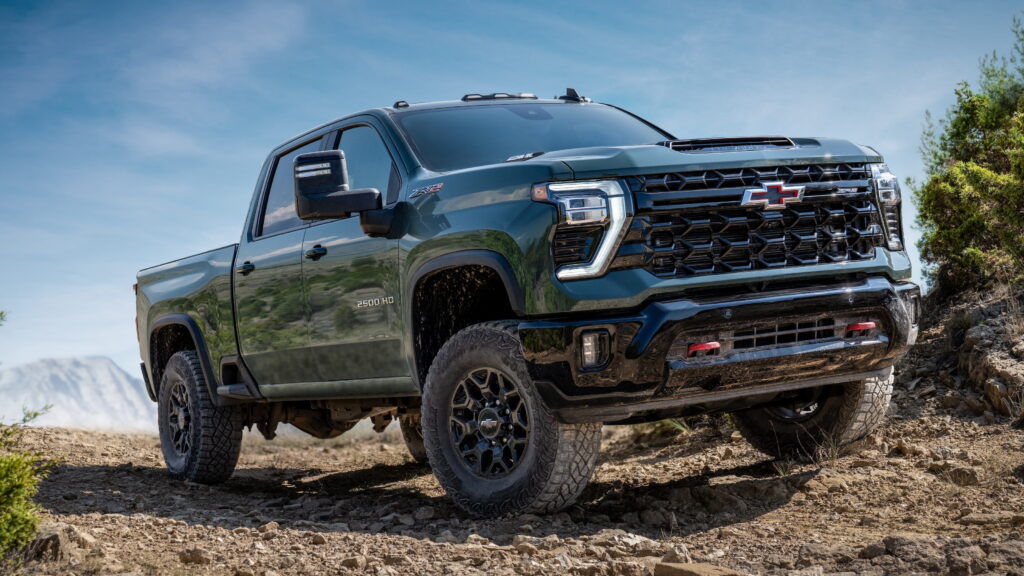
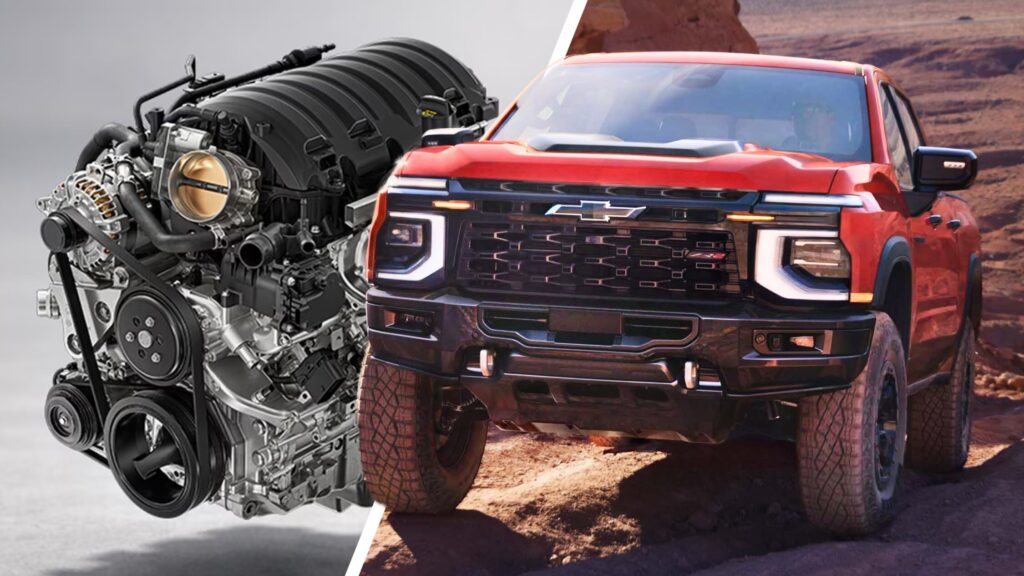
LMR batteries use a higher proportion of manganese, which is far more affordable. This lowers the cost of LMR batteries and GM officials have previously suggested using them on the Chevrolet Silverado EV could save at least $6,000. That’s a huge savings and it could make electric full-size trucks and SUVs more competitive.



This has been a huge problem for GM as Chevrolet dealers only managed to sell 3,672 Silverado EVs in the first half of the year. That averages out to 612 per month and the GMC Sierra EV is doing even worse as only 3,044 trucks found a home. Part of this can be blamed on pricing as the 283 mile (455 km) Sierra EV Elevation Standard Range starts at $62,400.
GM and LG haven’t revealed many specifications, but they reiterated the LMR batteries are “designed to offer energy density 33% greater than lithium iron phosphate (LFP) chemistry – today’s leading, low-cost battery technology — but at a comparable cost.”
The automaker went on to say they’ll adopt a multi-battery approach to suit the needs of an assortment of customers. LMR batteries will apparently be used in affordable variants, while so-called “high-nickel batteries” will power long-range versions.