

The Ridges In Your Pickup Truck Bed Have Multiple Purposes
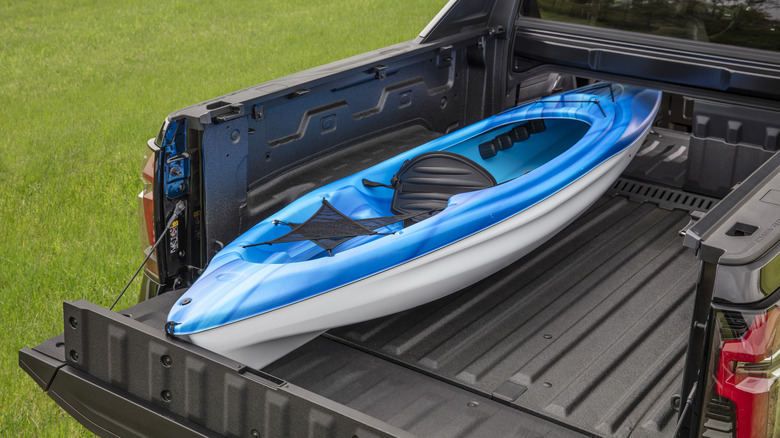
Pickups come in all shapes and sizes depending on where you live and what you use them for. However, almost all share one distinct feature: corrugated ridges lining the floor of the exposed cargo area.
My late grandfather had a Datsun 1200 pickup, and I remember using those grooves as imaginary road lanes for my matchbox-scale cars. But as I grew up, I realized they weren't designed for that role. In fact, bed ribs serve multiple functional purposes rooted in structural engineering and everyday utility, which is the essence of pretty much any work truck in existence.
Stronger And Lighter
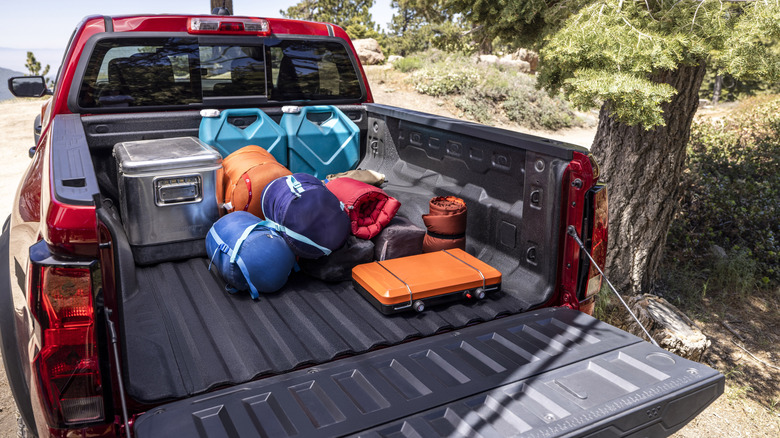
The primary role of bed ribs is structural integrity. If a truck bed floor were made from a completely flat sheet of steel or aluminum, it would easily flex, bend, and buckle under heavy loads. It would also make weird noises while driving over potholes, giving the driver a rather unpleasant experience.
Stamping longitudinal ridges into the floor dramatically increases its bending resistance and beam stiffness along its entire length, without increasing material thickness. This cool trick, taken from the physics and geometry rulebooks, allows automakers to build strong and durable beds, capable of supporting heavy loads without adding unnecessary weight to the vehicle.
It's the same reason designers add sculpted character lines and creases to exterior body panels like door cards, fenders, and hoods. The iconic Citroën H-Type van took this concept to the extreme in the late 1940s with its fully corrugated bodywork, though the basic principle guides the exterior design of almost every modern vehicle – with the notable exception of the flat-paneled Tesla Cybertruck.
Of course, the same logic applies outside the automotive industry, with corrugated materials used in roof structures, fences, walls, suitcase shells, and even paper cups to increase strength while keeping material cost and weight down.
Water, Debris, And Cargo Stability
Beyond structural strength, bed ridges also play a role in water drainage and debris management. When it's raining, water flows into the channels beneath the main floor level, where gravity directs it toward the bed's dedicated drainage holes. This prevents standing water from soaking your cargo while providing a recess for dirt, sand, and gravel to settle out of the way.
The raised profile also makes loading heavy gear easier. Because cargo only touches the peaks of the ridges, surface contact is reduced. Dirt and grit drop into the valleys rather than grinding beneath the load, allowing you to slide heavy boxes, crates, or machinery in and out of the cargo area with less effort. Drivers of commercial panel vans will recognize this exact floor texture, as it is often used on their rear floors and bulkheads.
Directional Stability
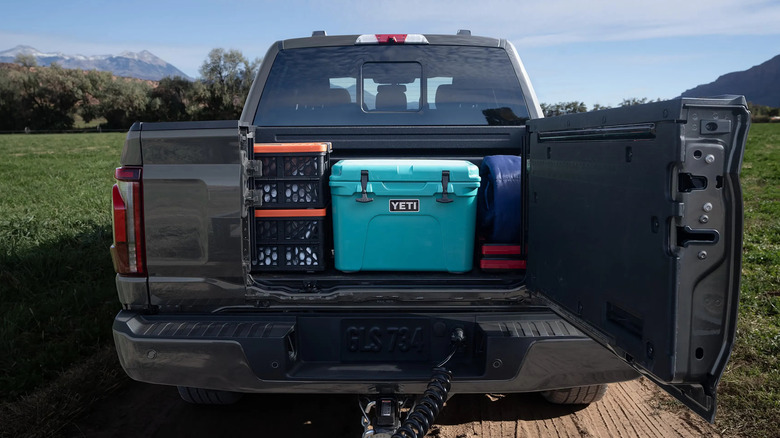
The groves might also help keep cargo in place during transit by providing directional restraint. The side walls of each ridge act as physical barriers against lateral movement every time the pickup steers in any direction.
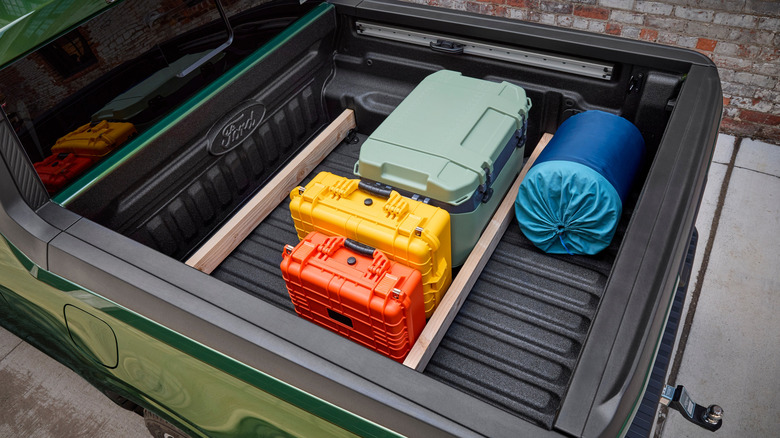
Bicycle tires, surfboards, wooden planks, or plastic tubes drop naturally into the grooves, keeping them from sliding side-to-side on every corner. On top of that, automakers often design their factory cargo management solutions around these ribs, with dividers and bed accessories further improving practicality.
Whether you drive a full-size pickup in North America, a lifestyle midsize truck in Europe, a low-slung commercial vehicle in Southeast Asia, a sedan-derived ute in Australia, or a tiny kei truck in Japan, those humble ridges at the back are doing essential work.
They add rigidity, create drainage pathways, and help you load and unload heavy cargo while keeping it in place. More importantly, they save money and weight, making our trucks work better than they were designed to.