

When You Might Need An Engine Overhaul Vs. An Engine Rebuild (And What's Involved)
Plus, what you can expect out of each option in terms of performance
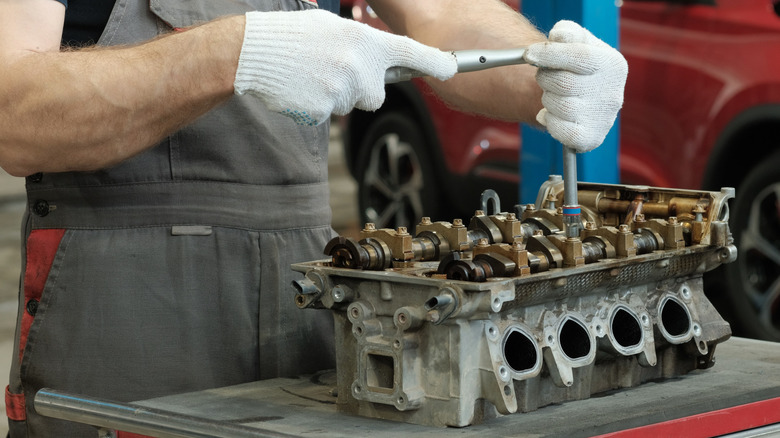
Engine overhauls and engine rebuilds are topics that might fill you with dread. Neither of these terms indicates something simple. But if you're working on classic machinery, or are looking to extend the life of an older car, then there's no easy way to go around it: an engine overhaul and an engine rebuild are avenues best taken when all other roads lead nowhere else — metaphorically speaking, of course. Whether it's a beautiful restomod or routine maintenance on a workhorse, it's important to know what path you should be going down.
So, what's the difference? It's true that many people use the terms somewhat interchangeably, without actually knowing that they aren't the same thing. Alternatively, dubious mechanics looking to make a fast buck from the uninitiated might recommend one over the other, even when it's not required. Today, we're going to break it down for you and explain the differences. It's always good to be in the know when it comes to engine matters.
What is the difference between Overhauled and Rebuilt?
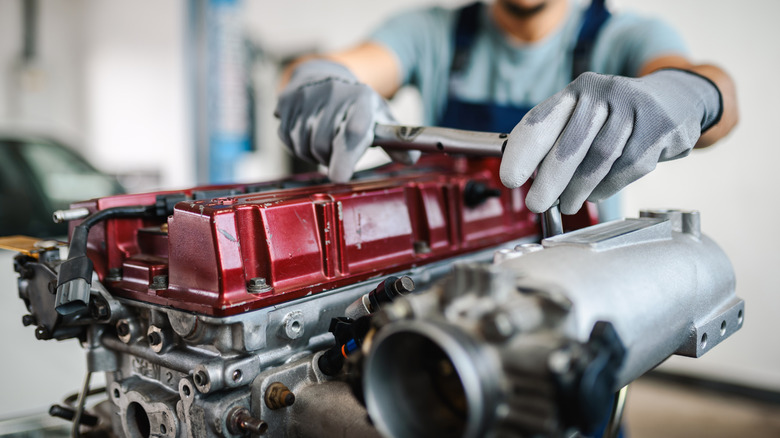
An engine overhaul is typically done without the engine being removed from the vehicle (although in some cases, removal may be necessary). Your typical engine overhaul might range from a top overhaul to a full overhaul. Overhaul kits are available in most cases, making the activity pretty much a straightforward parts replacement job. Overhaul items include replacement of gaskets, piston rings, washers, pistons, connecting rods and even pistons themselves.
Additionally, the engine head and block, along with its oil and coolant passages and auxiliary tanks may also be cleaned and flushed out during this time. Because of its selective nature, an engine overhaul is commonly considered as a maintenance activity. That's because the engine doesn't usually receive a new rotating assembly or new heads. This is the preserve of the rebuild. Maintenance records are typically continued from where they left off.
When it comes to an engine rebuild, things are slightly different. Firstly, the engine has to come out of the vehicle and onto a bench because you can't rebuild an engine that's still installed within the vehicle. That's because you're basically rebuilding the engine to brand-new standards. Every component must be inspected, cleaned, repaired, or in many cases, replaced with brand-new equivalents. An engine rebuild is typically costlier than an overhaul because you're, in effect, building a brand-new engine where little else apart from the block may be retained. Sometimes, this is where activities such as reboring and regrinding also take place. With the amount of effort and new parts that go in, a full rebuild is usually intensive enough to warrant starting a new maintenance record for the rebuilt engine.
Is it better to Overhaul or Replace an Engine?
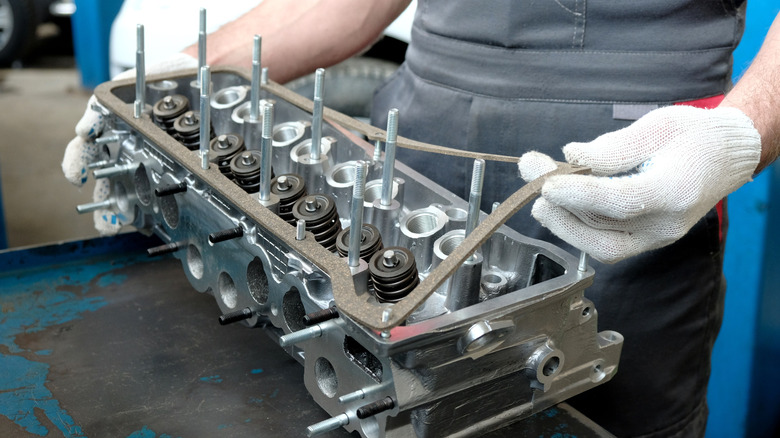
That depends. If you know the history of the engine in question, including its maintenance records and how it's been used, an engine overhaul might be all that's needed. On the other hand, if you've acquired a vehicle with little or no service history and its engine seems dodgy, a rebuild or full replacement might be necessary. This is particularly true for cases where the engine's key structural components such as the block, crankshaft, or connecting rods are damaged, or where severe heat damage has occurred. In such cases, a rebuild won't rectify the situation.
Many wonder if an overhauled engine is as good as new. Well, there's no guarantee that an overhauled engine or an engine rebuild will perform as well as a brand-new, zero-mileage powerplant. But a brand-new engine may not make economic sense, and in many cases — especially for classic cars — is simply no longer an option.
In most cases, you can restore performance and fuel efficiency sufficiently. But if you want 'good as new' performance, it's best to plonk in a shiny new engine, or at least do a comprehensive rebuild of the existing one.