

This Town Removed Every Flock Camera And Replaced Them With 54 Other Plate Readers
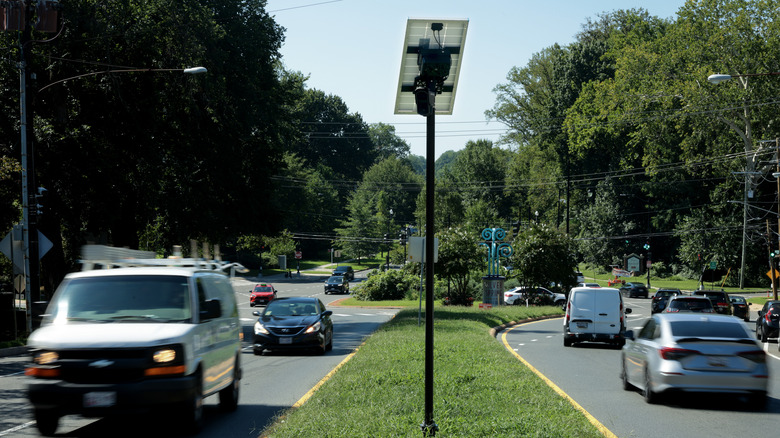
Flock cameras have been in the news a lot lately, including reports of warrantless license plate tracking and police impersonators being fed legit ALPR data. So, getting rid of Flock cameras sounds like a straightforward victory for anyone concerned about roadside surveillance, even if MapQuest lets you track the trackers. The cameras come down, the contract ends, and drivers can go about their business without having their plates logged at those locations. Except that last part doesn't necessarily happen, at least in one New England town.
Similar to how a Florida city got around the state's ban of Flock cameras, Fairfield, Connecticut, found its own loophole around the controversial plate reader company. The city recently removed all its Flock equipment, but it replaced them with 54 Axon plate readers, according to CT Insider. The last Flock hardware came down on October 5, but for drivers' concerns about privacy, little has changed. After all, while Flock is a company, ALPR is a technology — and plenty of brands offer this service to police departments.
Same questions, different cameras
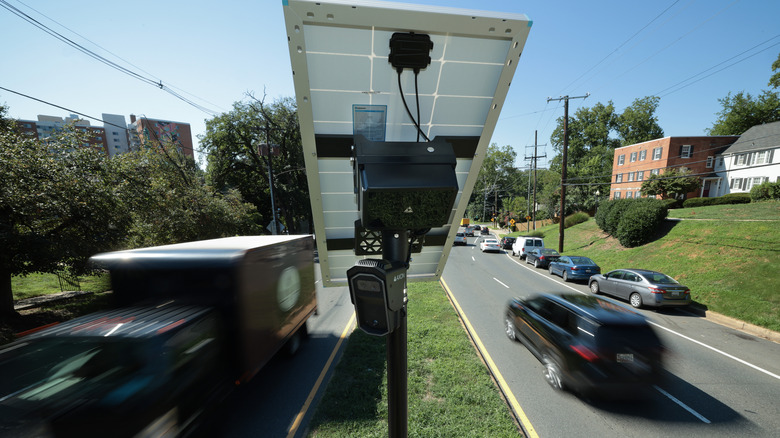
Fairfield police say their system records plates, times, locations, and available vehicle details, turning those observations into searchable information. That can help investigators find a stolen car or establish which vehicle passed through an area. It also means a driver doesn't have to be suspected of anything for their vehicle to generate a record. All of this is par for the course when it comes to ALPR tech and police, it seems.
To the department's credit, it has already published rules that address several concerns citizens might have. Data is retained for 21 days unless it's deemed potential evidence in a case. Users have to document their search purpose and a case or ID number, and activity is logged and audited. Those controls are good but only if they're fully enforced. We've already documented plenty of cases where the same sort of standards haven't stopped police misuse. Again, though, at least they exist in this case.
Still, it begs the same questions regardless of the name on the camera. Who gets access? How long are evidentiary records kept, especially when someone is no longer a suspect? What happens when someone misuses the system? There are plenty of reasons to fall on either side of this debate. Police have unquestionably used ALPRs for good and bad. What's key in a place like Fairfield is to understand not just the policies, but that the end of Flock doesn't mean the end of ALPR surveillance.