

Not Even A Partnership With Xpeng Can Save VW In China
Certain VW EVs are way off the mark when it comes to projected sales
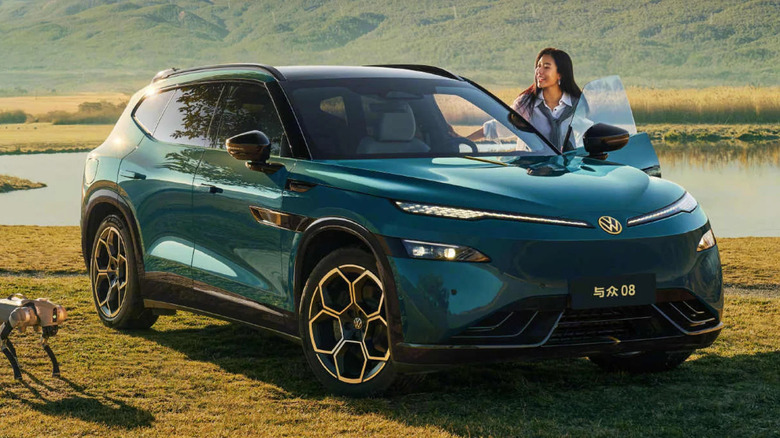
For years, China was Volkswagen's golden goose, serving as a crucial engine of growth that once accounted for almost 50% of the group's total profits. Now, that figure has fallen to roughly 10%, and it doesn't even look like the brand's flashy partnership with Xpeng can save it.
It's been more than three years since VW joined forces with Xpeng, spending $700 million to acquire a 4.99% stake in the Chinese brand. The two companies developed a dedicated electrical and electronics (E&E) architecture that underpinned several electrified vehicles, including the ID. Unyx 08 and ID. Unyx 09. By developing, designing, and building models in China for Chinese consumers, VW likely thought it had found the perfect recipe to remain relevant in the world's largest car market.
The figures indicate this isn't happening. Reuters reports that from April to August, monthly sales of the ID. Unyx 08 averaged just 267 vehicles. This represents less than 10% of VW's goal of selling up to 3,622 units each month. What's more, VW initially forecast selling 32,600 during 2026, up to 70,400 in 2027, and more than 120,000 units annually in the future. VW was forced to cut its 2026 goal to just 12,300 vehicles earlier this year and slashed the 2027 goal to 64,000. Both of those still seem extremely difficult to achieve.
What went wrong?
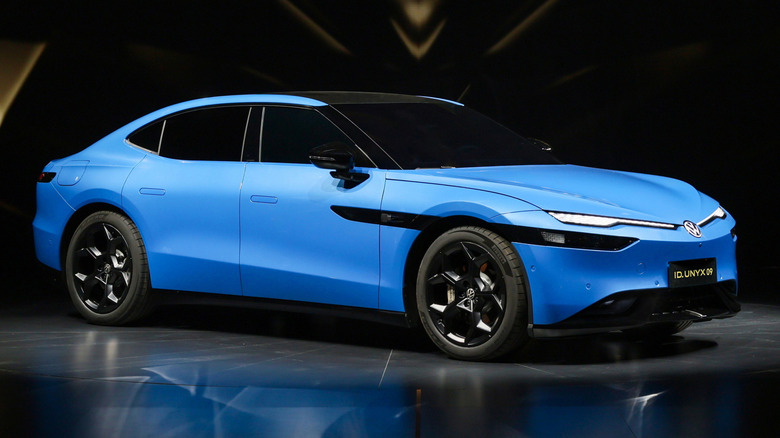
Compared to VWs sold in Western markets, the ID. Unyx 08 has a radical new design and a tech-laden interior similar to many other new EVs in China, with expansive infotainment and passenger displays. However, customers have found it lacks the same technology as rivals like the Xiaomi YU7, and it doesn't offer fast charging to match the Zeekr 7X.
It appears VW also messed up its sales strategy. The ID. Unyx 08 has been sold primarily through the limited network of roughly 166 Volkswagen Anhui dealerships, and not the dealers it also operates with FAW and SAIC, which total more than 3,000.
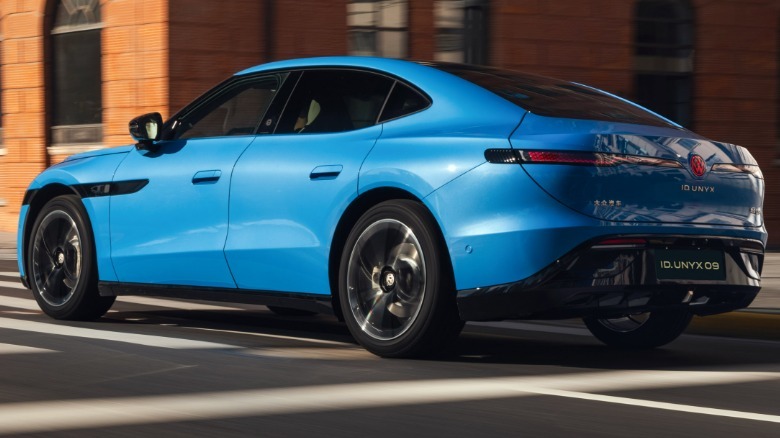 VW ID. Unyx 09
While the ID. Unyx 08 hasn't proven to be the hit that VW was expecting, that doesn't mean it's winding down its ambitions in China. In fact, the brand thinks it can sell as many as 4,900 examples of the new ID. Unyx 09 sedan each and every month, and potentially sell as many as 90,000 annually by 2034. This low-slung sedan has a similar design to the ID. Unyx 08 and is available with the same 82-kWh and 95-kWh battery packs, as well as up to 496 horsepower. Like its SUV sibling, this model is entering a crowded segment, and it remains to be seen if it can pull customers away from popular models like the Tesla Model 3 and Xiaomi SU7.
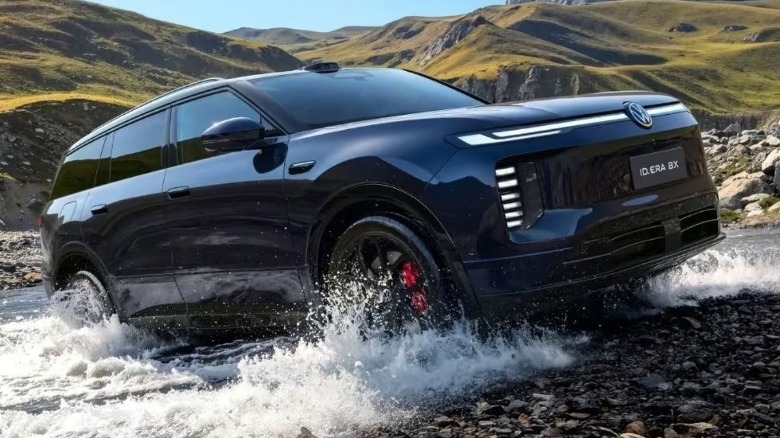
While VW continues to navigate turbulent waters in China, it may be able to offset poor local demand for these models by selling them elsewhere. Earlier this year, it was reported that the brand was thinking about importing vehicles built in China to Europe, perhaps starting with the ID. Era 9X, which it builds alongside SAIC. The main issue with this plan is that these vehicles would face hefty tariffs. Vehicles from SAIC are currently hit with a 35% duty in addition to the EU's standard import tariff. One way to avoid these tariffs would be to build the vehicles in Europe, potentially at underutilized German factories. Doing so would require careful negotiations with the country's powerful IG Metall union.
 VW