

Why Fast Charging Is Hard On EV Batteries
Rapid chargers save time on the road, but making them a habit could cost your battery more than you think.
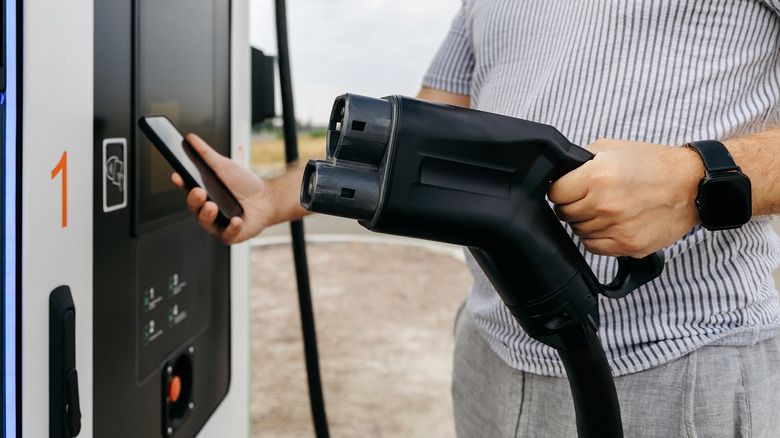
Hanging around a noisy, dirty freeway service station, eating yet another $5 cookie your waistline definitely didn't need while your EV charges, is nobody's idea of fun. So it's no wonder drivers of electric cars are often tempted to juice up at ultra-rapid chargers that can add hundreds of miles of range in only minutes.
But some experts say there are good reasons not to always reach for the speediest charger available, and it's not just that those chargers make adding miles of range many times more expensive than charging at home. They say you might actually be doing your EV harm if you pick a fast charger every time the "range low" warning appears.
Even Tesla's own website advises owners to do most of their charging at home and save its Supercharger network for longer journeys. It also recommends only charging to 100% when you really need to, like in preparation for a long trip, and not letting the battery charge level fall too low. But will ignoring those suggestions really wreck your EV?
Charge from 10-80%, not 0-100%
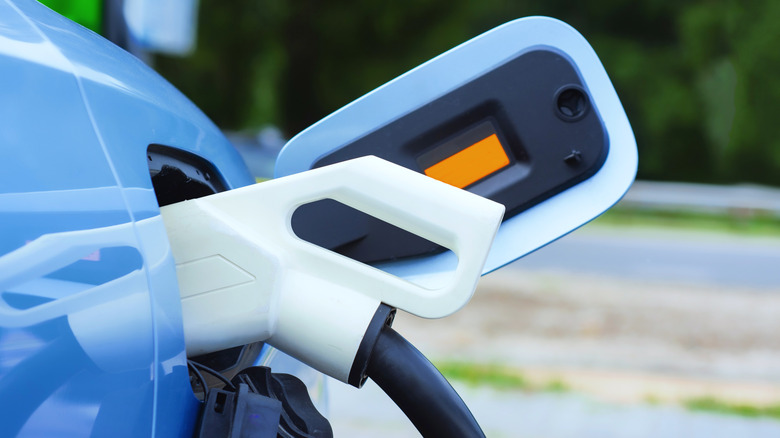
When you charge an EV's battery, you're moving lithium ions into a graphite electrode inside the battery cells. A rapid charger makes that process happen more quickly, but it can also cause some lithium to pile up on the electrode's surface, a phenomenon known as "plating." That process can permanently reduce the amount of lithium available to store energy.
And fast charging causes another problem: heat. A sharp rise in temperature can accelerate battery aging, which is why you can precondition many EV batteries before charging, and why they don't charge at the same rate from start to finish. Even electric cars that claim to charge at 320 kW, like the Porsche Taycan, can only hit that high for a brief window of up to five minutes.
That's why you'll always see automakers quote EV charge speeds from 10- or 20- to 80%. Outside of those ranges, charge speeds are artificially throttled to safeguard battery health, and charging to 100% can cause unnecessary stress on cells.
Why EV fast chargers can be like junk food
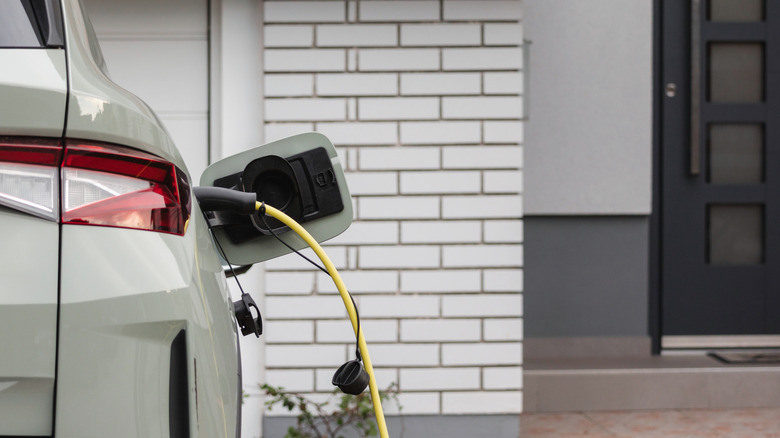
But even those protocols can't totally prevent battery degradation. A 2026 Geotab study of almost 23,000 EVs found that cars regularly charged above 100 kW at DC stations lost up to 3% of their capacity each year. And reduced capacity means reduced range. That compares with a 1.5% loss for cars charging at slower rates.
Does that mean you should avoid rapid DC chargers, and charging to 100%, altogether? No. Think of them as the EV equivalent of fast food or a candy bar. Sometimes a burger or chocolate can hit the spot, giving you a quick fix when time is tight. But your body wouldn't thank you if you ate like that every day.
Rapid chargers are fine to use occasionally for road trips and when you need the convenience of a quick top-up. But charging slowly at home (presuming you have the option) is a smart move if you're planning on keeping your EV for years. And the same applies to charging to 100%. LFP (lithium iron phosphate) batteries are far more tolerant than NMC (nickel manganese cobalt) types of being fully juiced, but even NMC packs can be charged to full now and again without causing major damage.