

Another City Is Shutting Down All Of Its Flock Cameras
Mass surveillance isn't as popular as it used to be
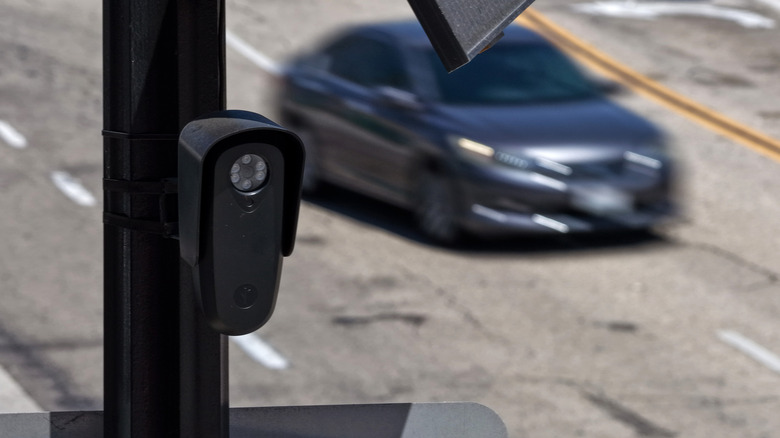
It's no secret that Flock Safety is under fire. Sure, plenty of cities are pulling the plug and swapping in a different brand of plate reader, but Alexandria, Virginia, is different. It's deactivating all 61 of its Flock license plate readers by October 30. A few days later, it plans to verify that the shutdown actually worked. Recent events in Minnesota suggest that's a step well worth taking.
According to FOX 5 DC, Police Chief Tarrick McGuire told city leaders that Flock knows its time in Alexandria is coming to an end. The shift comes after a wave of backlash regarding privacy and access to vehicle-location data. Once the shutdown is over, the department plans to audit the cameras on November 2. That's key because the end of a Flock contract hasn't always meant that the ALPRs shut off. We'll circle back to that shortly.
Helpful but not enough to stay
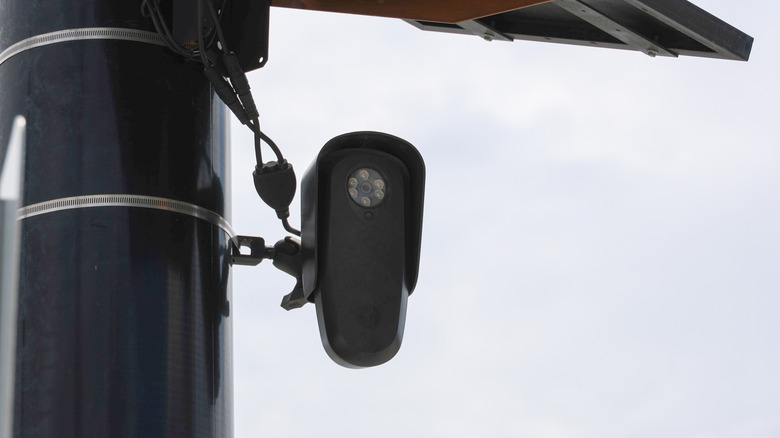
Police in Alexandria say data connected to active investigations won't go away, but they'll remove user access by December 1. Interestingly, the department also plans to physically remove the cameras in the last month of the year as well. That's key because it's not as if officers don't appreciate the power afforded by these cameras.
The department has previously credited the technology with helping recover stolen cars and locate missing people. Its published accounting attributes 35 stolen-vehicle recoveries, four firearm recoveries, and three missing-person locations directly to license plate reader technology between August 1, 2025, and August 31, 2026.
As we've covered plenty of times, police can search far more than just a license plate. They can review cars by make, model, color, and even tiny details like bumper stickers and unique dents and damage. That wide-ranging ability can help police develop a lead from a vague description. Of course, it also makes oversight of who searches, and why, a central part of the debate. A potentially larger issue is when Flock doesn't actually follow the order of police.
Turning cameras off might mean nothing
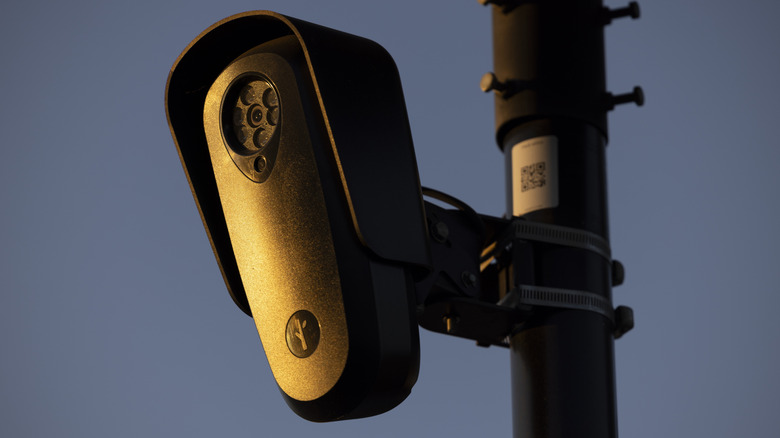
As The Drive reports, Dayton, Minnesota, voted to end its Flock program in August. In September, the city learned of a maintenance work order and told the company that the program was on hold and no work should proceed. Two cameras were nevertheless reinstalled and placed back into service without authorization, according to the city's account. Staff discovered the second location while checking for other reinstalled equipment.
Nearby Plymouth had its own problem. Police Chief Eric Fadden said that after receiving no response from Flock's corporate or legal teams for more than a week, he directed staff to disconnect the cameras' power cords. Flock told KARE 11 that it respected both cities' decisions and was working with them to remove the equipment.
In Virginia, the next surveillance discussion is scheduled for November 10. Officials plan to establish guidance covering oversight, transparency, audits, and community involvement. Future deployments will allegedly require council approval.