

Deputy Accused Of Using Flock To Track Estranged Wife
The sheriff says he tracked her improperly over 100 times.
There's little question that automated license plate reader (ALPR) technology, and most notably Flock Safety, has had a long year under the microscope. A new case from Florida helps to explain some of that scrutiny on more than a single level. According to Pinellas County Sheriff Bob Gualtieri, one of his now-former deputies misused the ALPR system over 100 times to track his estranged wife, her new boyfriend, and other family members. If that wasn't bad enough, the sheriff's response to criticism of Flock is now drawing its own critiques.
The now-former deputy is Ronald Scott, 35, who resigned from the department a day before his arrest on November 5. Up until that point, he'd worked in the department for 10½ years. Police charged him with three counts of accessing a computer/electronic device without authority and one count of official misconduct. Those are serious charges, and they bring to light one of the biggest issues with ALPR technology.
Correction instead of prevention
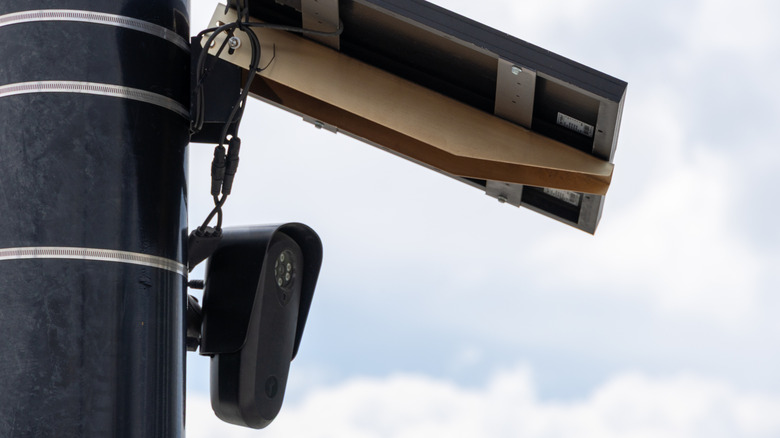
Authorities say they only caught Scott's behavior after an "enhanced system audit" identified his alleged improper access. They say the searches started this Valentine's Day and stopped June 19, meaning it took 8½ months once he started for the department to catch him, leaving Scott out there doing police work the whole time.
Critics call this out regularly. Audit logs and recommendations about data are only so good as the people who enforce them. There seems to be no mechanism for stopping an officer from misusing the system outside of the possibility that they might get caught. Scott allegedly used several false explanations as to why he was conducting these searches; police don't need a warrant to search these databases and, in some instances, don't even need as much as a case number. Still, that hasn't stopped Sheriff Gualtieri from defending the technology.
"As I've repeatedly said, this is a people problem, not an ALPR problem," he said. "The issue of people with access to confidential databases misusing those databases for personal reasons has existed forever ... we will monitor and take appropriate action when we find misuse." He said he's confident that this is the last "historical" misuse the department will uncover. That's quite the assertion, considering that Scott is the third Pinellas deputy arrested for this sort of misuse over the last few months.
Gualtieri does deserve credit for admitting one thing: "You can't fix stupid, and you can't keep people from doing dumb things." Whether the solution is letting people make mistakes at the risk of the public and personal privacy, or removing the government's ability to track people via ALPR devices, is the debate everyone will continue to have. This case certainly won't quiet that down.