

Philadelphia Carjacking Crew Targeted New Toyota SUVs For African Export

Car theft is an issue all over the globe. In most cases, though, instances of it are isolated. According to the U.S. Attorney's Office, a crew in Philadelphia was so coordinated that it was stealing specific Toyota models for resale in Africa. Now, five members have received sentences ranging from 35 years to life plus more than a 100 years. Authorities announced the sentences on November 2, following convictions earlier this year. Court records offer a closer look at the Toyota targeting and the phone records that helped investigators identify suspects.
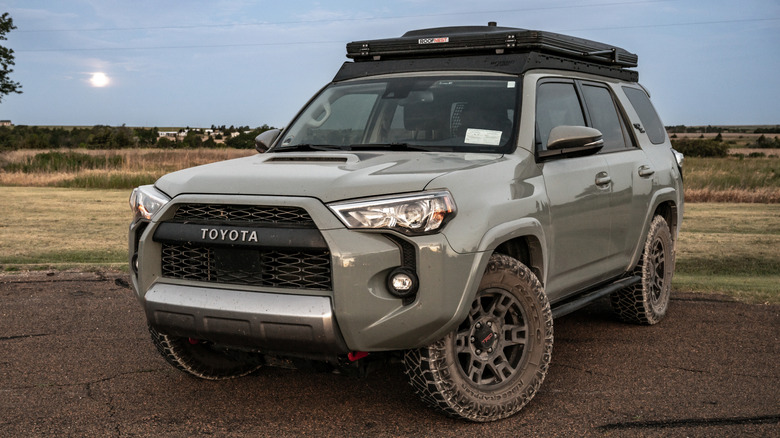
Back in late 2025, a court opinion laid out how the operation worked. Masked attackers operated in small groups, targeted newer-model SUVs like the updated Toyota Land Cruiser, carried handguns, and frequently struck or shot victims. Investigators linked some incidents through ballistic evidence and descriptions of the vehicle used by the attackers, though digital records were apparently just as vital.
Life sentences and a digital trail
Mikal McCracken, 24, received life plus 138 years. Amin Muse, also 24, received life plus 55 years, while Aleem Abdul-Hakim, 23, received life plus 28 years. Dean Fosque, 28, was sentenced to 86 years, and Kavon Coleman, 24, received 35 years. Their convictions followed an eight-week trial involving more than 100 witnesses. That might sound excessive for car theft, but people died as a result of these crimes.
On February 6, 2022, the crew killed one carjacking victim but forgot the key fob for the vehicle at the scene of the crime. To resolve the issue, they hired a locksmith to make a replacement. Not long after the theft, police tracked down the vehicle and recovered it. Worried that authorities would identify the locksmith through forensic evidence and that he'd cooperate, the crew planned and carried out his murder. That's where the digital link comes in because police began leveraging court-authorized searches of cellular towers.
Those searches allowed them to link two devices present at multiple carjackings. Warrants allowed police to arrest and indict some of the crew. McCracken challenged the searches, with other defendants joining his effort to exclude the evidence. The judge denied that motion, upholding the warrants and finding that the good-faith exception would also prevent suppression. The same phones investigators believed were needed to coordinate the attacks helped them identify the people behind the carjackings.