

Here's How To Prevent Your Car Windows From Fogging Up
Learn how proper climate control settings and anti-fog products keep your car windows clear in any season
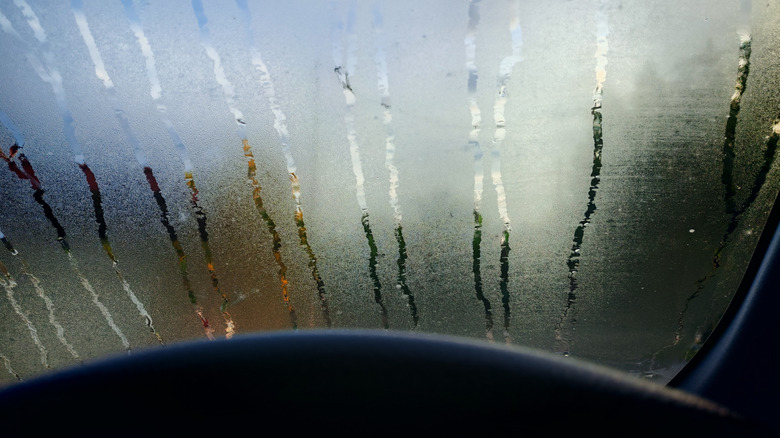
Foggy car windows are not only annoying, they can also be hazardous. If it has been one of those mornings and you're already running late, the last thing you want is to sit waiting for the windows to clear. We've all tried wiping it away with our hands, leaving streaks and puddles everywhere, or playing with the air conditioning system without understanding how the window defrost works. While some newer cars have a single button that takes care of it in an instant, there are a few ways to prevent your car windows from fogging up in the first place, from sprays found in stores to vegetables kept in the kitchen.
The quickest way to clear your car's windows is to activate the air conditioner defrost setting, making sure it's set to fresh-air mode, not recirculate. Reducing the amount of moisture in the air helps prevent window fogging, but that is usually easier said than done. Some people even look to common household items like potatoes and toothpaste as DIY solutions, but we'd recommend sticking to more traditional remedies, such as anti-fog sprays you can buy at a store.
What causes car windows to fog?
Foggy windows are a hassle year-round, but like tire chains and reduced EV range, they're a classic hallmark of winter driving. It all comes down to simple science (no white lab coats required for this one): When hot air touches a cold surface, it cools quickly, turning from a gas to a liquid. This process is known as condensation. Since the air inside the cabin is slightly warmer than the outer surface of glass in winter months, condensation builds up inside. Likewise, blasting the air conditioner during summer makes the cabin cooler, meaning the air outside is warmer, so the outside glass starts to fog.
Think about going outside on a cold, winter morning and breathing out. The hot air expelled from the body hits the cold air and turns to what looks like steam. While less exaggerated, the constant release of water vapor from breath builds up in a car and lands on the glass. Leaving damp clothes or shoes in the back seat can make window fog worse, as can taking a warm cup of coffee into the car on a cool day.
It's easy to prevent your car windows from fogging up

Differences in ambient and cabin temperatures are a key cause of foggy windows, especially when it comes to seasonal extremes, but humidity can also cause this. While a plug-in dehumidifier is the perfect solution in your home, there are a few ways to reduce the humidity in your car to prevent the windows from fogging up. To help control cabin humidity, toss silica gel bags under the seats and in the trunk, and you can swap in all-weather floor mats to keep moisture from soaking into the carpet in the first place.
Controlling cabin humidity stops window fog before it starts, but applying a dedicated anti-fog coating adds an extra layer of defense. While the lore of rubbing a potato on your windshield may seem easy and cost effective, it's temporary and can be messy. Another unorthodox method that actually works is using toothpaste on the windscreen, but this can damage the glass. Plus, anything that leaves residue or streaks can dangerously reduce visibility. We do not recommend these methods. Instead, a safer and more effective way to stop car windows fogging up throughout the year is by using an anti-fog spray with hydrophobic properties — like Rain-X — on glass surfaces. Applying this with a clean microfiber towel leaves a clear, streak-free layer over the glass that stops moisture from turning into fog.