

The Reason Why EV Tires Are So Expensive
What you save at the pump, you may spend on tires instead.
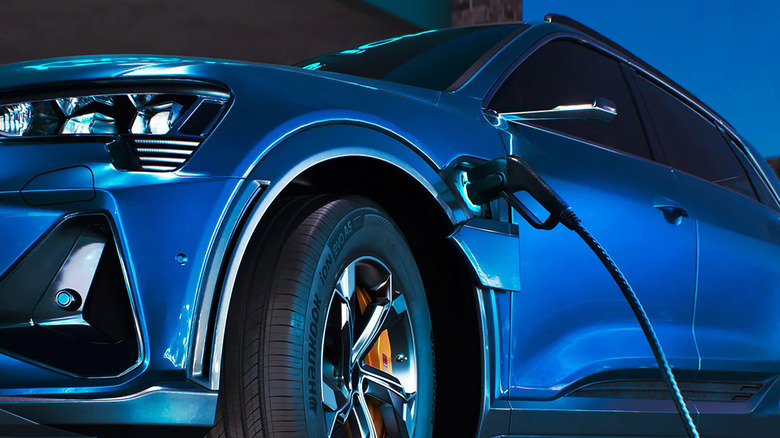
One of the key selling points of fully electric vehicles is their minimal maintenance requirements, mostly due to having significantly fewer moving parts compared to ICE-powered equivalents. However, while there are no oil changes and regenerative braking keeps EV brake pads fresh for more miles, the same can't be said about the tires. Those wear out faster than traditional rubber and are much pricier due to their EV-specific design, driven by a combination of mass, torque, rolling resistance, and manufacturing techniques.
Once home charging is established and daily range anxiety subsides, EV ownership becomes straightforward, offering peace of mind. Yet according to Michelin, EV tires wear 20% faster compared to ICE-powered vehicles. Once a new zero-emission vehicle reaches approximately 12,000 to 25,000 miles (20,000 to 40,000 km), EV owners face challenges when it's time for new tires.
A set of EV tires can cost between $1,000 and $2,500, depending on the category, size, and rubber specification. Those figures are noticeably higher compared to similarly sized tires for comparable combustion vehicles.
The weight and torque penalty
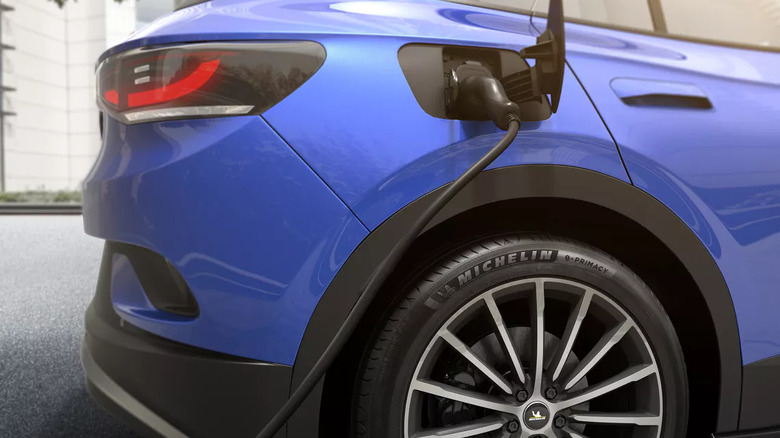
The specific and often contradictory requirements stem from engineering fundamentals. Batteries make EVs heavier than combustion vehicles of the same size, meaning that tires need to work harder and feature structural reinforcements. Meanwhile, electric motors deliver significant torque that is available at all times, subjecting the rubber to intense rotational forces.
Furthermore, tire makers are racing to find the right compounds and tread designs for lower rolling resistance, which is key to tires like Michelin's new EV tire promising 10% more range between charges. Finally, integrated sound-absorbing materials reduce road noise, which is more evident in EVs due to the quiet operation of electric motors. All of this makes EV tires much more complex to design and produce, thus more expensive on the shelf.
Another important factor for pricing is production volume. Some EVs, like the discontinued BMW i3, ride on unusually tall, narrow tires for their aero-friendly, noise-reducing design and proportions. Not many cars use tires like this, but manufacturers still incur the high cost of designing and building such a unique tire. That leads to even higher prices for replacement rubber, while making long-term availability a challenging task.
Are EV tires getting cheaper?
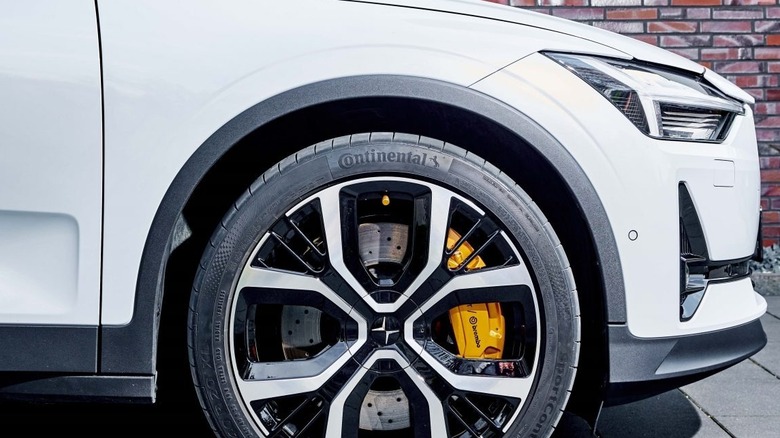
The short answer is yes, although don't expect them to reach price parity with standard tires for ICE-powered models. While the advanced tech and special requirements for weight, noise, and low rolling resistance remain, production is inevitably ramping up. Naturally, this leads to lower per-unit manufacturing overhead through economies of scale.
As EVs start to outsell petrol-only cars across Europe, tire manufacturers like Michelin, Goodyear, Continental, and Pirelli are offering more options for buyers and increasing their production outputs. Furthermore, mid-tier and budget brands are also launching dedicated EV tires, creating competition in the aftermarket scene.
Despite these welcome changes, EV tires are expected to remain more expensive to produce than regular tires due to the increased material costs for reinforcements and insulation. Hopefully, the costs of natural rubber, petroleum compounds, carbon black, and steel won't continue rising, allowing surging tire prices to fall and become less of a burden for car owners, regardless of powertrain type.