

Is Scout For Real, For Real?
Is the electrified startup the real deal? How soon will we see product?
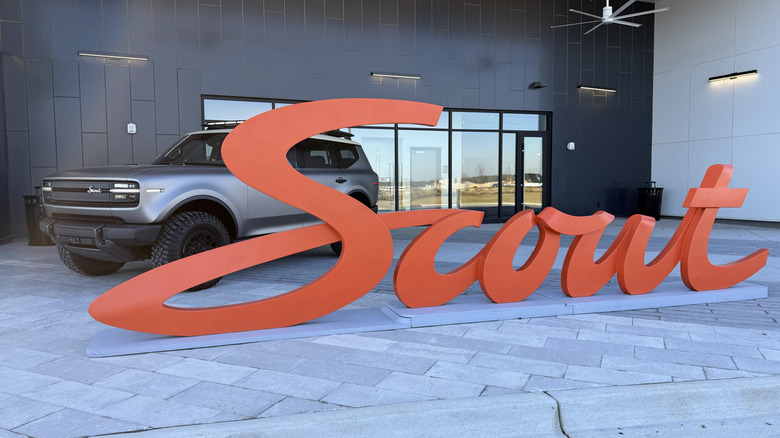
Last week, Scout Motors invited us to its Blythewood, South Carolina manufacturing center to tour the nearly complete plant and see it producing validation units. That's the next big step toward producing a mass-produced automobile for the general consumer.
After the event, I checked out some of the coverage and the social reactions to it. Many people are skeptical of the brand. Many others are skeptical of the production timeline. You see, we are a culture that expects everything immediately, and Scout is moving too slowly for some. I even read one comment calling the whole venture a grift.
So, is Scout a real automaker that will be making real vehicles for real customers to buy? Let's take a look at what the company is saying and see where that sits on the logic scale. Starting a car company isn't easy, and a few in the past decade have tried and failed. There are also others who don't seem to want to offer a product for people to buy at all. We can certainly figure Scout out, right?
Large scale manufacturing requires large scale space
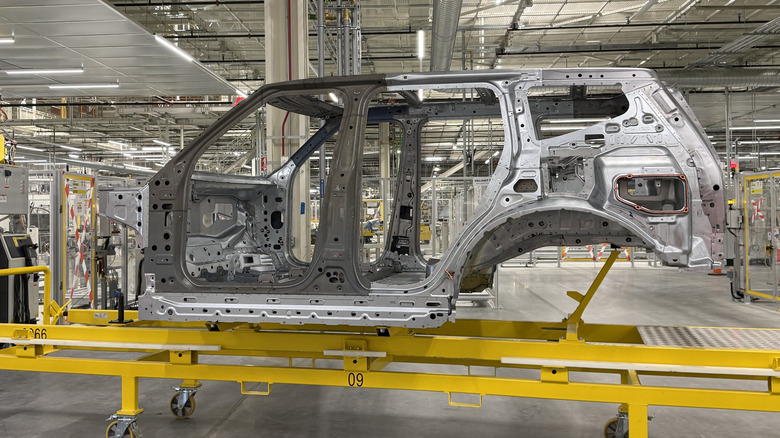
The plant in Blythewood is approximately 85% complete. What was a field covered with trees just two years has become a massive manufacturing facility, which is an even more impressive achievement when you consider it took place in an age of high tariffs, rising inflation, and economic uncertainty. Scout is investing some $2 billion into the facility and the associated supplier park to support operations, and 4,000 people will be working at the Scout plant when it's up and running.
During our tour, Scout said the plant can roll a new vehicle off the assembly line every 88 seconds, and that if you do the math, it's a production capacity of 200,000 units per year. Even if the plant isn't producing all Scout vehicles — there is talk of using the platform for other products in the VW Group — it's hard to imagine the Group would keep investing that money without a contingency or backup plan. It's quite unlikely, then, that the plant itself would go to waste, even if demand for Scout completely dried up.
Lots of reservations are a good sign, but not a guarantee
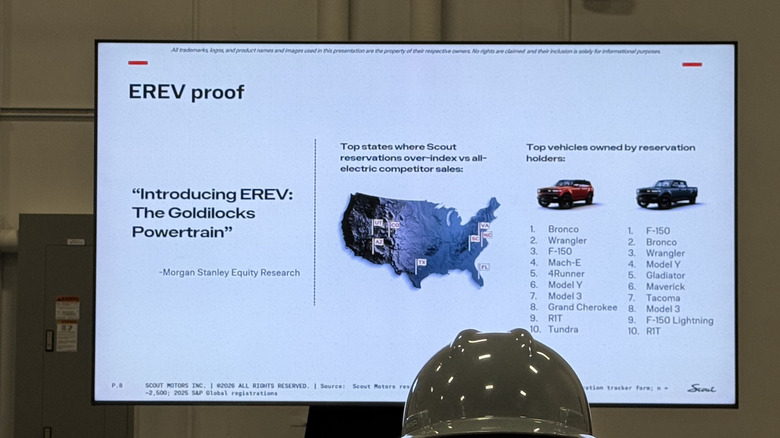
Scout CEO Scott Keogh told us that the company has 212,000 reservations for the Traveler and Terra models, which he openly acknowledges are guaranteed orders. A $100 refundable deposit is not the same as committing to purchase a $60,000+ vehicle, and he knows that. Many of those reservations are for the Harvester range-extended version.
Keogh doesn't plan to lose money on each unit sold by leveraging the company's relationship with the overall Group. For example, the gasoline range-extender engine is something Volkswagen already mass-produces, so new engines are just a small incremental cost. Whenever the company could borrow from the overall group, it did.
One interesting thing about those reservation holders is what they also have in their garages. For the Traveler, many already have a Bronco or Wrangler. For the Terra, they will be parked next to an F-150. It seems Scout is appealing to the right type of customer, both in terms of vehicle use and disposable income.
Ultimately, delivering product is all the matters
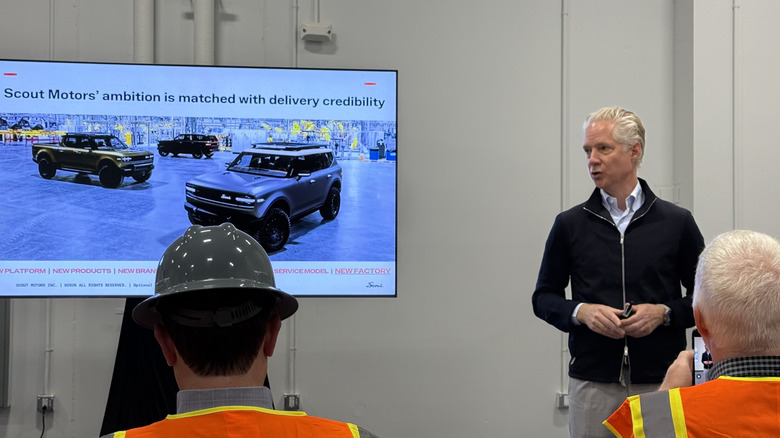
Keogh gave some estimates of what "clear skies" would look like for Scout, but he is also well aware of the challenges. Certainly, based on reservation numbers, the company could get there. So is Scout for real?
Well, here's what needs to happen. The plant needs to be finished, and production needs to start on time. During the event, Scout officials told us that pre-production units and final test units will be produced in 2027, and the first customer cars will ship in 2028. For this to work, it needs to be early 2028, not later, because competitors are coming quickly with their EREV platforms, and Scout could soon be floating in a sea of them.
One of those competitors might very well be the Koreans. Hyundai has made it clear it's working on EREVs and wants to enter the rugged pickup truck and SUV space. If I were Keogh, those would be the ones I'm worried about. Stellantis should have a Ram 1500 EREV coming, but as Tim Kuniskis has been only talking about V8s, it's really unclear if that product is even still a thing. Ford's next-generation Lightning will be an EREV, the company says, but it has to launch the Fathom without issues first.
Ultimately, I believe Scout is doing all the right things while being a victim of circumstances beyond its control. I also believe it's extremely important that Scout keep showing us the process to remind us all that it's a real car company trying to do real things. At the end of the day, however, the only thing that matters is shipped product to customers. Then, the market will decide how real Scout is. But while we wait, I think the company is on the right track.