


- Ferrari has revived the gated shifter after a 14-year absence.
- The Manuale uses by-wire tech to mimic a traditional manual.
- 819 hp V12 delivers unchanged performance and a 9,500-rpm redline.
Ferrari has finally answered a request enthusiasts have been making for more than a decade. The new 12Cilindri Manuale returns three pedals and a gated shifter to a road-going Ferrari for the first time since the 599 GTB left production in 2012, and while that sounds like a straightforward exercise in nostalgia, it isn’t one. Maranello had no interest in dusting off an old gearbox design and calling it a day.
More: Something New Is Brewing For Ferrari’s V12 Purosangue
Rather than reach into the past, the company leaned on modern technology to recreate the manual-driving experience while retaining the performance expected from a contemporary Ferrari. The standard car’s dual-clutch transmission still sits underneath, only now the driver controls it in an entirely different way. That means the 12Cilindri Manuale is likely to be celebrated, debated, and argued over in equal measure. We say bring it on.



Ferrari
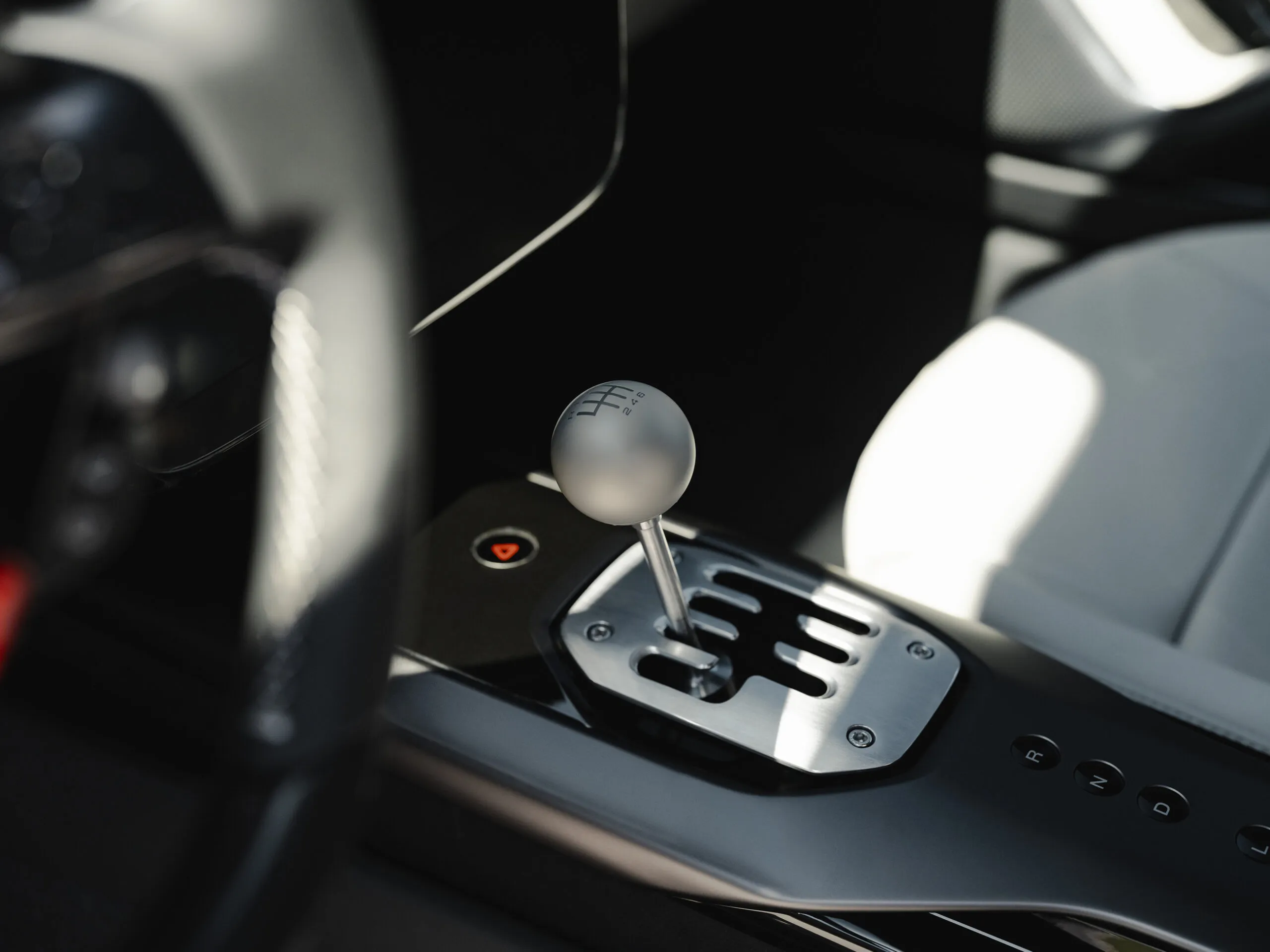
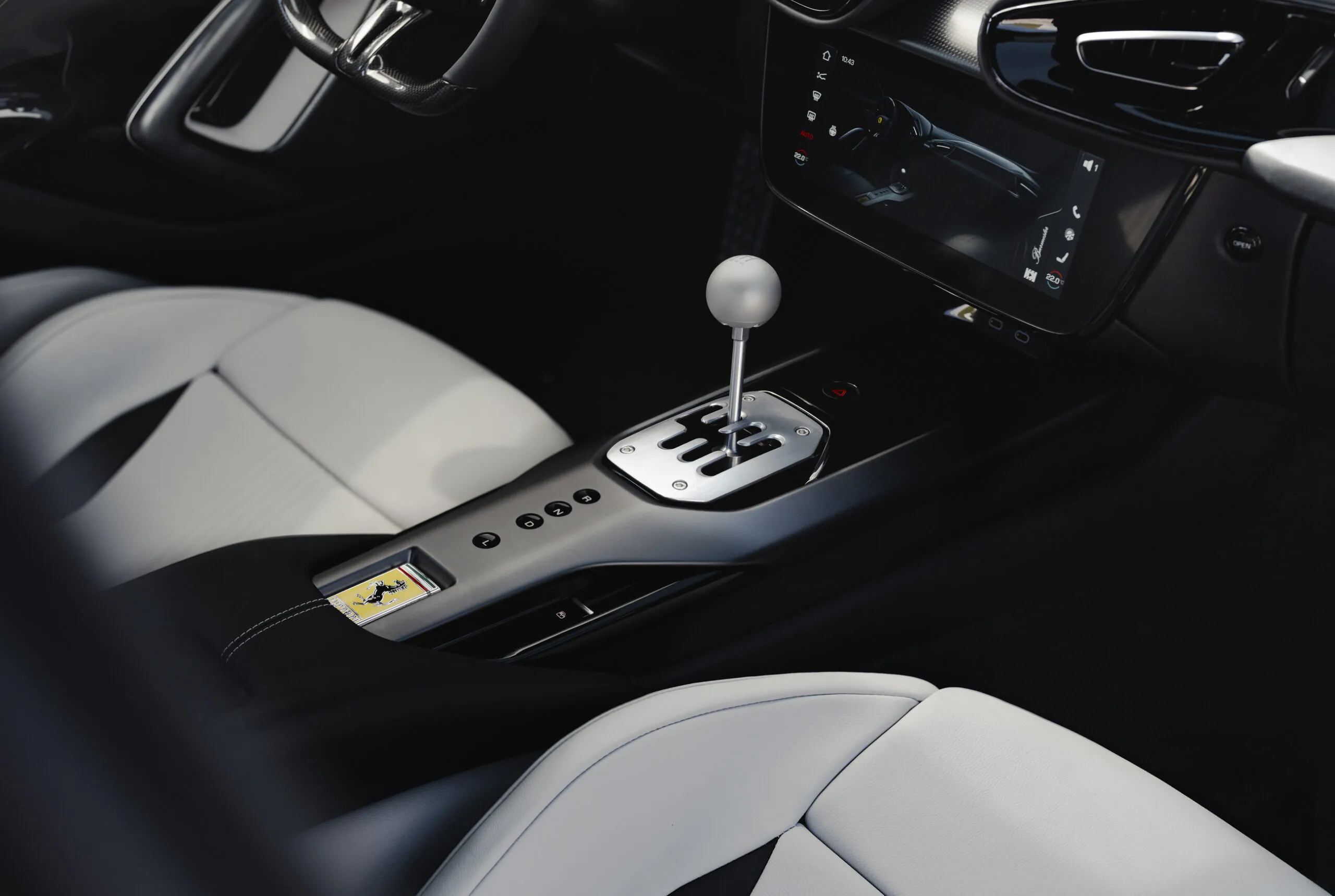
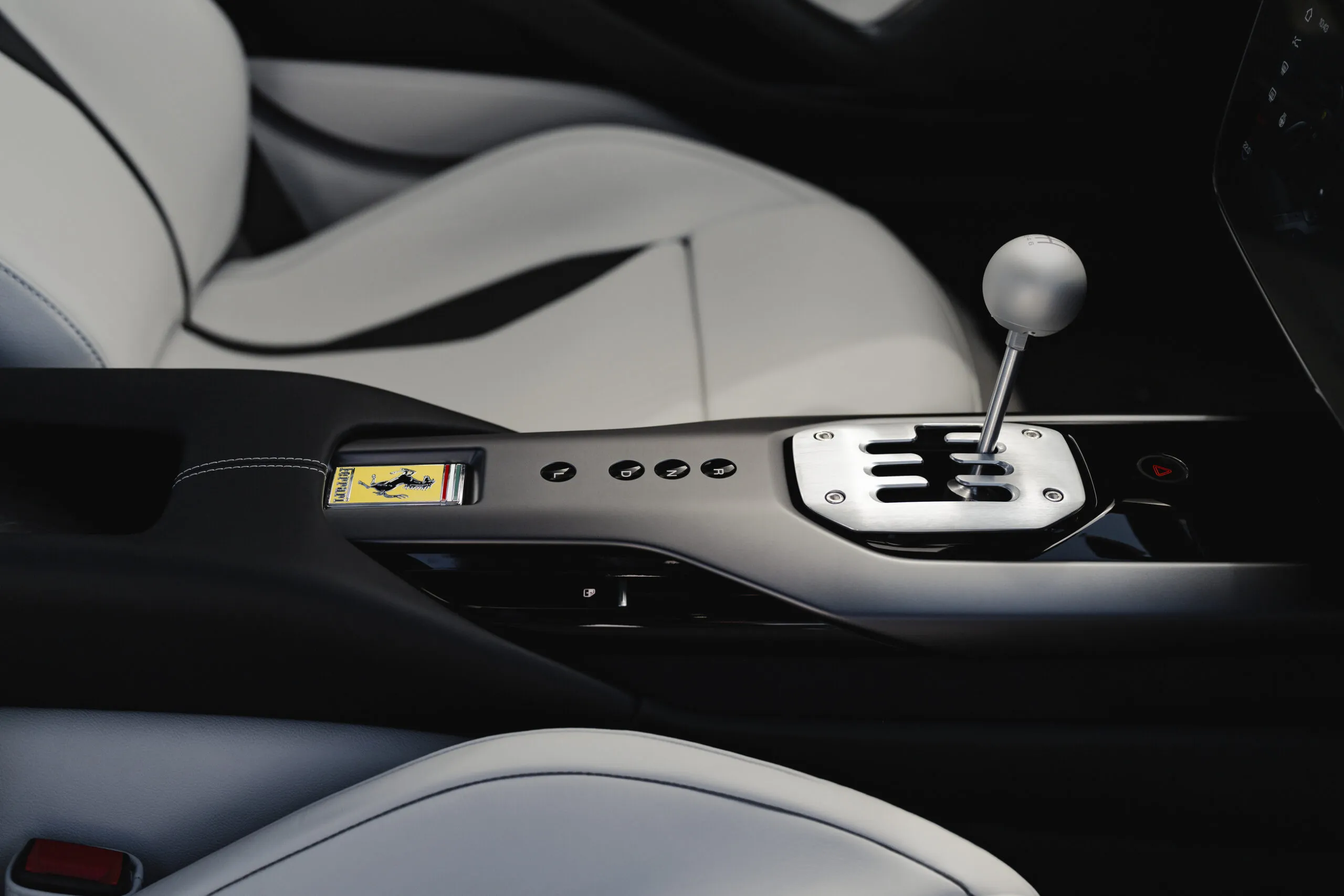
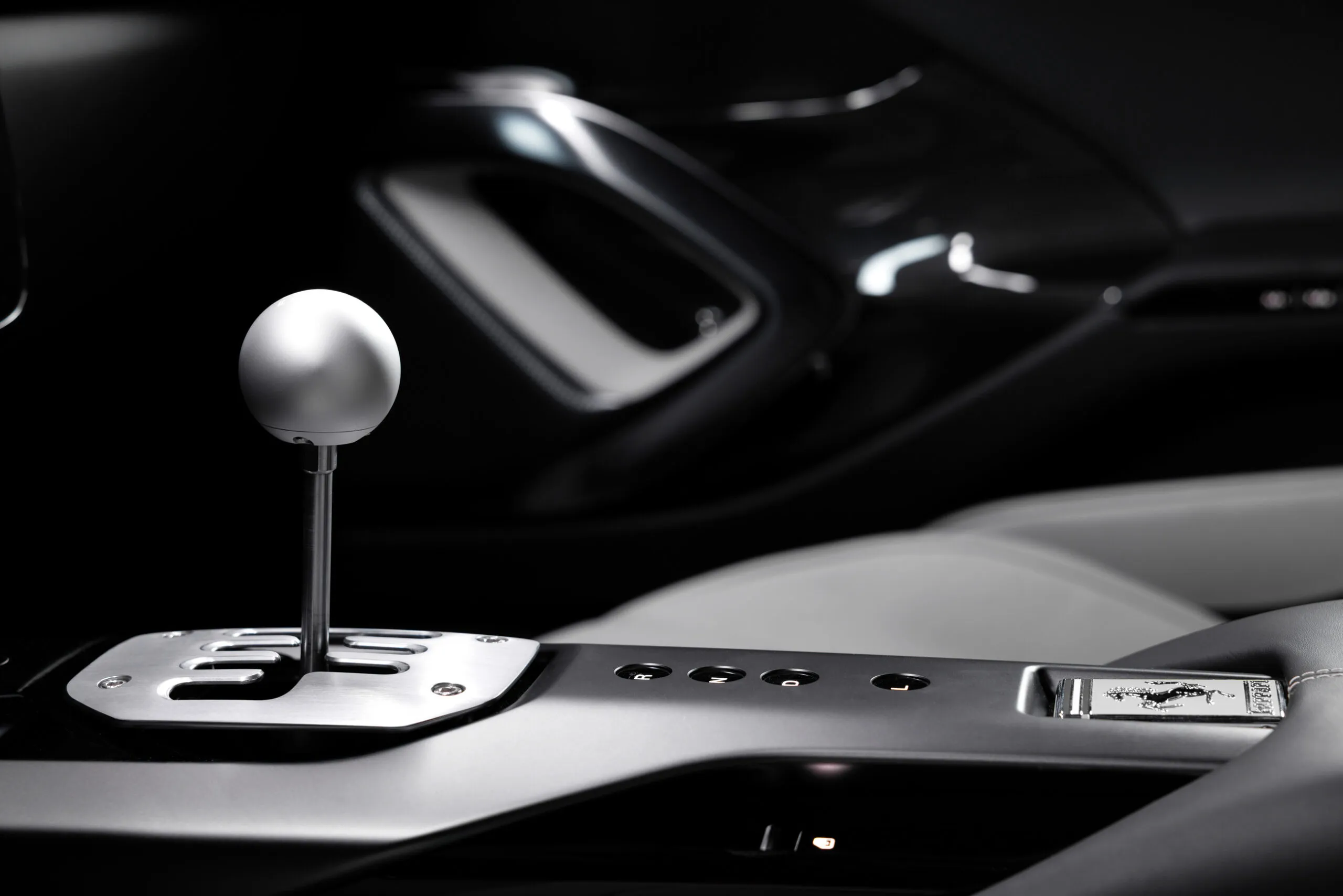
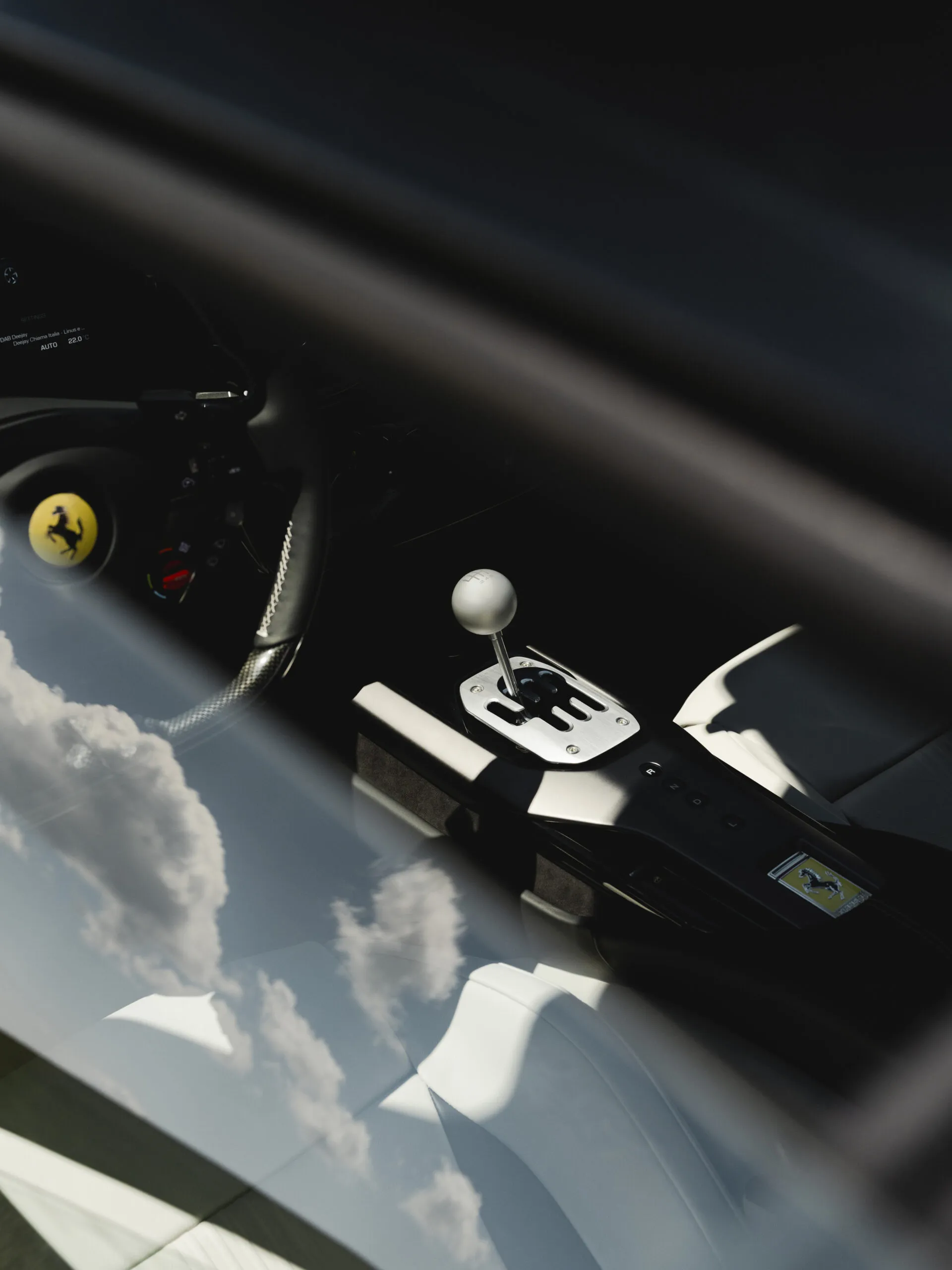
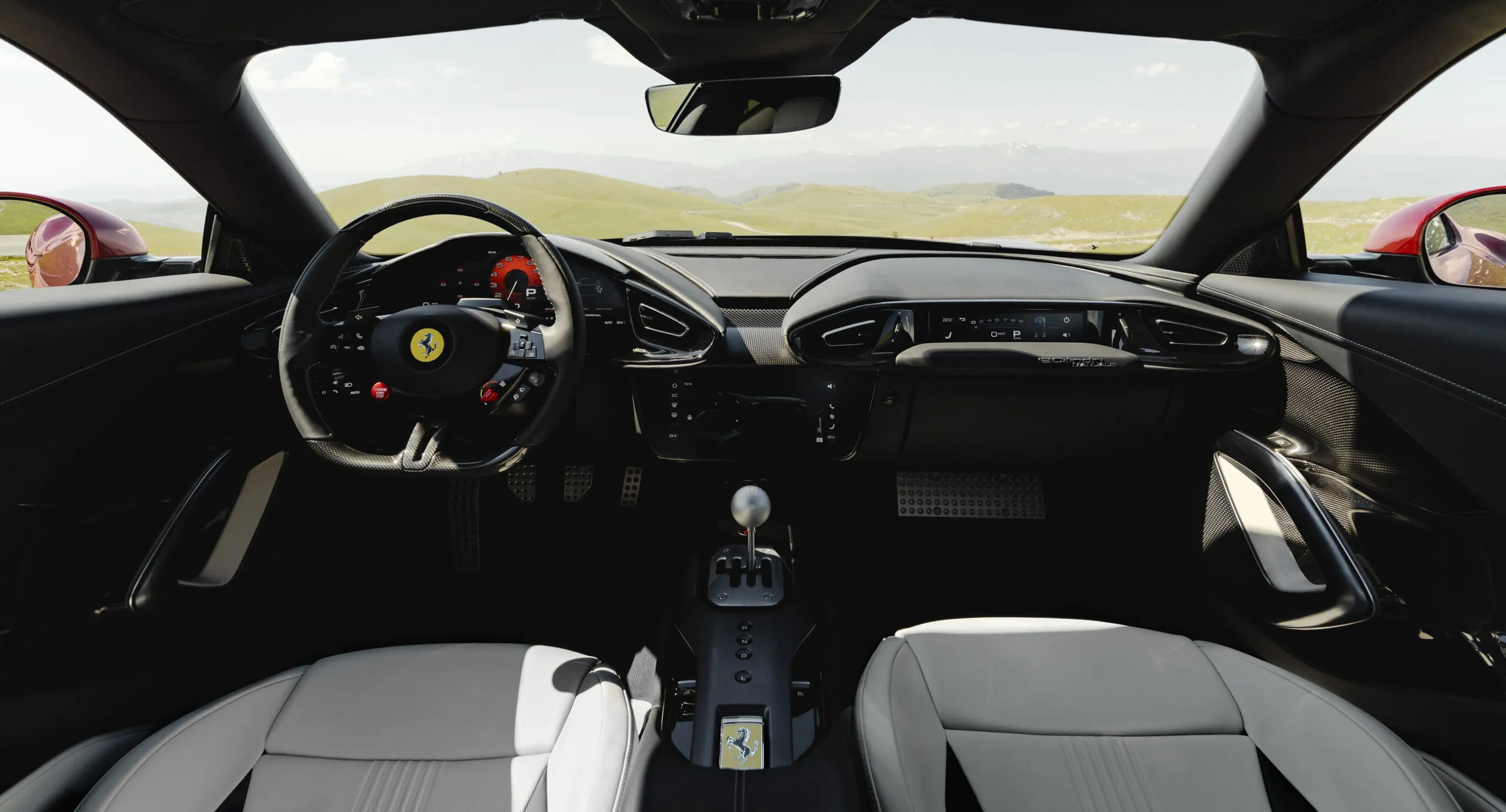
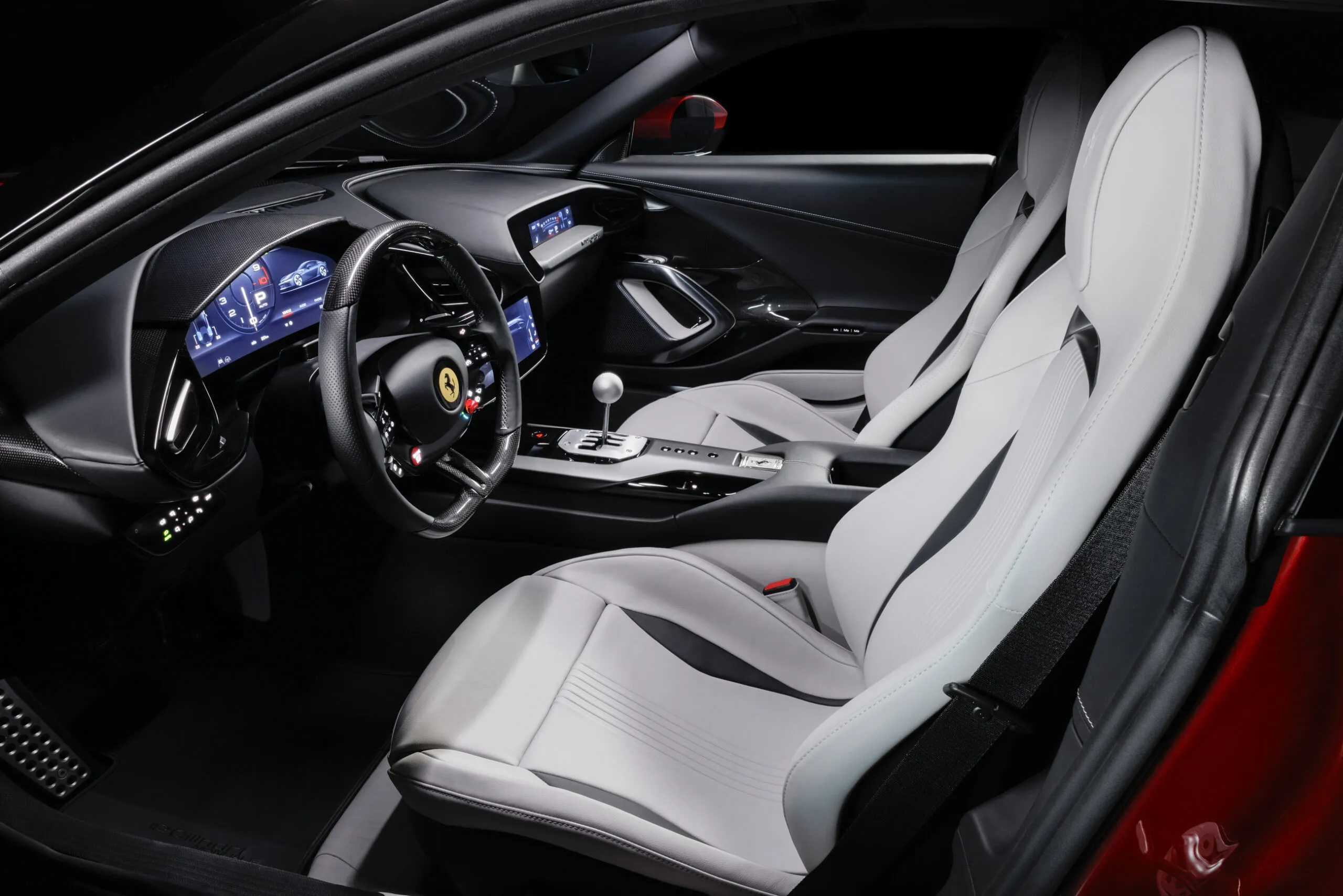
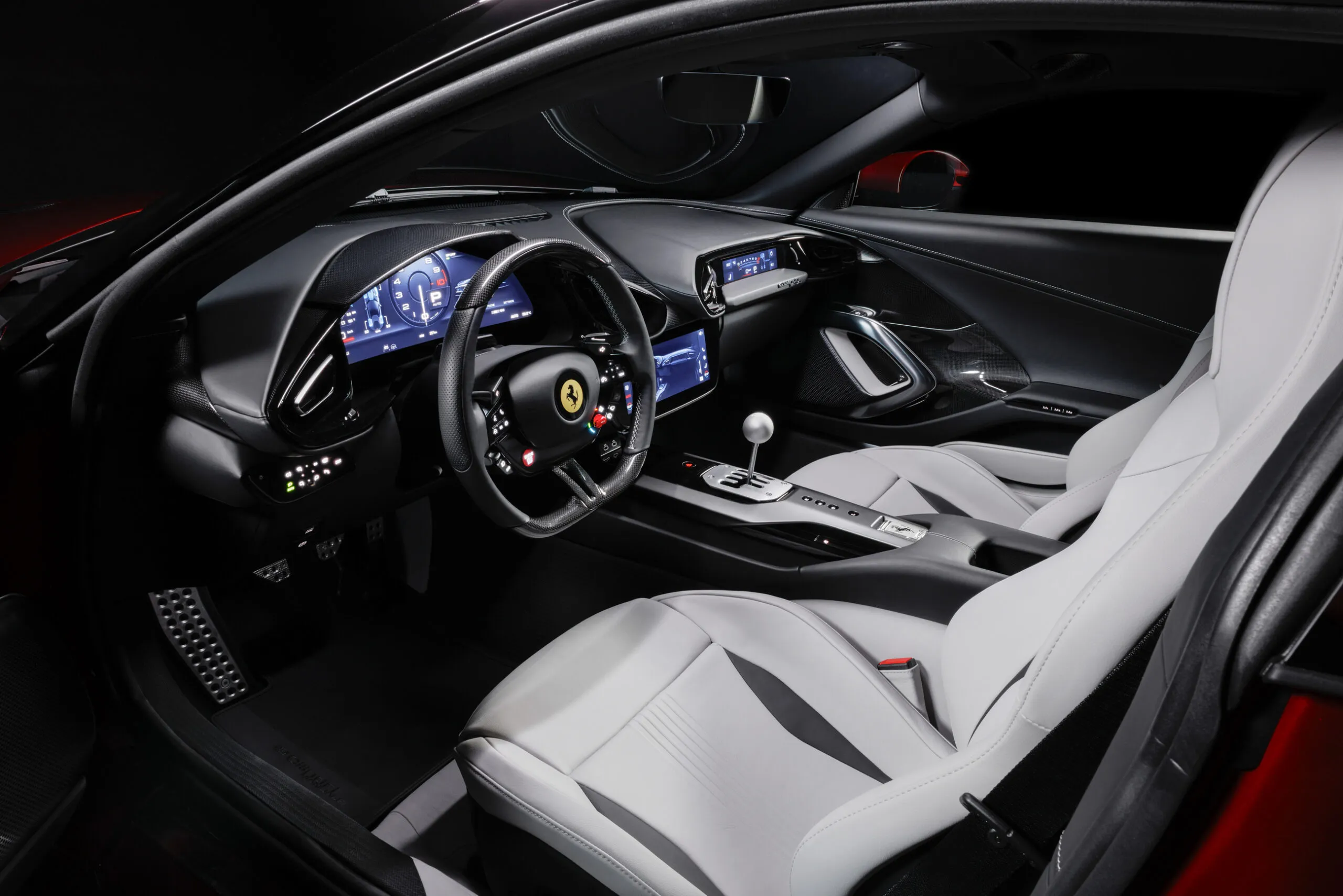
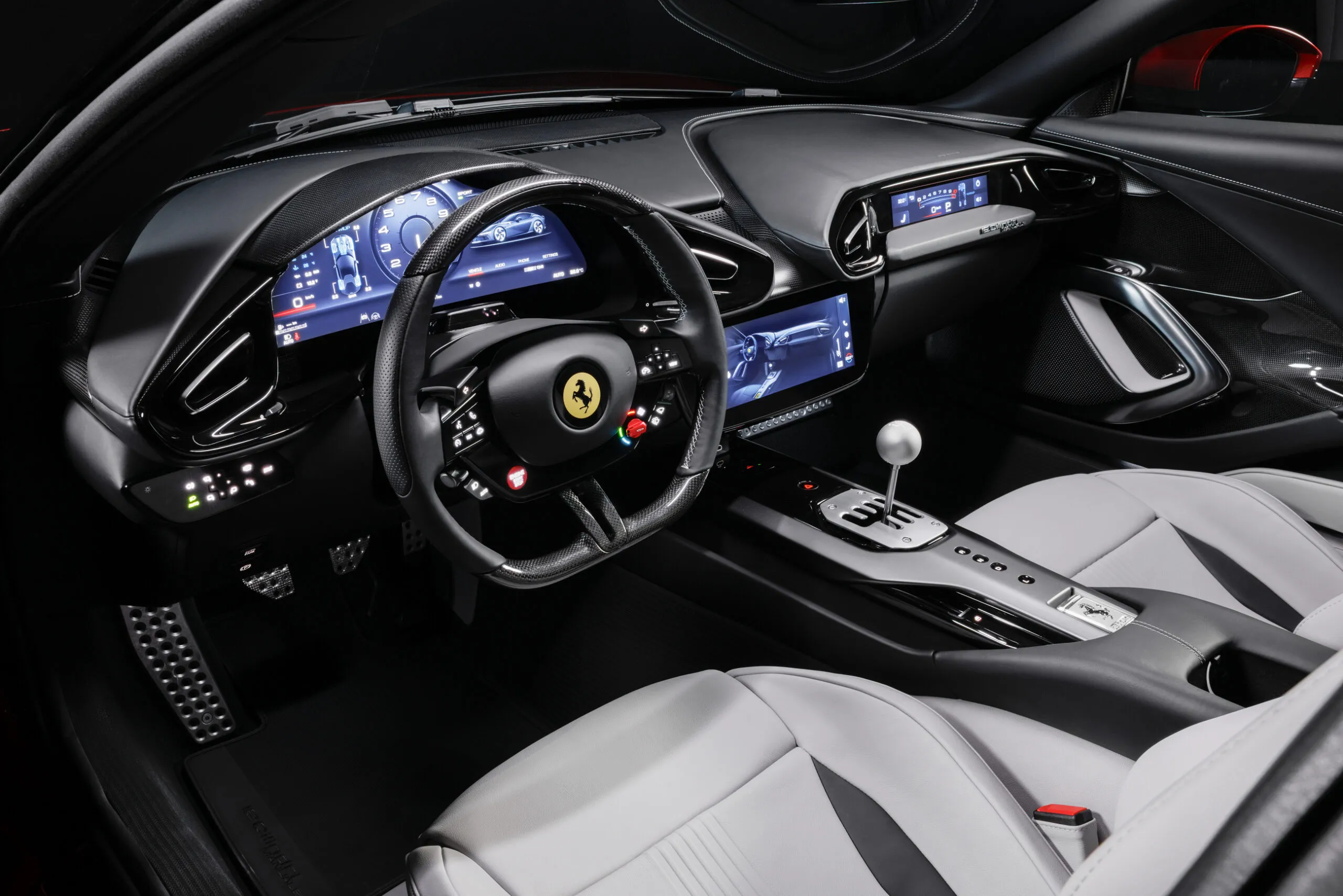
At first glance, it looks exactly like the Ferrari many collectors have been dreaming about. The center console features a polished six-speed shift gate topped by a classic round aluminum shift knob. There are three pedals instead of two.
Even the cabin layout has been redesigned around the driving experience, with Ferrari adding a dedicated tunnel area and revising the ergonomics to better focus attention on shifting. The reality beneath the aluminum gate is far more complicated.
Ferrari
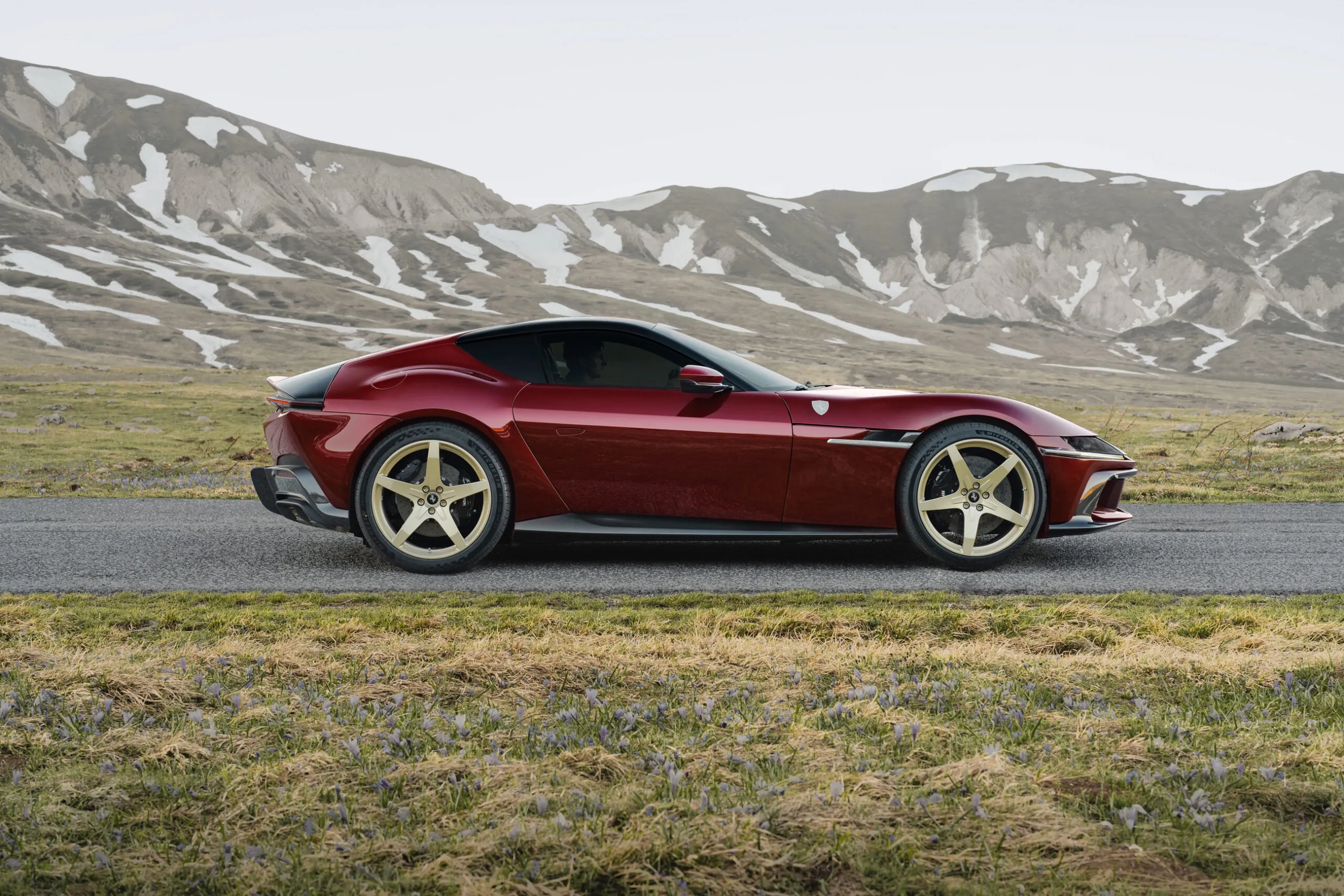
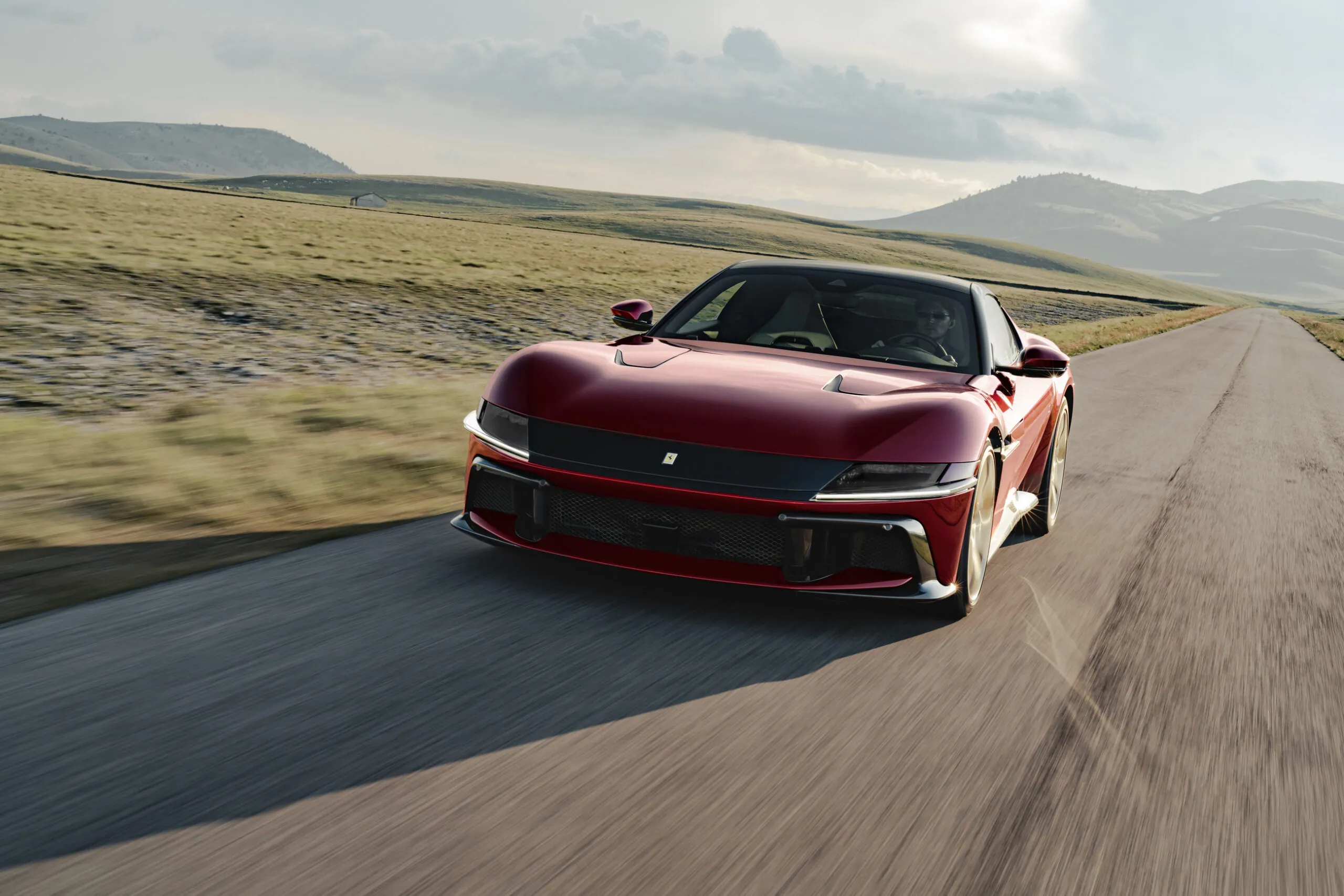
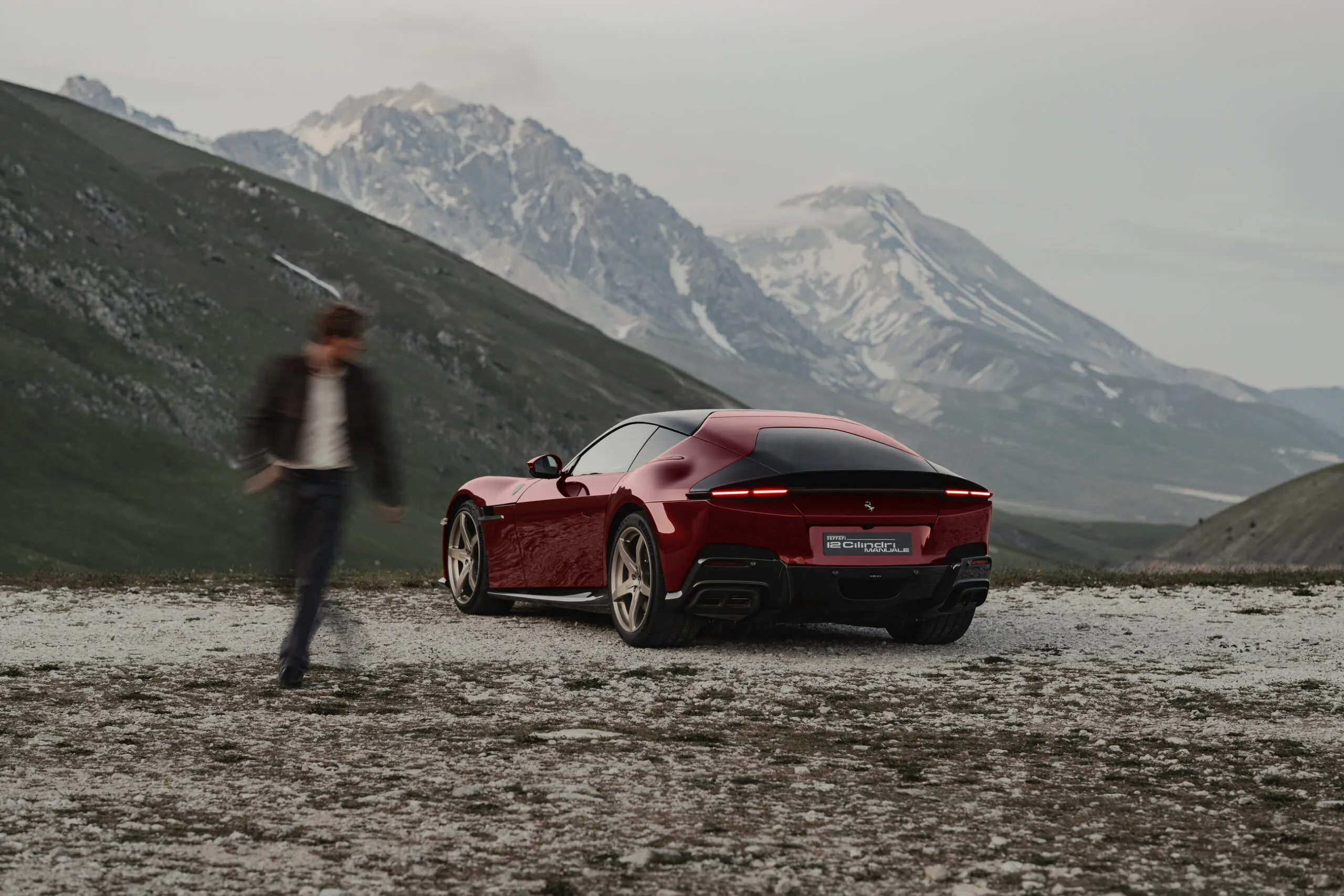
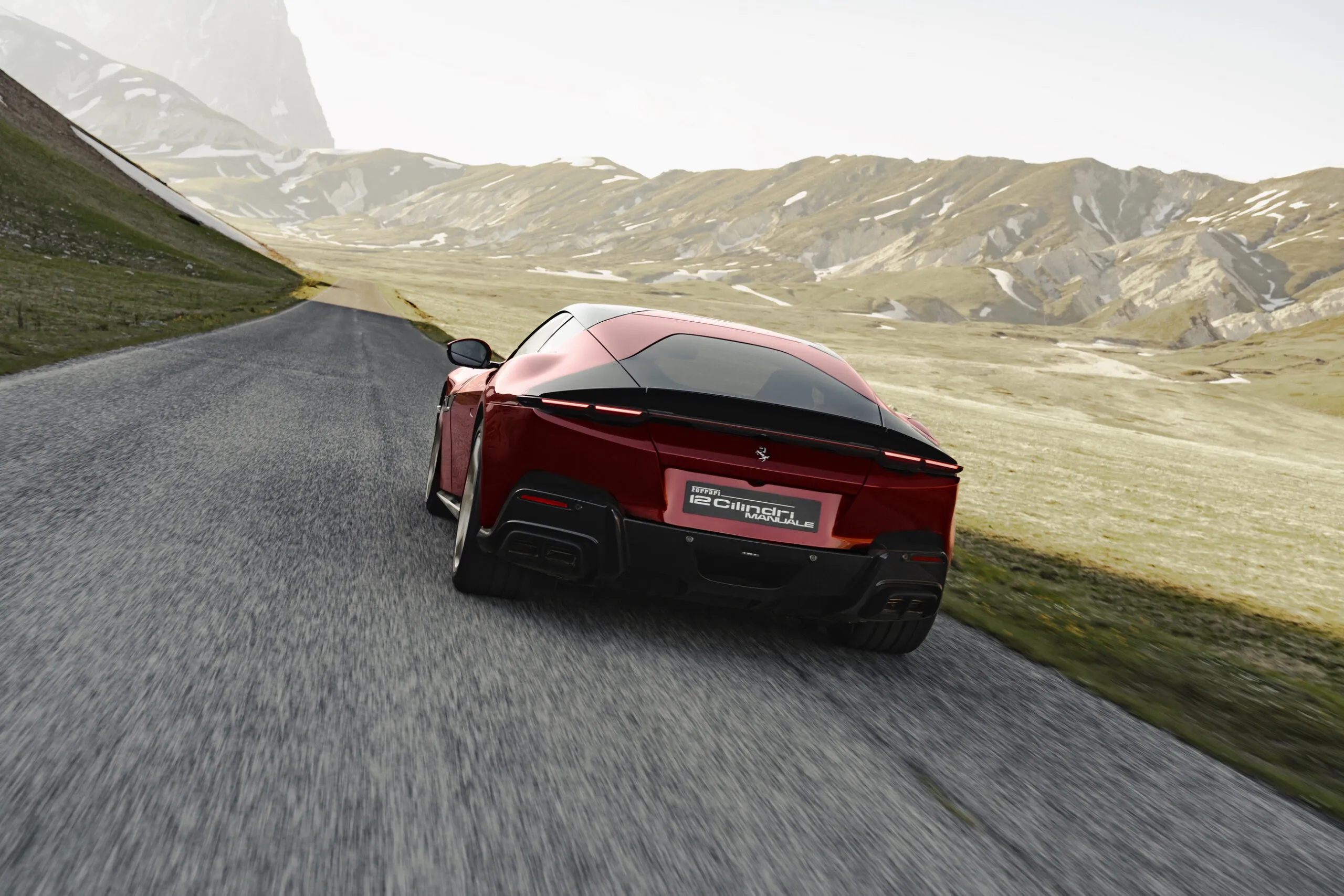
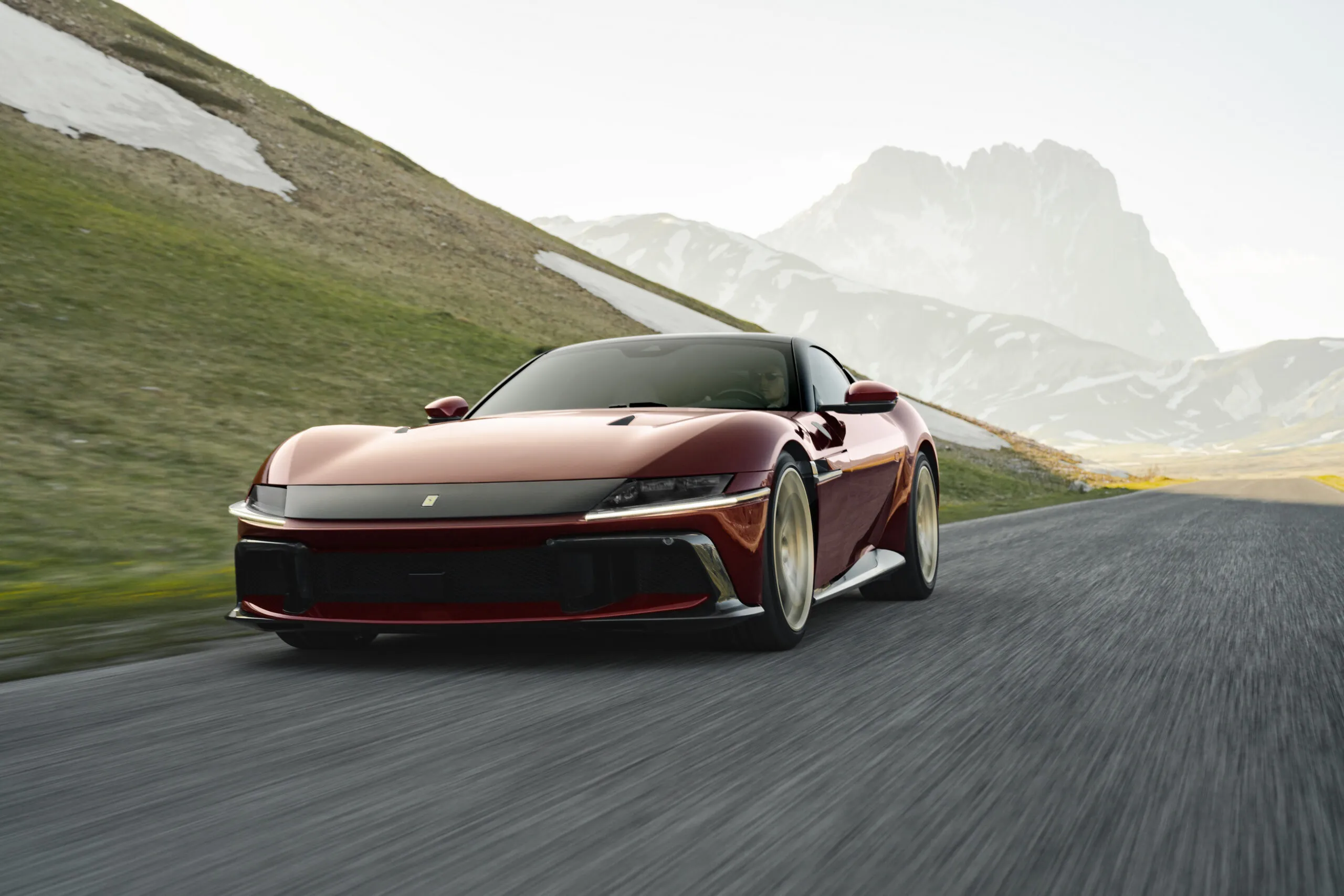
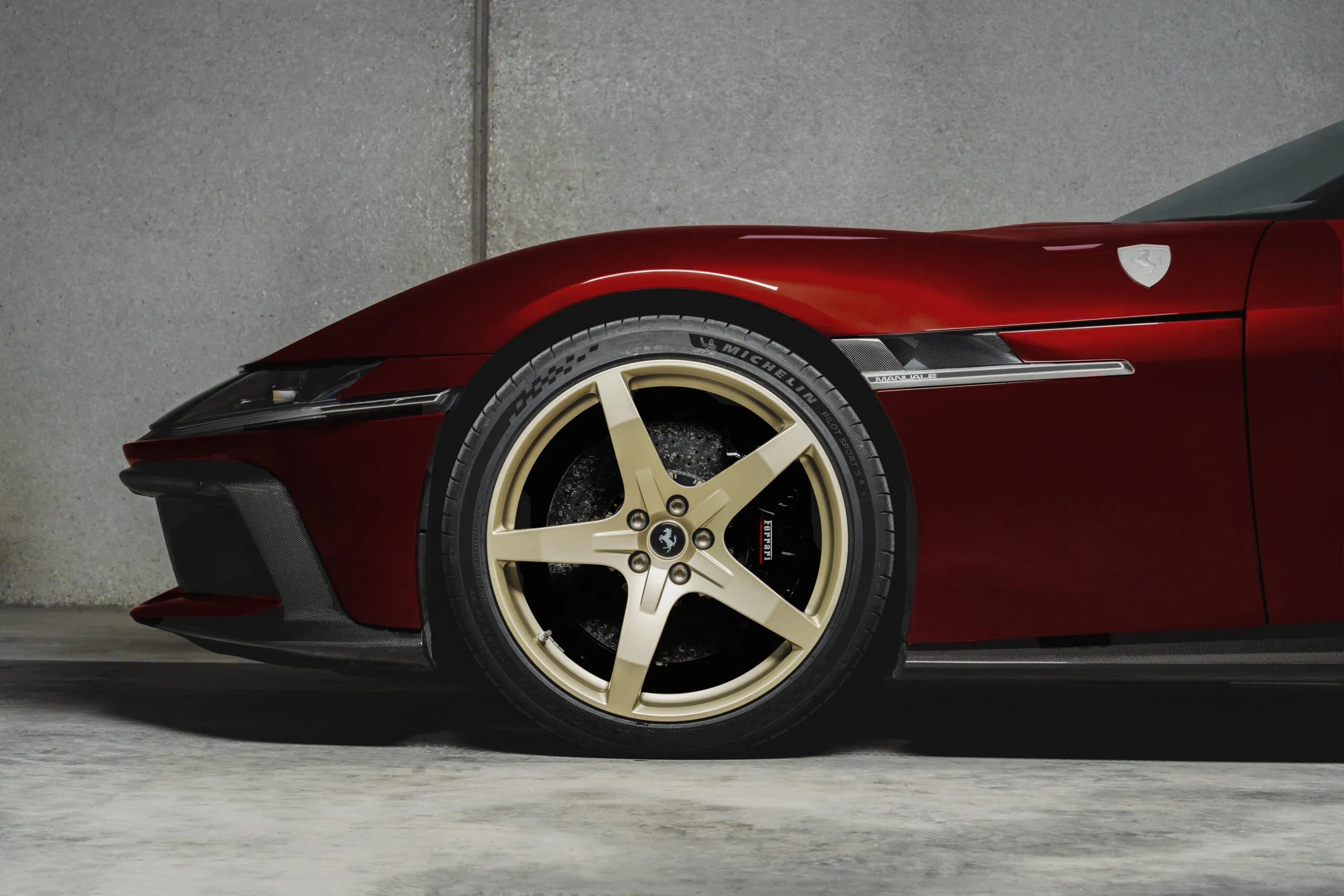
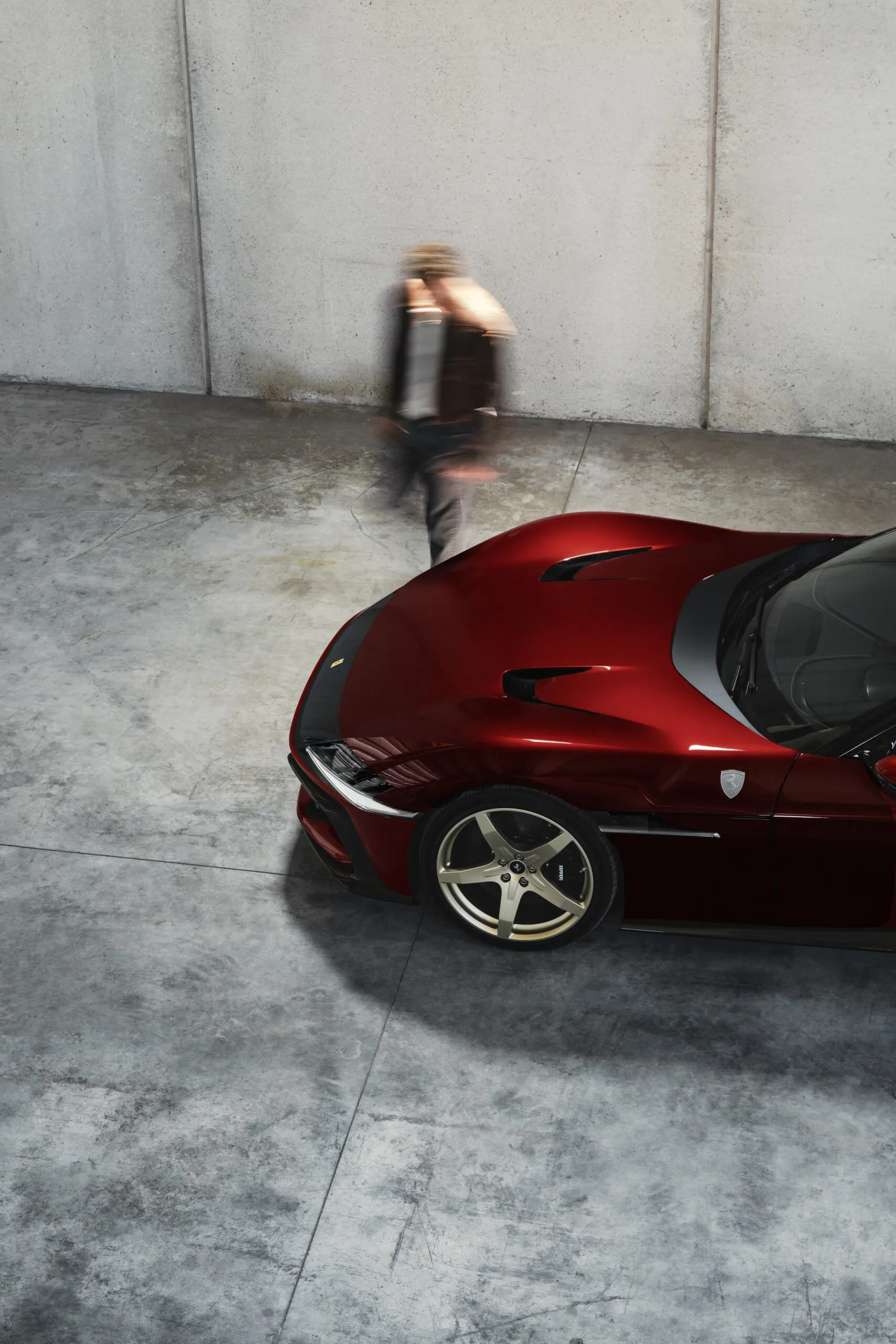
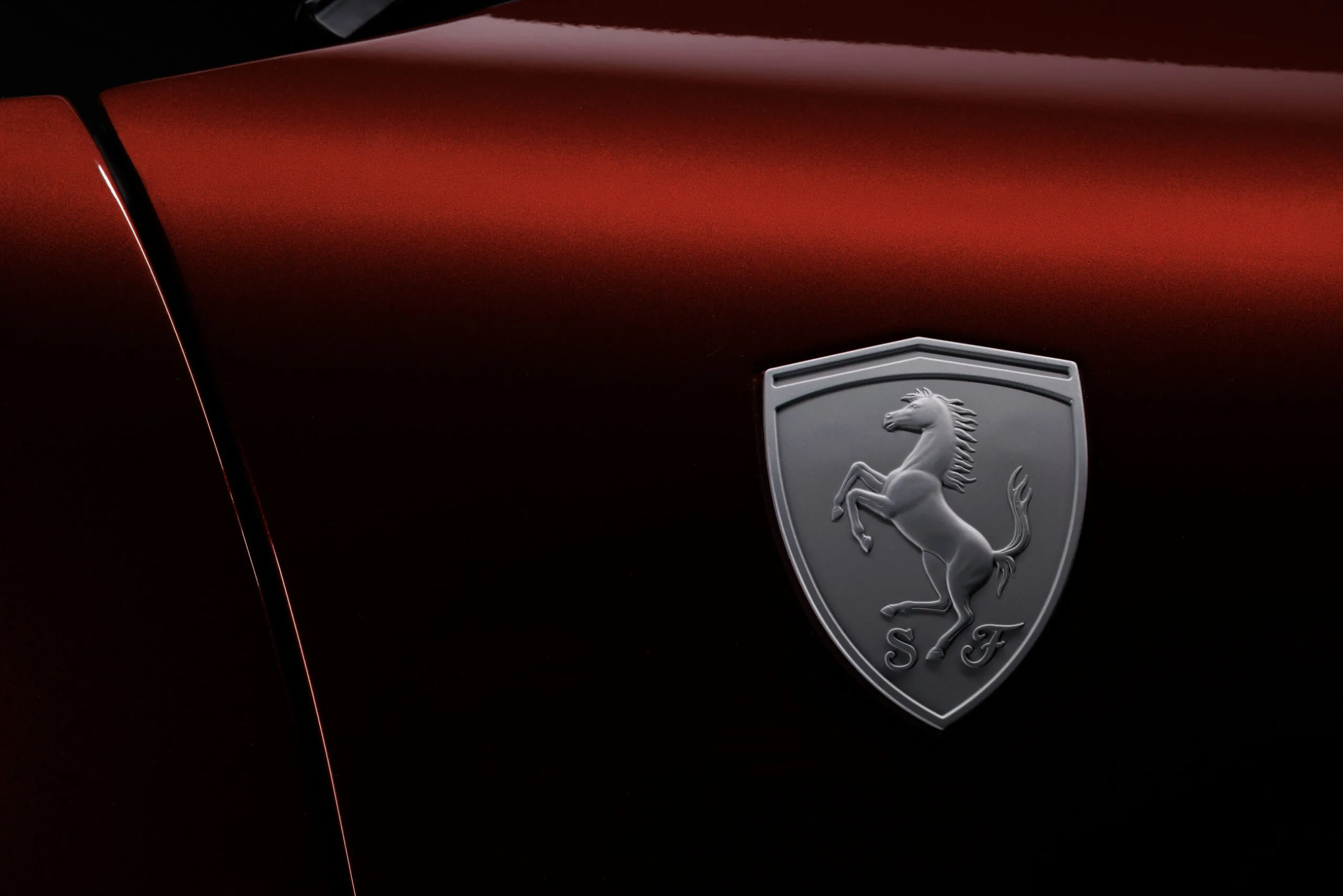
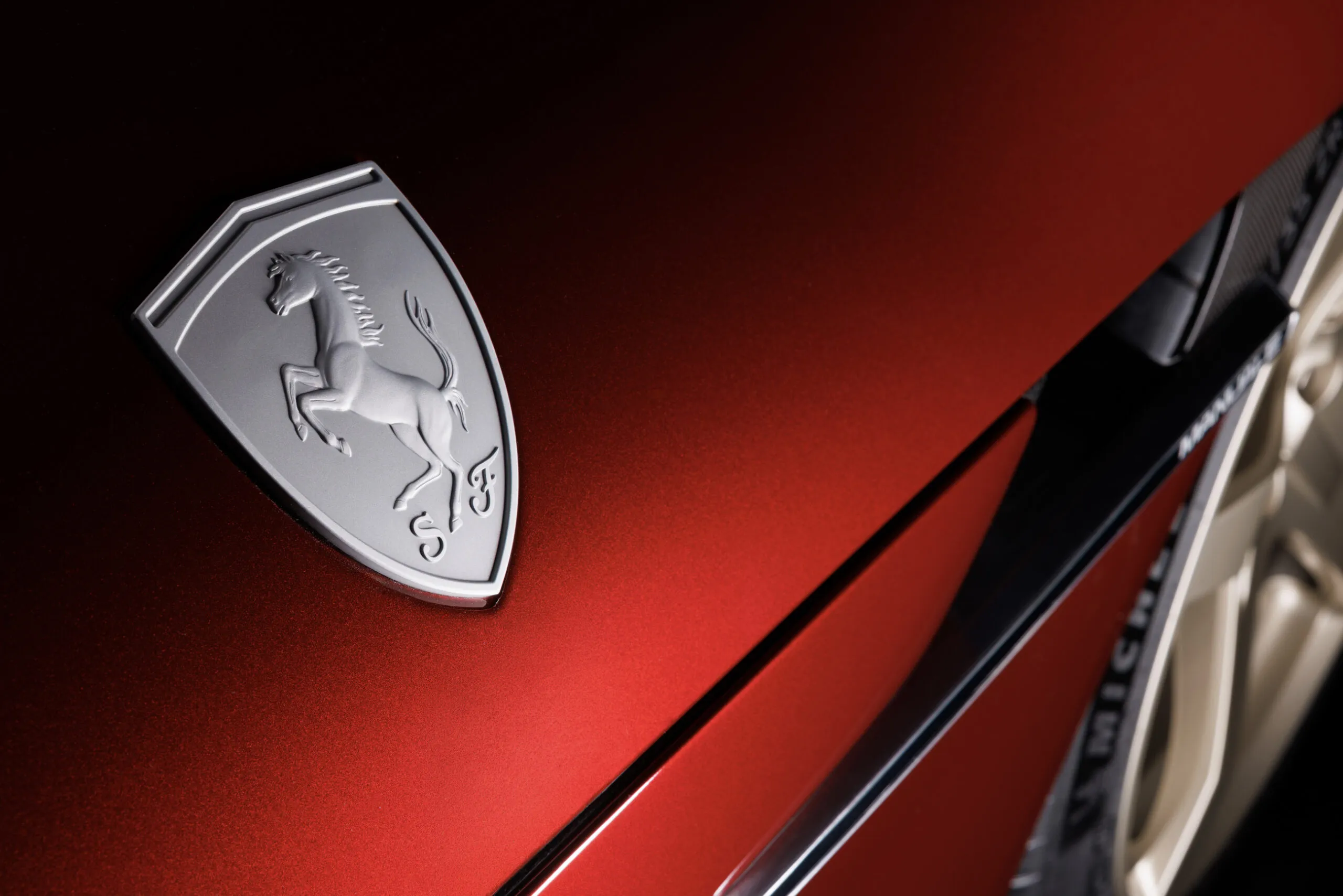
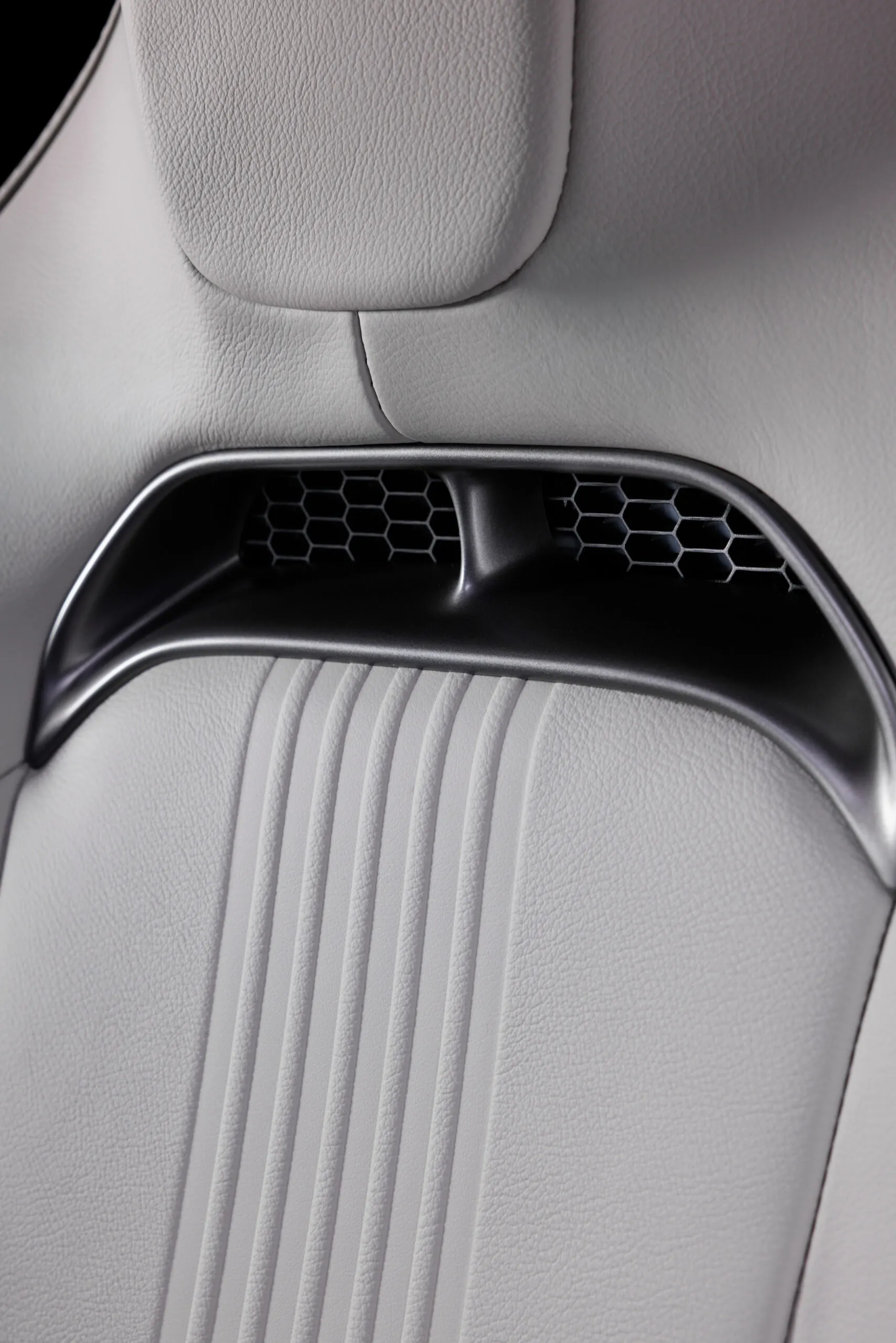
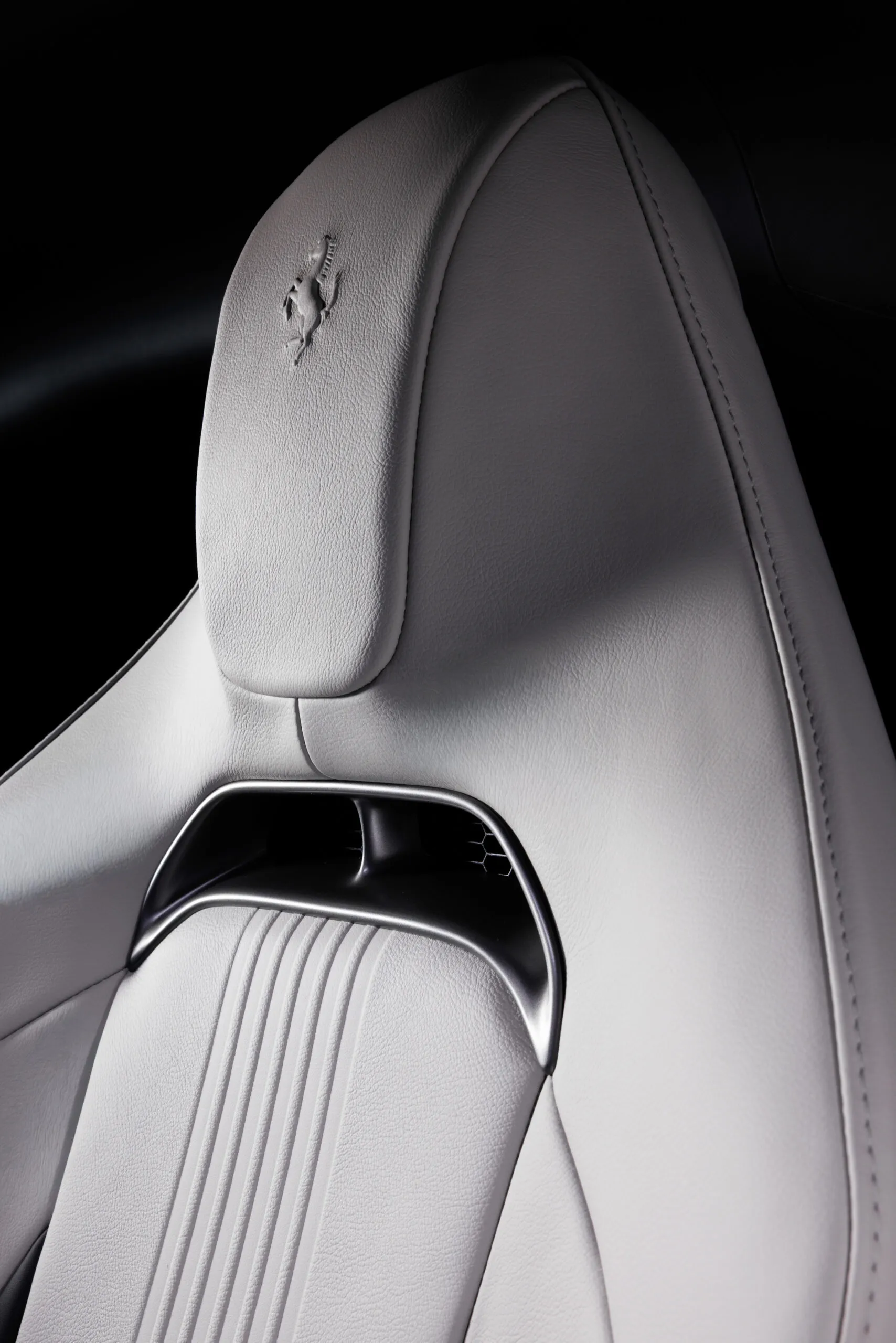
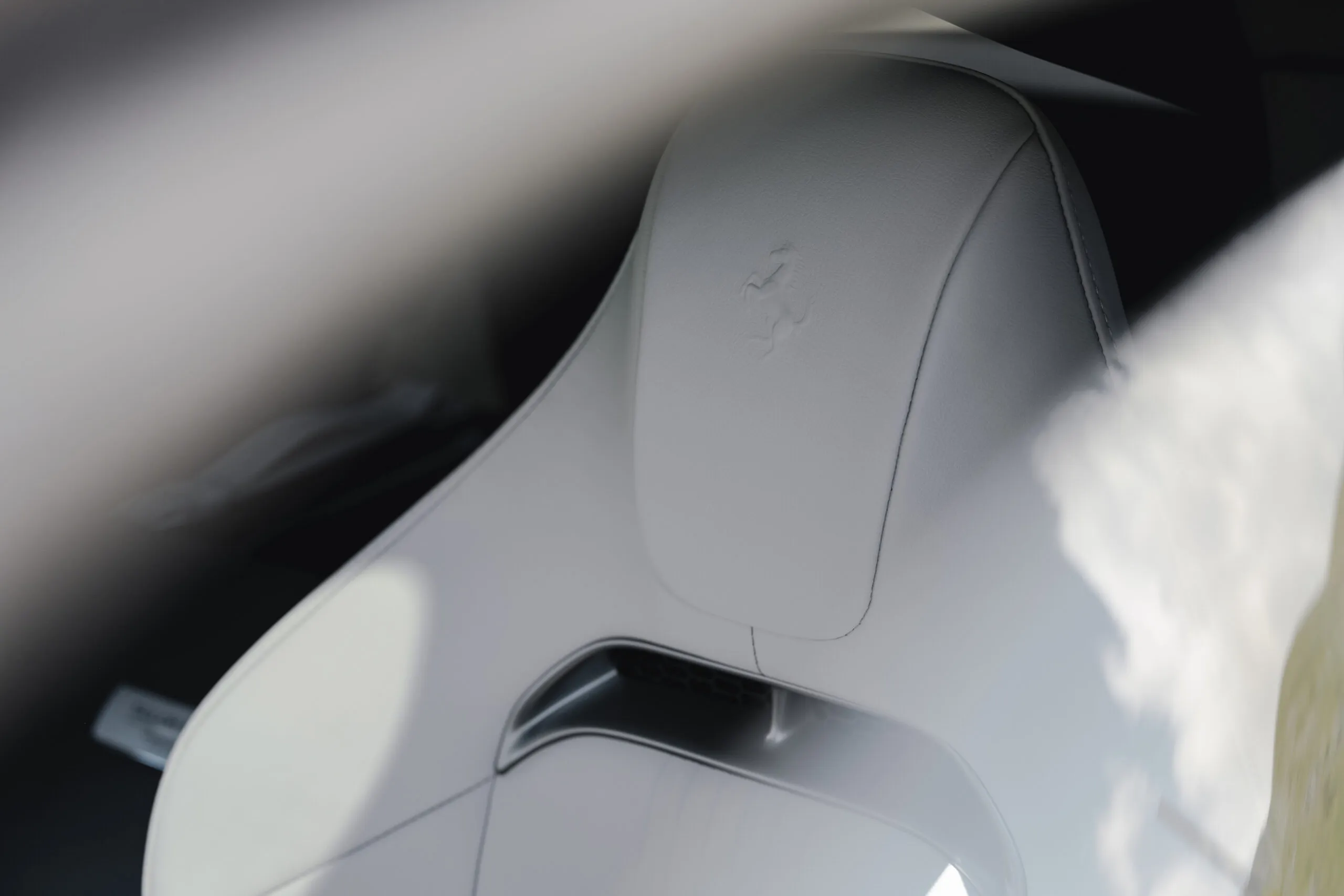
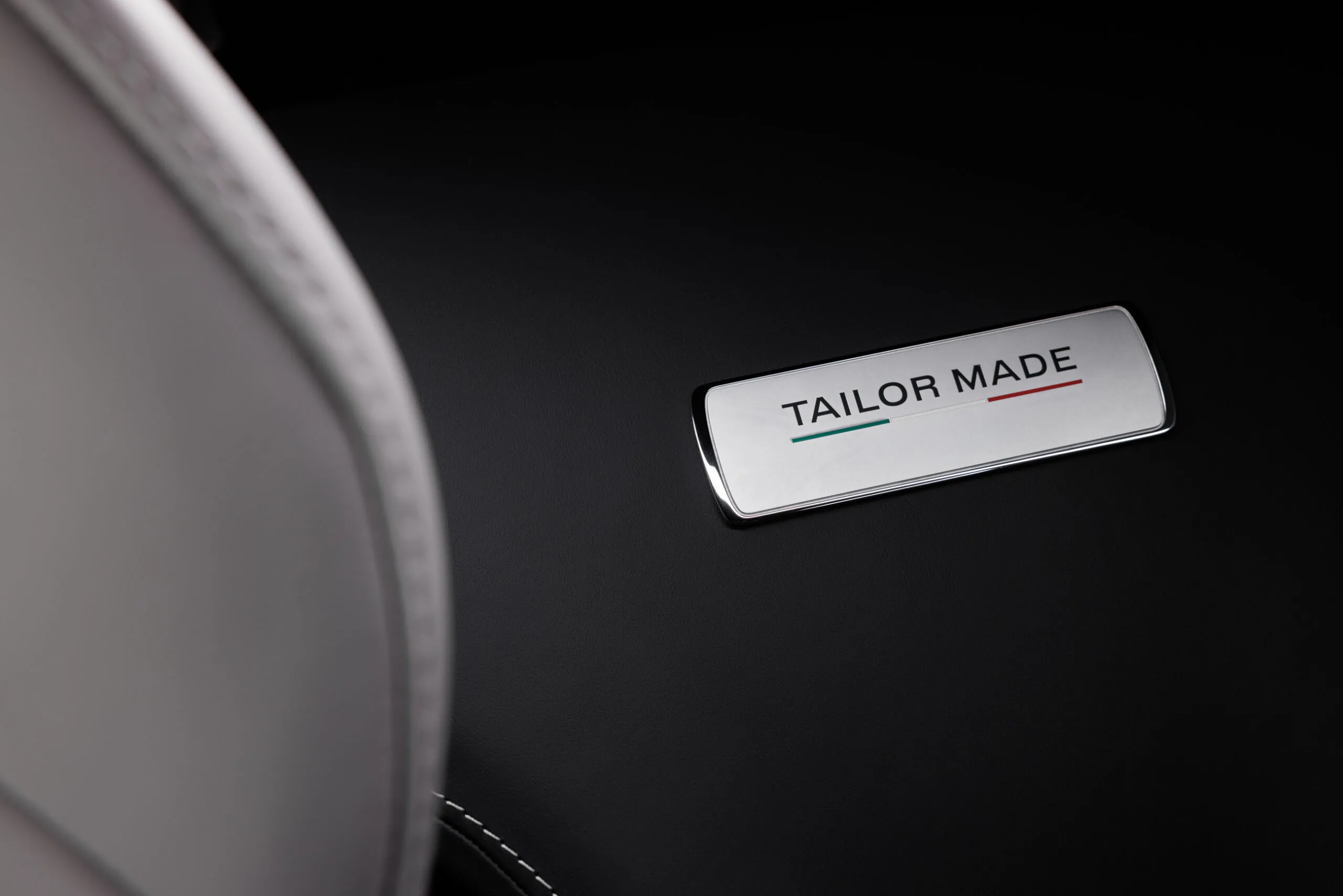
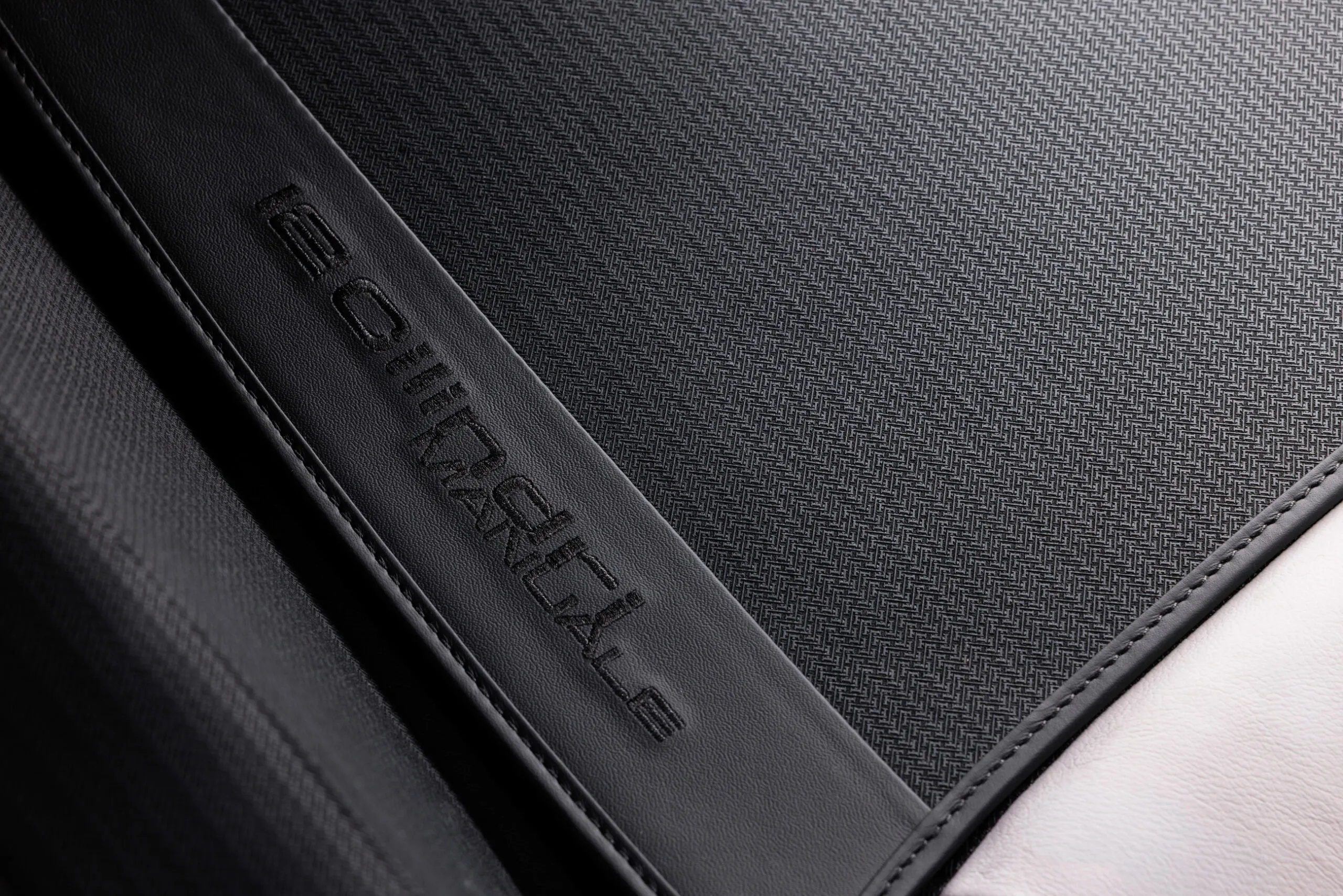
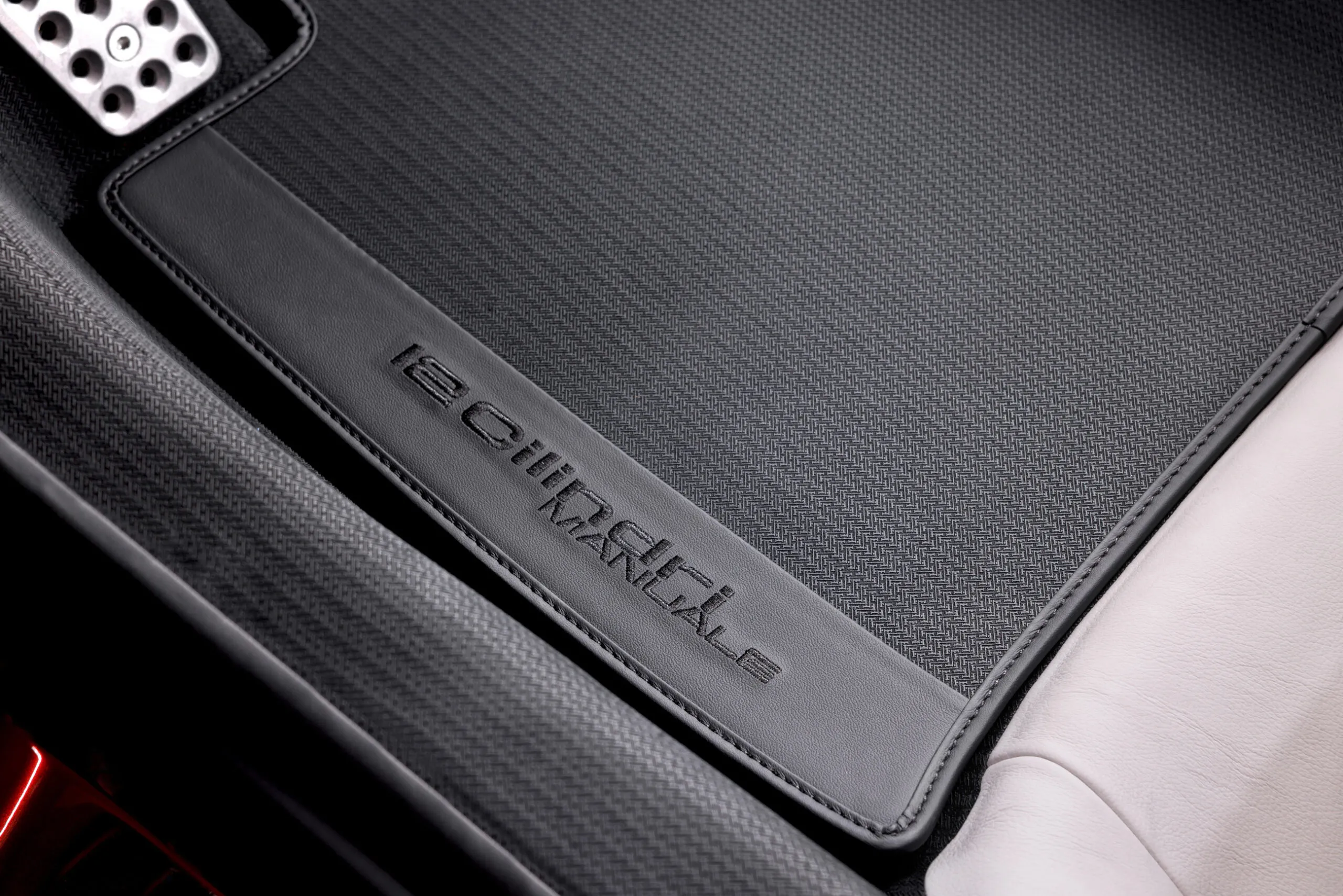
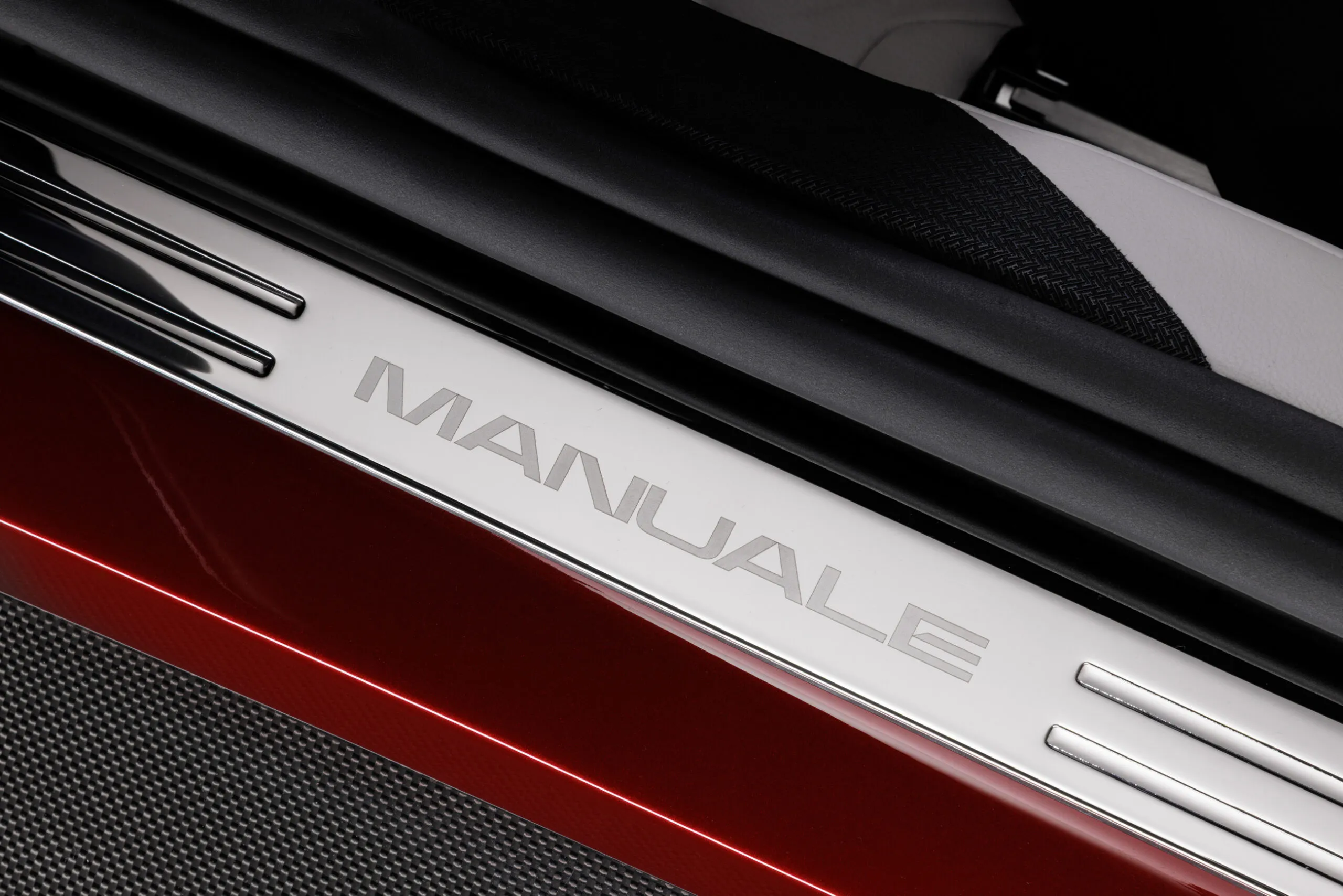
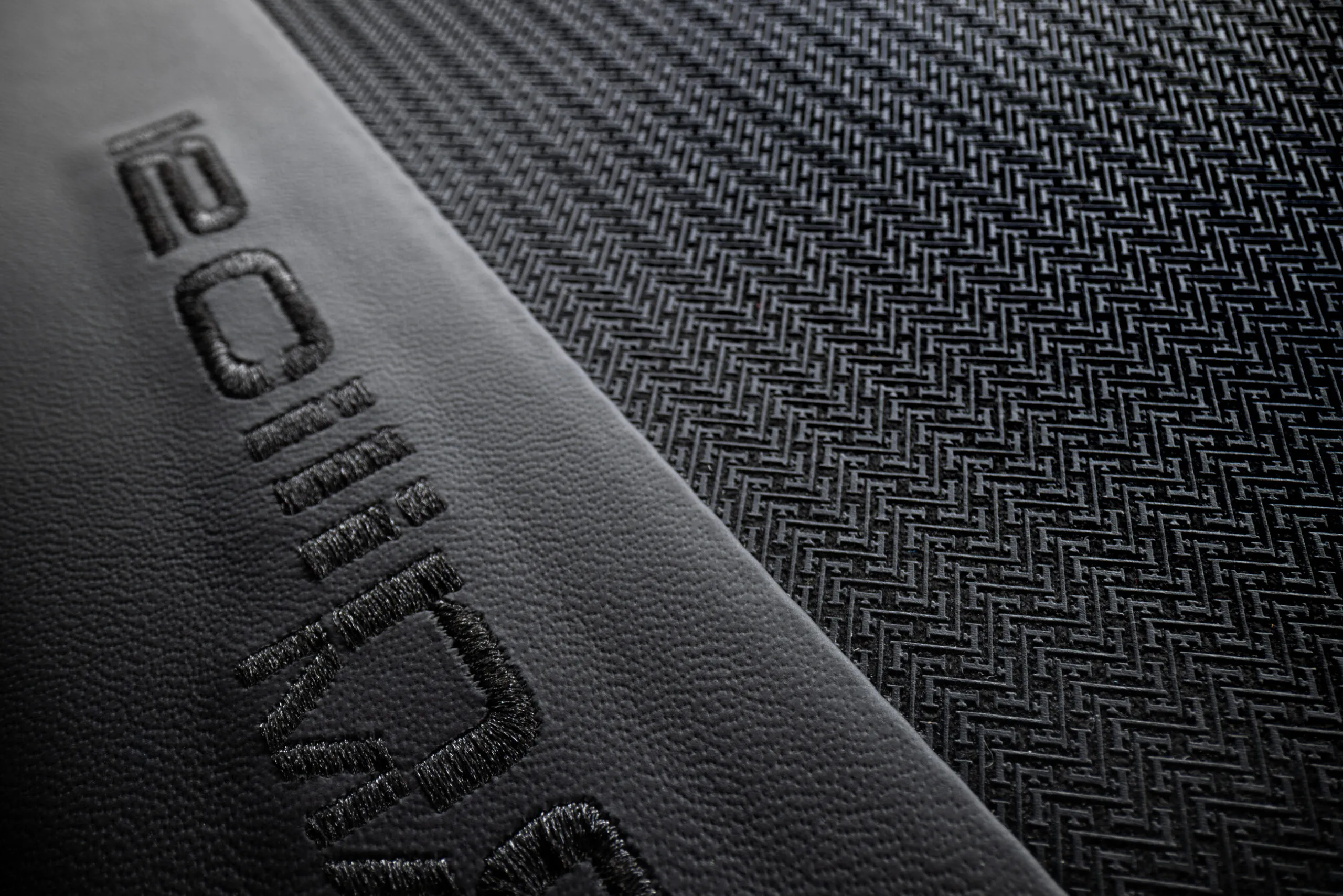
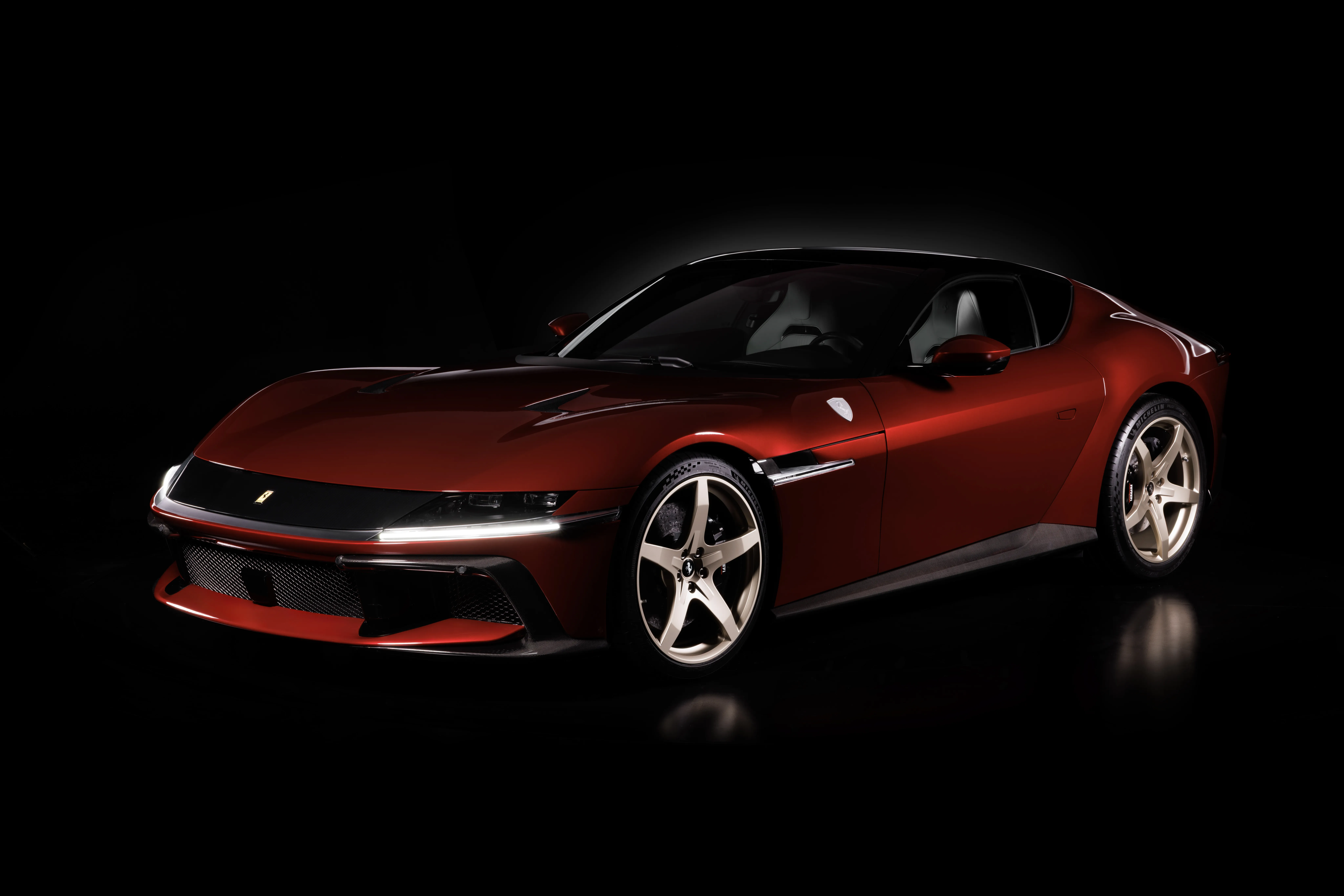
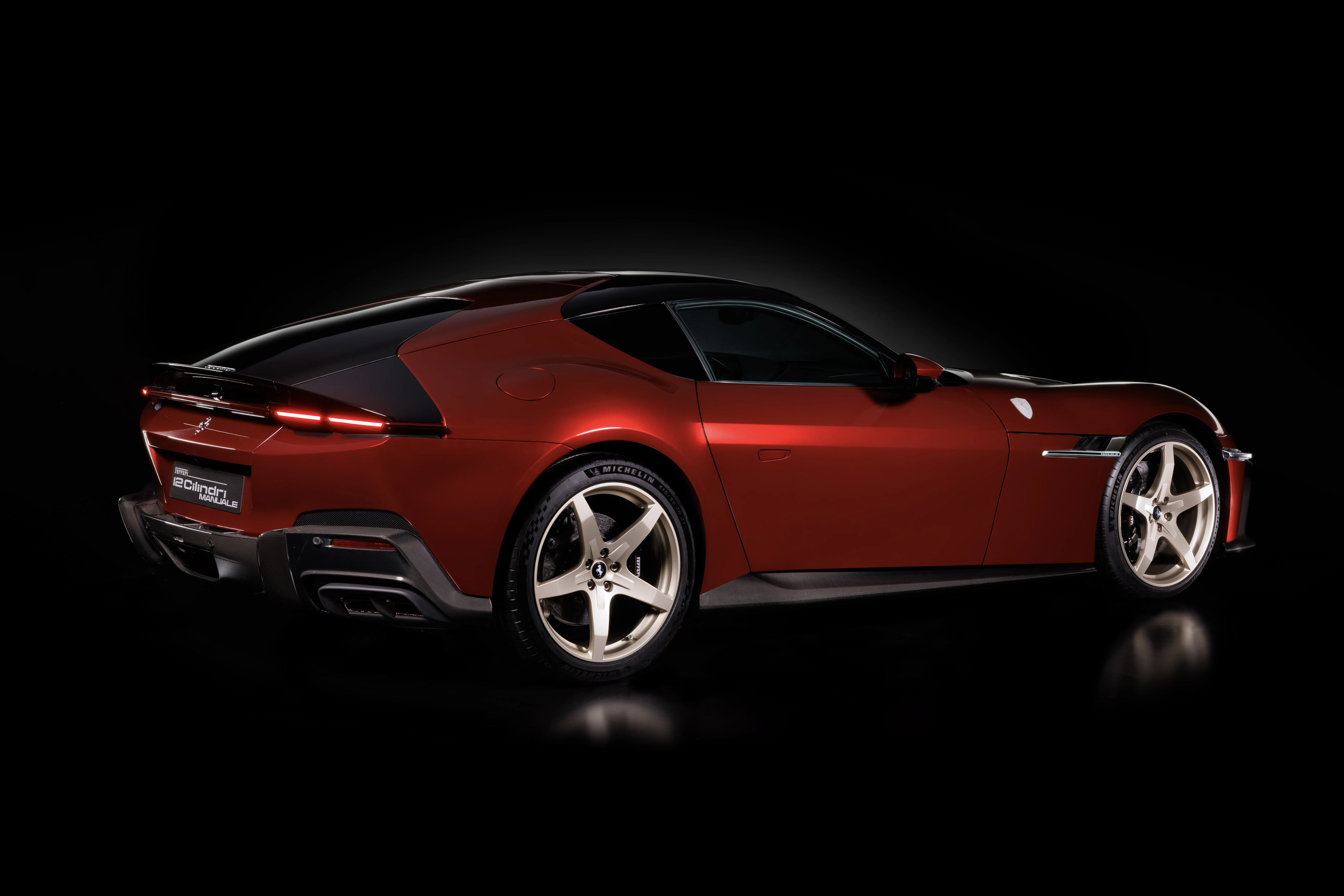
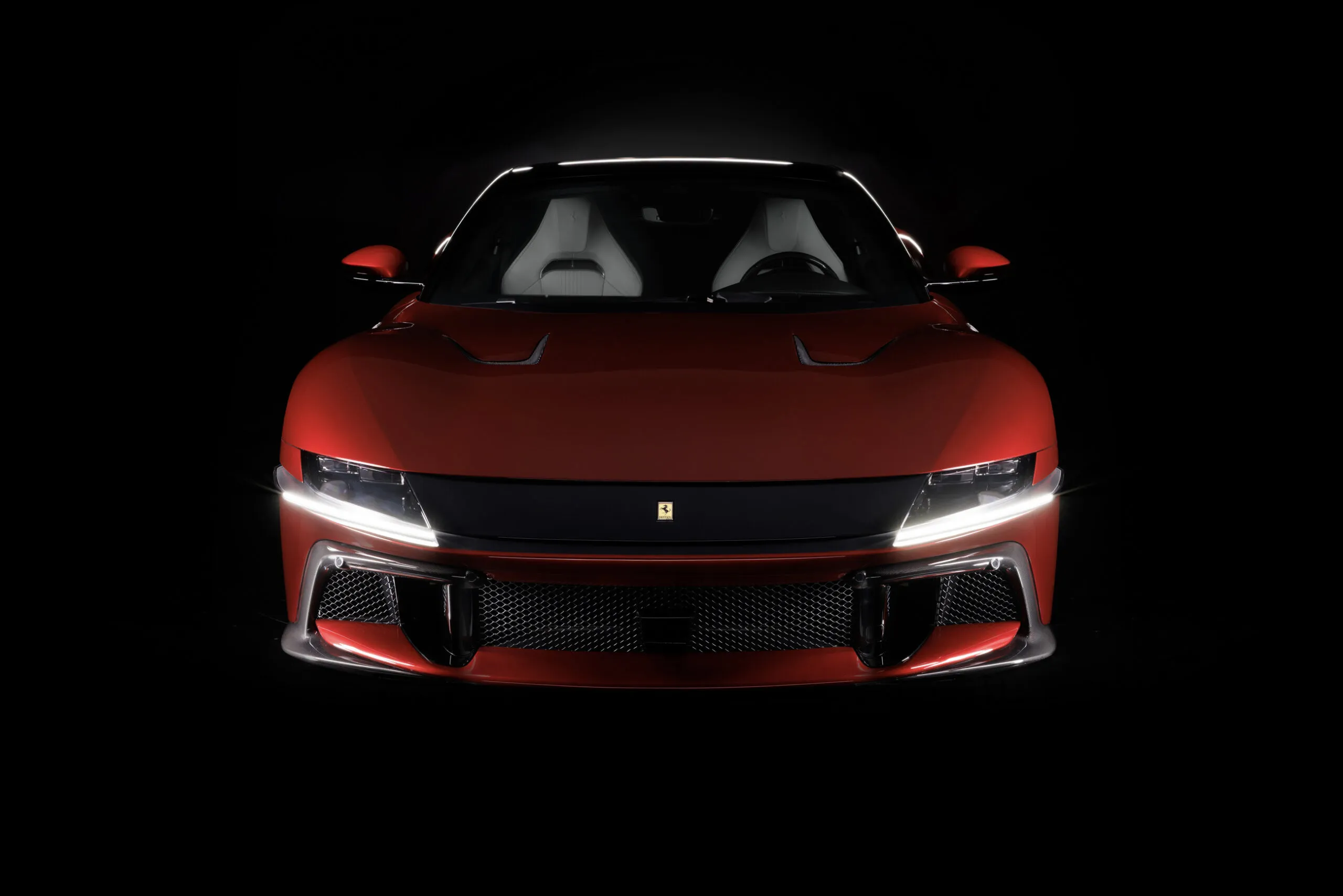
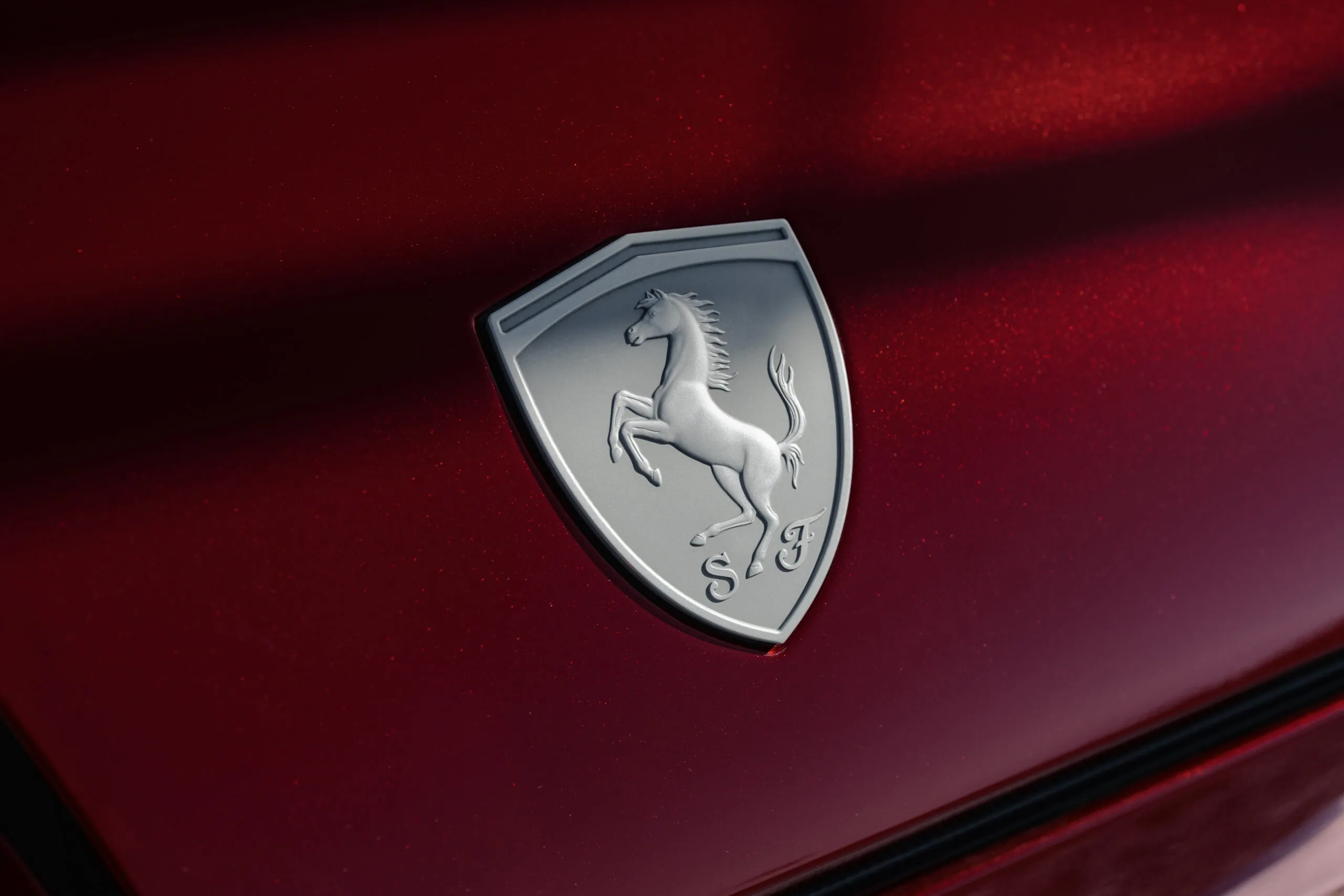
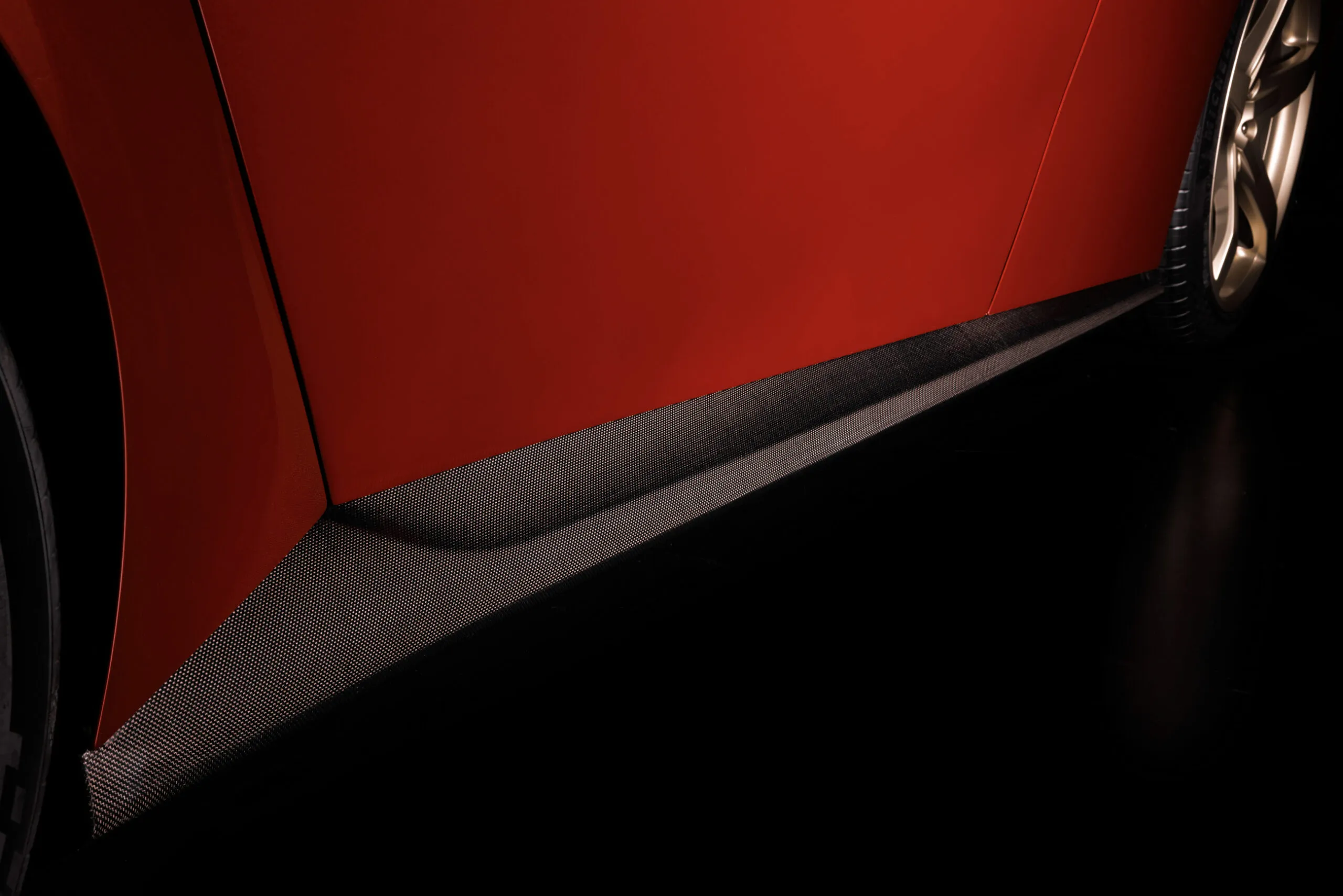
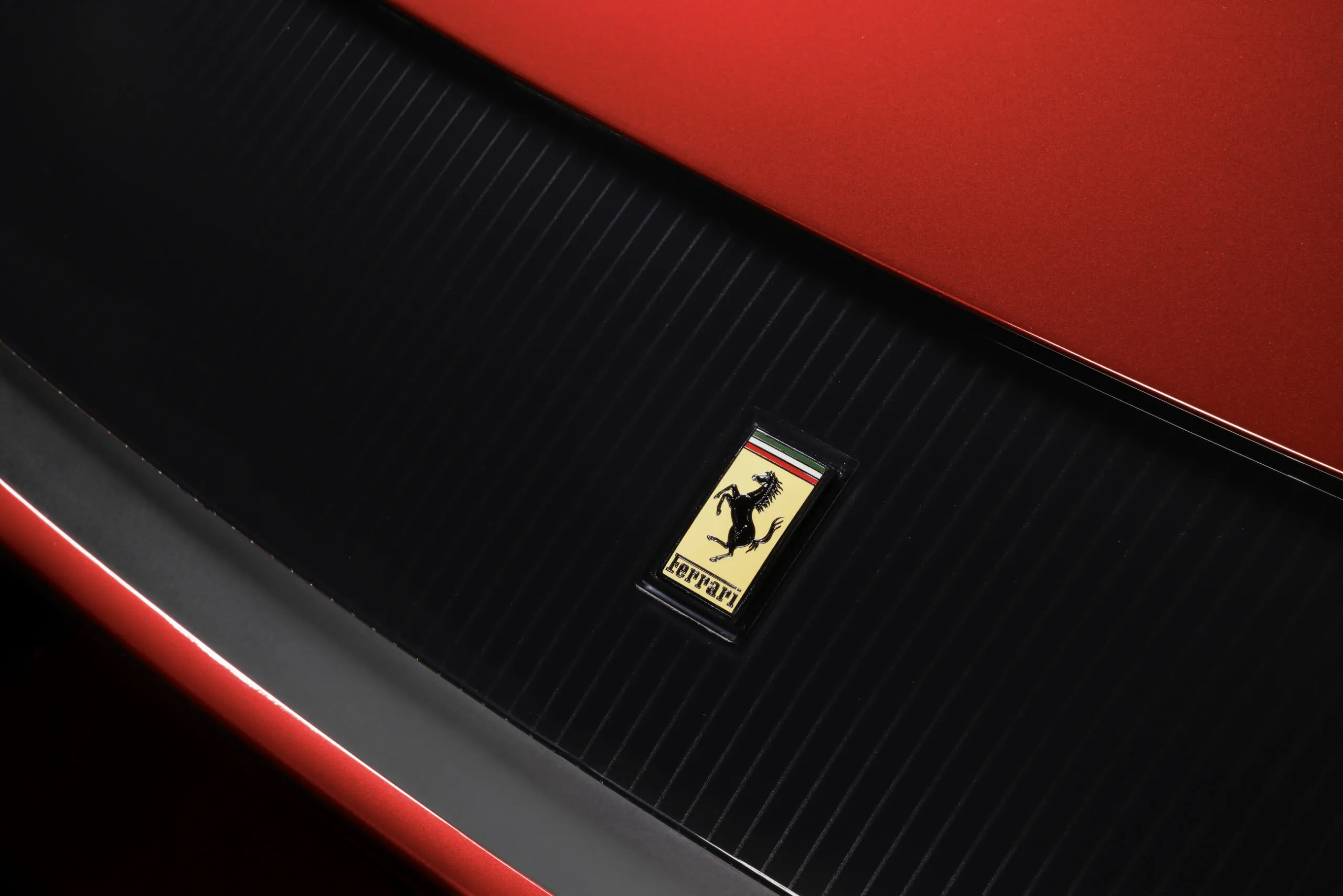
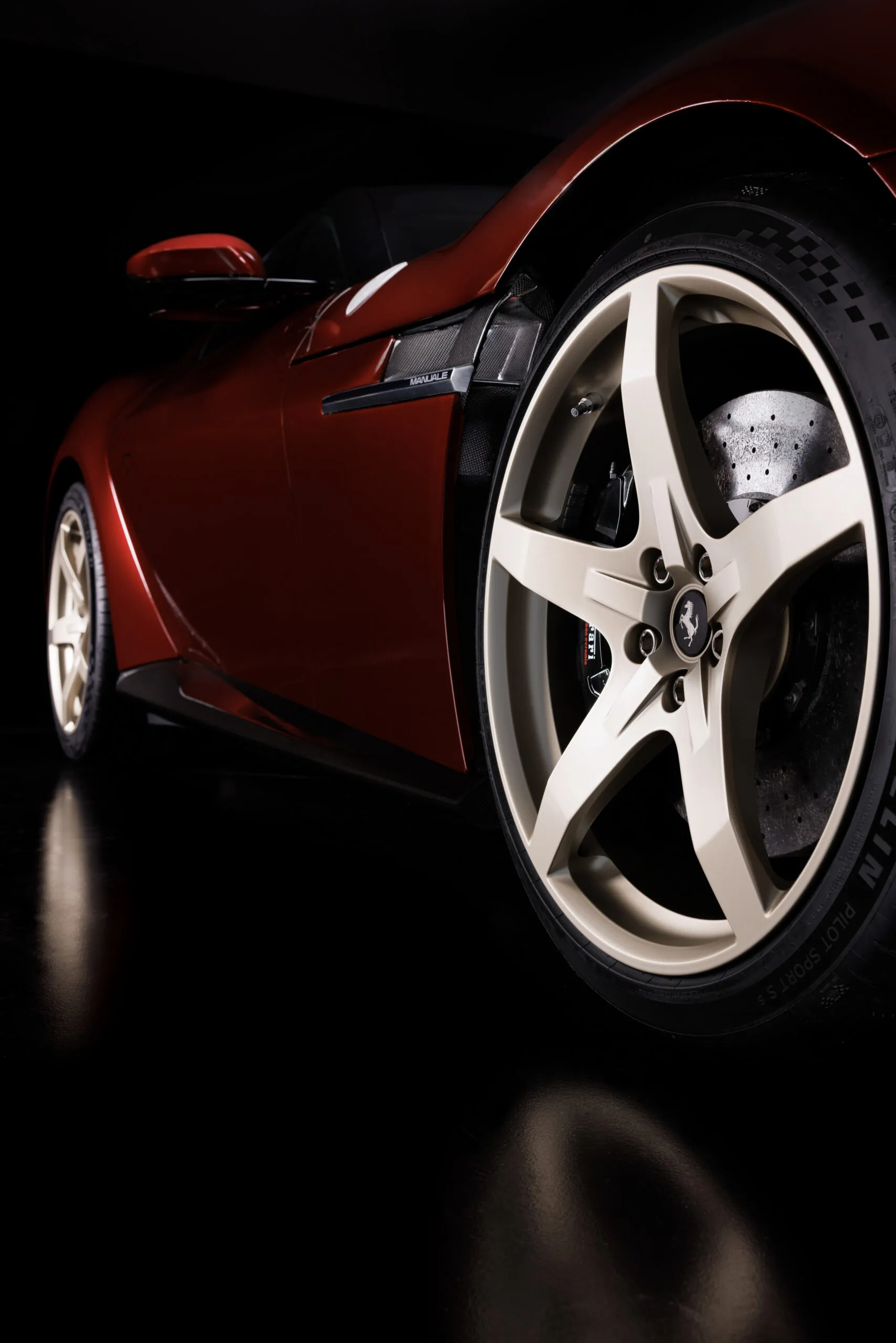
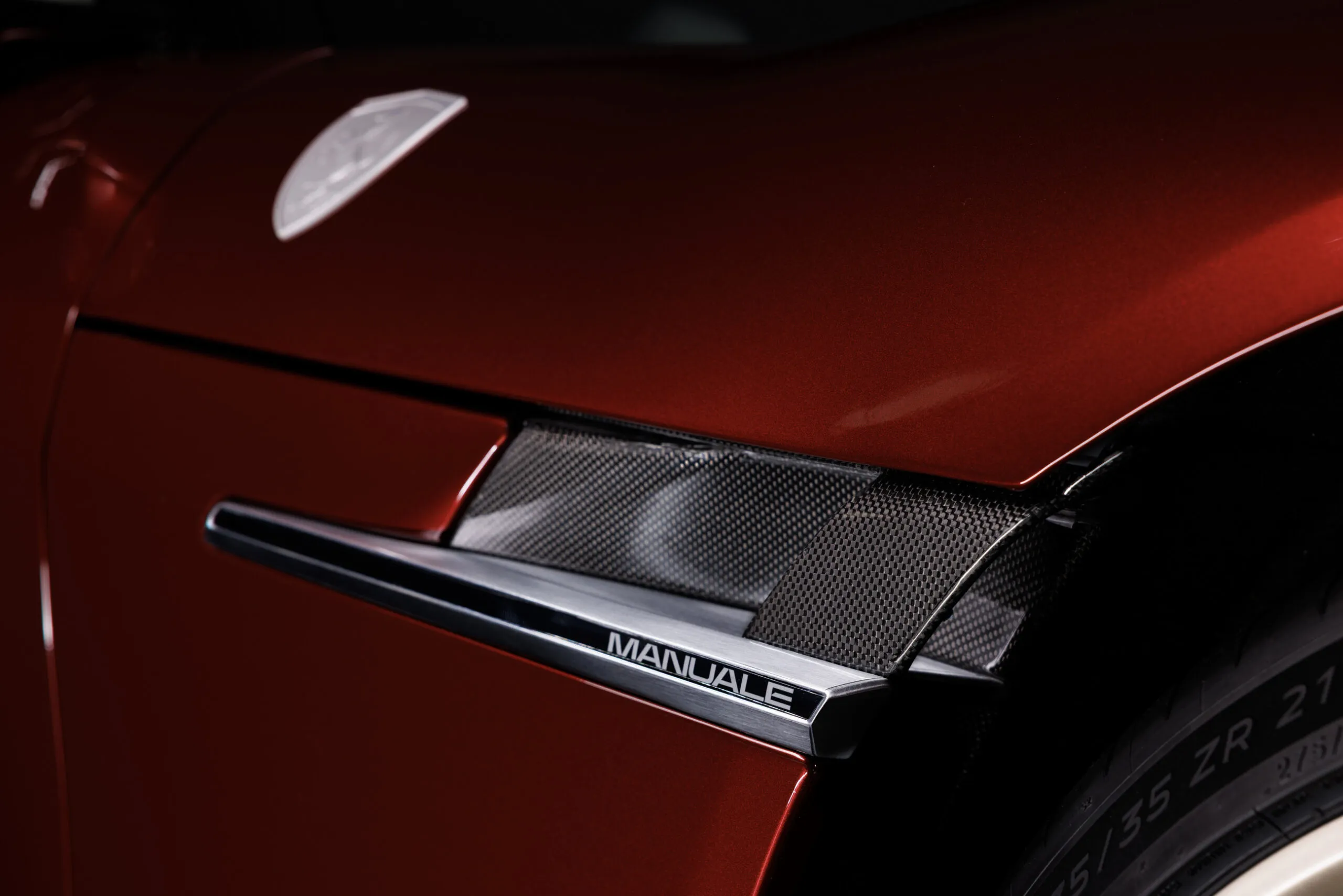
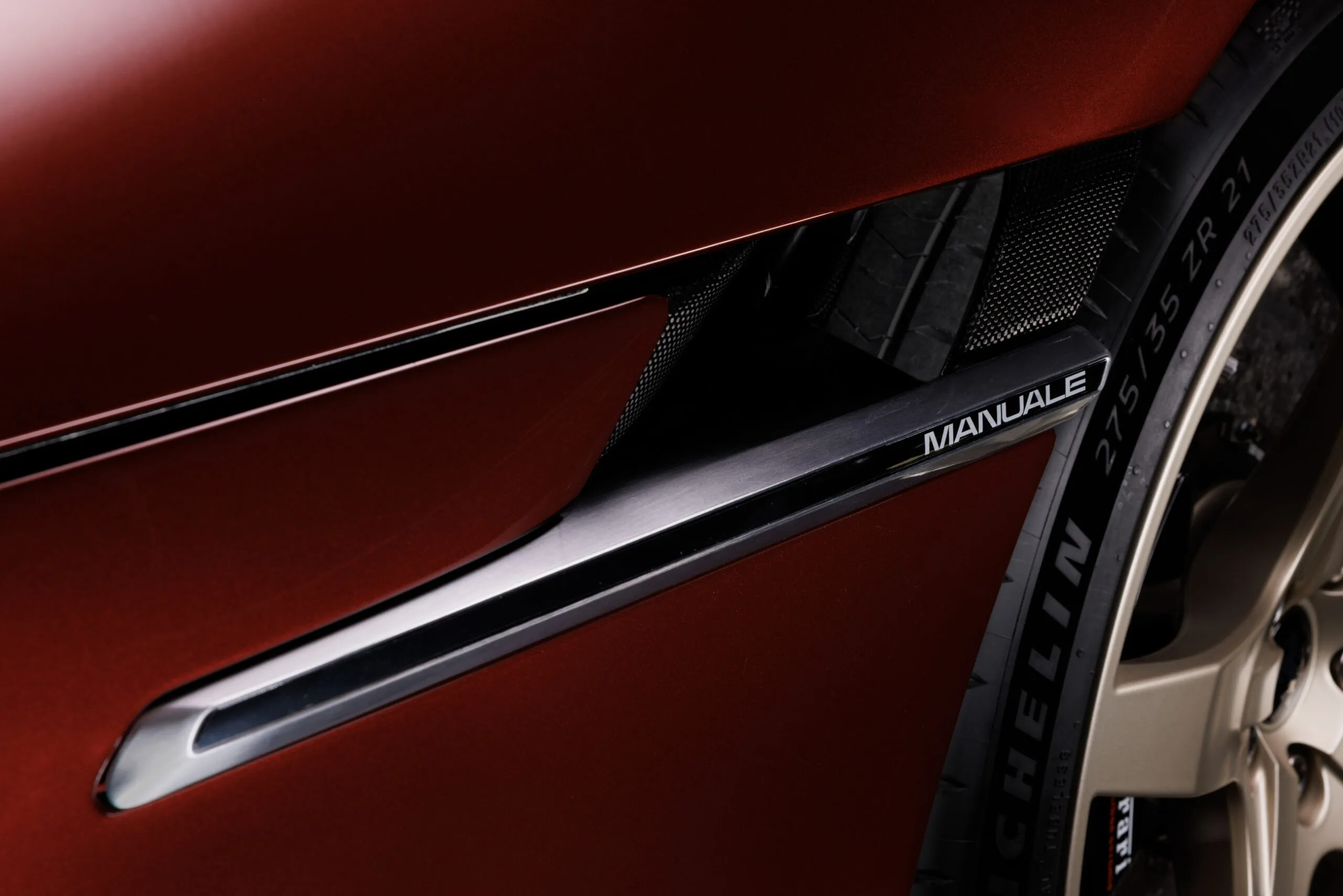
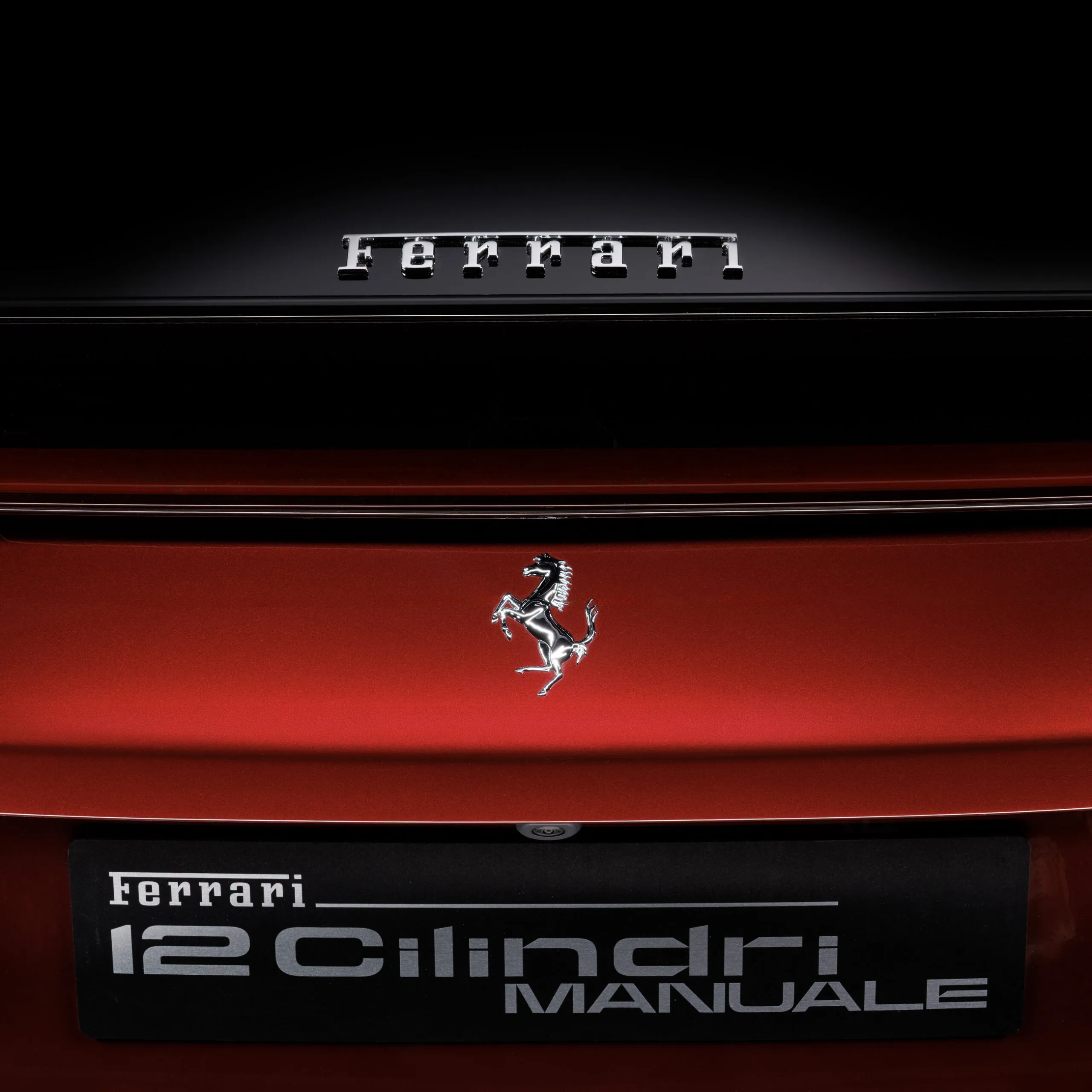
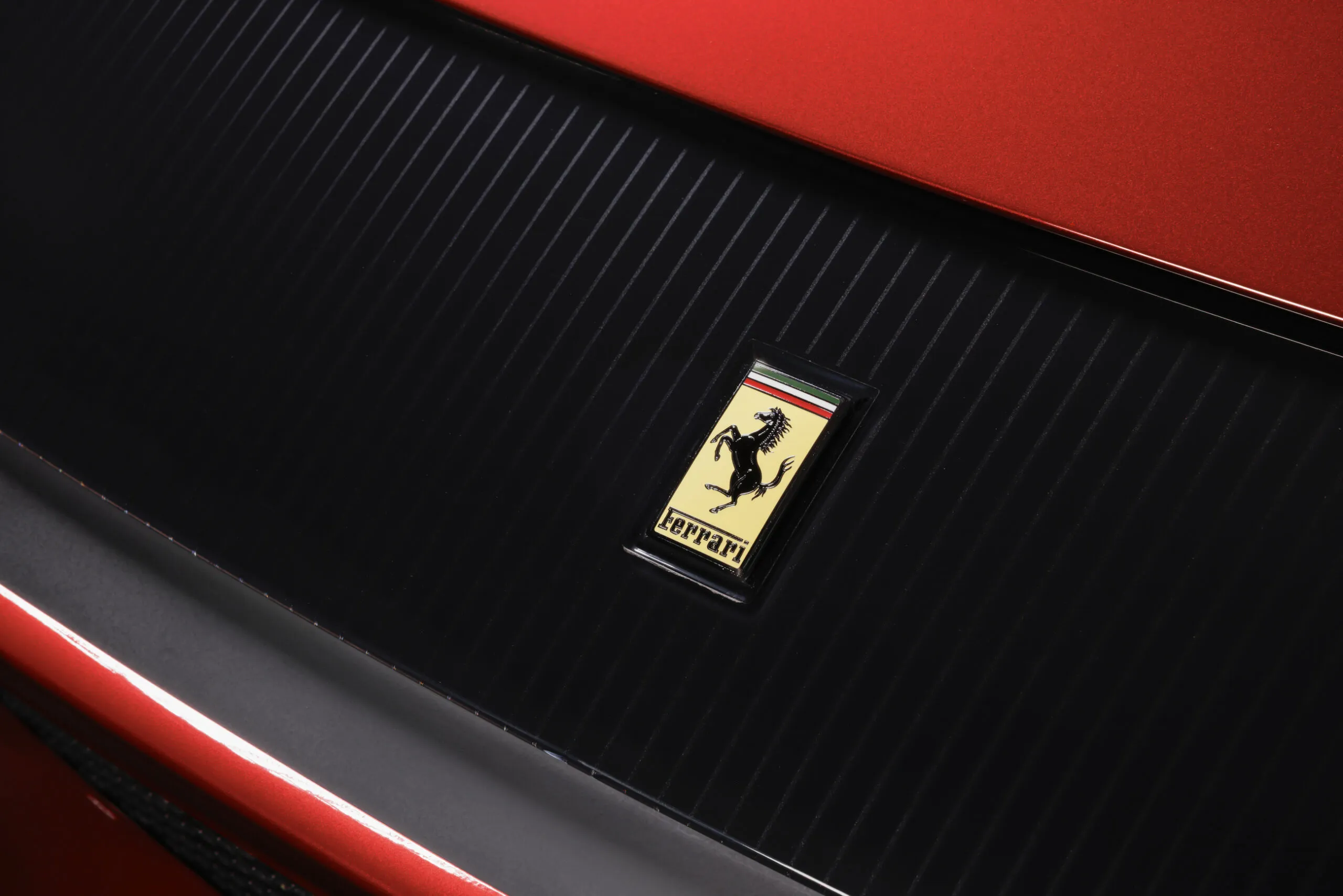
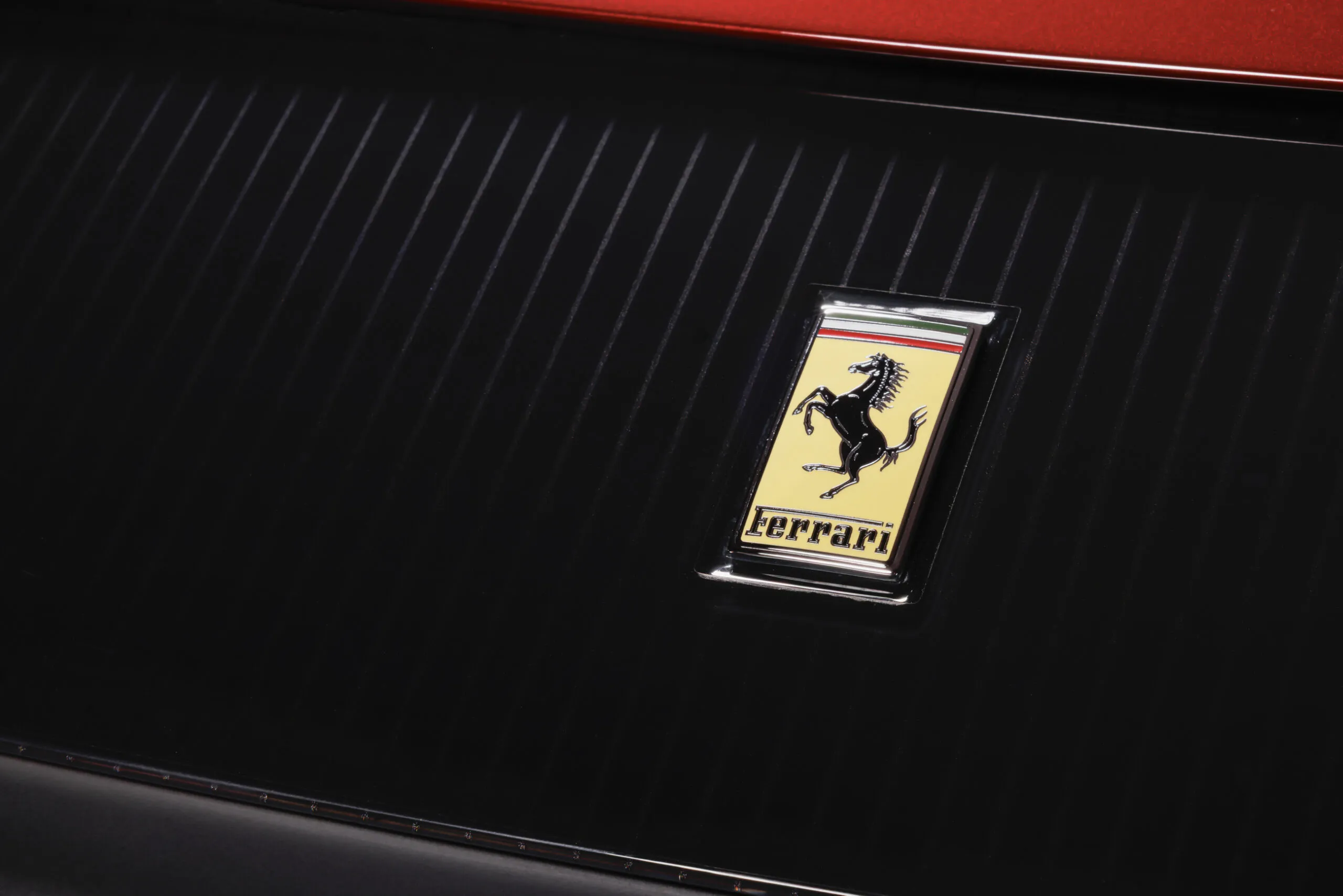
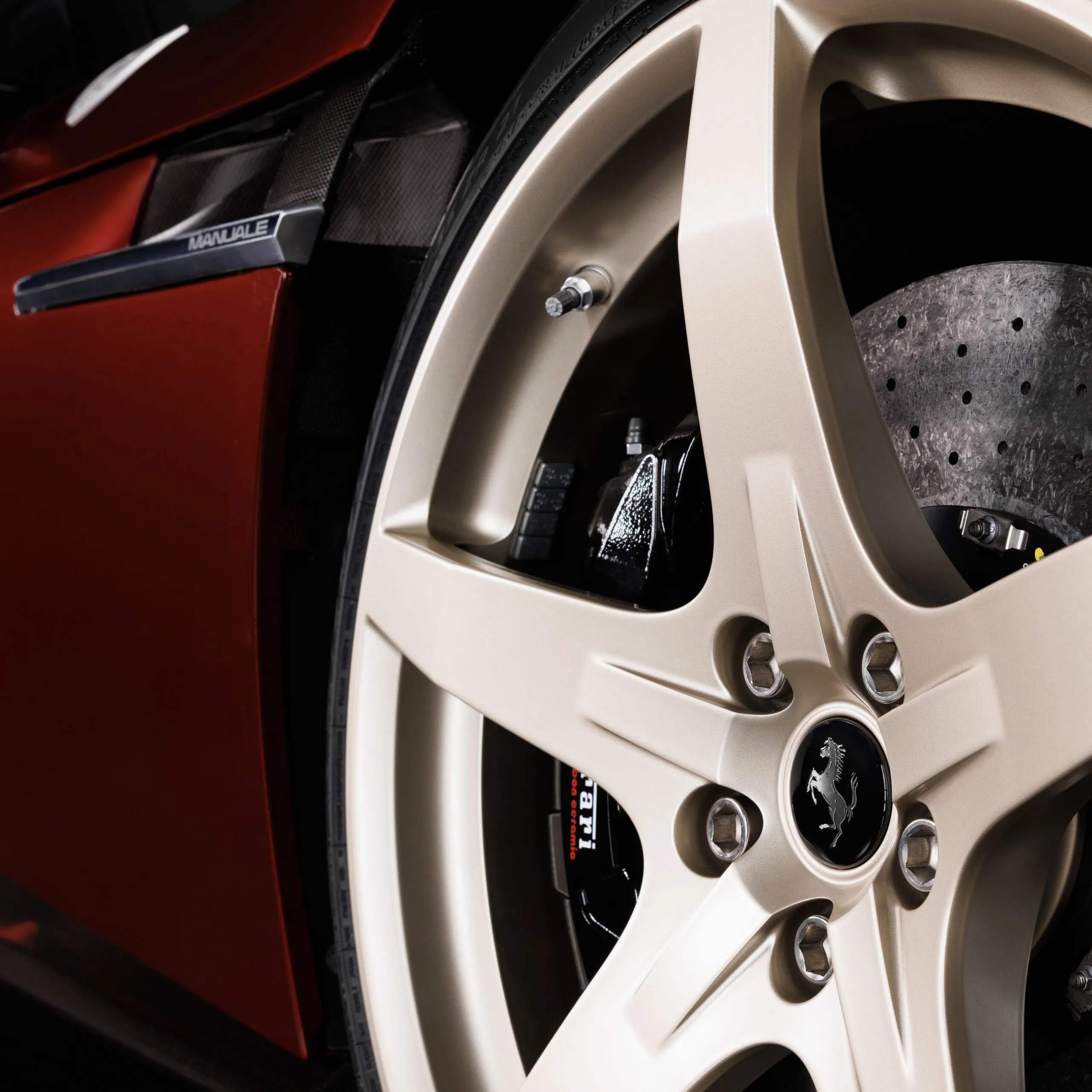
Visually, the Manuale also distinguishes itself from the standard car with exclusive Tailor Made details. These include a laser-etched side badge, heritage-inspired pinstripes referencing the classic 365 GTB4 Daytona, dedicated colors, forged wheels, and optional liveries. Inside, buyers get unique leather, Alcantara, and trim options reserved specifically for the model.
Manuale By-Wire


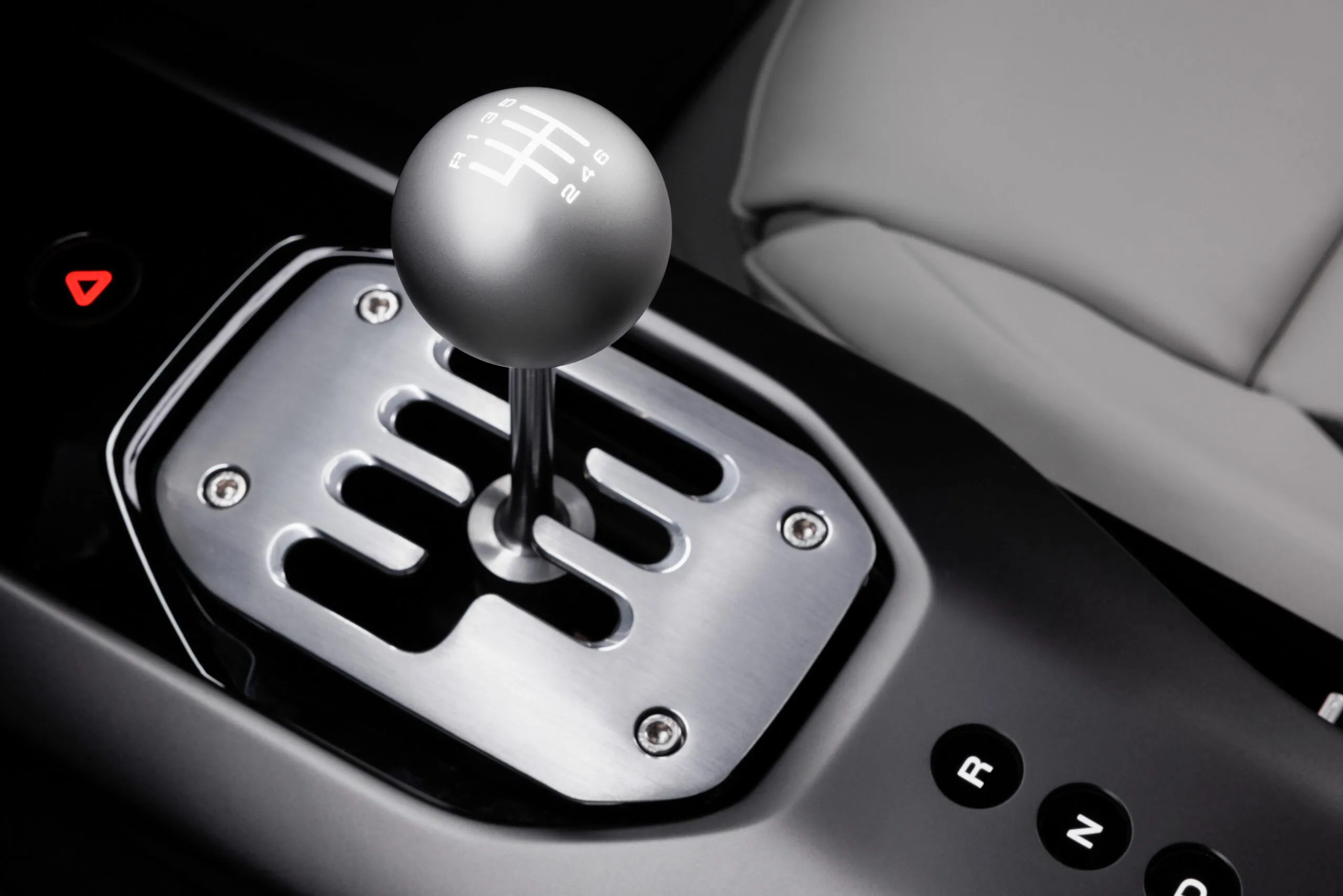
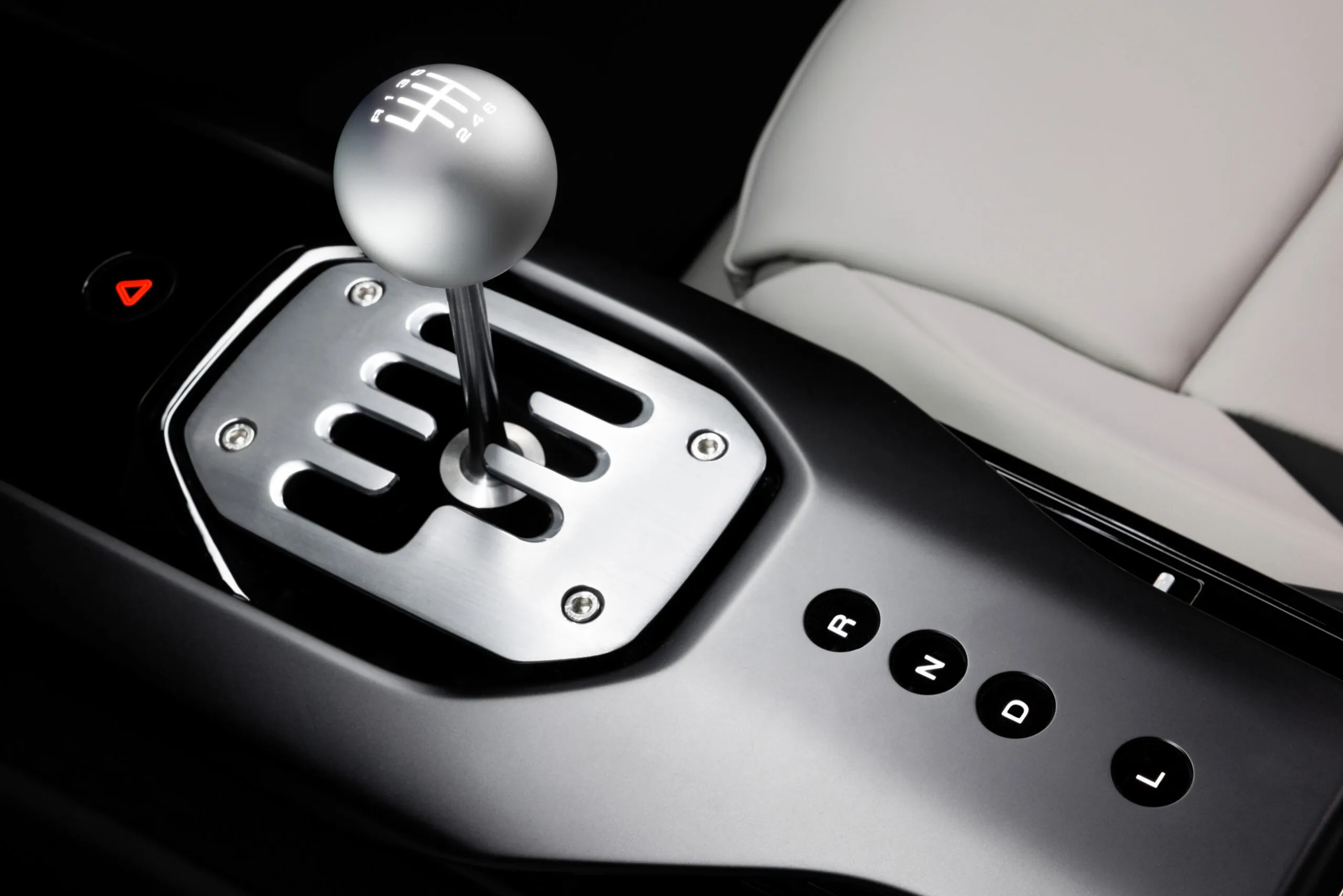
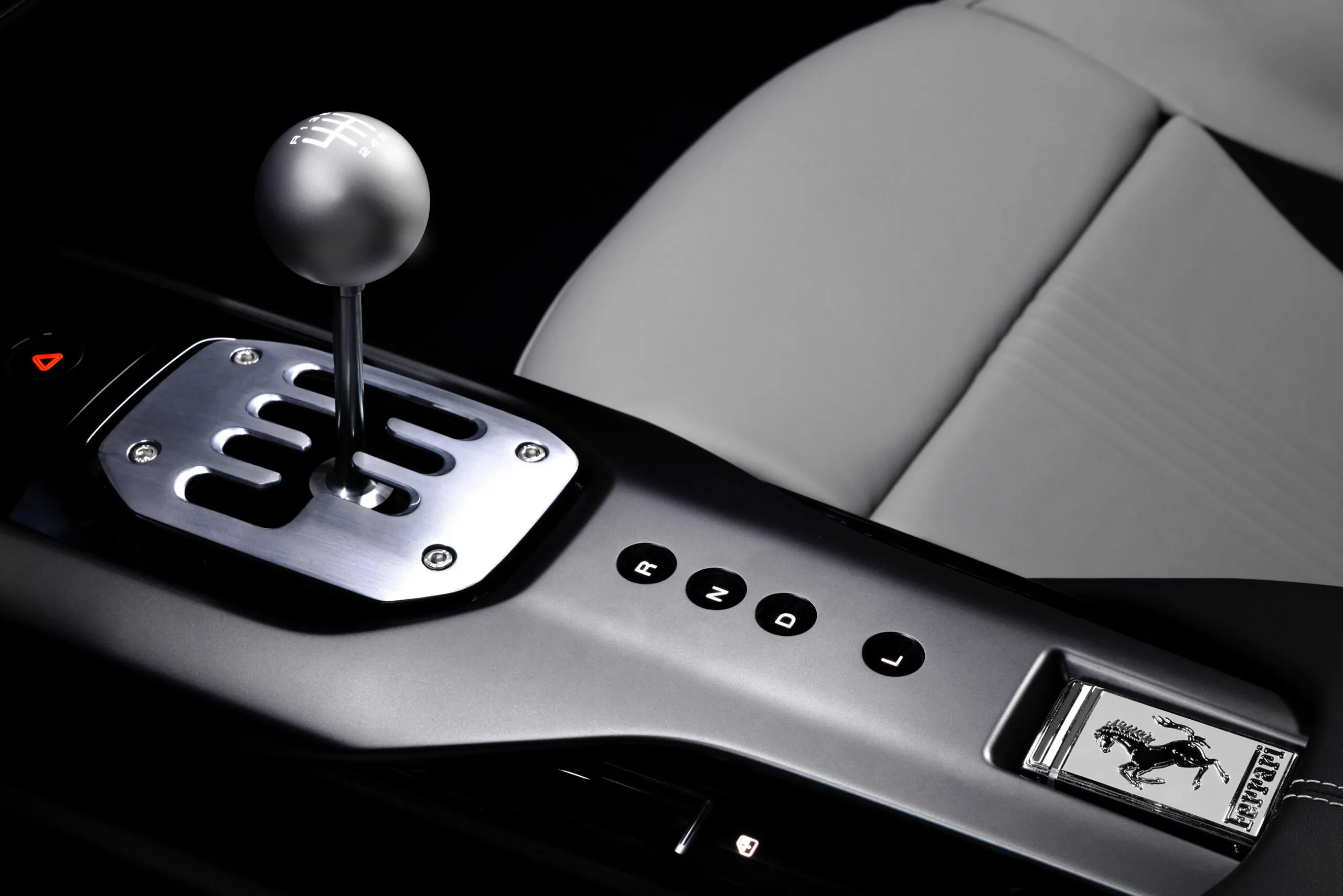
Ferrari
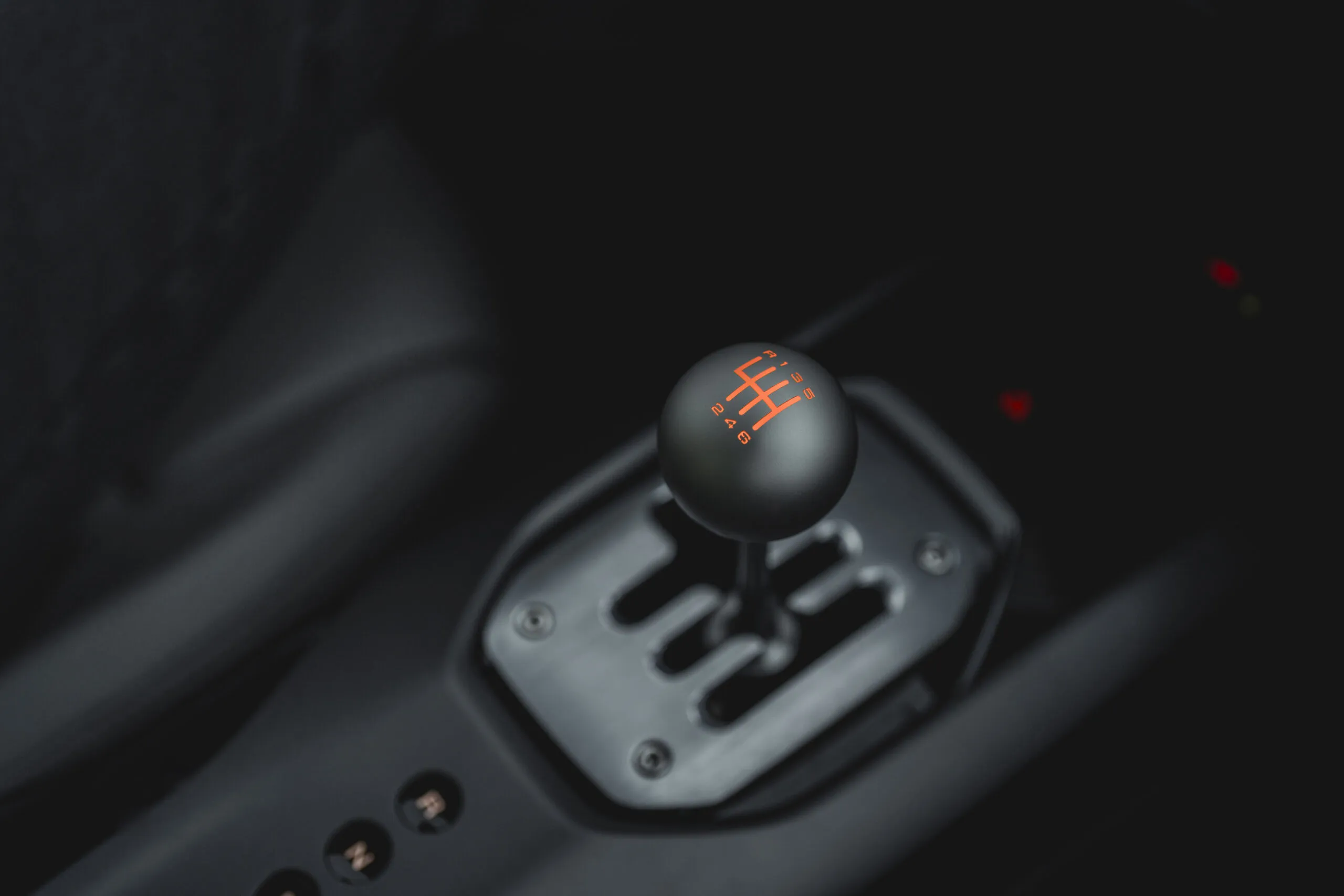
Ferrari calls the system “Manuale By-Wire,” and unlike the gated manuals that made the brand famous, there is no mechanical connection between the shifter, clutch pedal, and the transmission itself. Instead, both the clutch and gear lever communicate electronically with the gearbox through sensors and dedicated control modules. The whole apparatus weighs just 5 kg (11 lbs), with gas-nitrided steel used where wear resistance matters most and aluminum handling the rest.
When the driver depresses the clutch pedal, the input is translated digitally and transmitted to the transmission control unit. Likewise, moving the lever through the gate sends electronic commands rather than physically selecting gears. This isn’t too dissimilar from how Koenigsegg’s Engage Shift System works.
Ferrari
The Italian company says it spent considerable effort ensuring the experience doesn’t feel synthetic. The company developed a dedicated module with sensors and advanced kinematic mechanisms designed to replicate the loads associated with synchronization, engagement, and disengagement during each shift.
Ferrari says that the system as a whole provides enough engagement that drivers could end up experiencing a stuttering launch or even a stall if they mess things up. It’s worth circling back to the Engage Shift System just to say that Koenigsegg also allows users to stall the car if they screw it up. It’ll also prevent drivers from downshifting beyond what they would be able to in a true manual (aside from those who force it and do what we call a moneyshift).
The setup is ultimately connected to the same eight-speed dual-clutch transmission found in the standard 12Cilindri, allowing Ferrari to preserve the performance advantages of its existing gearbox while giving drivers a much more involved experience. It also explains how the company can offer an automatic mode, effectively letting the car switch from a three-pedal grand tourer into a conventional automatic when desired.
The gate itself only covers six speeds, though, so the car quietly hands control back to that automatic to reach seventh and eighth, and again when launch control is doing the work off the line. With the paddles gone, manual mode engages only below 60 mph (97 km/h), where the driver dips the clutch and selects a gear.
Power On Tap
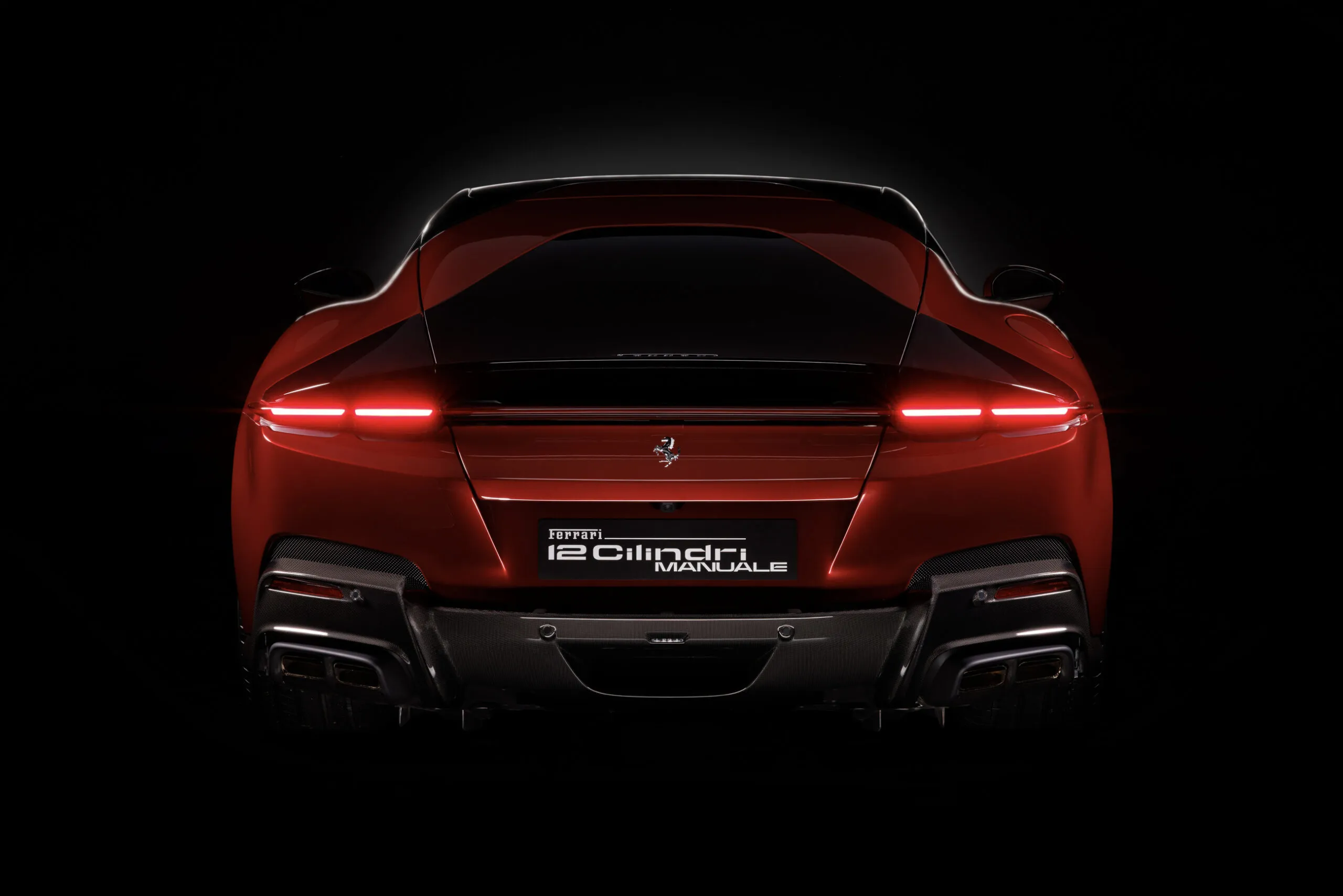
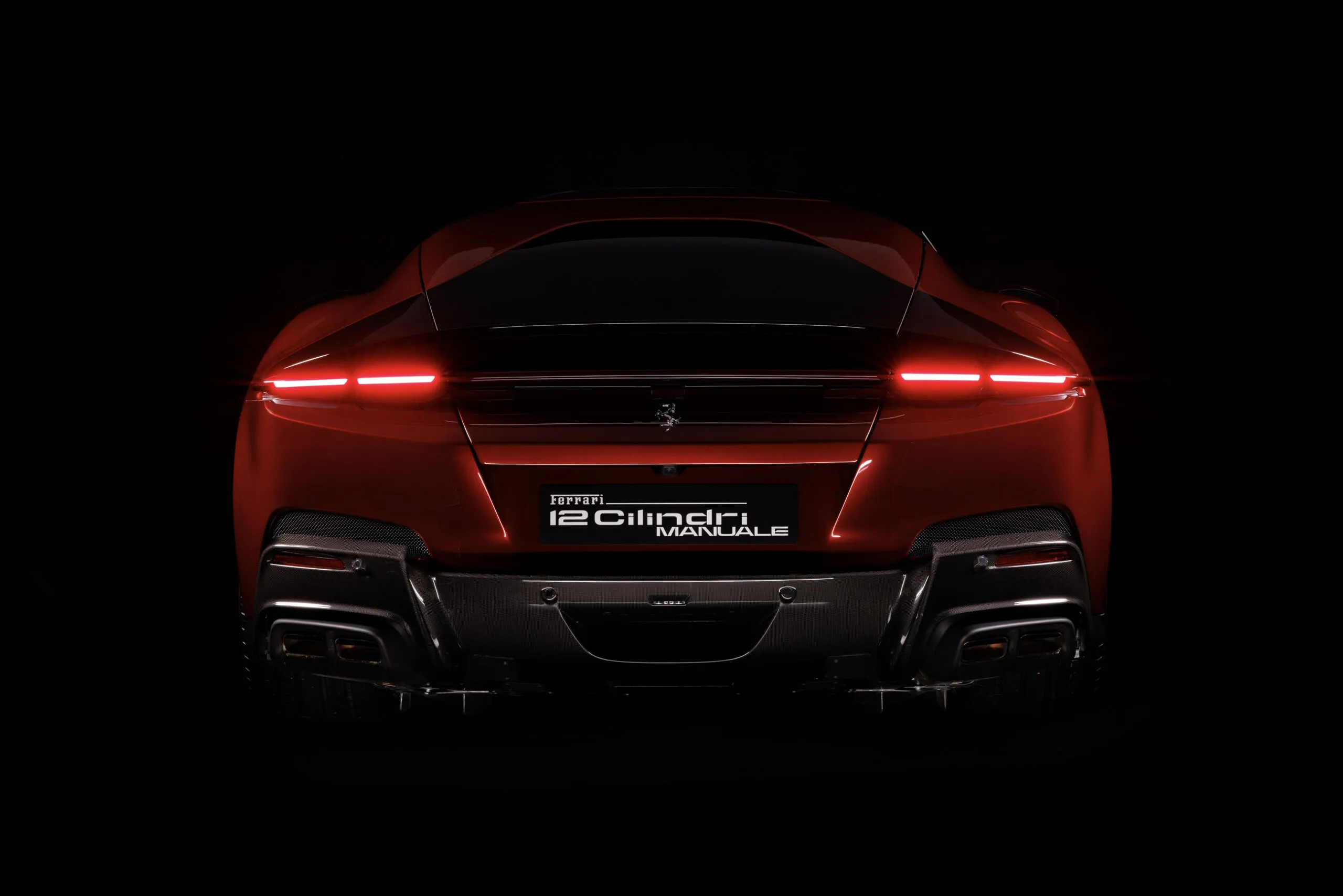
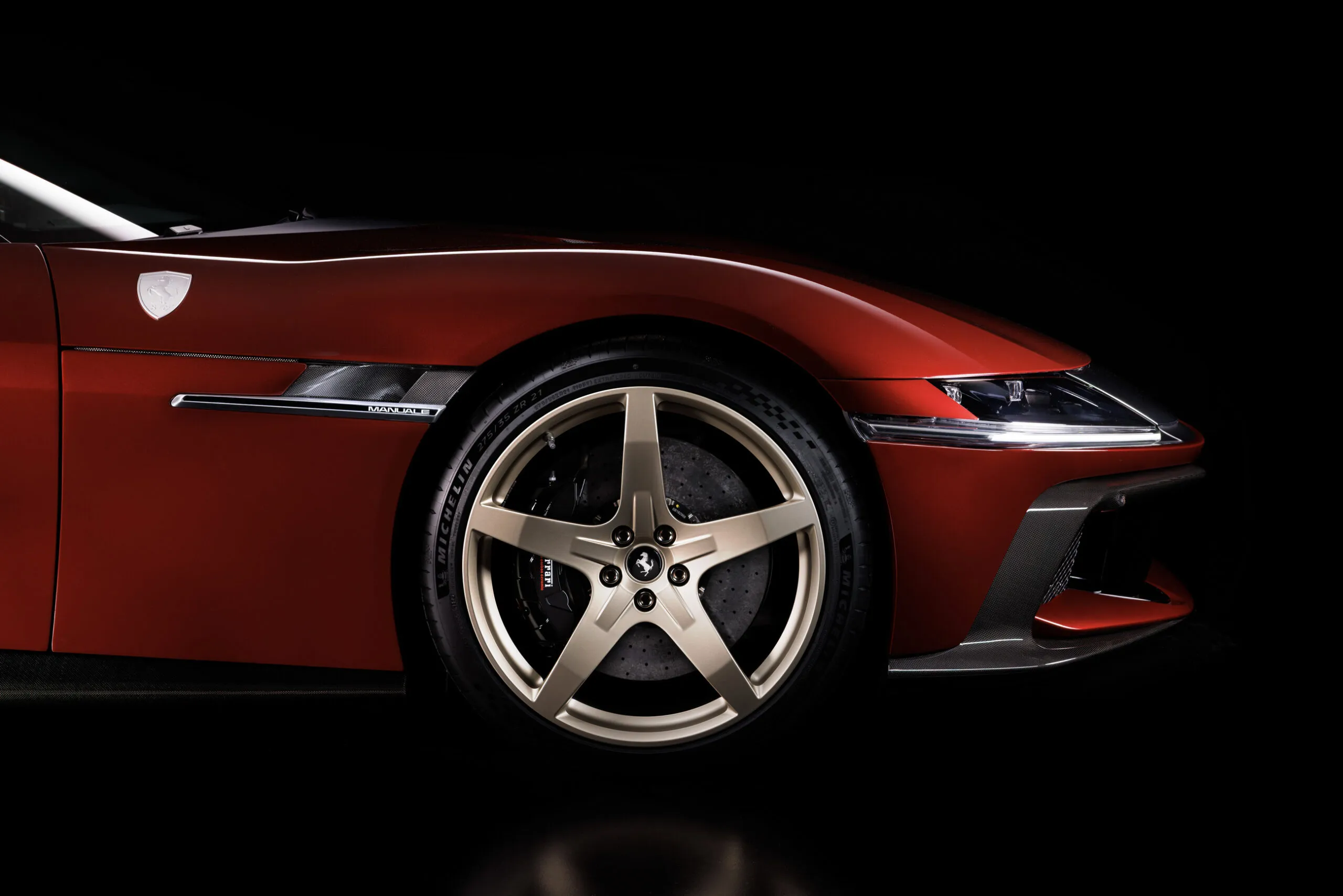
Ferrari
Automakers will often say that a manual gearbox often requires sacrificing some power in consideration of longevity. BMW did that with its new manually equipped M3, for instance. Ferrari didn’t, and we can all thank the fact that this is still, at its core, an automatic for that. The car is even homologated as one.
The naturally aspirated 6.5-liter V12 continues to produce 819hp and 500 lb-ft (678 Nm) of torque. It still revs to a remarkable 9,500 rpm, launches from 0-62 mph (100 km/h) in 2.9 seconds, reaches 124 mph (200 km/h) in less than 7.9 seconds, and tops out above 211 mph (340 km/h).
Pricing And Availability
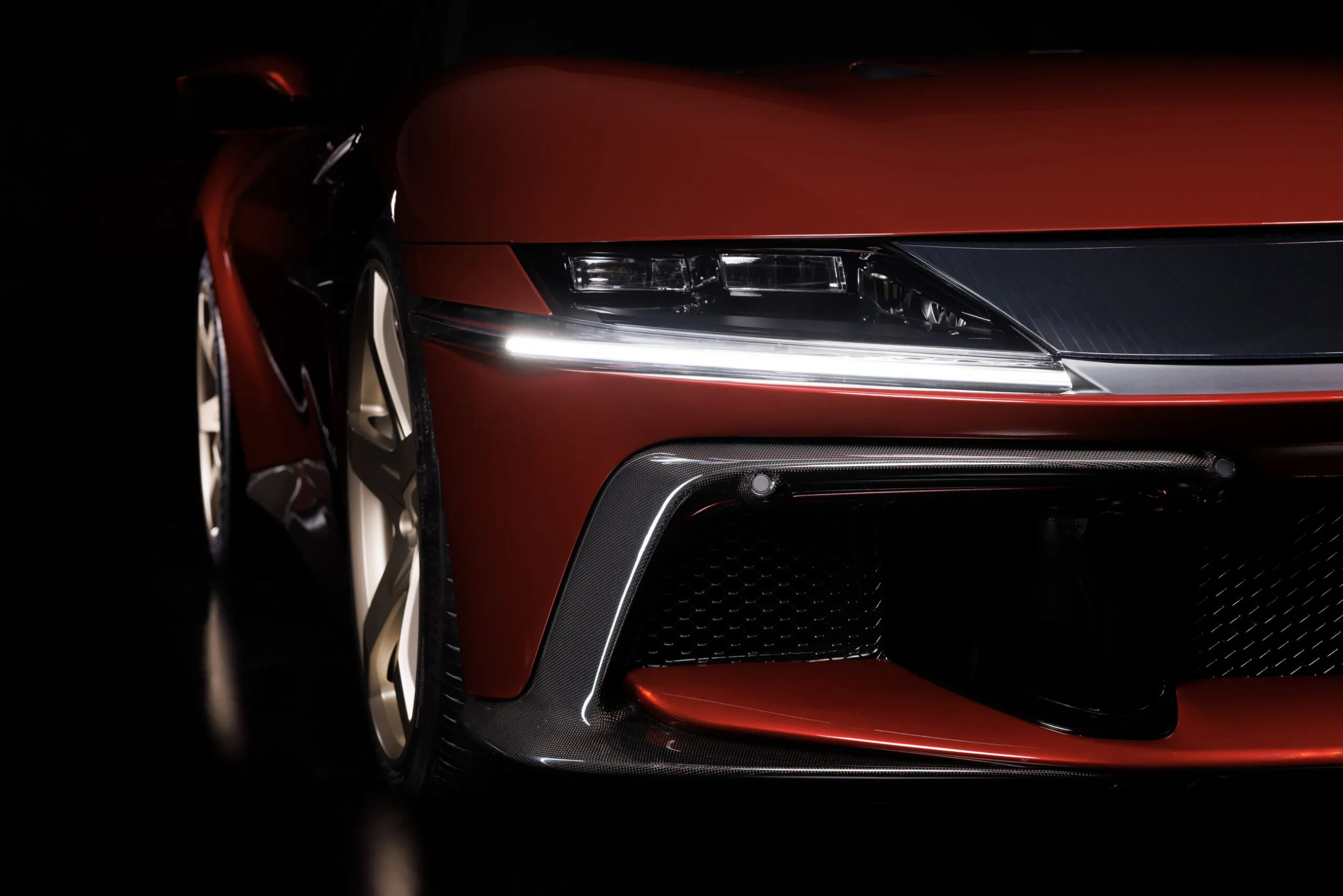

Photos Ferrari
Ferrari is making just 1,499 examples of this car, and all will go through its Taylor Made system so no two will be the same. Pricing in Europe starts at €590,000 ($675,000), nearly €200,000 ($228,000) more than a standard 12Cilindri, and that’s before prospective owners add a single option. Deliveries begin in early 2027, and Ferrari has already conceded the run is effectively sold out.