









- The US military wants new trucks that can double as mobile charging units.
- Ford has secured a contract to create three Super Duty military prototypes.
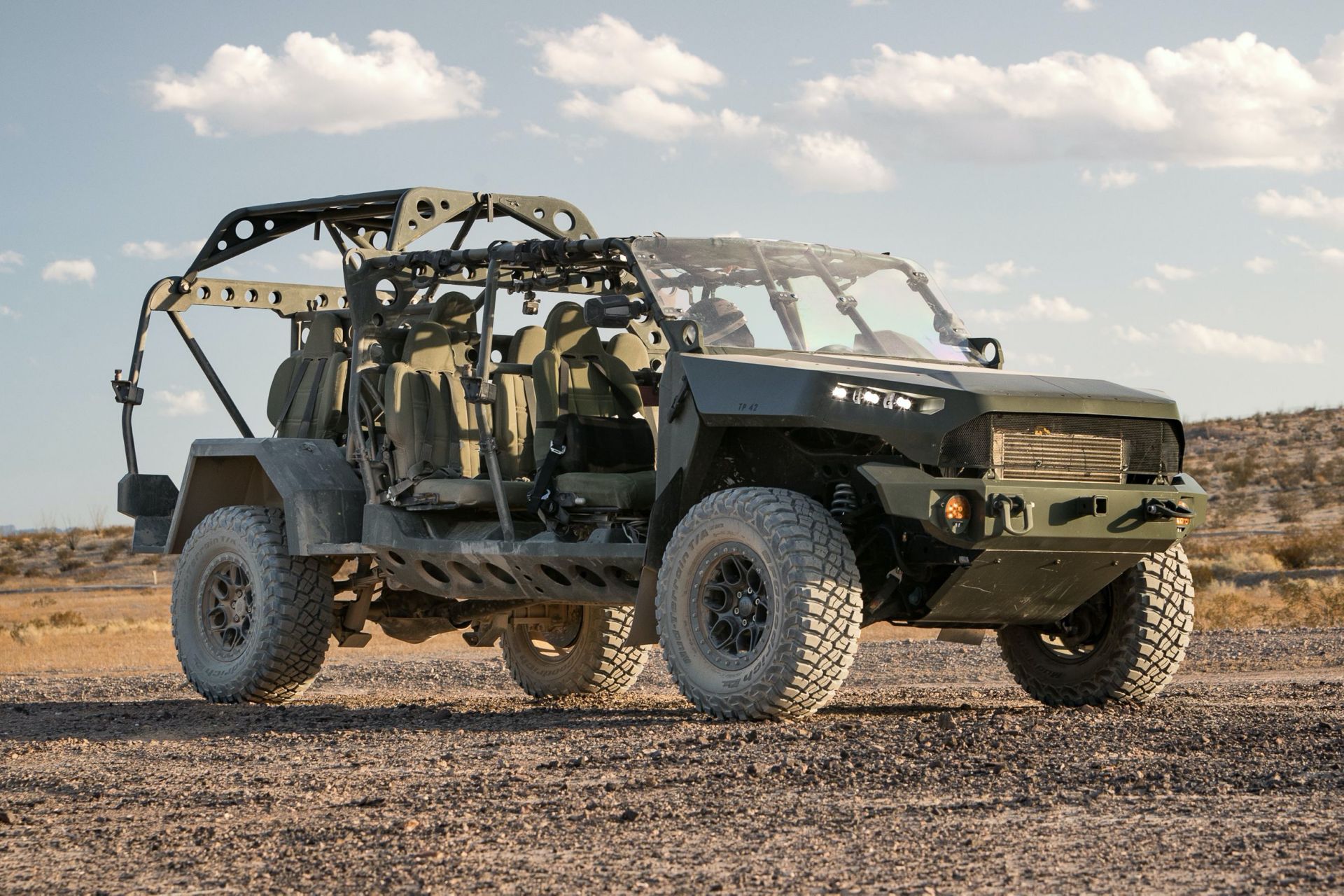
- GM already has a $1 billion military contract to supply infantry squad vehicles.
Ford is going head to head with cross-town rival General Motors to build the US Army’s next tactical truck, and it has real ground to make up before anyone hands it a multi-million-dollar military contract. The Blue Oval spent decades away from this fight, and now it wants back in.
The Army is shopping for roughly 600 new trucks, and it has already awarded prototype contracts to GM, Ford, and off-road specialist BC Customs. All three will build vehicles for delivery and testing next year, which is when the real evaluation starts.
Read: Governments Are Tired Of Expensive Military Trucks. Ford Has A Cheaper Idea
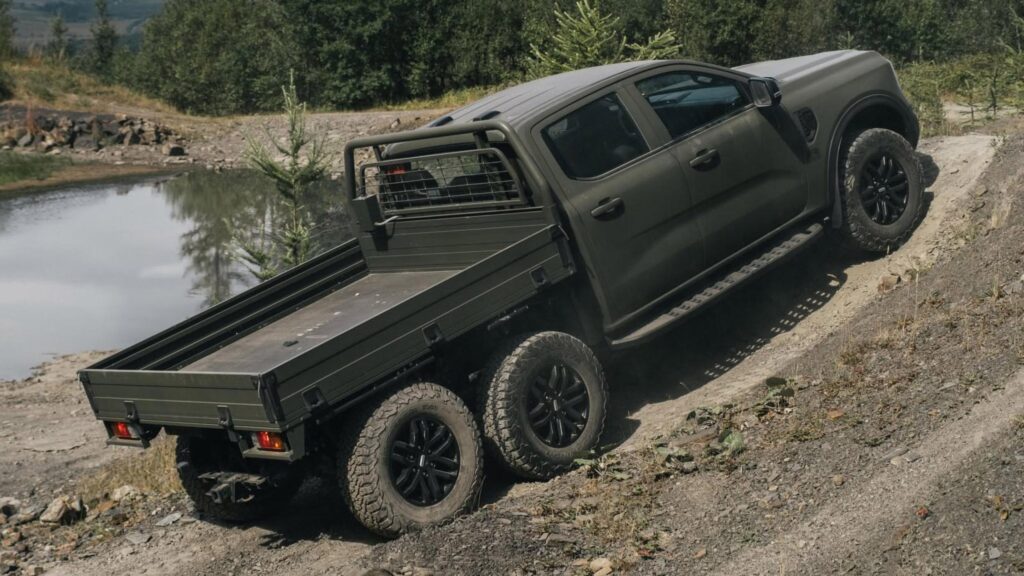
The Wall Street Journal reports that Ford will develop three prototypes under the contract, each based on the F-Series Super Duty. How Ford plans to turn its best-selling pickup into something fit for the armed forces isn’t clear, but the Army has said it needs the vehicles to work as mobile charging units for drones and advanced command-and-control systems.
Ford is well poised to deliver on this front. Its Pro Power Onboard system serves as a built-in generator for consumer-focused models, providing external power of between 2.0 kW and 9.6 kWh through 120-volt and 240-volt plugs.
Can Ford Compete With GM?
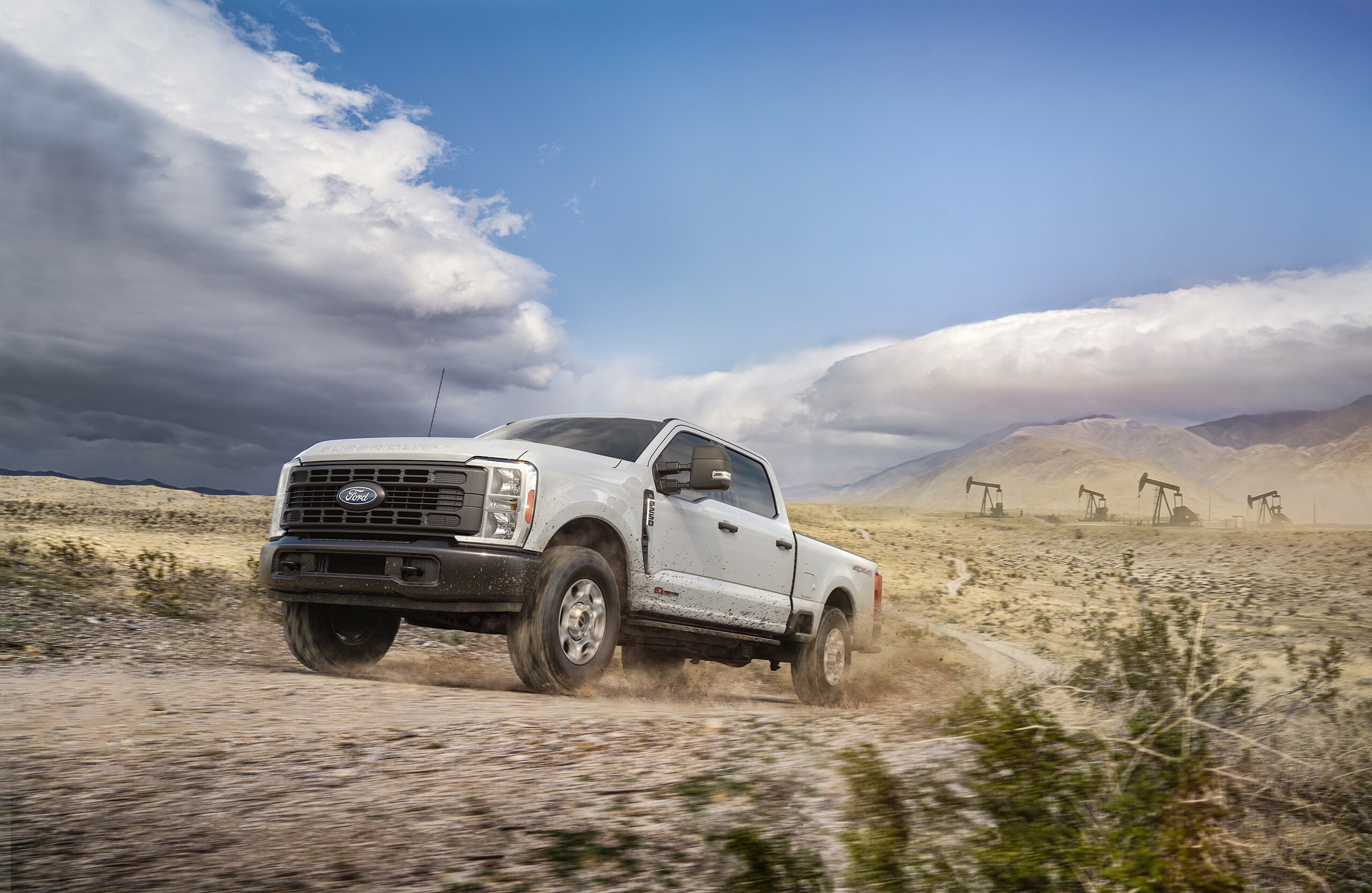
However, Ford will have to push hard if it wants to eat into GM’s military business. Whereas Ford largely exited the defense business in the 1990s, GM Defense has established itself as a hugely important player in this industry, recently securing a $1 billion deal to build 10,000 infantry squad vehicles for the US.
In addition, military officials have already started testing heavy-duty versions of its Chevrolet Silverado, designed specifically for the military. In addition, GM wants to grow into heavier military hardware, including munitions.
Earlier this year, Ford chief executive Jim Farley said the company was in talks with the Pentagon for multiple defense-related projects, although it has yet to land a contract of substance.