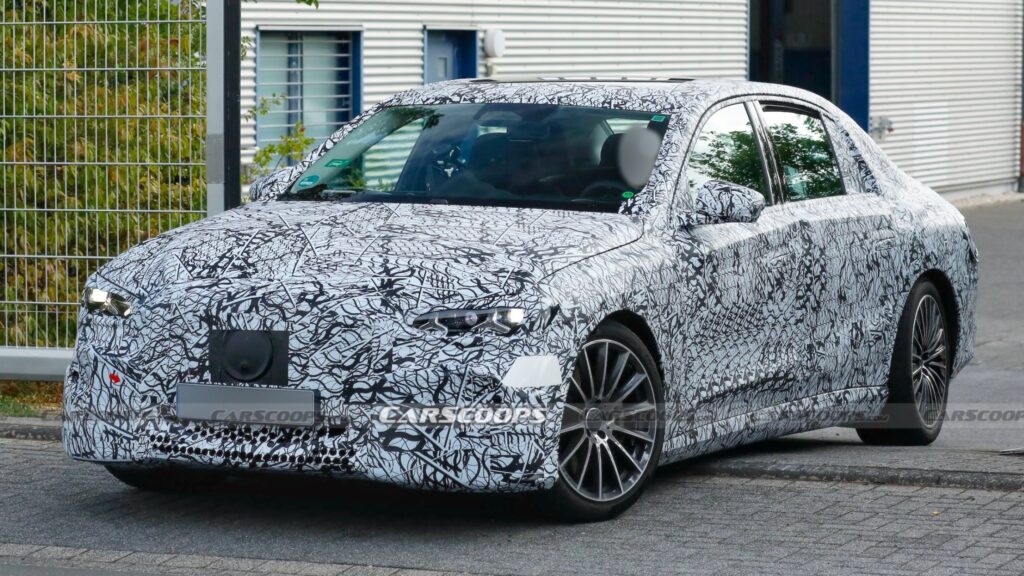



- Mercedes recalls 310,667 cars and SUVs in US over potentially faulty door microswitches.
- Corrosion can prevent automatic parking safeguards engaging when drivers open a door.
- Wide range of models affected, including A-Class, B-Class, CLA, C-Class, GLA, GLB, GLC.
Sharing components across a sprawling model range can save automakers a fortune, but it can also turn one dodgy little part into a very big headache. Mercedes reminded us of that this month by recalling 310,667 vehicles in the US because a faulty driver’s door switch could potentially let them roll away after occupants get out.
The culprit is a microswitch inside the driver’s door lock. Mercedes says a supplier development error resulted in some switches receiving housing material that might allow moisture through under certain climatic conditions. Given enough time, that moisture can cause corrosion and eventually kill the switch.
Related: Mercedes Dealer Said Extended Test Drive, The Judge Said That’ll Be $20,270
The door itself still locks and unlocks normally. The problem is that the car may no longer realize its driver has opened the door. If that happens, the electronic parking brake or Auto-Park function tied to door opening might not engage automatically, leaving the vehicle unsecured and potentially free to wander off without you. Or maybe even over you.
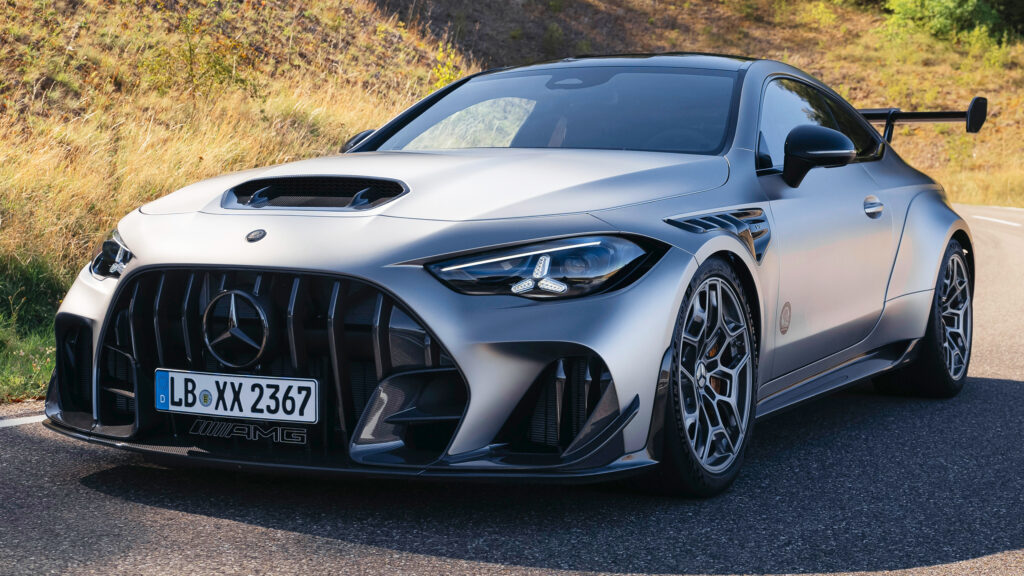
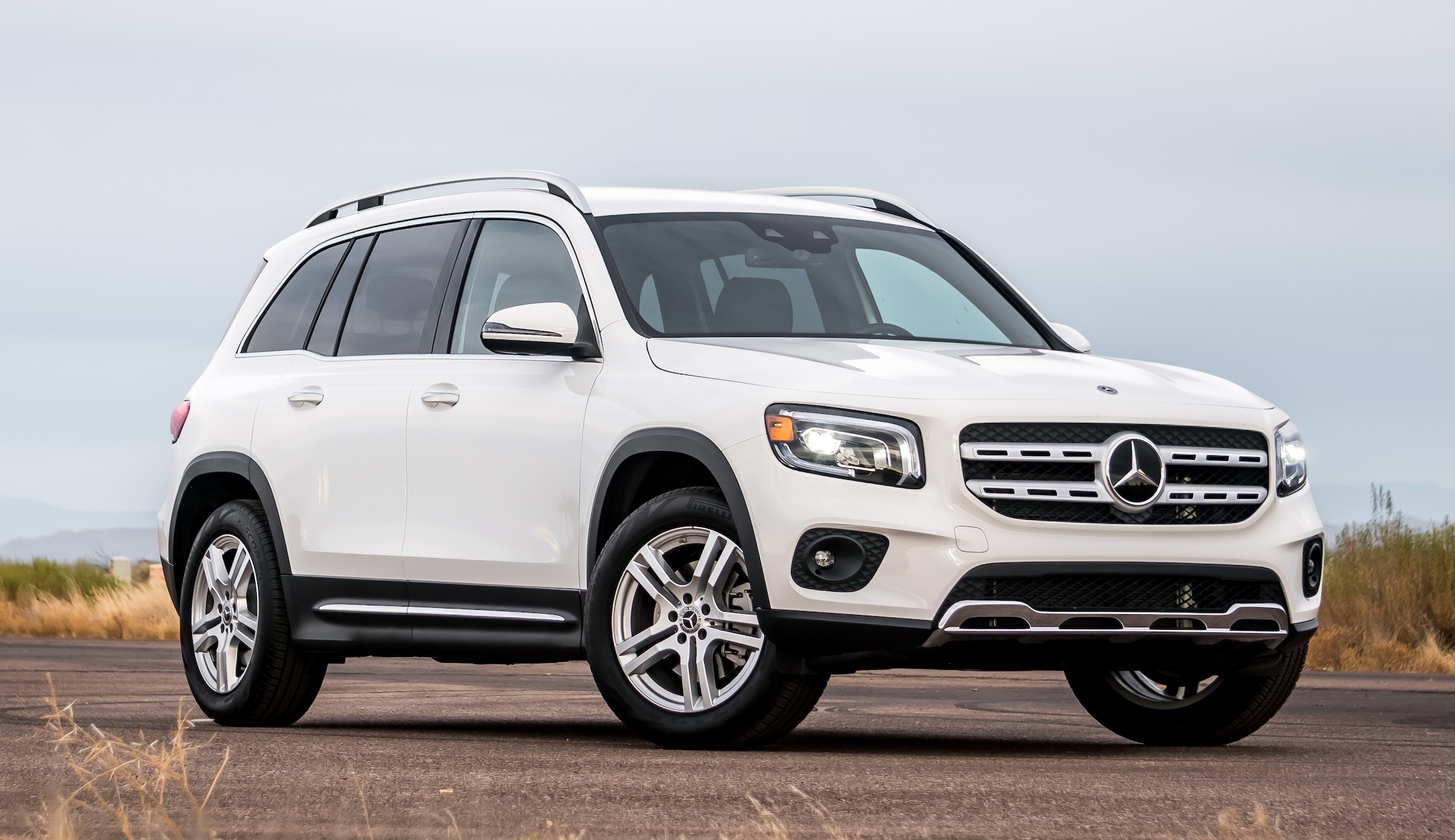
The recall stretches across a sizeable chunk of Mercedes’ lineup. It includes 2019-2022 A-Class, 2020-2021 CLA, 2022-2023 C-Class, 2024 CLE, 2020-2026 GLA and GLB, and 2023-2024 GLC models, including various AMG and 4Matic derivatives. So pretty much all of its compact cars.
Some models contribute far more heavily than others. The 2020-2026 GLB 250 4Matic accounts for 71,696 vehicles, while another 56,879 front-drive GLB 250s are involved. By contrast, just one 2024 AMG CLE 53 Coupe appears on the paperwork.
Radios, Lights, Won’t Switch Off
Mercedes first encountered complaints related to the switches between 2021 and 2024, including radios or lights not switching off automatically after occupants had exited. Investigation eventually traced the issue to moisture reaching the microswitch, with humidity, heat and condensation increasing the likelihood of trouble.
Thankfully, Mercedes says it knows of no US rollaway incidents linked to the defect, though they have happened overseas. The brand has recorded 176 American field cases, but all concerned those less alarming, if still annoying, comfort-function symptoms.
The fix is straightforward, though it might cost owners a few hours of their time. Dealers will replace the driver’s door lock free of charge, while supplier production changes mean vehicles built from May 20, 2026 onward shouldn’t have the problem.