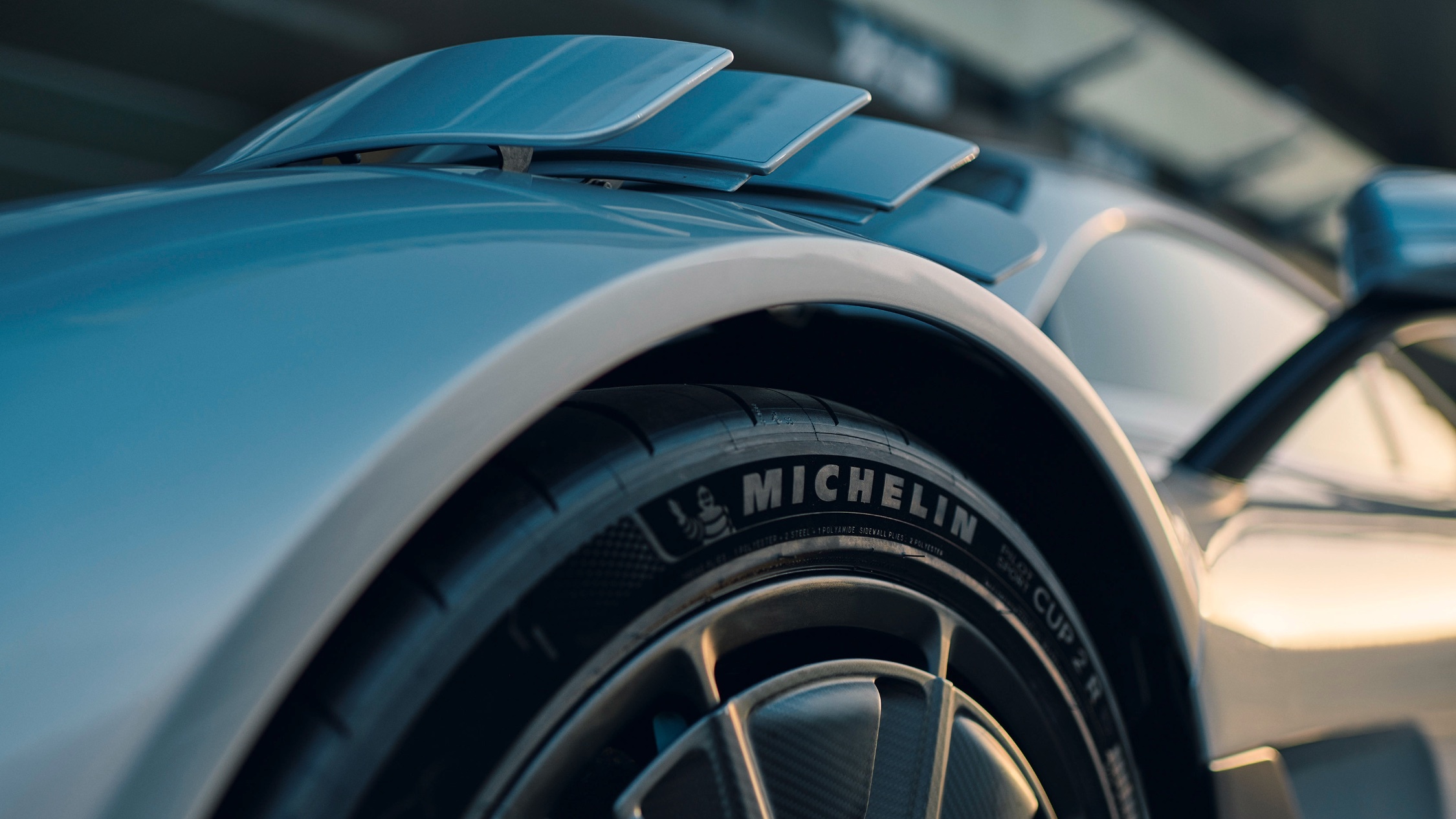











- California’s Energy Commission approved standards for efficiency of replacement tires.
- Regulators predict huge CO2 savings, say drivers will also save money in the long term.
- Some tires, including track rubber, gets a pass, so enthusiasts can get their g-force kicks.
Remember California’s proposed tire efficiency rules that had some enthusiasts imagining Sacramento’s eco version of ICE coming for their sticky rubber? Well, those rules we wrote about in June are officially happening. California is now the first state to set efficiency standards for replacement car tires, after a unanimous vote by the state’s Energy Commission. The first phase takes effect in 2029, and the state says the rules will trim fuel consumption and reduce greenhouse gas emissions.
The focus is rolling resistance, or how much energy a tire wastes as it deforms while rolling. Replacement rubber can be less efficient than the tires manufacturers fit at the factory, hurting fuel economy or EV range. California wants replacements to be at least as efficient, on average, as original-equipment tires.
Related: America’s Gen Z Says It Can Change A Tire, Nobody Else Agrees

The rules arrive in two stages. Phase 1 runs from 2029 to 2033, when the CEC estimates compliance will add just $1.50 per tire. Phase 2 begins in 2033, increasing that estimated premium to $6.50.
But California reckons drivers will still ultimately come out ahead, despite the extra cost to buy the approved hoops. It predicts nearly $1 billion in annual gasoline and electricity savings, alongside a yearly CO2 reduction of two million metric tons. A typical gasoline-car driver could save $179 in fuel over the life of a tire set, based on $4.60-per-gallon gasoline, the CEC says.
Naturally, not everyone’s celebrating. Tire-industry representatives have warned about higher costs, enforcement difficulties and cheaper non-compliant imports. Only around 30 percent of tires currently meet the standards California wants in place by 2033, according to the New York Times.
Track Tire Exemption

But this still isn’t California banning performance tires. The regulations include special categories for ultra-high-performance rubber and other unusual applications. Extra-grippy track tires received an exemption following consultation with enthusiast groups, The Drive reports. Large off-road tires, motorcycle tires and others, including certain winter-focused products, also escape the standard.
There could, though, be consequences for enthusiasts. Some high-performance summer tires that aren’t extreme enough to qualify as track rubber could face difficulties, and anything manufacturers can’t economically redesign might simply disappear from California retailers.
But it’s worth remembering that the regulation – which was first mooted in 2003 – governs which replacement tires can be sold in the state, rather than what owners can bolt onto their cars. So if you live in California nobody’s confiscating your weekend rubber. And nobody is preventing you taking a road trip to Nevada where you might accidentally come back with your car wearing boots unavailable in your home state.