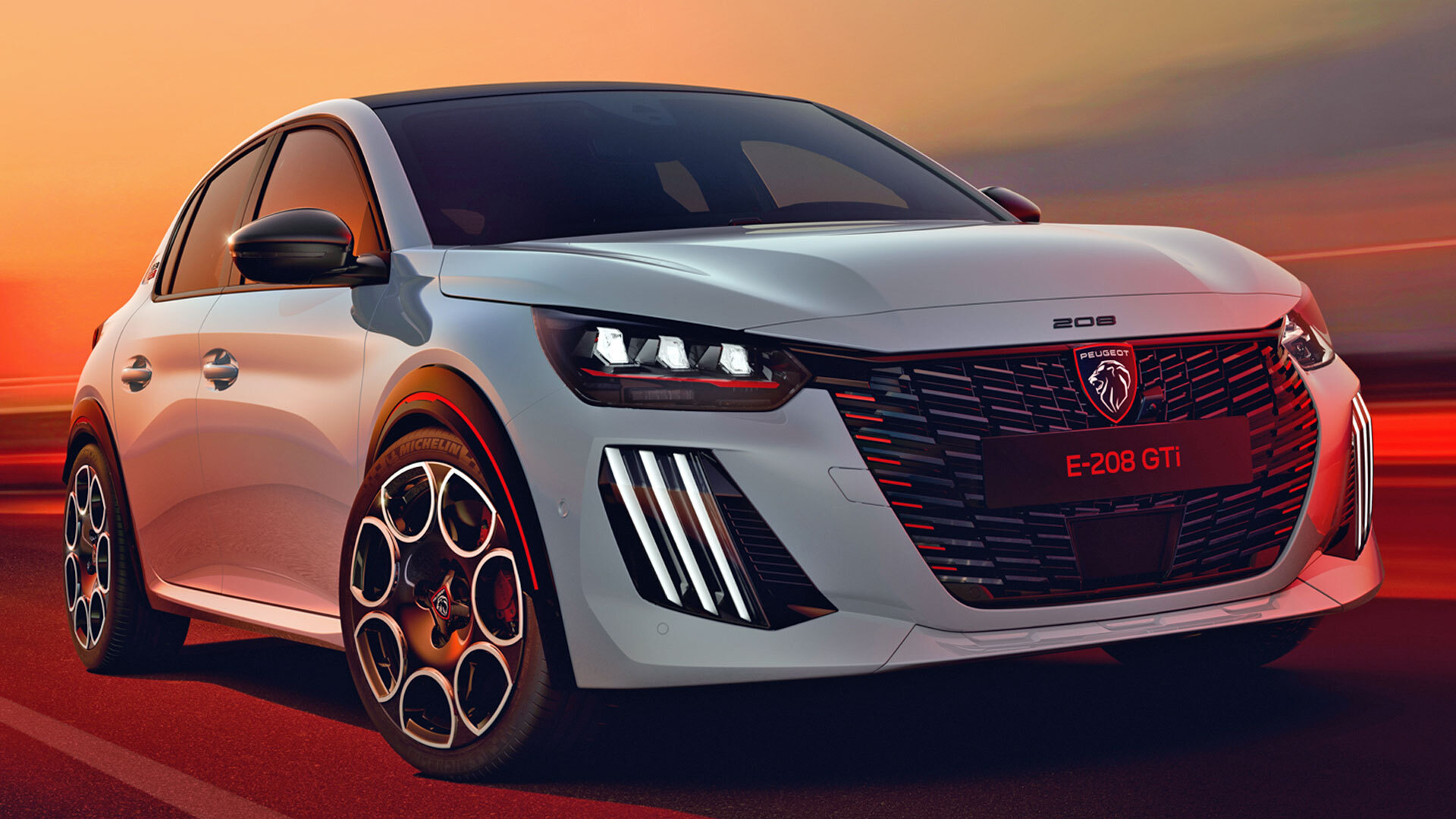










- Kicking off the product roll-out will be the new electric 208 and 2008 models.
- Peugeot is also working on replacements for the 308 hatch, 308 SW, and 408.
- A pair of radical new models built with Dongfeng in China are also coming.
Peugeot has grandiose plans. By 2030, the French brand will roll out seven new or updated models across Europe, leaning on key technologies from parent company Stellantis and splitting its attention between electric cars on one side and combustion and hybrid models on the other.
Back in late 2021, Peugeot said its European lineup would consist of nothing but EVs by the end of the decade. That promise no longer holds, though a pair of significant new EVs sits just around the corner, including a new electric 208 and an electric 2008. Both will launch alongside updated petrol and hybrid versions of the same cars.
Read: Peugeot’s First Electric GTi Does 62 MPH In 5.5 Seconds
Peugeot hasn’t forgotten about its bigger models either. Speaking with Auto Express, chief executive Alain Favey confirmed that replacements for the 308 hatchback, 308 SW estate, and the 408 are all around the corner. Playing a key role in the creation of these new models is Peugeot’s positioning within Stellantis. Given that it’s a high-selling brand, it gets first dibs on important new technologies.

“It’s based on our size: Peugeot sells 1.1-million cars a year, and we have the ambition to sell 1.5m in 2030,” Favey said. “And our scale, which allows us to swallow some additional costs better than a brand with smaller volumes. There’s a benefit for Peugeot: we access new technology first, which is very important because innovation has always helped drive the brand’s appeal.”
The new electric Peugeot 208 and 2008 models will be the first from Stellantis to use the new STLA One architecture and STLA Brain electronic systems. This platform can support hybrid models, but the updated petrol and hybrid 208 and 2008 won’t use it, instead sticking with their older underpinnings.
New Cars For China, Too
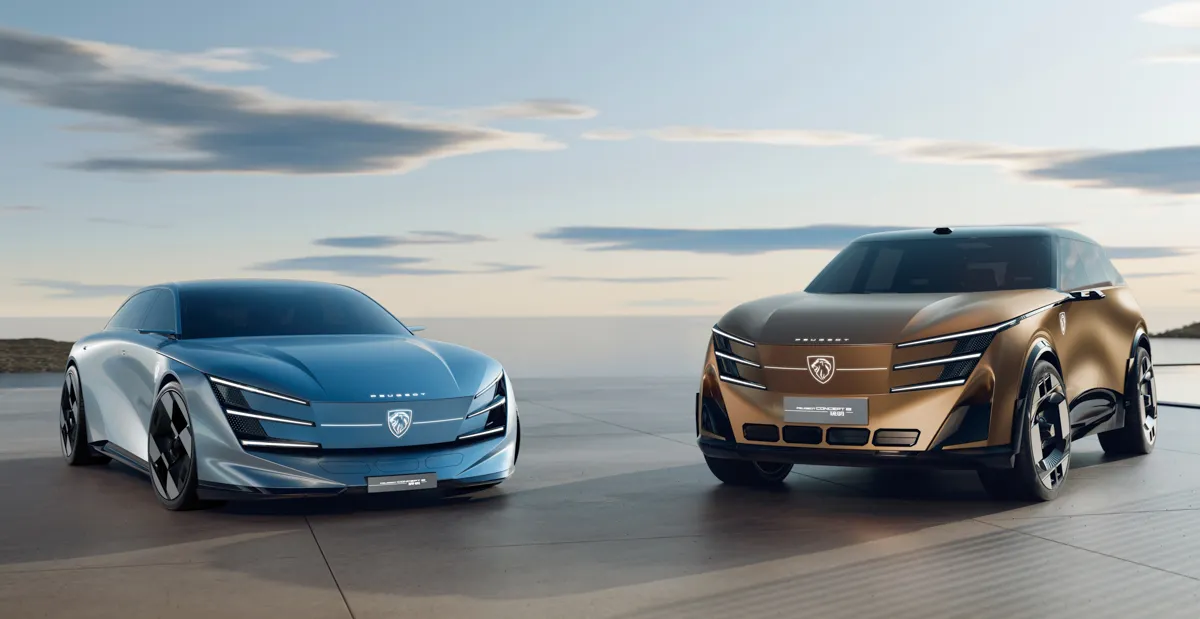
Next year, Peugeot will also launch two new cars in China, produced in partnership with Dongfeng and previewed earlier this year with the Concept 6 and Concept 8. These two concepts introduced aggressive horizontal LED lighting at the front and rear, elements which will be present on other models. As per Favey, design is a key area where Peugeot can differentiate itself from new Chinese competitors.
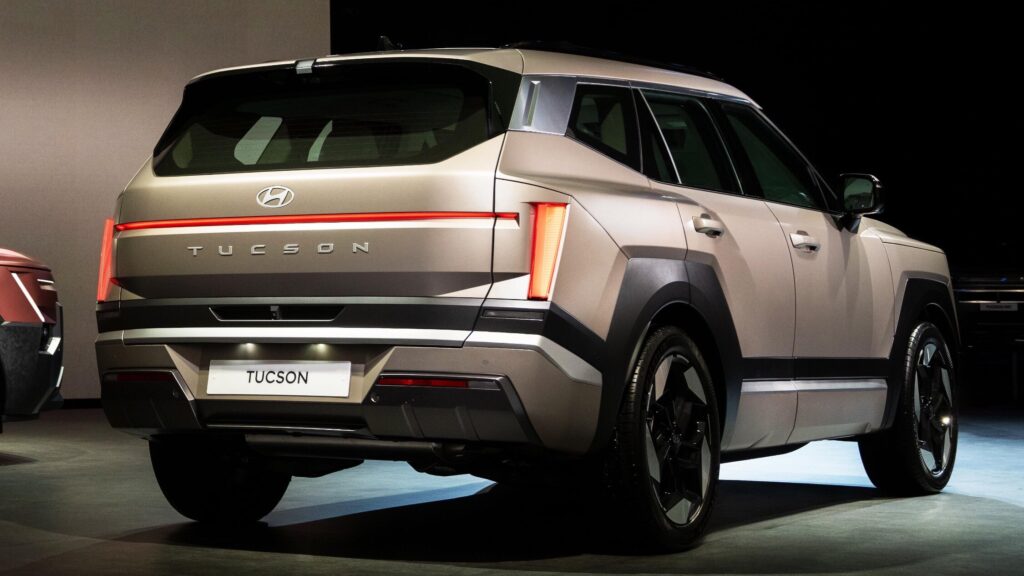
“The important thing for me is on the first look at any new Peugeot, people have to be able to say within a tenth of a second: ‘That can only be a Peugeot’. I keep saying to our design team: ‘Bring me cars that cannot be a Hyundai or a Kia or whatever else.’ Ours need to stand out,” he said.