- Toyota doesn’t appear to be interested in replacing all recalled engines.
- Instead, it will test engines with a hammer to see if they have a fault.
- An accelerometer and software will detect frequency changes in the V6.
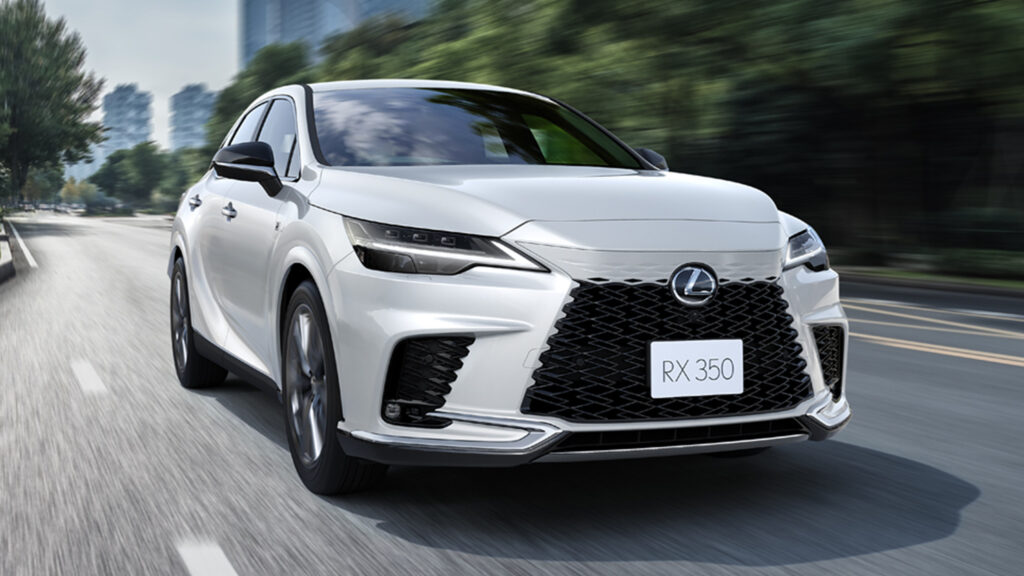
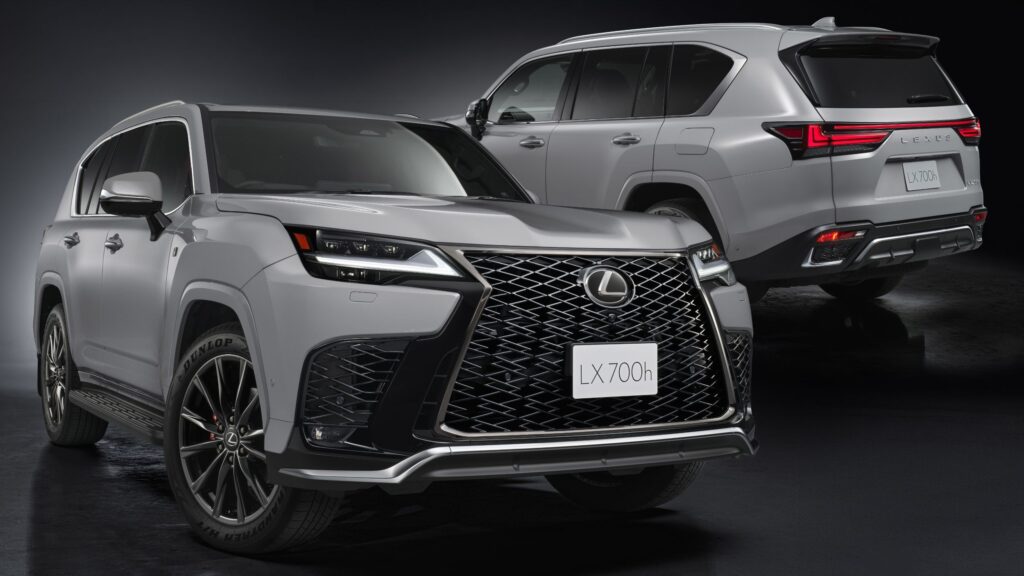
For more than a year, Toyota has been stuck with a nasty problem in its V35A-FTS 3.4-liter (207 cubic inch) twin-turbocharged V6, the engine used in the Tundra, Lexus LX600, and GX. Due to an issue on the production line, machining debris may have been left behind inside the blocks, and given enough time, those stray metal bits can trigger a catastrophic engine failure.
The scope of the problem has since grown to more than 250,000 Toyota and Lexus models, but as Pickup Truck + SUV Talk discovered, the automaker isn’t handing out new engines across the board. Dealers have instead been told to use a hammer test to work out which vehicles need one. In fairness, the procedureis a little more complicated than whacking the block and listening.
Read: 44,000 More Tundras Are Joining Toyota’s Self-Destructing V6 Turbo Recall
To test an engine, Toyota technicians must drain and replace all fluids and then bring the V6 to a predetermined operating temperature. They must then remove all accessory drive belts and align the crankshaft to a specific position before bolting a specialized accelerator to the front crankshaft pulley bolt.
When they’ve done this, they must hit the crankshaft pulley at the 3 o’clock position with a 250-gram plastic-headed mallet. Special software will detect the force of the strike, and technicians must perform three strikes with the correct force. The accelerometer measures the frequencies generated by the hammer strikes and sends them to the cloud, where they are compared with those from good and bad engines, indicating to the technician whether the vehicle in question needs an engine replacement.
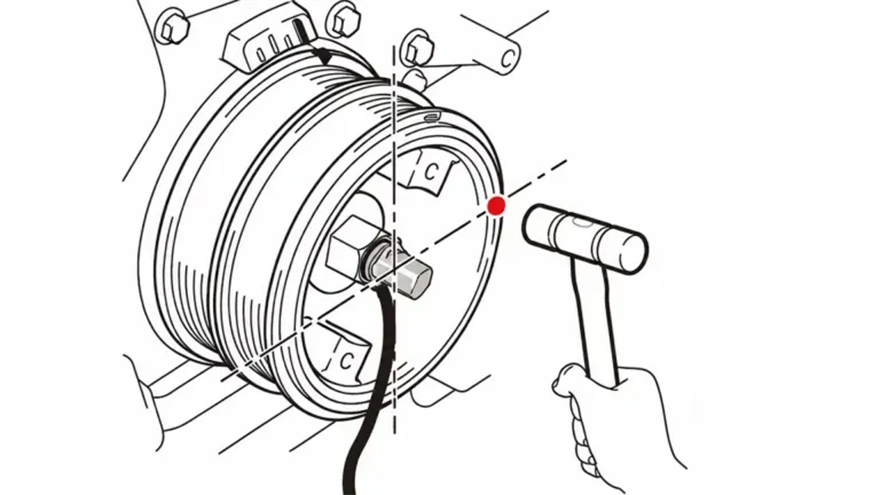
Toyota notes that loose metal shavings potentially inside an engine can embed themselves in the crankshaft main bearings, particularly the number-one main bearing. If this has happened, the main bearing will resonate at a different frequency than one without these metal fragments.
Obviously, Toyota came up with this idea to eliminate the need to replace the engines of all affected models, thereby saving it millions of dollars. In theory, the test should do a good job of detecting a current engine issue, but it obviously has no way to determine future engine wear and may do little to calm the nerves of owners.