


- Winona police say all eight city-owned Flock cameras were stolen.
- Replacing the cameras and poles could cost the city $24,000.
- The Facebook response exposed widespread unease with surveillance.
Someone in Winona, Minnesota went on a very specific mission recently and made off with the local police department’s entire network of automated license plate readers. The poles were cut near their bases, left in nearby weeds, and the cameras themselves disappeared. It is, plainly, theft. But the response from people watching the story unfold has also revealed a pretty awkward truth for police: not many seem sorry to see the cameras go.
According to the Winona Police Department, an officer noticed on August 1 that the Flock cameras had not recorded recent activity. Officers checked the four locations (eight cameras total) and found every camera gone. The department believes the thefts occurred between July 29 and August 1. Replacing each camera and pole will cost about $3,000, putting Winona on the hook for roughly $24,000 if it chooses to rebuild the system.
More: Why More Cities Are Suddenly Pulling The Plug On Flock Safety Cameras
In this case, the system in question came from Flock Safety. While it’s the largest and most well-known of the ALPR providers, it’s far from the only one. Many cities that cancel their Flock Safety contracts have inked new deals with other ALPR brands like Axon, Motorola, and others. Regardless of brand, these cameras can track a lot more than just license plates.
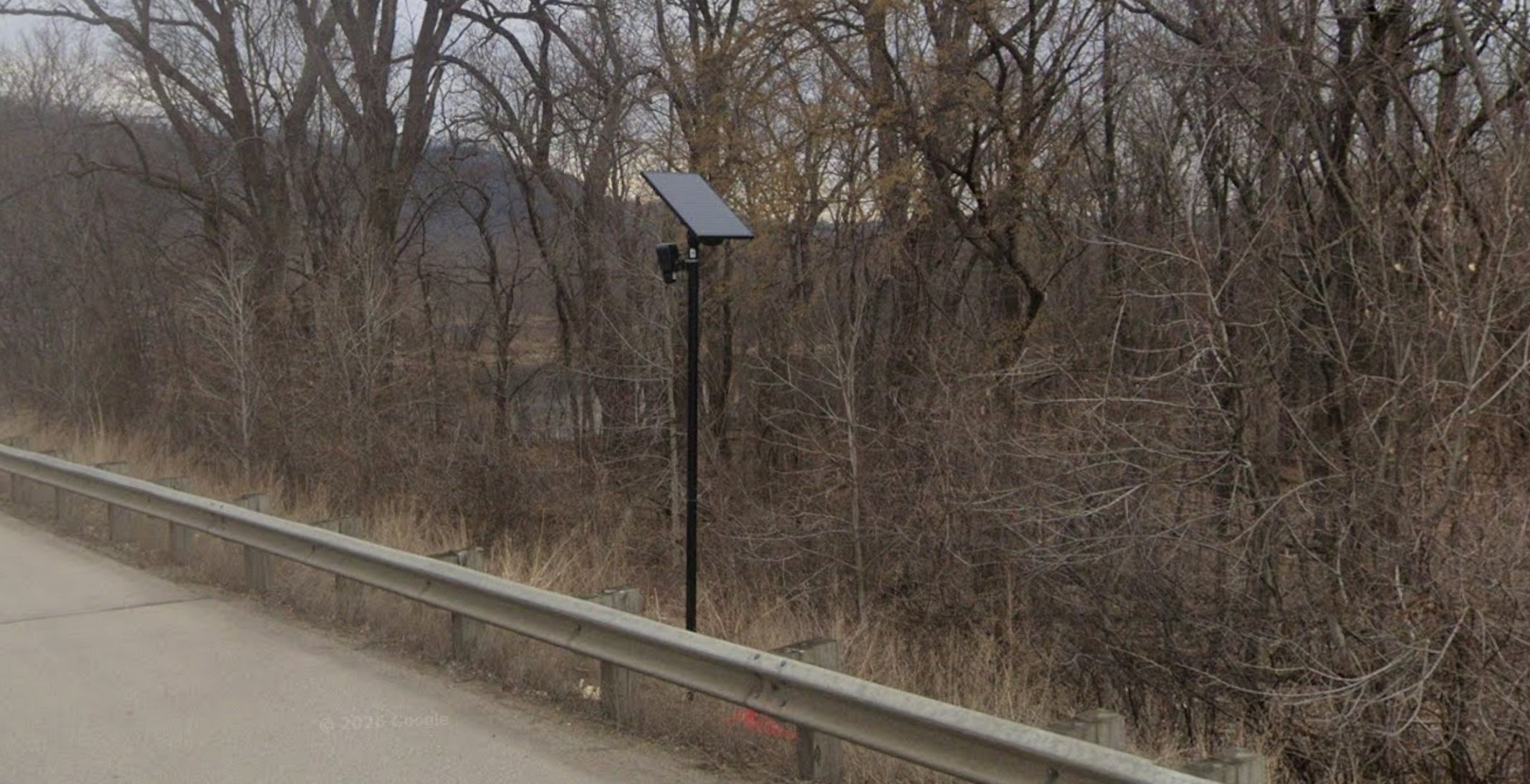
They can log a vehicle’s make, model, color, time and location, creating a searchable record of where cars travel. Police departments say the technology helps investigate stolen vehicles, missing-person cases, and hit-and-runs. Those are real uses. The concern is that the same system also records the movements of everybody else who happens to drive past one.
That tension was all over the department’s Facebook post, whose comment settings were restricted after they went way off the rails. The replies that were visible ranged from people offering obviously fake fishing-trip alibis to another commenter asking the department to identify the crimes the cameras had actually helped solve. Others argued that the city should simply treat the missing cameras as a $24,000 lesson and decline to replace them.