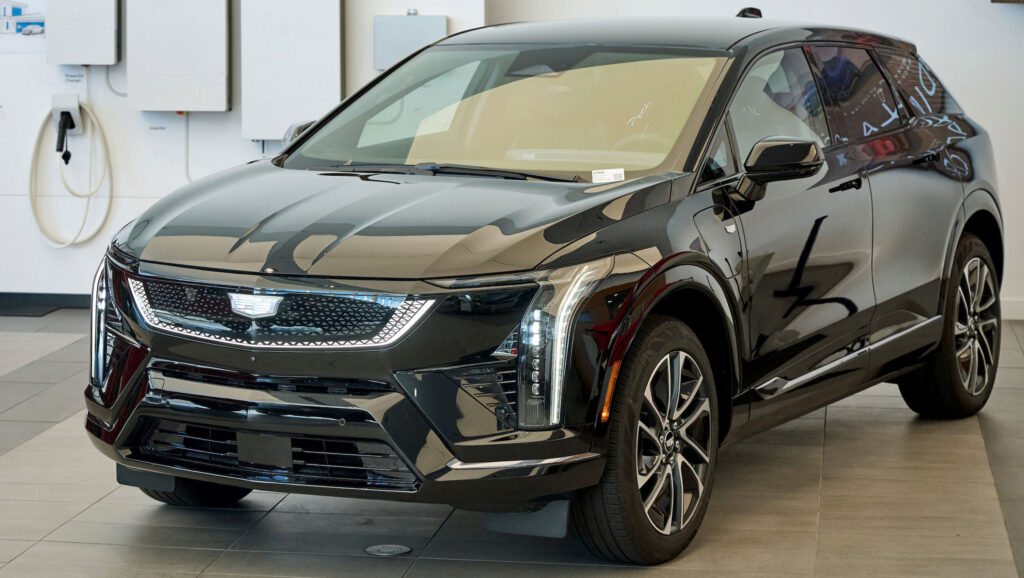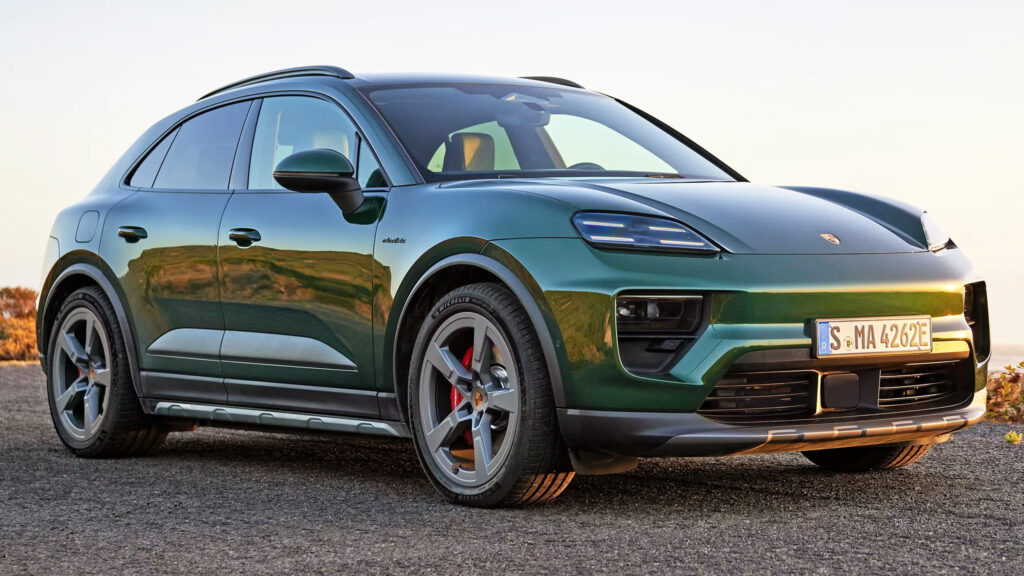
- Geely’s Smart Charging provides peak speeds of up to 2,250 kW.
- New charging technology works alongside in-house AI tech.
- System can predict battery temperatures and adjust charging speeds.
Chinese automotive giant BYD put the electric vehicle market on notice earlier this year by unveiling its Flash Charging technology, featuring peak charging speeds of up to 1,500 kW. Not willing to be outdone by its fiercest competitor, Geely Auto Group has unveiled its answer, the Geely Smart Charging.
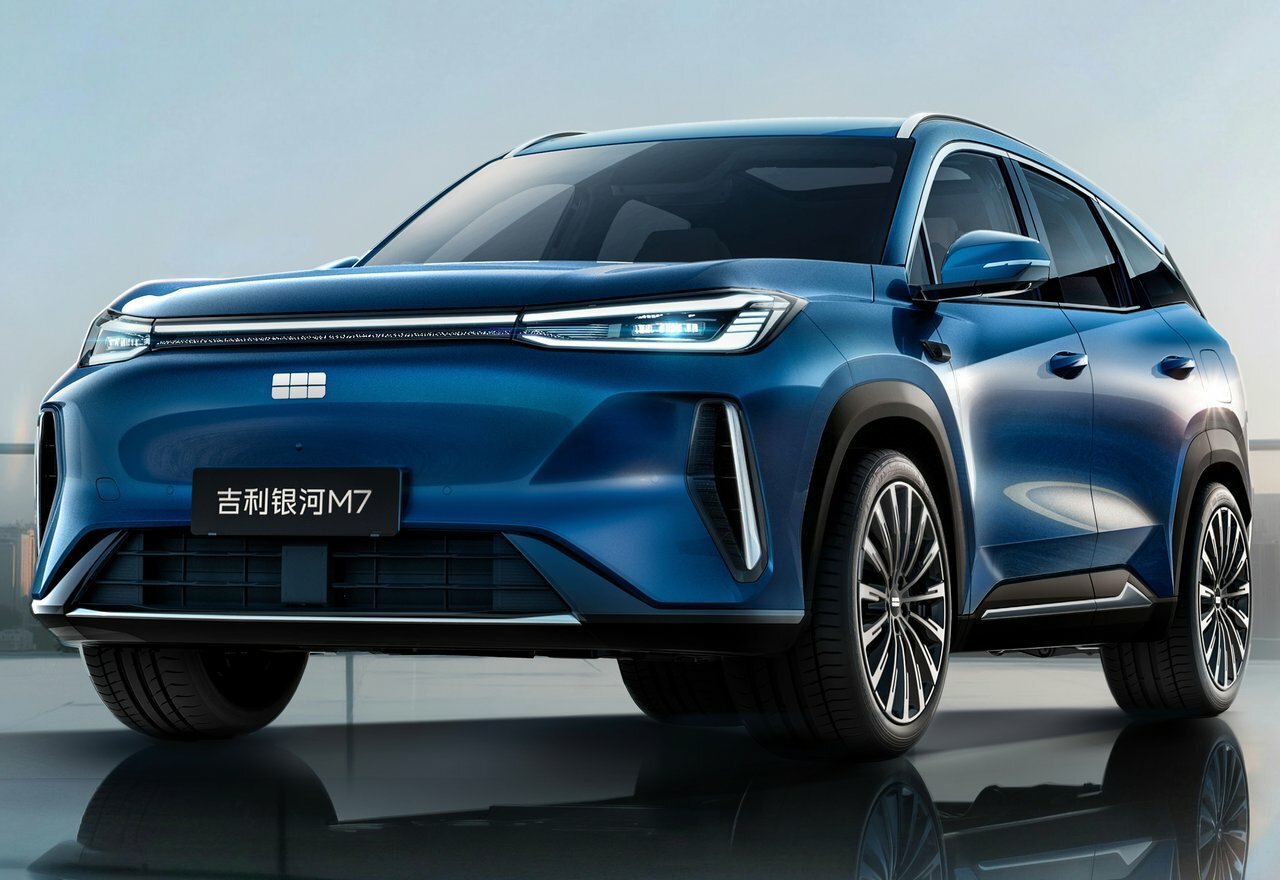
The new technology, which combines an advanced AI model co-developed by Geely and StepFun with the fifth-generation Geely Smart Charging Station, delivers peak charging speeds of up to 2,250 kW. According to Geely, tests of the Lynk & Co 01 and Zeekr 001 show the cars can charge from 10-70% in just four minutes and 30 seconds, as well as from 10-97% in eight minutes and 40 seconds.
Read: BYD’s New UK Flash Chargers Do In 9 Minutes What Most EV Rivals Do In An Hour
These numbers conveniently eclipse those promised by BYD’s Flash Charging 1,500-kW system, which claims a charge from 10-70% in five minutes and a 10-97% charge in nine minutes.
AI Keeps Temperatures Down



As you can imagine, pumping energy into a battery pack at such an extraordinary pace has its challenges, which is where artificial intelligence comes into play. Geely claims its system uses advanced algorithms to anticipate battery temperatures ahead of time. As such, the charging rate can be instantly adjusted as needed. Geely says the AI aims to keep the battery temperature during charging steady at below 55°C (131°F).
In addition to their advanced ultra-quick charging solution, Geely has presented the latest-generation Ultra Short Blade Battery, which it says can cut charging temperatures by 10 percent.
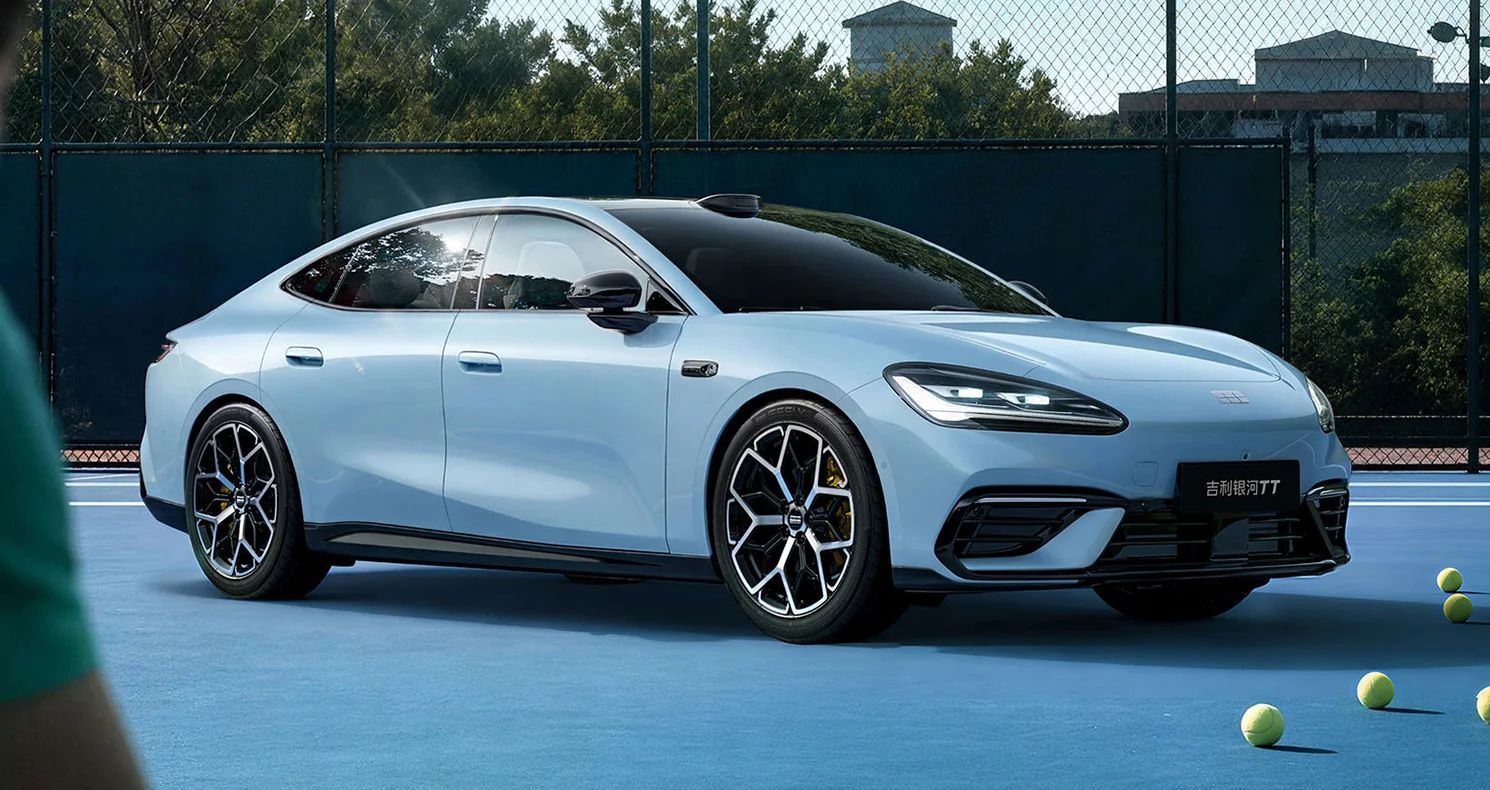
Although Geely Smart Charging may have beaten BYD when it comes to outright power, it has a lot of catching up to do elsewhere. In the six months since BYD unveiled its Flash Charging tech, they have already installed more than 10,000 stations across China. By the end of this year, BYD aims to have 20,000 stations in operation across its home country and is committed to expanding internationally to establish 6,000 by April next year. Target locations include Europe, the United Kingdom, the Middle East, Africa, Canada, Australia, and New Zealand.