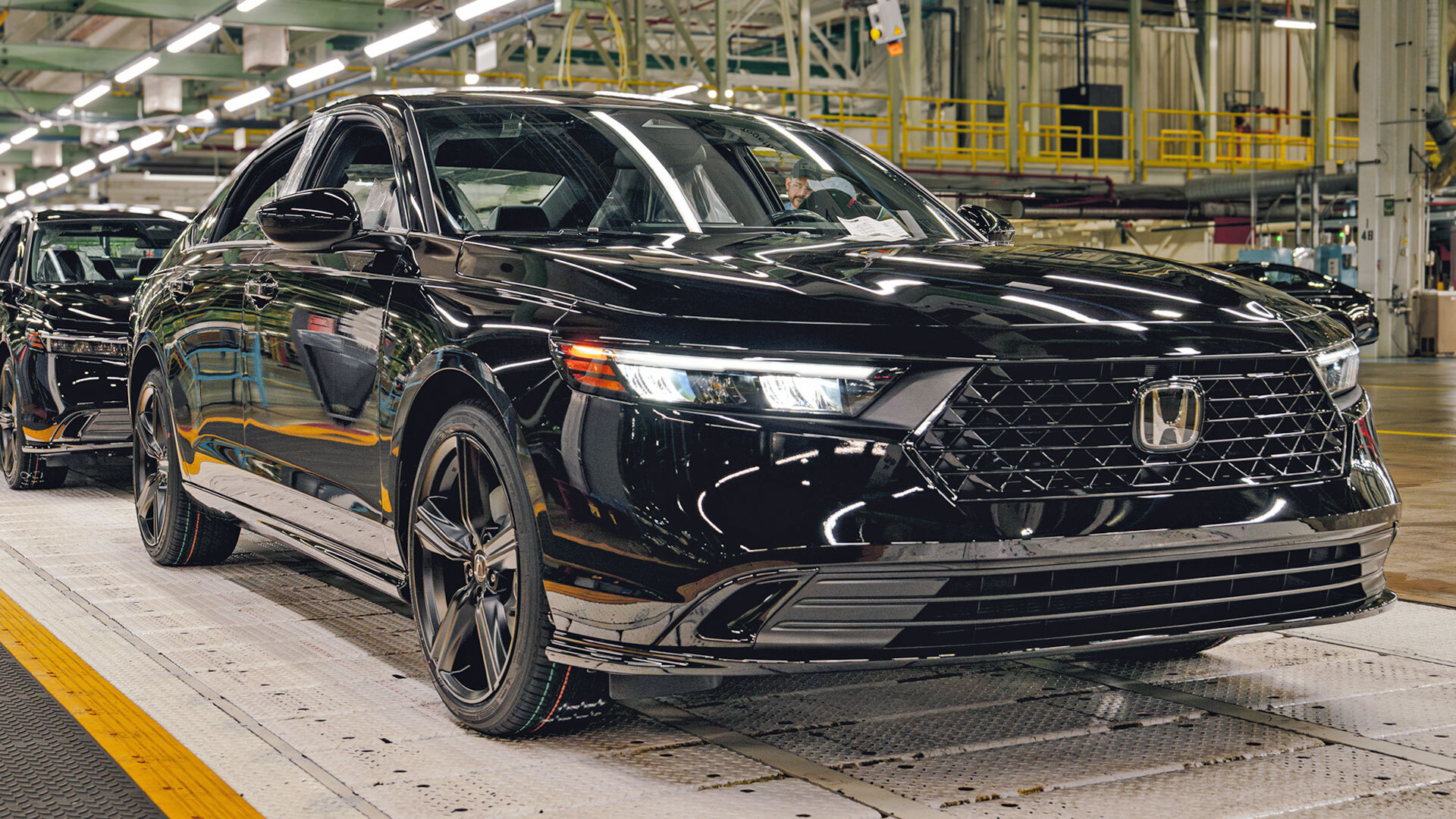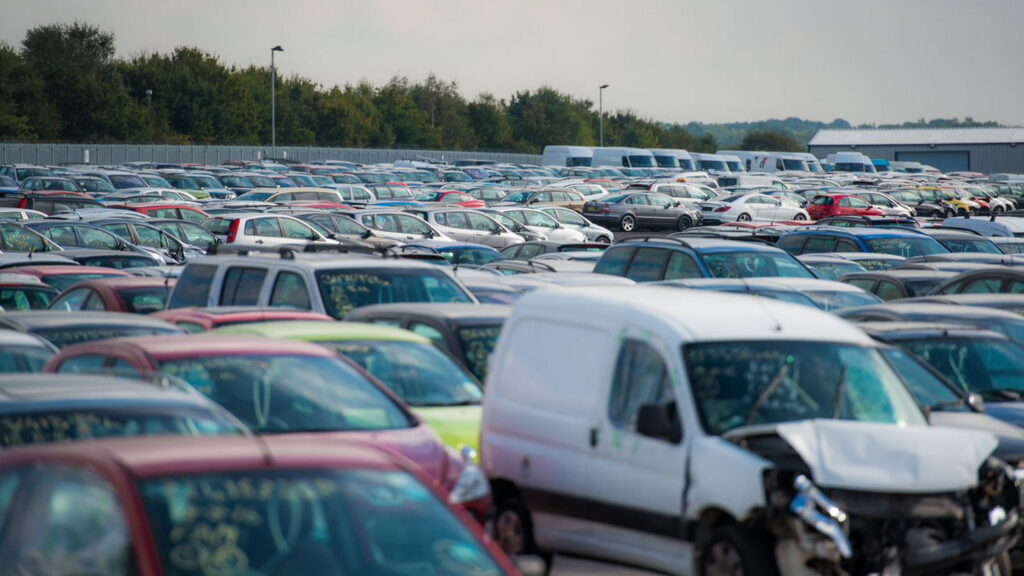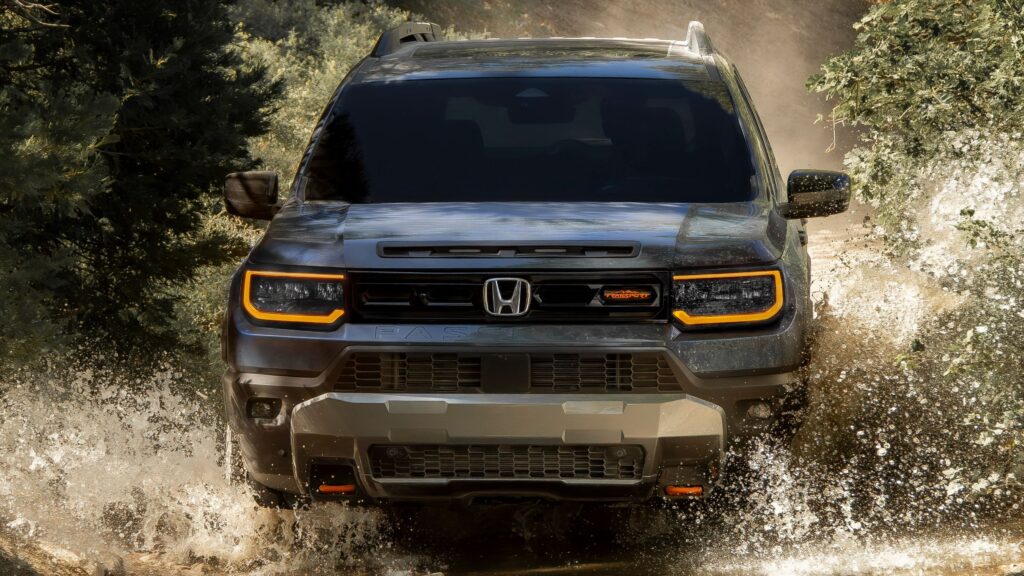
- Honda says quality is a top priority in all of its new models.
- The carmaker feels a lot more pressure in regions outside North America.
- Honda won’t sacrifice reliability in pursuit of faster development.
Modern cars are loaded with technology, often making them feel more like a lounge room or theatre than ever before. As reliance on technology increases, more car manufacturers are facing rising reliability concerns, but Honda is confident it can maintain the quality it’s best known for without following in the footsteps of companies like Ford.
Brands like Honda are under increased pressure to make more advanced cars and also to bring them to market faster than ever, partly to compete with rivals emerging from China. The company says it’s updating its quality control systems to keep pace and maintain its reputation for reliability and customer loyalty.
Read: Ford Fired Two-Thirds Of The Bosses Who Said Its Trucks Were Good Enough
“Technological changes, especially in terms of software, are happening very quickly today,” American Honda president and chief executive Eiji Fujimura told The Drive during a recent interview. “Of course, we need to compete with [our rivals] and China and India in terms of software, ADAS, etc. But in order to compete with them, we first need to think, ‘Who is Honda?'”
Quality Is Number One
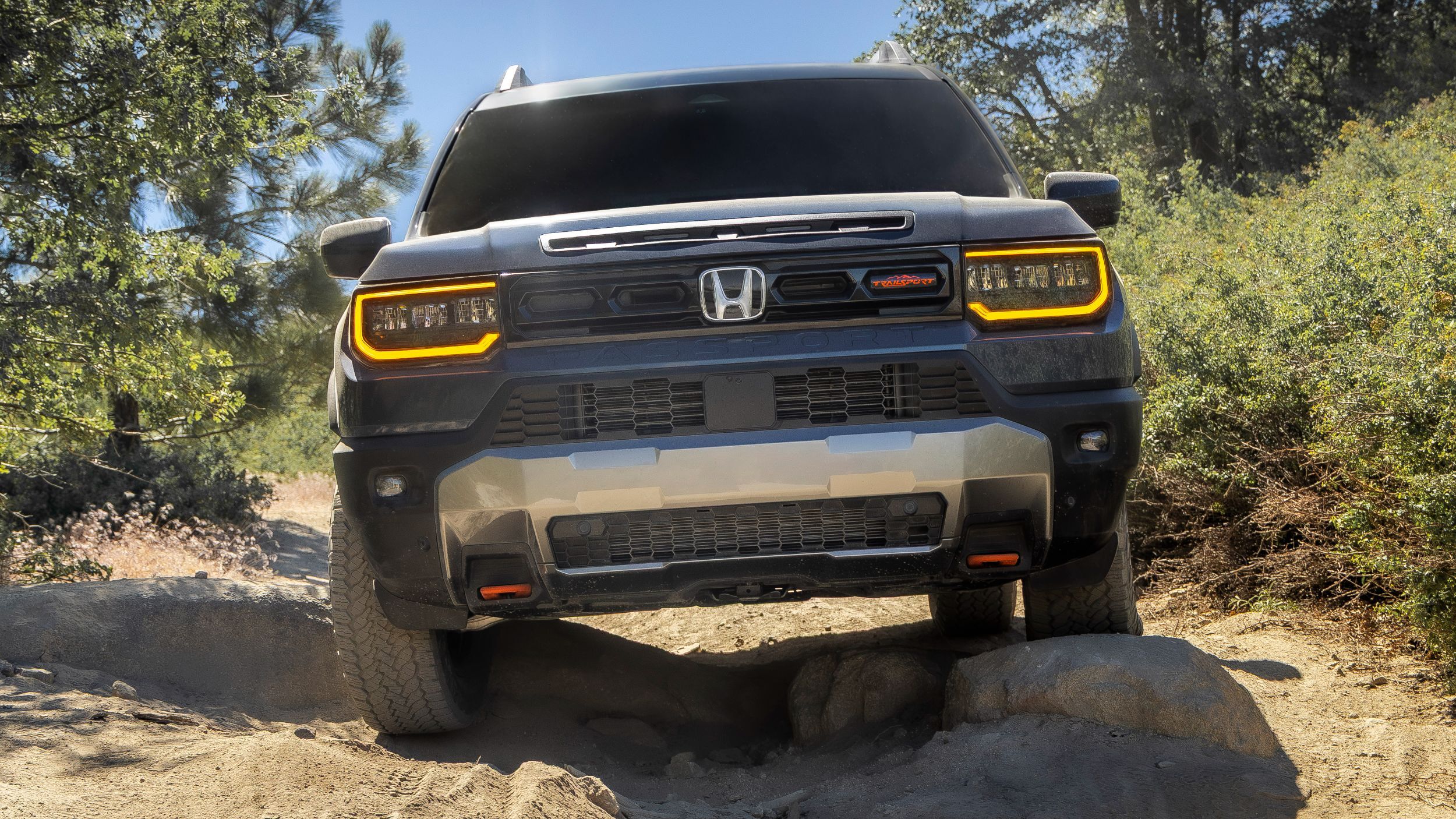
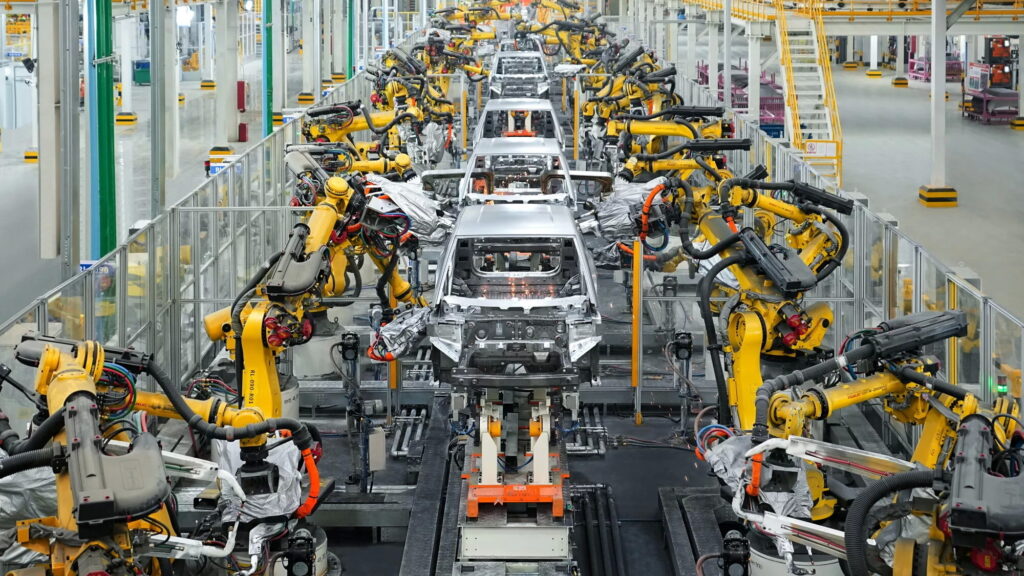
According to Fujimura, Honda isn’t interested in sacrificing customer trust for development speed, and so it makes “sure each process ensures that the cars or components are okay from a quality point of view” and doesn’t move through “to the next step without confirming the previous step’s quality.”
Executive Vice President of Honda Motor Noriya Kaihara added that Honda’s “quality department is completely separate from other departments. That means quality is always Honda’s number one concern. This means every single new technology always goes by this separate department.”
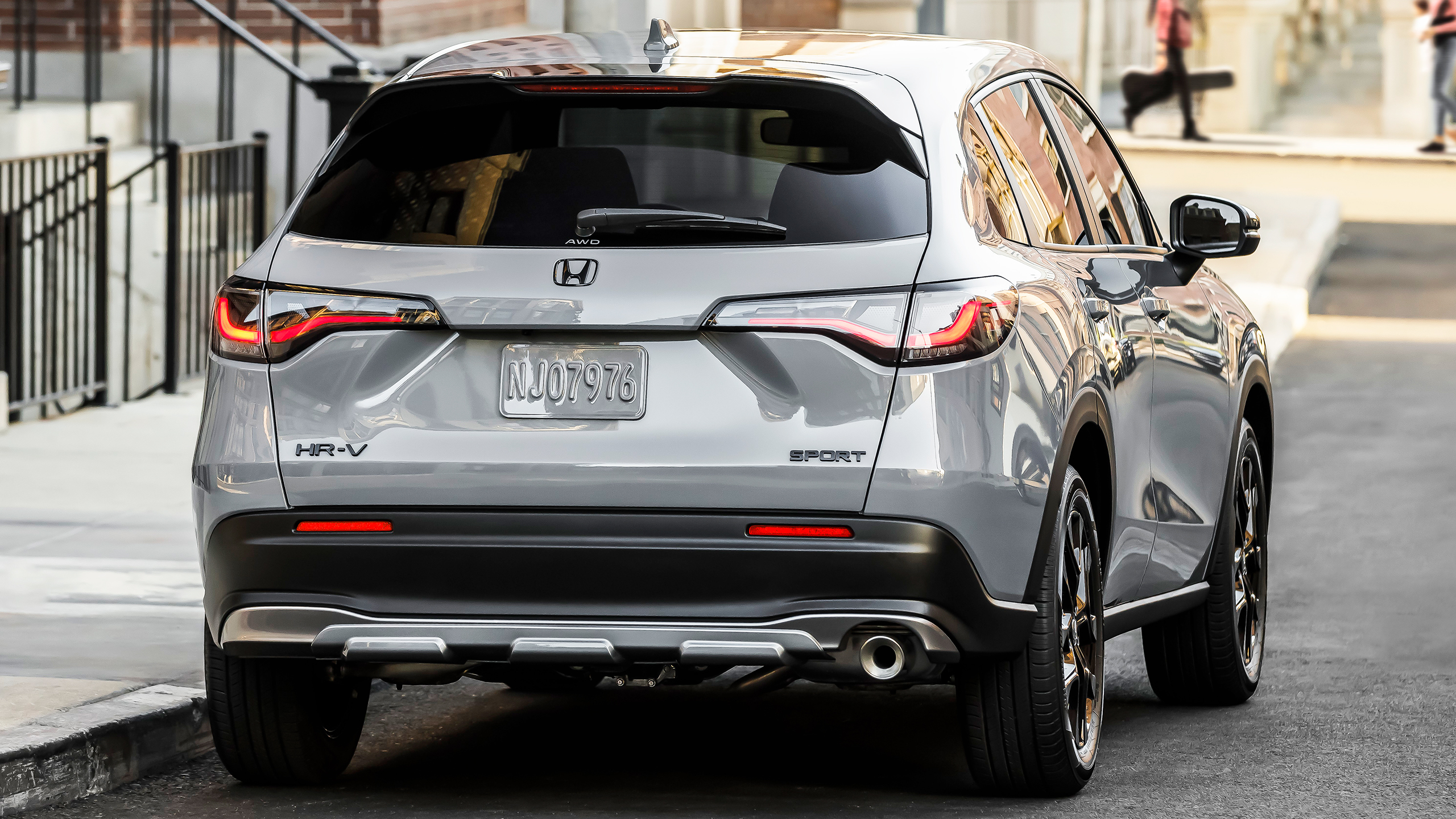
If things do go wrong, Honda notes it’s crucial to react quickly and provide prompt resolutions to customers. While this may sound basic, not all car manufacturers do it as well as they should. Slow fixes, especially for serious software or hardware issues, can quickly erode customer faith in a brand. In the US, Honda doesn’t have many new competitors that could steal customers away, but in other markets, including Europe and Asia, the picture is very different. Address complaints too slowly, and a car buyer could easily switch allegiances to a rival.
“If you leave a customer with a bad-quality vehicle and, on top of that, also a delay with the countermeasure, that will cause really bad damage,” Kaihara noted. “Sometimes you just have to take quick action. Even when you make sure nothing is wrong and everything is okay, something can still happen, and a problem arises once it hits the market.”