


- LexisNexis driving scores can run inside an insurer’s existing phone app.
- The company says raw driving behavior stays on the device; scores reach insurers.
- Existing programs show why phone use and passenger detection need scrutiny.
Plenty of us have an insurance app on our phone. They offer the opportunity to pull up proof of insurance at the drop of a hat. We can check our coverage, request changes, and more quite quickly. Now, a new partnership between LexisNexis Risk Solutions and IMS could enable that app to track your driving behavior without an OBDII dongle. Drivers would have to agree to participate, according to the companies. The question is whether they’ll understand everything they’ve agreed to measure.
The setup combines LexisNexis’s Drive Metrics scoring model with IMS’s EdgeSDK. Instead of sending every bit of driving behavior to a cloud server for processing, the phone calculates a score and related attributes on the device. Those results can then feed into an insurer’s pricing and underwriting decisions. Insurers can put the technology in an app they already offer or use one supplied by IMS, though neither company has named an insurer launching this particular system yet.
More: Smartphone Apps Secretly Score Your Driving For Insurance Companies
For insurers, the attraction is cost. LexisNexis claims the approach could cut the operating expense of a usage-based insurance program by 50 to 80 percent. For drivers, it means signing up might require little more than enabling a feature in an app already on their phone. That makes the consent screen worth reading closely.
Allstate’s app, for example, tells users that turning on optional features such as Drivewise means sharing precise location and driving data with Allstate and its affiliate Arity. The disclosure is there, but a driver tapping through setup for a possible discount may not appreciate how much that data can reveal or how it may affect their rate.
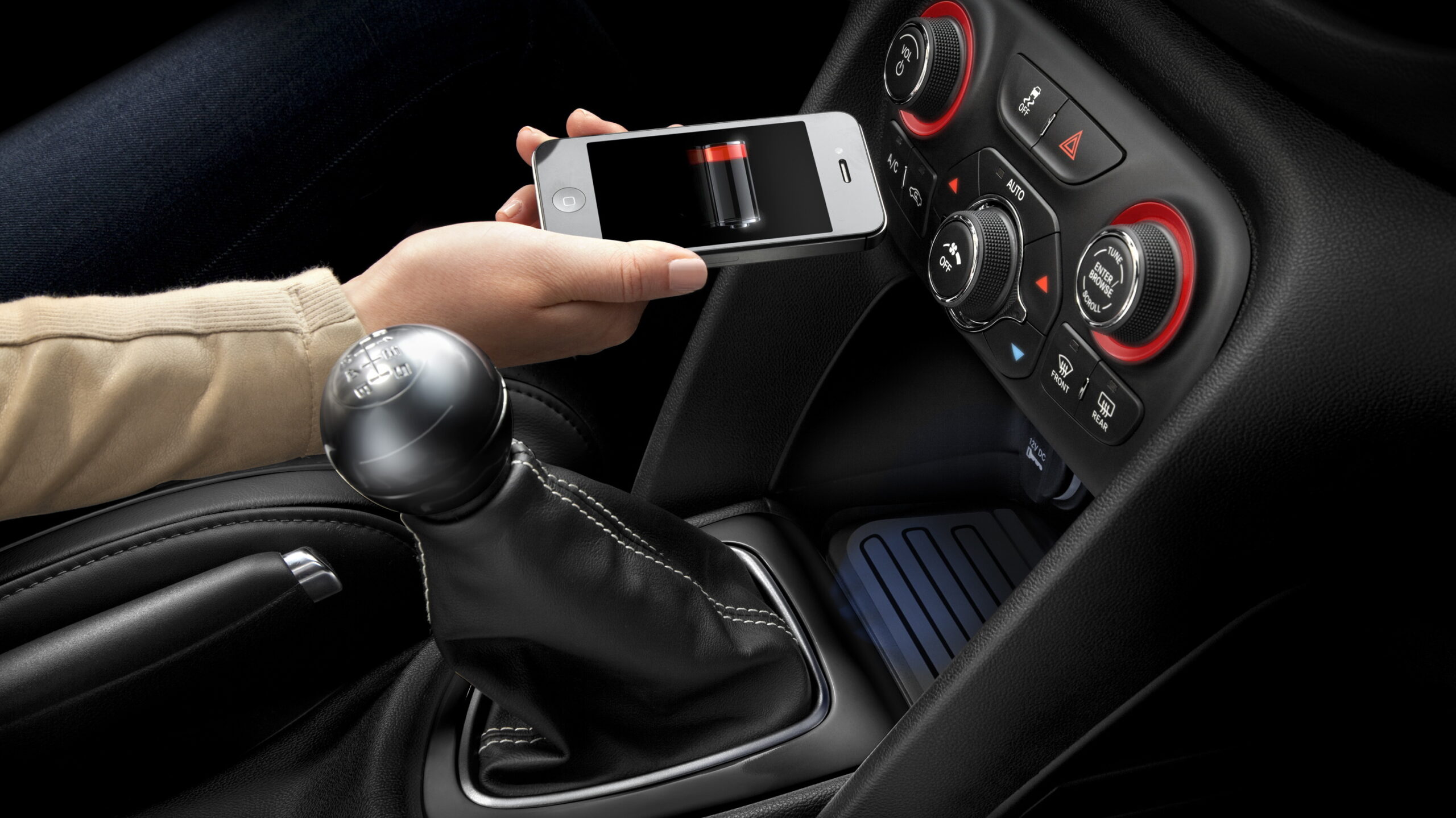
We’ve seen why those details matter. We previously told you how telematics apps used in an IIHS study could detect tapping or swiping, calls, and whether a phone screen was unlocked near the time of a crash. That said, an unlocked screen alone doesn’t establish that somebody was texting, or even that the phone’s owner was driving.
Another report on Nationwide’s SmartRide data showed the program measuring screen taps during trips. Those are examples of what existing phone-based programs can measure, not a confirmed list of what the new LexisNexis system will score. At the same time, it does show us what an app alone is capable of.
For now, LexisNexis hasn’t specified which phone behaviors its new system scores, how it identifies a passenger, or exactly which attributes leave the device. What’s not in question, though, is that soon, perhaps already, there are insurance apps out there scoring your driving and affecting your rates. And if you didn’t pay close enough attention to the boxes you were clicking, you might not even know it’s happening.