

GM Says Cadillac's F1 Car May Carry More Than 10 Miles Of Wiring
A proper racing car can pack quite of a bit of wiring

Formula 1 teams spend countless hours and dollars on figuring out how to make a car faster. They cut weight, optimize drag, improve engine performance, and do it all for fractions of a second at times. Still, the newest competitor, Cadillac, seems to have room for roughly 10 miles (16 km) of wiring inside its new car. That certainly sounds like a lot. And it is, but when you hear about how Caddy is putting it to work, it starts to make perfect sense.
In its latest "What Makes Fast" feature, GM estimates that its MAC-26 race car will need around that much wiring to function properly. Other teams like Mercedes-AMG Petronas say they use only about 1.86 miles (3 km). Perhaps everything else baked into this new Cadillac requires the extra loom. Either way, the deeper details show just how far the team is going to be competitive on the grid.
What is all the Wiring Doing?
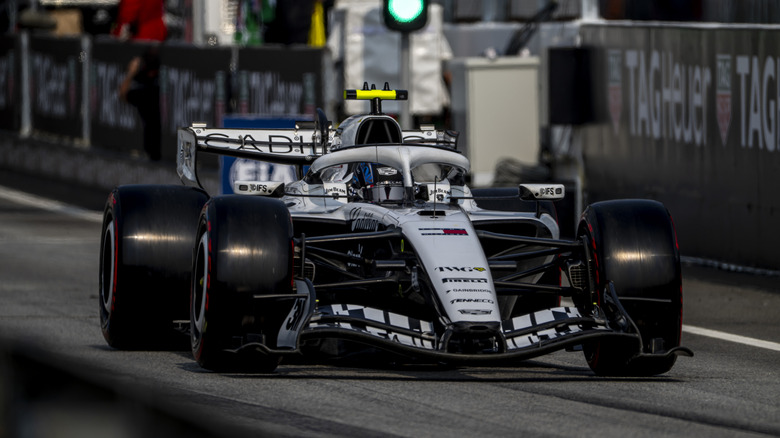
According to General Motors, sensors on the car are constantly monitoring engine output, tire pressures, and the speed of the air moving around the car. They also track changes in direction, and they measure all of this down to the millisecond. Then, all of these readings are sent off to engineers at the circuit and to operations bases in Silverstone, England, and Charlotte, North Carolina.
Think about that for just a moment. The driver in the car is focused on finding grip, managing the car, and trying to keep the competition from overtaking. Whilst that's happening, people on a different continent can study what's happening underneath the bodywork in real time. Consider that the next time you're watching from your sofa.
Of course, all of this data is only helpful if the team makes the most of it. GM says the readings help guide decisions during races and preparation for subsequent events. They also feed it into the driver-in-the-loop simulator in Charlotte. Essentially, they use the data over and over again to distill how sharp, responsive, and predictable the car is even once it's well off the track.
Speed and Savings
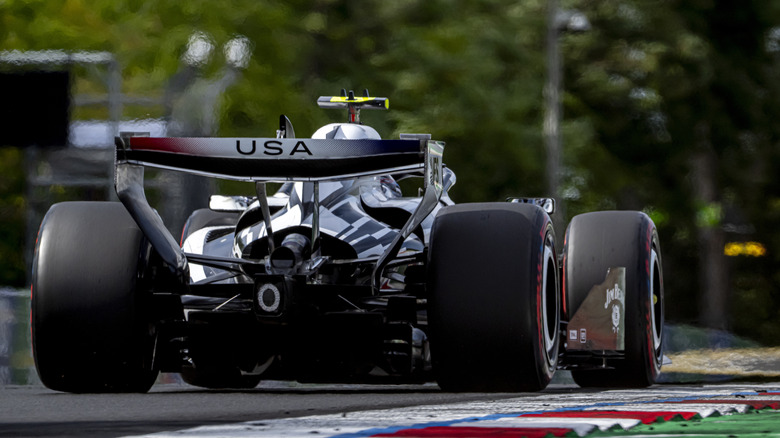
The simulator is where all of the data collected really becomes not just vital but a time- and cost-saving exercise. In a previous behind-the-scenes feature, Cadillac explained how Valtteri Bottas will hop in the sim right after a race to compare his impressions of the real car to the virtual one. All of this data helps the two line up, and that enables GM to hone the real car and provide meaningful practice to drivers in a safe virtual environment.
Perhaps the craziest bit of all of this is that it's already proven effective. Ahead of the 2026 Miami Grand Prix, sim support driver Aiden Price tested a virtual suspension upgrade. Once the team was confident in the improvement, GM's design and manufacturing manager Greg Price helped get the components built and flew them to Miami the next morning. Sure, Dad really came in clutch, but the relationship between wiring, testing, a simulator, and good driver feedback also made a big impact.