- GM can create 3D renders of future cars within a day thanks to AI.
- It has also developed a complex AI tool to analyze aerodynamics.
- Engineers, too, are now tapping artificial intelligence to help them.
Creative work has long relied on time, iteration, and instinct, but new tools are starting to compress that process in surprising ways. The rise of artificial intelligence threatens millions of jobs, including many within the creative industries and the automotive sphere. Rather than trying to hide from AI, design studios and engineering labs at GM are embracing it, and say it’s helping to bring ideas from paper to the virtual world faster than ever before.
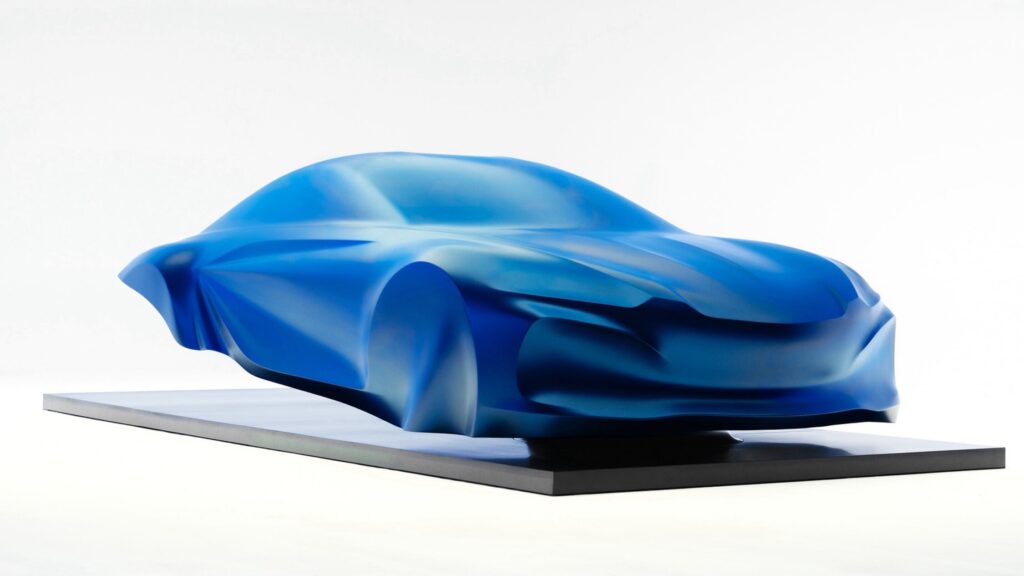
While there are plenty of tools that can design cars from scratch with a simple prompt, this isn’t what GM is using AI for. New designs still start with designers sketching with a pencil, but from there, artificial intelligence can quickly and easily produce intricate renders and even detailed 3D animations.
Read: GM Imagines Tomorrowland’s EVs And They’re Nothing Like Today
According to one of GM’s creative designers, Daniel Shapiro, it would usually take multiple teams of designers months of work to go from a sketch to a detailed animation. Now, AI-driven visualization tools can do all of this in less than a day.
GM says that thanks to the time AI saves, designers can quickly generate dozens of variations of a single design and then refine them. AI also gives designers the time to flesh out more ideas, pulling from their imagination, putting pencil to paper, and then letting the tools bring these sketches to life.
AI-Driven Aero
“Instead of just going down this one path, we can explore so much more, and you can be a bit less precious with the ideas,” Shapiro says. “I don’t want to exaggerate here, but it’s changed the way we do our work on a daily basis.”
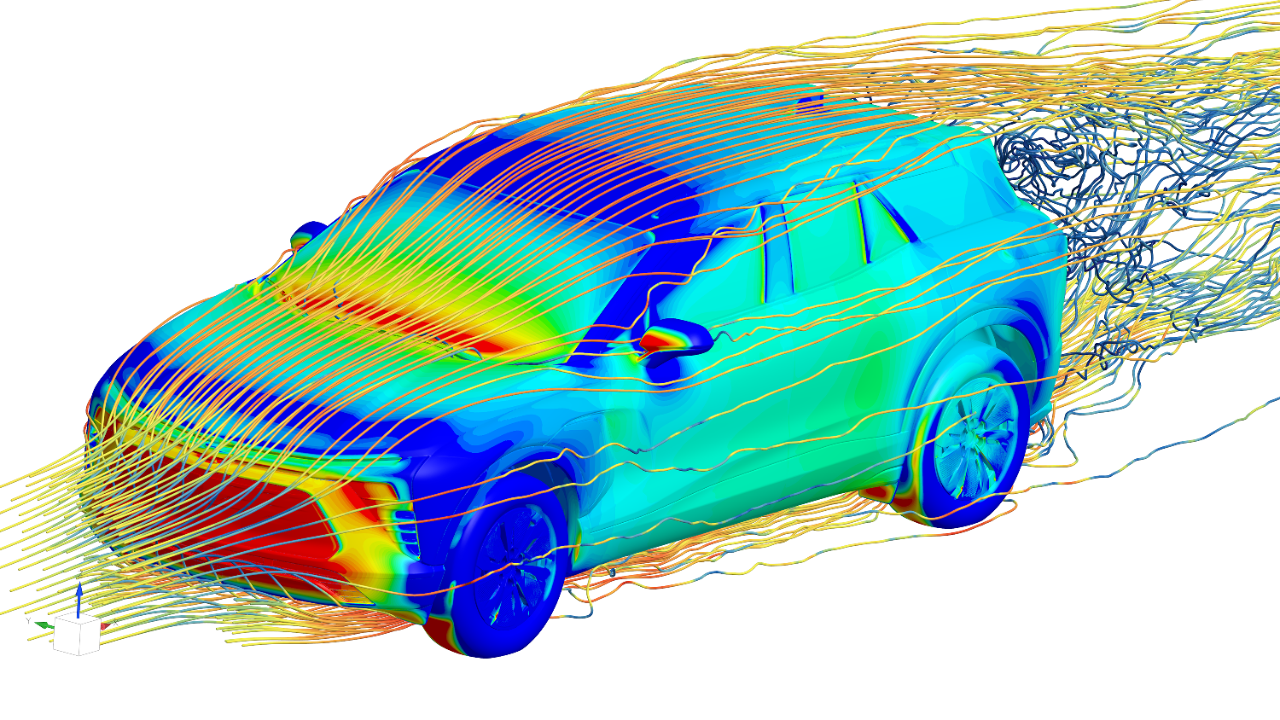
Artificial intelligence also plays an important role for engineers. One of GM’s teams has developed an AI-powered tool that serves as a virtual wind tunnel, predicting a vehicle’s aerodynamic drag from digital renders. In the past, GM relied on CFD and full-scale wind tunnel testing, but this is expensive and takes time, often days or weeks as minor tweaks are made to a vehicle’s design.
By comparison, teams can now tweak the roofline or hood of a future vehicle and, in almost real time, see how it’ll impact the vehicle’s aerodynamics.