

Is The 'Five-Year Rule' For Tires Still True?
Tire age vs. tire mileage: here is the real truth behind the legendary five-year replacement rule.
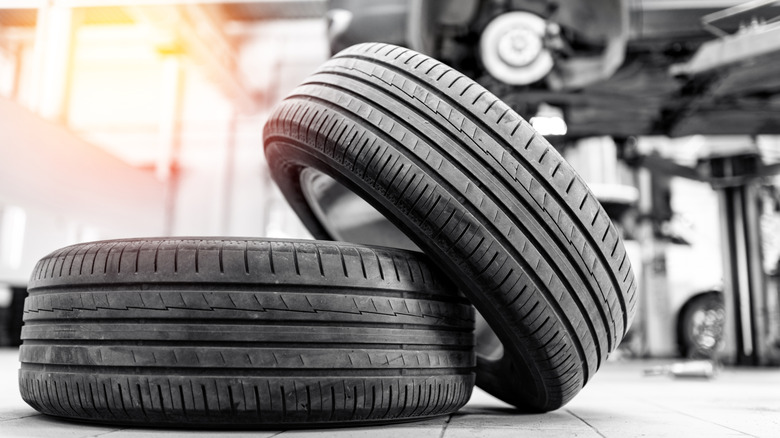
There's a popular saying that if your tires are over five years old, you should change them — even if the car they are mounted to doesn't drive that often. Today, it's pretty easy to check tire age: just look for the four-digit date code on the sidewall, and you'll know the week and year of manufacture.
However, the commonly quoted "five-year rule" was introduced decades back. Surely, tire tech has changed to allow for longer lifespans? The short answer is, the five-year rule may still hold in most cases, but even manufacturers are hesitant to cite it as a definitive cut-off. It turns out that, yes, there are situations where you might be able to stretch to six, seven years, or even more. However, after your tire crosses that five-year mark, you're best served keeping a vigilant eye on them.
Let's start with when you buy new tires. Just because they're new on the car doesn't mean they're newly made. When you're buying new rubber for your ride, you must select the freshest tires possible. This means that you should look for the ones that have been manufactured most recently. As a prime example, let's look at buying tires right now, in 2026. You'd do well to look at tires manufactured in the last three months — that's July through September. Going a bit further back is also okay, say, March or April.
But if you select a tire made in, say, late 2025, you've lost a year of life before it's even reached your hands. And remember, these are the tires that salespersons try to aggressively flog because they need to move them ASAP. It's not bad buying such a tire, but you should expect a discount when doing so.
Tires age even when sitting still
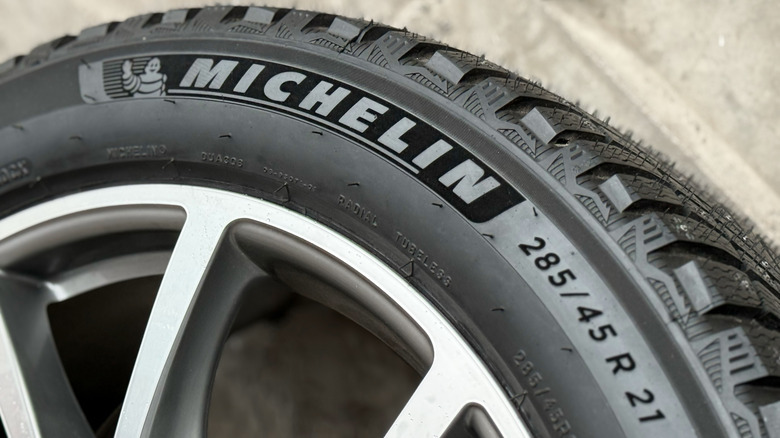
If you're wondering what's so bad about aged tires, well, rubber ages with time. With that age comes the added risk of a potential blowout. As the rubber ages, in some cases tiny cracks can form that compromise the tire's integrity. These start on a microscopic level, but as time passes by, they become visible to the eye. If you see cracks on the sidewalls of your tires, it's time for a replacement, pronto, because one day, that tire is going to let go.
Tires do this due to how they're constructed and the materials they're made from. Tires are created by methods that include curing. These use compounds that age and break down over time due to thermo-oxidative degradation. Simply put, oxygen slowly breaks down the tire's rubber compound. But there are other factors that accelerate tire aging.
Tires also age faster in hot climates, so if you live in areas with plenty of sun and frequently drive on blisteringly hot tarmac, you should inspect your tires more often. But tires still age when sitting in a dark warehouse — just slower. The same applies to your spare tire, even if it's sitting cozy inside your vehicle's trunk. As for vehicles with exposed or underslung spare wheels that get exposed to sun, rain, dirt, and road grime, they need even more attention.
Another key factor that accelerates tire aging is running them at the wrong inflation pressure. Under-inflated tires heat up more as they roll along. Other factors that accelerate tire ageing include ozone and UV rays, as well as salty environments. This isn't just relevant if you live near the coast, but also in places where roads are salted to de-ice them.
What do tire manufacturers say?
Michelin recommends having your tires checked by a professional at least once a year once they reach five years of age. In fact, most manufacturers term the six- to eight-year period as one of elevated risk, where the tire should be inspected at least twice a year. They strongly recommend replacement in the eight- to 10-year bracket, and make it mandatory once 10 years of age have been reached.
So what do professional tire inspectors look for? Firstly, they check for cracking along the sidewall surface because this is the critical part that literally bears the weight of your vehicle. Then they look at the crown and tread area, checking for cracking as well as foreign object damage. They'll also check the tire shoulder where the sidewall and tread meet. The inside of the tire may also be checked.
You might be thinking that replacing your tires every five years is a waste. But the truth is, if you're clocking up 15,000 miles a year, you'll be at the legally mandated replacement tread wear level well within that threshold. It's only vehicles that see, say, 5,000 miles or less per year that may need seemingly good tires replaced.