

Chinese Competition May Cause EV Tariff Delays In The EU And UK
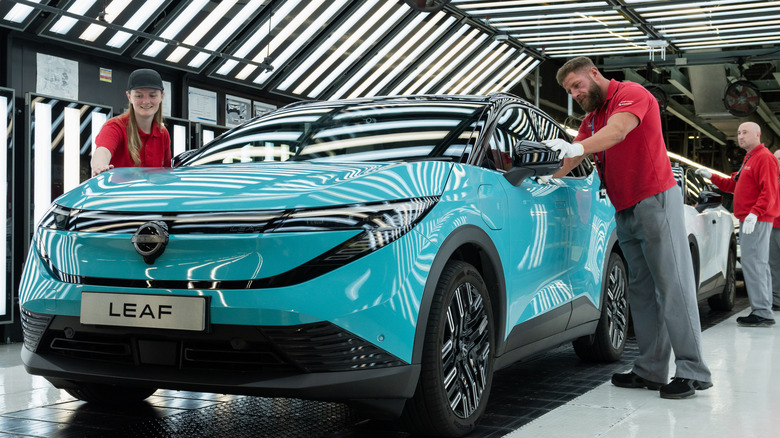
A proposed 10% levy on electric vehicles that don't have locally sourced battery materials may be postponed by the European Union and the UK. It's because supply chains haven't been able to keep up with the planned rollout, with most UK- and EU-manufactured EVs still reliant on Asian-sourced materials for crucial battery components.
The plans, which were drawn up during 2021's finalized Brexit negotiations, are different from the EU's postponed plans to go EV-only from 2035. These relate to the origin of EV components, and were supposed to roll out on January 1, 2027, with tough requirements for any EV traded between the UK and EU that did not feature battery packs assembled locally.
The Financial Times reports that ACEA, a group that represents EU automakers, claims that the vast majority of the 520,000 EV passenger vehicles — some 82% — that are being projected for sale during 2027 would be subject to the levy. The UK is the largest buyer of EU-manufactured vehicles, with 30% of them sold across the channel. Similarly, the UK's biggest export market for EVs is the EU, with the two trading some €80 billion ($88 billion) each year.
The Chinese competition
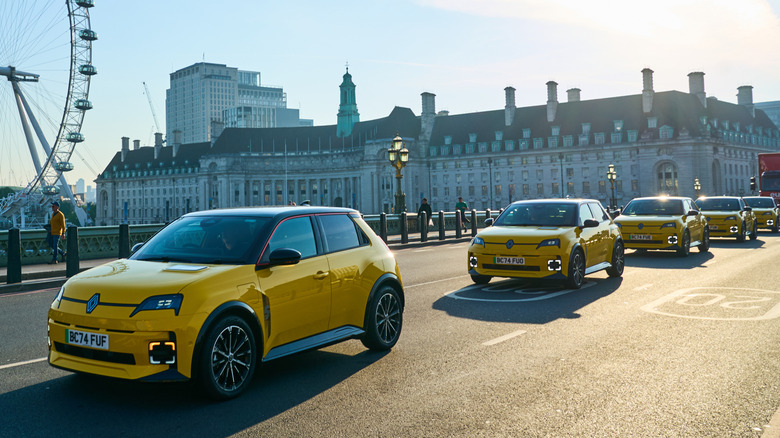
The ACEA argues that if the levy came into effect, UK- and EU-made EVs would no longer be competitive with rivals from China — themselves subject to import limitations — as the EU attempts to reduce its trade deficit. There's an element of irony there though, as most battery packs and chemicals used in these vehicles originate in Asia, with many imported from China. ACEA has proposed postponing the requirements until 2030, and pushing the additional requirement for European-made battery cathode material to 2032.
While European carmakers are pushing for the delay, the flip side of the coin includes European companies that have already invested in large-scale battery manufacturing facilities, as well as the EU chemicals industry. According to the report, while a delay to the 10% levy being implemented is likely, it's unclear as to how long it will be staved off. An unquoted UK official said that serious negotiations will likely begin after an EU-UK summit, which is scheduled for November 20, 2026.