









- This new trade deal could help the EU reduce its trade deficit by up to €14 billion.
- Limiting the number of hybrids exported to Europe will help protect local brands.
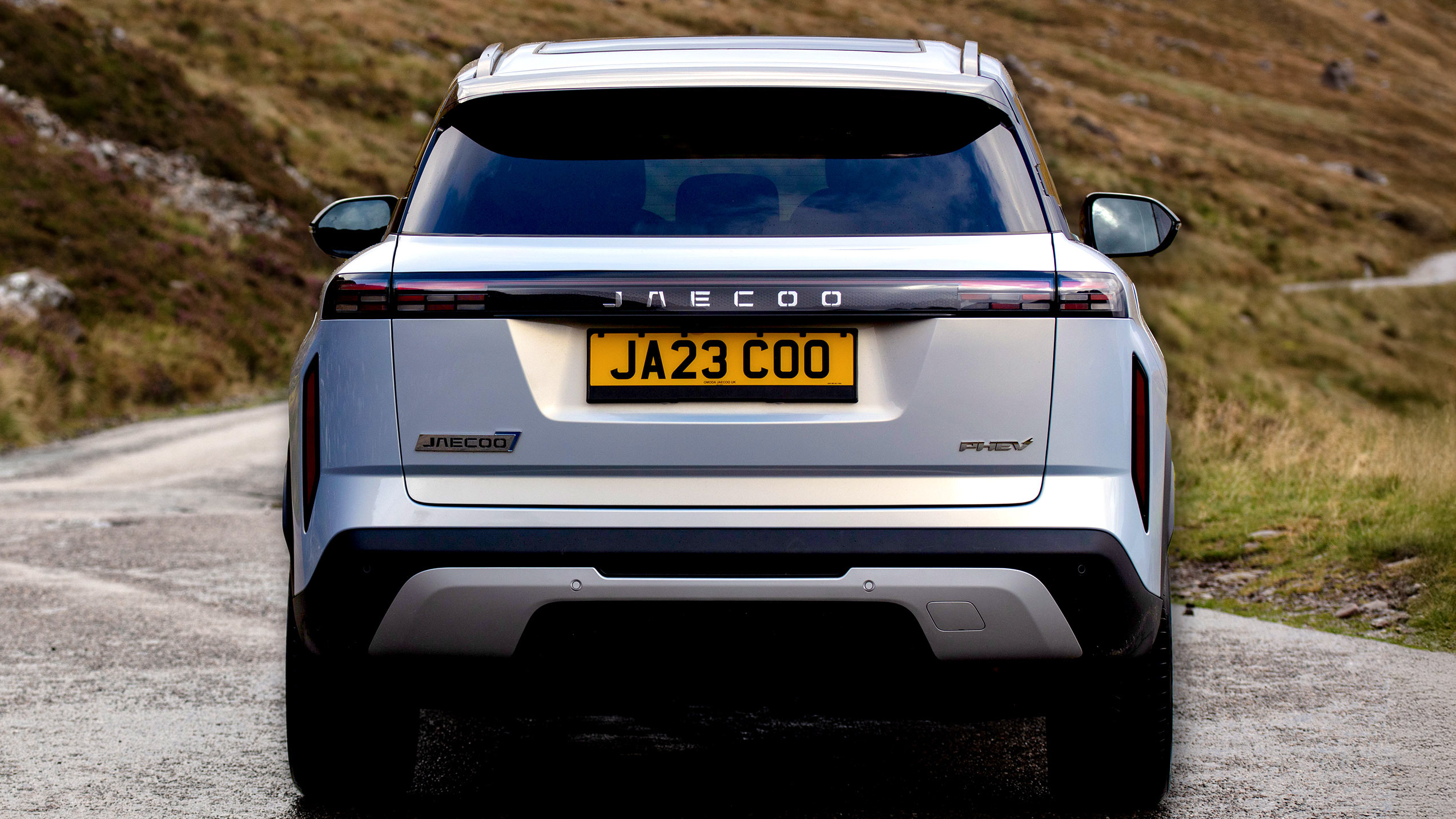
- Chinese plug-in hybrids accounted for a quarter of all units sold in the EU this year.
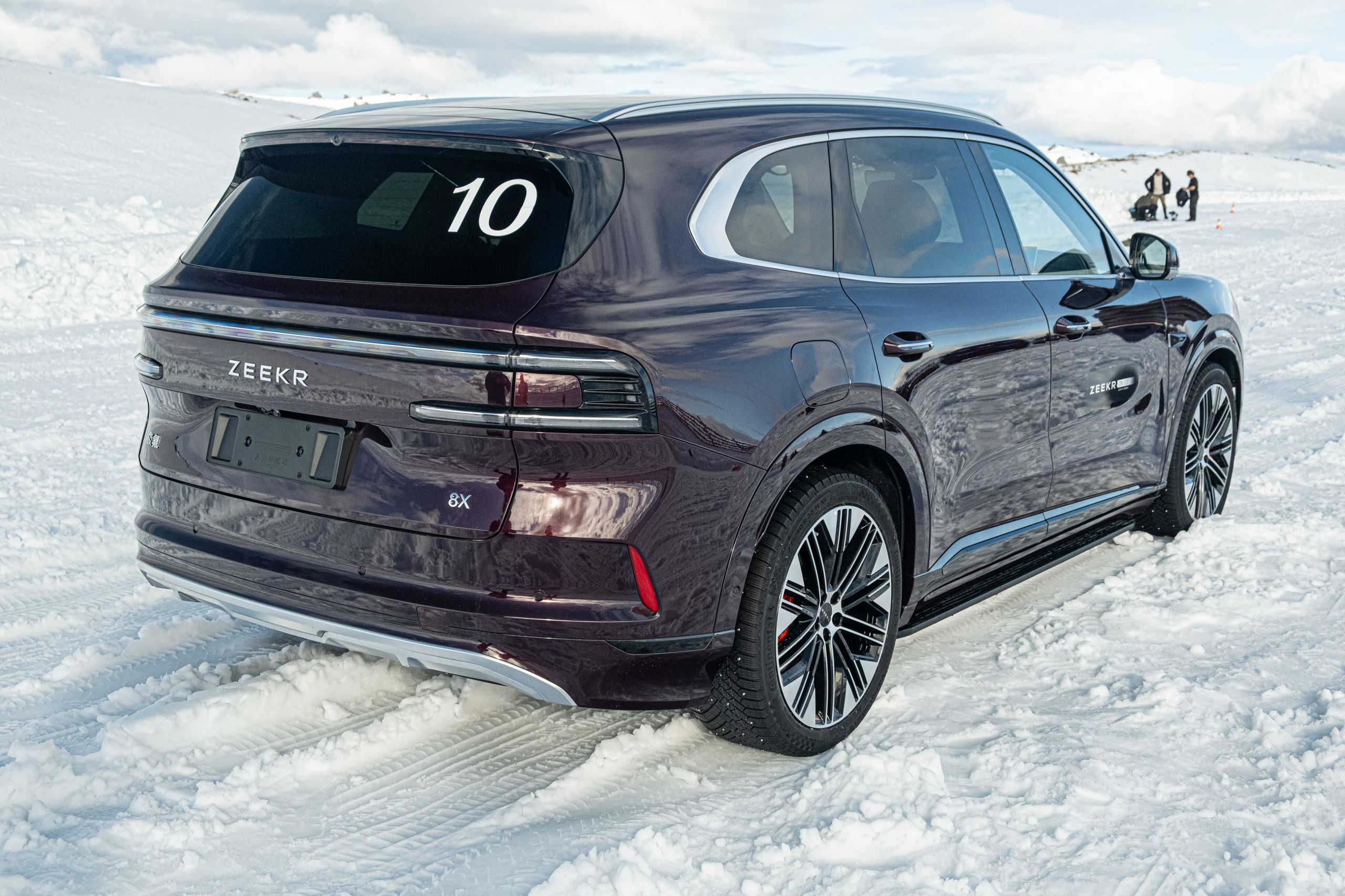
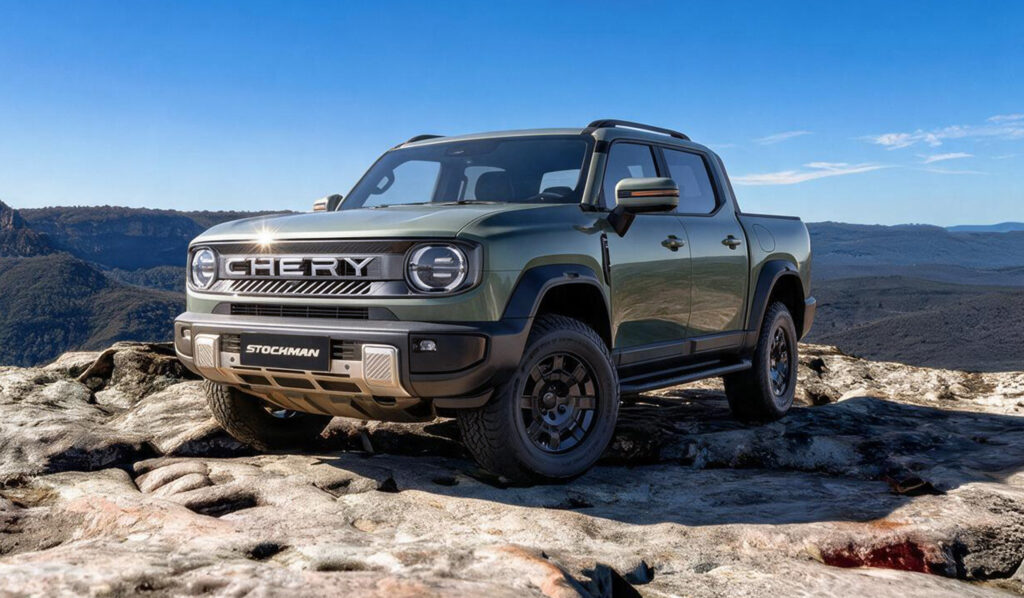
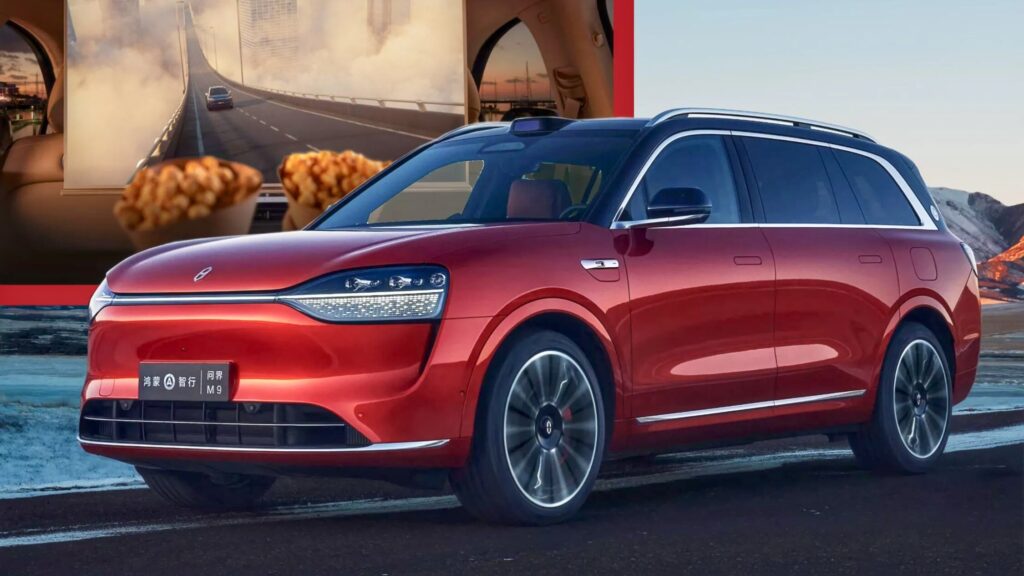
Ever since the European Union imposed tariffs on Chinese EVs, impacted carmakers switched their focus to hybrids, exporting them en masse to the EU. Now, the EU is taking action against these hybrids, announcing a strict quota to protect local car brands and reduce its trade deficit with China.
Under the new deal, which still needs to be approved by member states, the number of hybrids from China landing on European shores will more than halve over the next four years. While some key details remain unconfirmed, Bloomberg reports that the quota will be set at just 350,000 hybrids in 2027 and then increase by 6% every year. To put that into perspective, as many as 800,000 Chinese hybrids are expected to have landed in the EU this year.
Read: One Third Of The Car Brands At The 2026 Paris Auto Show Are Chinese
However, The Financial Times reports that next year, the quota will actually be capped at between 500,000 and 700,000 vehicles. Without a quota, Chinese brands were on track to quickly account for the majority of hybrid and plug-in hybrids sold across the region. In the first half of this year, 25% of all plug-in hybrids sold in Europe came from China, up from just 2% in 2024. Chinese vehicles also accounted for 14% of total hybrid sales, also up from 2%.
China Agrees To Not Retaliate
EU and Chinese officials negotiated the deal late last week in to avoid a larger trade conflict. It’s reported that China has agreed not to retaliate against EU imports because of the deal. EU officials believe the deal will help to reduce its trade deficit with China by between €10 billion ($11.2 billion) and €14 billion ($15.6 billion).
Equally, or perhaps more importantly, the deal will benefit European car manufacturers. Surging popularity of Chinese EVs and hybrids has created mayhem for several brands, including Volkswagen, which plans to cut 100,000 jobs in the coming years to try and get its competitive edge back.
Chinese Commit To Building In Europe
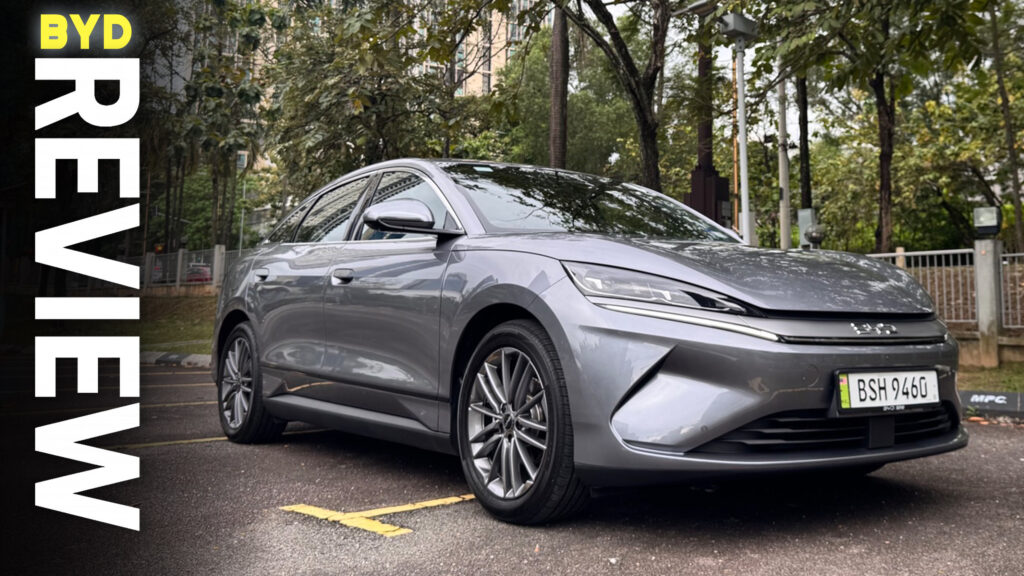
It appears Chinese companies already have a solution to the quota. In recent years, several brands have been establishing manufacturing bases across Europe, and it appears the quota only impacts hybrids exported from China, not those built by Chinese brands on European soil. BYD has already established a plant in Hungary, while other brands, including Dongfeng, Chery, Geely, and Leapmotor, are all working to build cars in Europe.