

Toyota's Tiny New Scion Could Make Simple Cars Cool Again
Big impressions from a micro drive
Cars, trucks, and SUVs today often share a similar brief: be as many things as possible in an effort to appeal to everyone. For example, the Dodge Durango Hellcat offers three rows of seating, the ability to tow over 8,000 pounds, and enough horsepower to make a supercar blink. The Toyota RAV4 GR Sport tries to combine dynamic handling and power with fuel-saving hybrid tech all wrapped up in a family-friendly package.
Just about every single brand does this kind of thing. It's easy to see why, but it also introduces complexity and compromise all over the place. The new Scion by Toyota KEI-01 is the exact opposite. As we reported last week, this isn't some new type of vehicle; it's just new for the U.S. Japan and other nations have had small trucks and cars like this for decades. In its home nation, it's part of a car class called kei. That's where it gets its name for the American market.
It's a trucklet. It's made to work. There are no fancy modes, no Nappa leather upholstery options, and no question about how to use it. Moreover, the bones of this little truck are simple and straightforward – it's a work truck made for ranches, campuses, and for those who want to use it as a movable pop-up business foundation. After driving one in Texas, I wonder if it might make Americans fall back in love with simple transportation. While Toyota hasn't announced pricing or horsepower, our seat time with it gave us some important takeaways.
What is this thing?
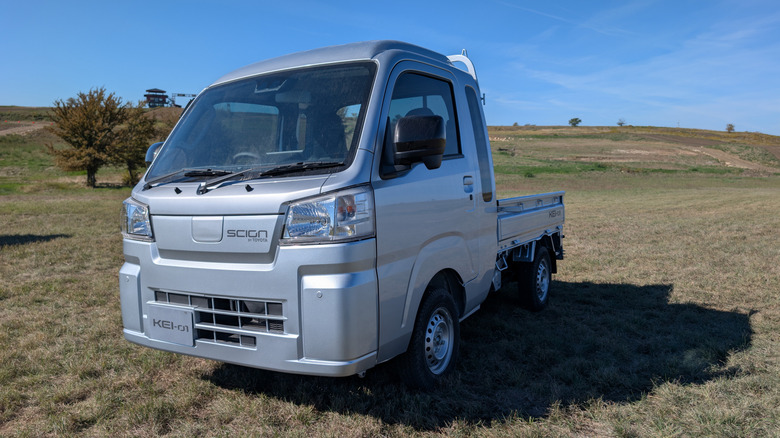
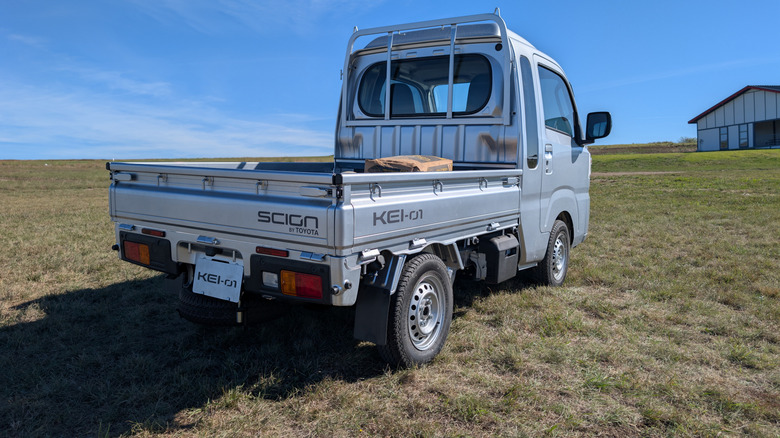
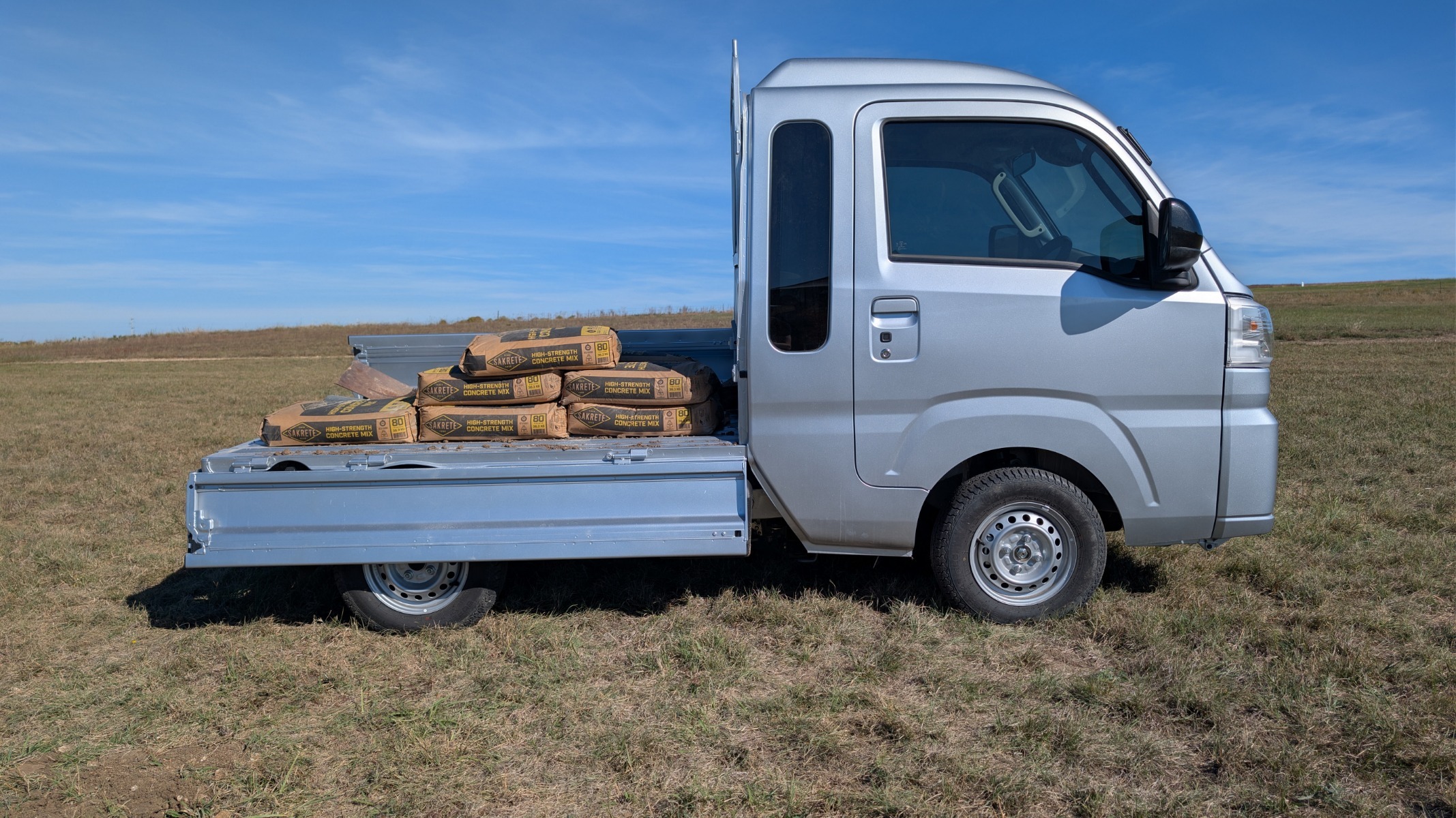
At just over 11 feet long and 5 feet wide, the KEI-01 has a very small footprint. Getting it in and out of tight spaces is no big deal, while the cargo bed is plenty spacious for what most people will need in its intended work environment. The bed actually extends ever so slightly into what would initially look like the cabin to accommodate longer items, and the three sides are foldable for easier loading and unloading. Toyota says it can handle up to 600 pounds (272 kg) of payload back there. More importantly, the automaker also said that it could sell it to the public if the reception is good.
When U.S. production starts in 2027, the KEI-01 will only be available as a fleet vehicle, and it will be classified as a& Low Speed Vehicle (LSV). That means that it doesn't have to abide by all the same crash regulations that passenger cars, trucks, and SUVs do. Of course, it also can't do what normal cars can do — drive on highways or roads with speed limits over 35 mph. That's because this truck has a top speed of 25 mph.
 Stephen Rivers/CarScoops
The spec sheet showed that this kei truck features a 660cc three-cylinder engine, a CVT, and selectable four-wheel drive, but our up-close look gave us more details. Our test vehicle's VIN plate listed an engine code of KF-VE4. While not confirmed as the production engine that we'll get in America, it's an interesting finding. That engine is indeed a three-cylinder and makes 45 horsepower and 44 lb-ft of torque. Notably, it's naturally aspirated and features a 12-valve DOHC design.
What's inside?
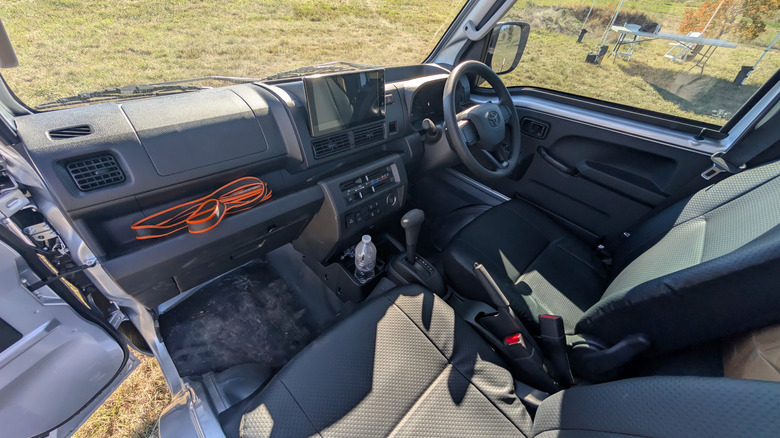
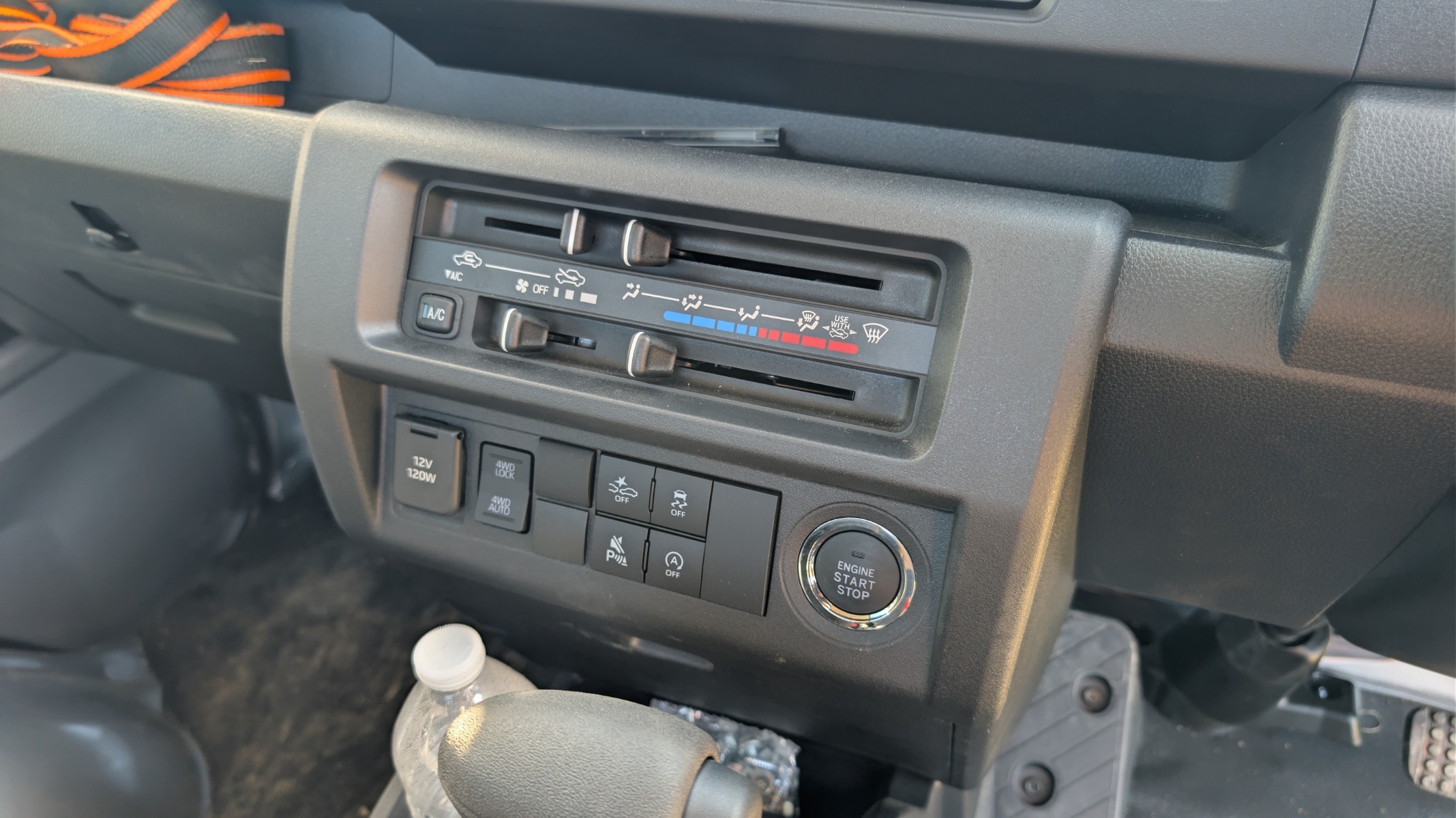
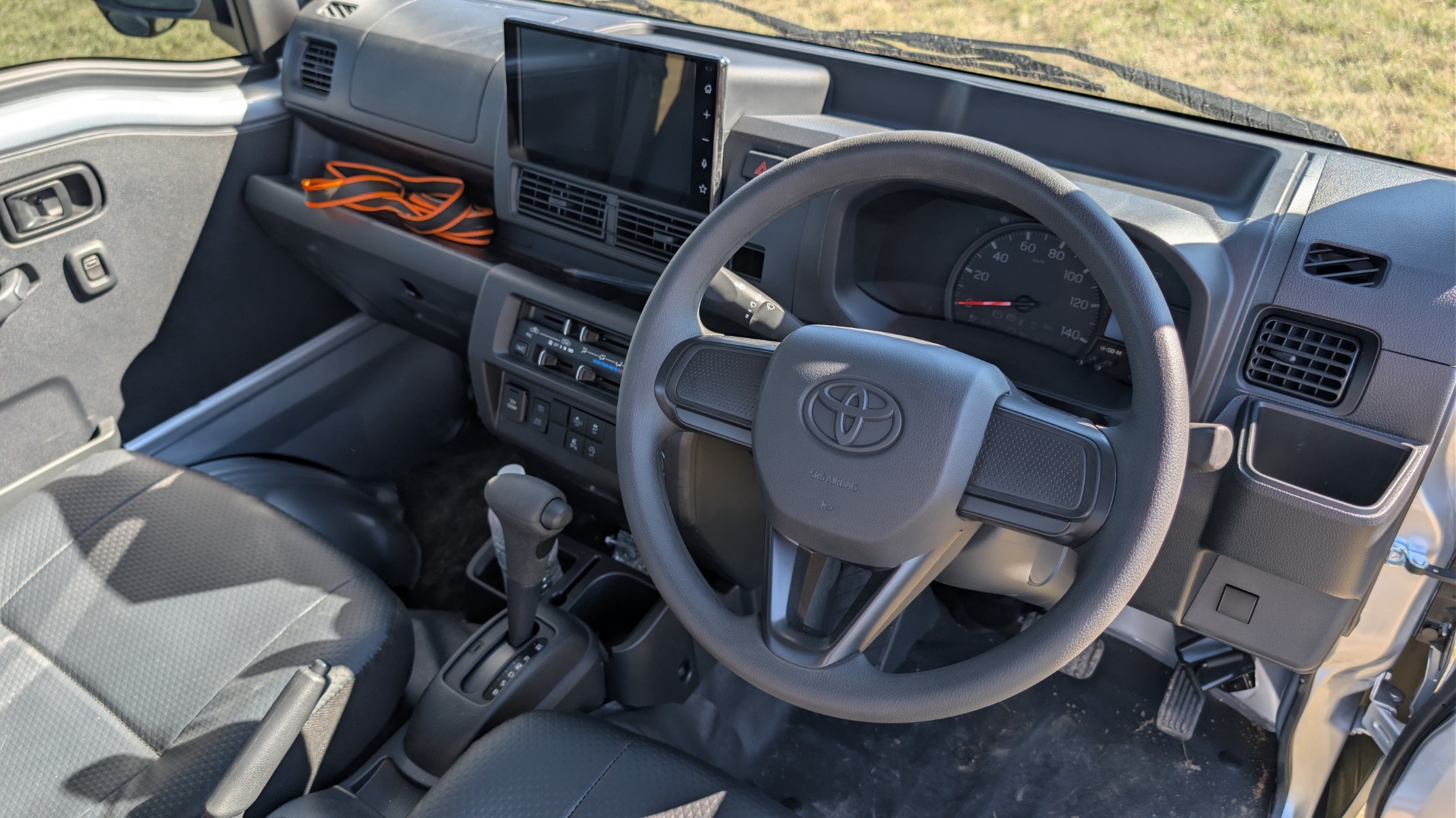
Forget all the complex buttons, switches, and knobs you'll find in a modern car. The cabin of the Scion by Toyota KEI-01 feels more like a vehicle from the 1980s. From inside the cabin, every single control is simple and within arm's reach. The climate controls are delightfully old-school. They consist of four sliders, including fresh air/recirculation, temperature, fan speed, and one more for where to direct the air. There's a single simple button to turn the A/C compressor on or off. That's it. No dials, no climate zones, no touchscreen menus to sort through. It has safety features and power windows, but perhaps the only real reminders that you're the modern era of vehicles are the start/stop button just to the left of the steering wheel and a modern infotainment system.
 Stephen Rivers/CarScoops
Below the HVAC stuff, you'll find more buttons that control auto start/stop, traction control, and collision warnings. There's also a switch to tell the KEI-01 whether you want it to stay locked in 4WD or let it decide when to send power to all four wheels. A small old-school 12-volt outlet sits just to the left. Below that is a simple PRNDSB shifter that looks straight out of a 1990s Toyota product with S and B modes that offer two different levels of engine braking downhill.
 Stephen Rivers/CarScoops
Toyota hasn't confirmed exactly what infotainment system the U.S.-spec versions will be built with, but in other markets, this truck offers a 6.8-inch or 9-inch screen with both Android Auto and Apple CarPlay. It can even handle navigation and voice recognition. The screen might be the only thing in the cabin that needs some thoughtful care. Everything else looks like it would be easy to clean after a long, hard day of work.
How does it drive?
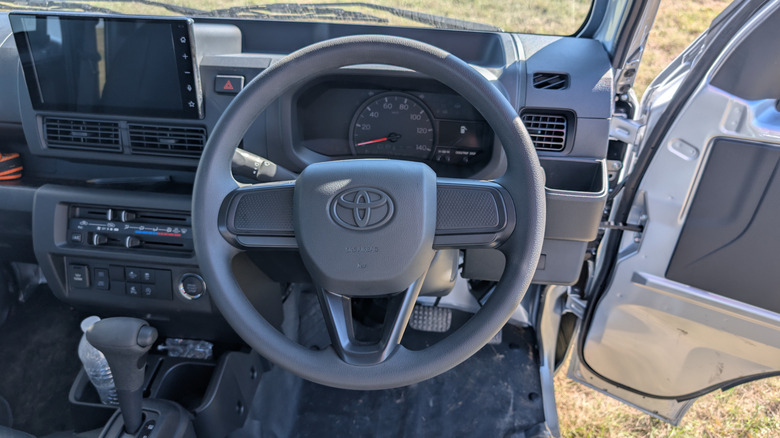
The KEI-01 might be tiny, but at six-foot-six, I actually fit without too much contortion. My long legs did feel a bit cramped, though. There's just not much room between the door and the steering wheel, so your right leg is going to be stuck in a small box of possible positions when in here for long periods of time. That said, it should be plenty comfortable for the vast majority of scenarios that people will encounter in these, namely short trips into town or around the farm or job site. The hardest part might be adjusting to driving from the right-hand side.
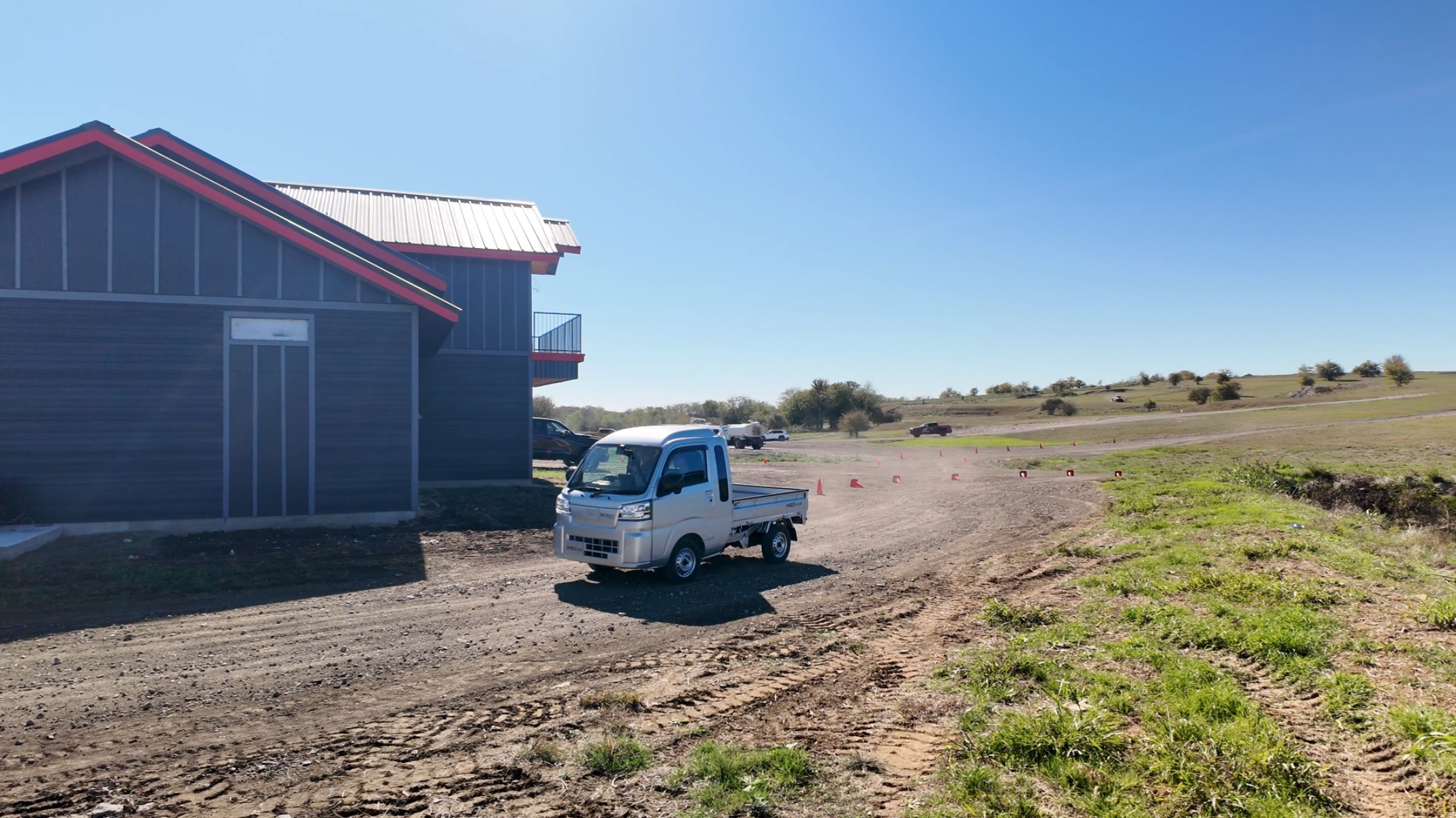
Our test route was very short. I'm talking about several hundred yards rather than miles, but it gave us plenty of changes to see how this little truck handles bumpy dirt roads and steep inclines. I'm happy to say that it felt overqualified. Of course, Toyota wasn't about to let us loose on a trail that would've embarrassed the KEI-01.
 Stephen Rivers/CarScoops
The engine and transmission were responsive, but reaching the speed limiter was easy — once there, though, the little truck didn't really drone as loudly as I expected. The steering felt good and the brakes were more than adequate. I really like how easy it is to pilot something like the KEI-01. Visibility is about as good as it can get and there's no fussing with controls or features.
The light nature of the truck is worth mentioning. Because this isn't made for highway driving, it's not as insulated or quiet as one might expect. Noise from outside the cabin makes its way in quite easily. Some rattling is to be expected, but that's not a knock on the build quality. It's just a part of the design in this case.
What's the point?
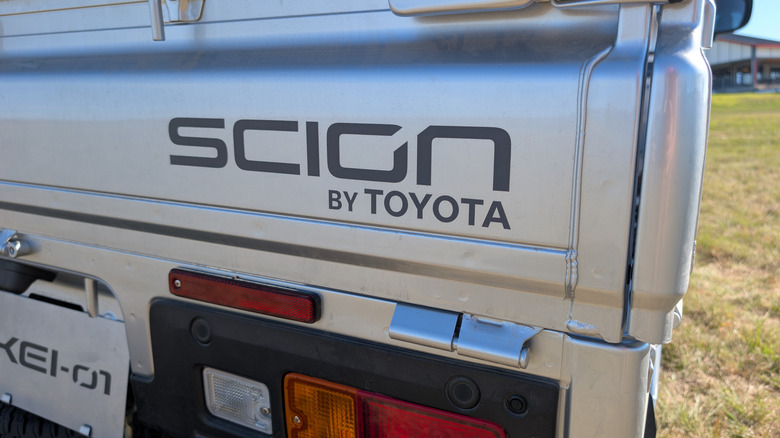
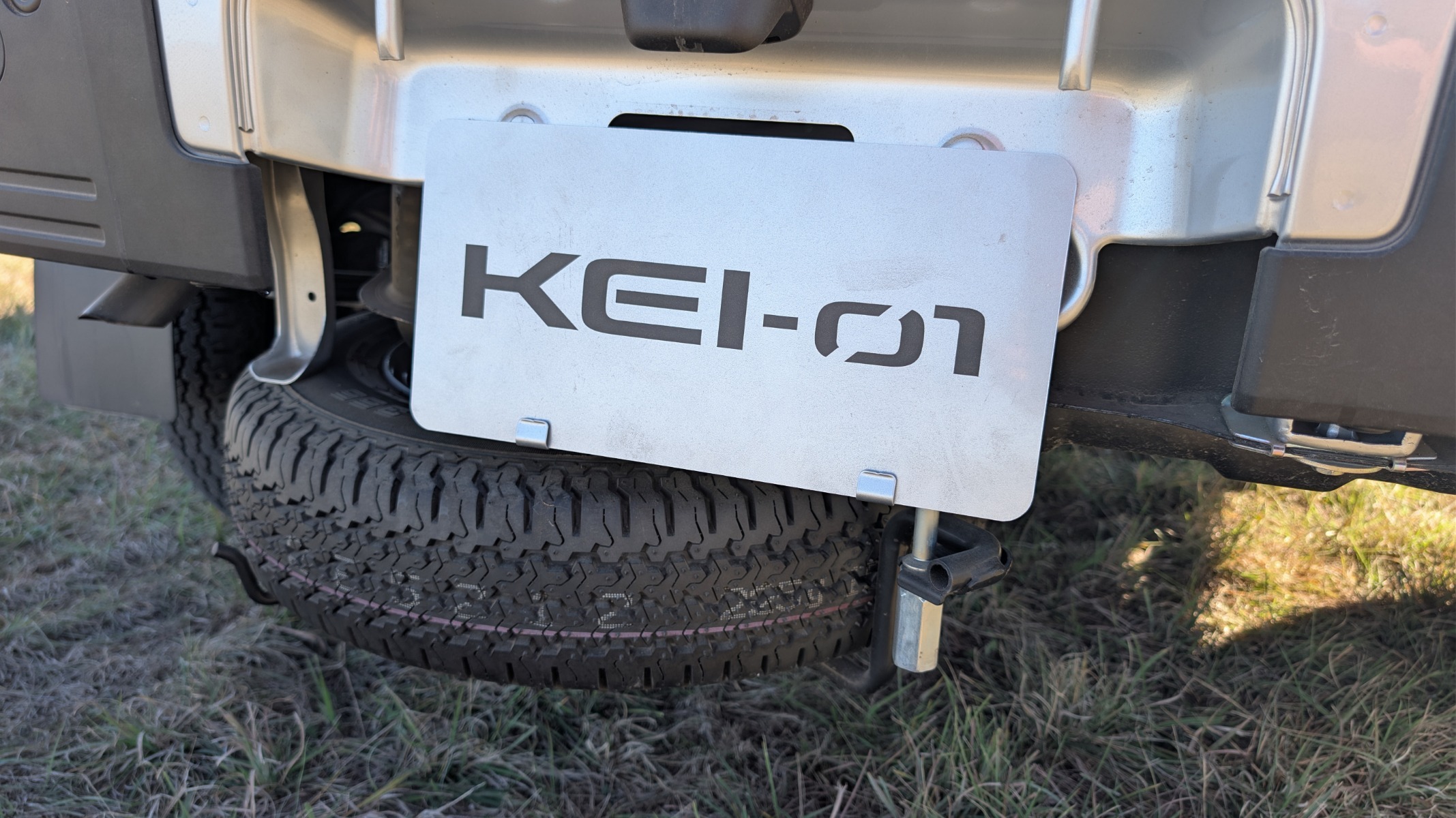
Speaking of the design, simplicity is the name of the game for the KEI-01. Sure, the cabin and controls are simple, but let's think beyond that. The bed doesn't have special storage spaces or some crazy sliding tie down system or a step to help you get in and out. Instead, it has three panels that fold up or down in about 20 seconds of simple manual labor whenever you need them to. There's a real spare tire under the bed for when you get a flat.
 Stephen Rivers/CarScoops
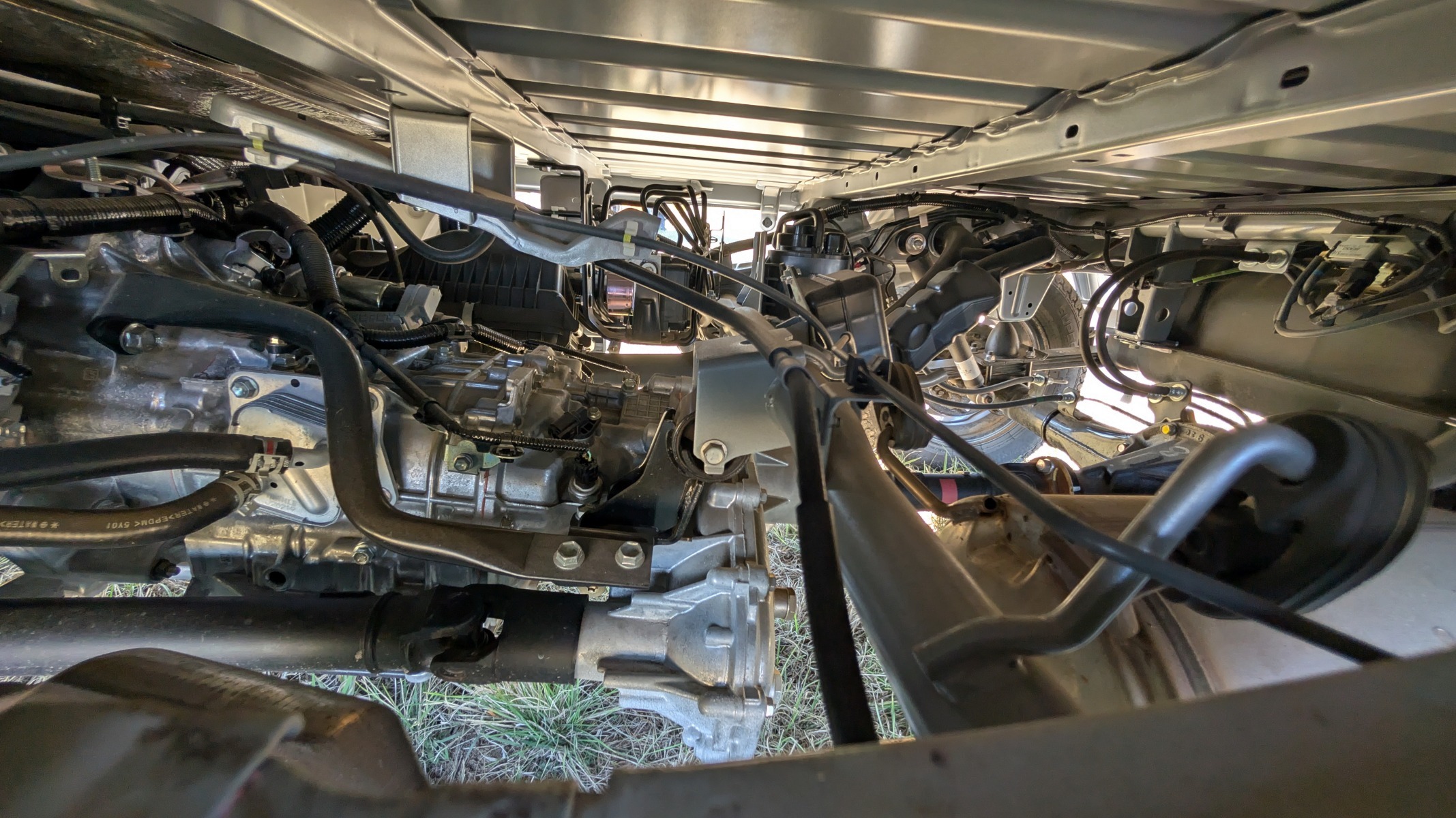
Working on the engine might be the hardest thing to do and all it requires is unlatching the seats and lifting them up. Most of the transmission, 4WD system, and suspension is visible without lifting the truck or removing major components. Without any fancy work, we snapped several photos of the running gear on this truck. Working on it won't require the same level of time commitment that a modern vehicle does.
 Stephen Rivers/CarScoops
Outside of the Slate, which is already going to have a limited audience thanks to being an EV only, there's very little available in America that is this simple. That's a strength rather than a weakness in my view. A couple of decades ago, simple, easy-to-maintain, easy-to-work-on vehicles were available from most brands. Today, even relatively inexpensive cars are anything but simple and easy to care for. Maybe decades from now we'll look back at the KEI-01 as the start of a new wave of American desire for small, simple, and reliable transportation.