










- Electric LSVs promise prices around $15,000, far below the average new vehicle.
- Fiat and Chip see demand for small neighborhood runabouts in places such as Miami.
- Yet 25-mph vehicles cannot replace the highway-capable cars most Americans actually need.
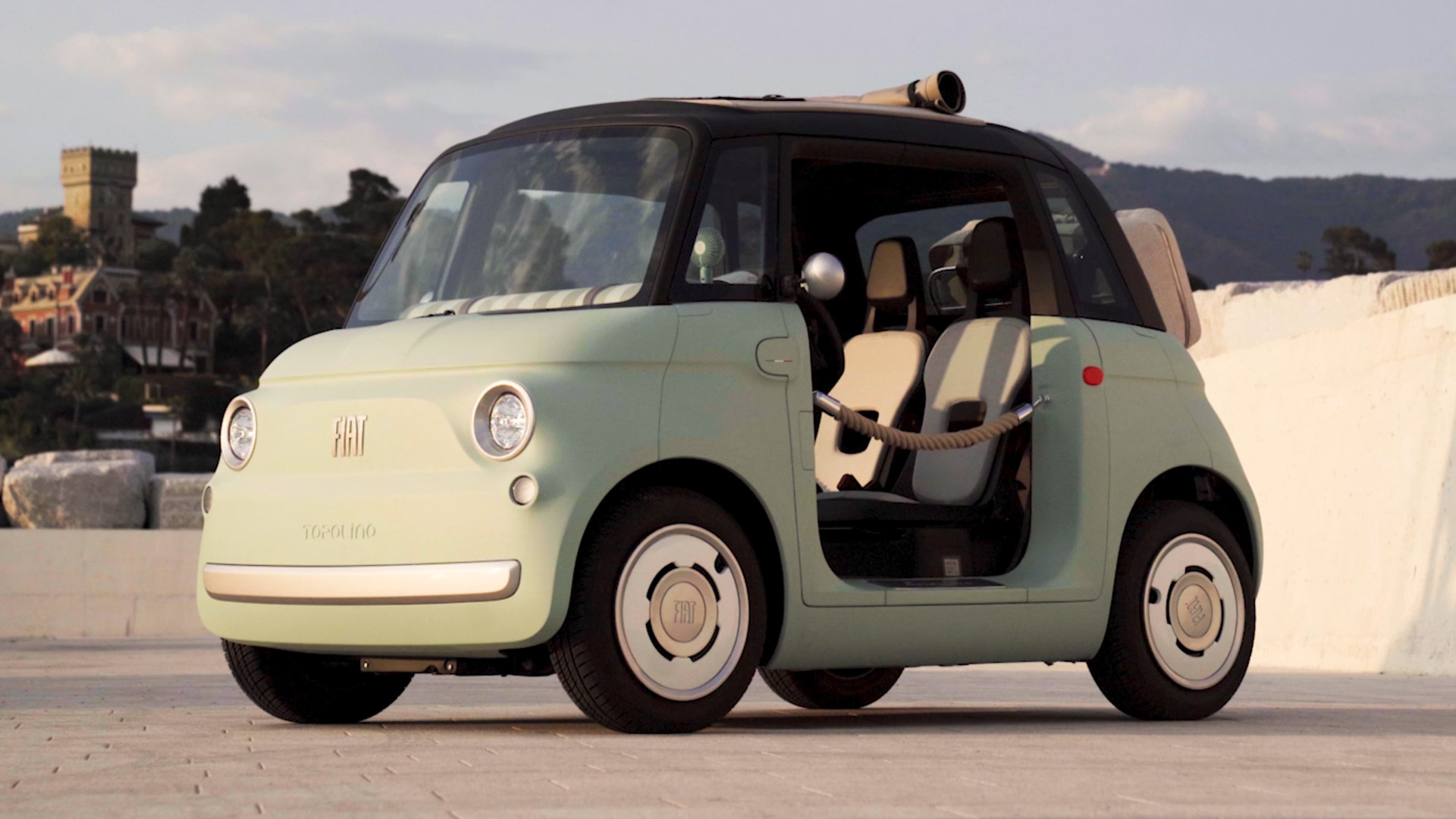
Americans are understandably tired of hearing why a new vehicle now costs the better part of $50,000. Automakers did not totally invent the country’s appetite for SUVs and pickups. But there’s no doubt that they have spent decades feeding it, moving buyers into bigger, plusher, and far more profitable machines. Their newest answer to affordability may be a $15,000 electric low-speed vehicle. In other words, when America asks for a cheaper car, the industry may offer a more convincing golf cart.
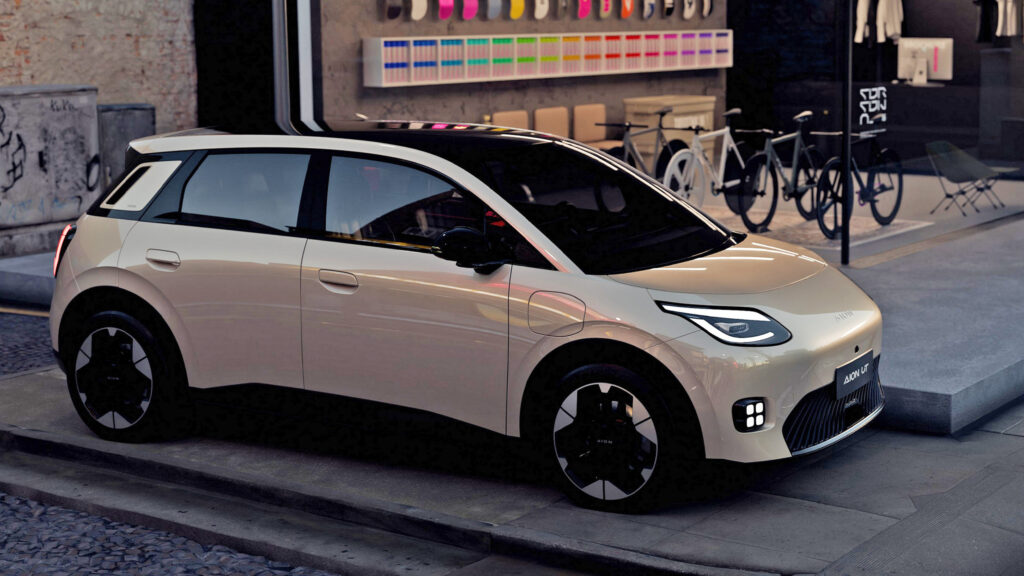
As CNBC reports, companies including Stellantis’ Fiat, Waev, and startup Chip Motors, see an opening for electric LSVs. Fiat is using Miami to test its tiny Topolino quadricycle, while Chip plans to begin production of a four- or six-seat vehicle next year. Both are expected to start at roughly $15,000, a figure that suddenly looks interesting in today’s market.
Read: Fiat’s Bringing An EV To America So Small It Makes Kei Cars Look Like Cadillacs
There is a real use case here. An LSV can be ideal in some spaces. Think of a retirement community, a beach town, a resort, or a dense development where the grocery store, restaurant, and mailbox are all a few miles away. They can generally charge from a normal household outlet, cost less than a conventional EV, and offer more weather protection than a typical golf cart. As a second vehicle, that sounds perfectly sensible and even a little fun.
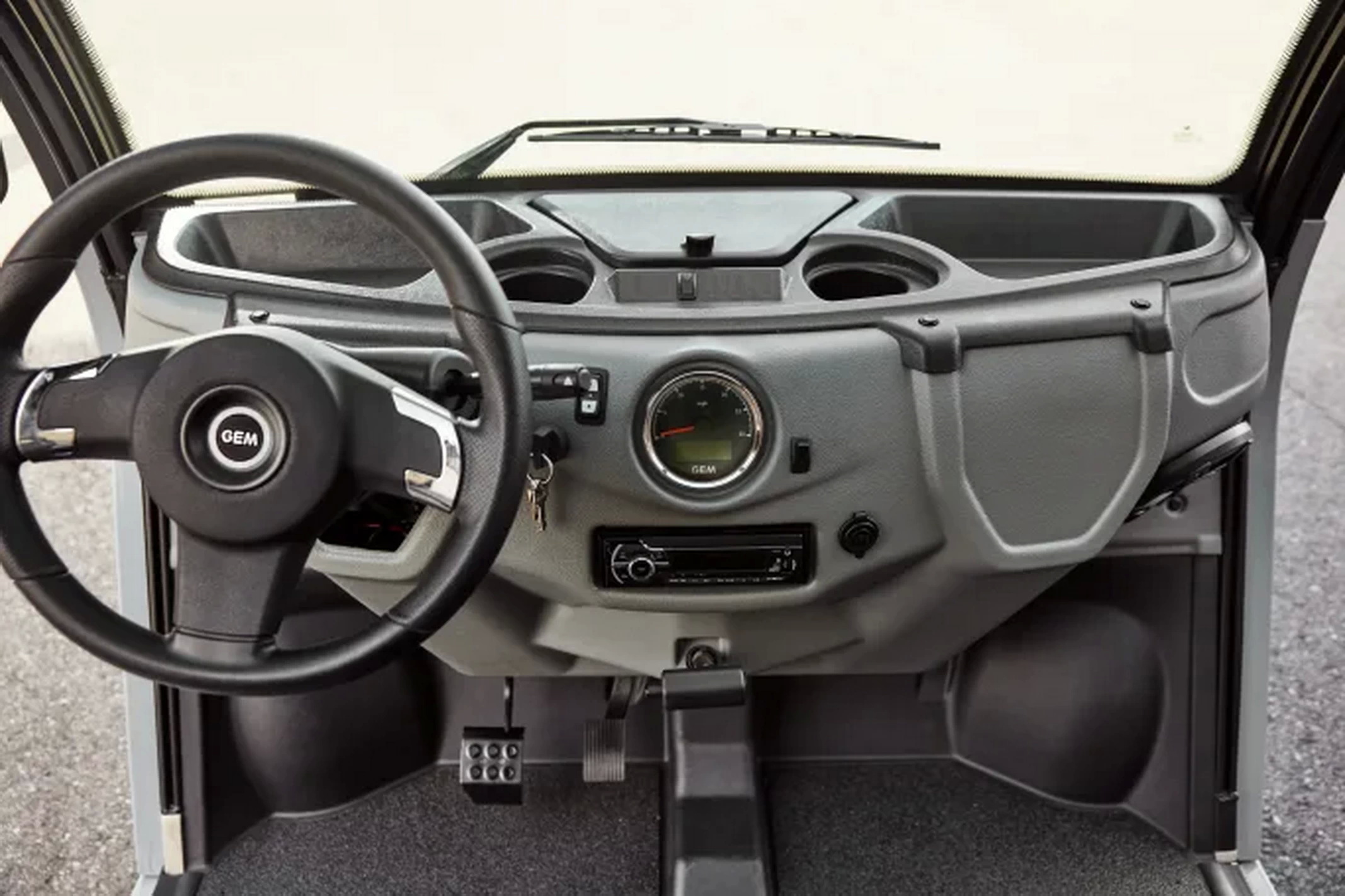
Still, it takes a remarkable amount of optimism to frame one as an answer to America’s broader transportation problem. Federal rules generally limit LSVs to 25 mph, and states may allow them only on roads posted up to 35 mph. They need lights, mirrors, turn signals, and a compliant windshield, but airbags are not required. That is not a cheap replacement for a normal family car. It is a vehicle for people whose lives happen to fit inside a very narrow operating envelope.
That is where the affordability pitch begins to wobble. America does not need another clever way to sell a vehicle that cannot safely handle the daily realities of American driving. It needs genuinely affordable, highway-capable cars with enough room, safety equipment, and range of ability to serve as a household’s primary transportation.
LSVs may become a healthy niche, and good for them if they do. The roads will be more whimsical with them there. But they are cheaper precisely because they are less capable and subject to fewer requirements than a normal car. Sell them honestly as fun, useful local runabouts, and there is a case to make. Sell them as the industry’s answer to soaring vehicle prices, and it starts to look like the affordability crisis has been answered with a loophole.