

Why Subaru Engines Work Well In Small Airplanes
Rally cars aren't all they make fly.
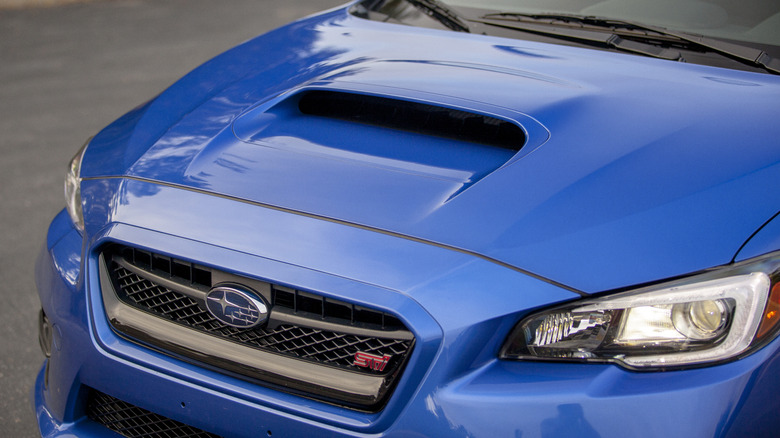
Subaru is widely known for its symmetrical all-wheel drive and horizontally opposed engines. But not many people are aware that some of those flat-4 engines have been used to fly above the ground. No, we are not talking about the old WRX STI rally cars doing long jumps in gravel and snow WRC stages, but actual airplanes powered by Subaru boxers.
While no certified production aircraft come fitted from the factory with a Subaru powertrain, they have become quite popular across the homebuilt aviation world. Amateur builders have spent decades adapting passenger car engines for light planes, treating the automaker's mass-produced hardware as a budget-friendly alternative to traditional aircraft powerplants.
As you might have guessed, the appeal begins with packaging. Boxer engines lay their cylinders flat on opposite sides of a central crankshaft, sharing the fundamental layout with air-cooled aircraft engines. The low profile allows the mill to fit inside a fuselage cowling without blocking the pilot's view over the nose, while the opposing pistons cancel out vibrations, which is crucial for a lightweight aircraft.
Subaru engines are cheap and easy to run
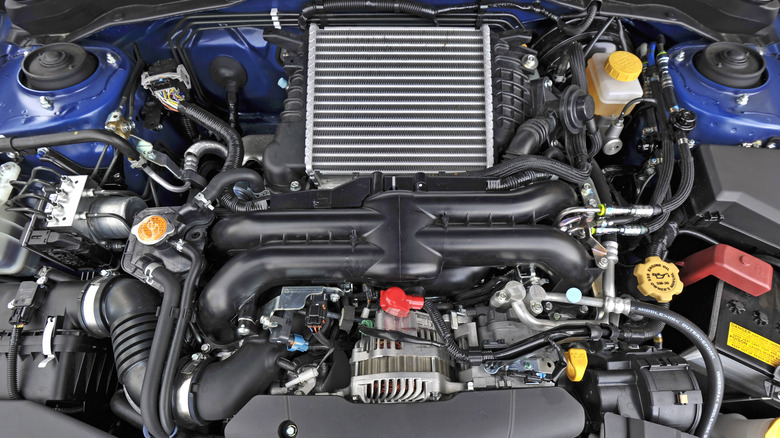
Two crucial factors in repurposing Subaru engines to go airborne are cost and parts availability. Purpose-built aircraft engines are usually produced in small numbers, making them more expensive to buy and much pricier to maintain and rebuild. For example, a brand-new Lycoming O-360-A4M four-cylinder engine could cost between $80,000 and $110,000.
By contrast, Subaru's EA, EJ, EG, and EZ engine families were produced in huge volumes for cars, allowing homebuilders to source them for $2,500 or less before the required conversions. Better still, builders report running these conversions on regular 91-octane pump gas from a standard service station rather than pricey aviation fuel.
Of course, Subaru isn't the only automaker whose engines have traded pavement for airspace. Air-cooled Volkswagen flat-fours and Chevrolet Corvair flat-sixes have been used in homebuilt aircraft. Those chasing big power might bolt a Mazda 13B rotary engine or an all-aluminum Chevy LS V8 into experimental airframes.
Car engines aren't plug-and-play for airplanes
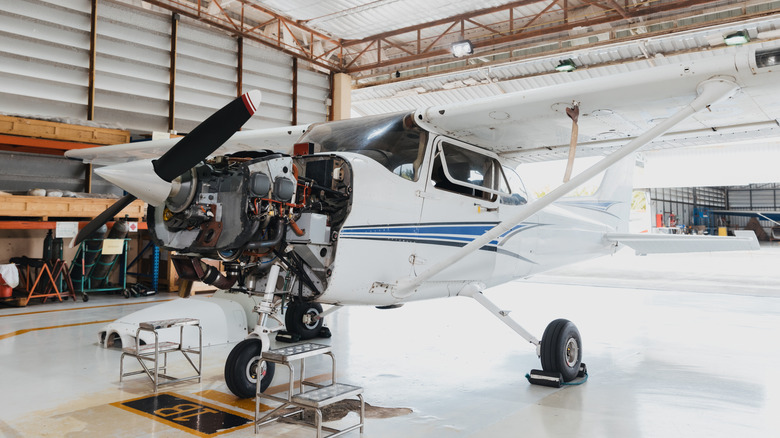
Bolting a passenger car motor onto an airplane is not as simple as it sounds. Planes keep their engines above 4,000 rpm for prolonged periods of time, which means they're working a lot harder than a highway-cruising automobile and need a more robust cooling system. For this reason, dedicated aircraft engines are always safer to use for flight, as they have been specifically engineered to support a more demanding role. It's a lot easier to put an airplane engine into a car than the other way around.
Pilots also warn that while Subaru blocks are generally very reliable, the quality of the conversion and the supporting hardware could break a build. According to Kitplanes, around 20% of homebuilt auto-engine conversion accidents occur within the first 10 flight hours due to teething issues, while the equivalent percentage in dedicated aircraft engines is only 6%.
Add in extra weight and the mandatory head gasket upgrades on naturally aspirated motors, and flying behind a Subaru remains a project suited to hands-on gearheads rather than turn-key amateur pilots.