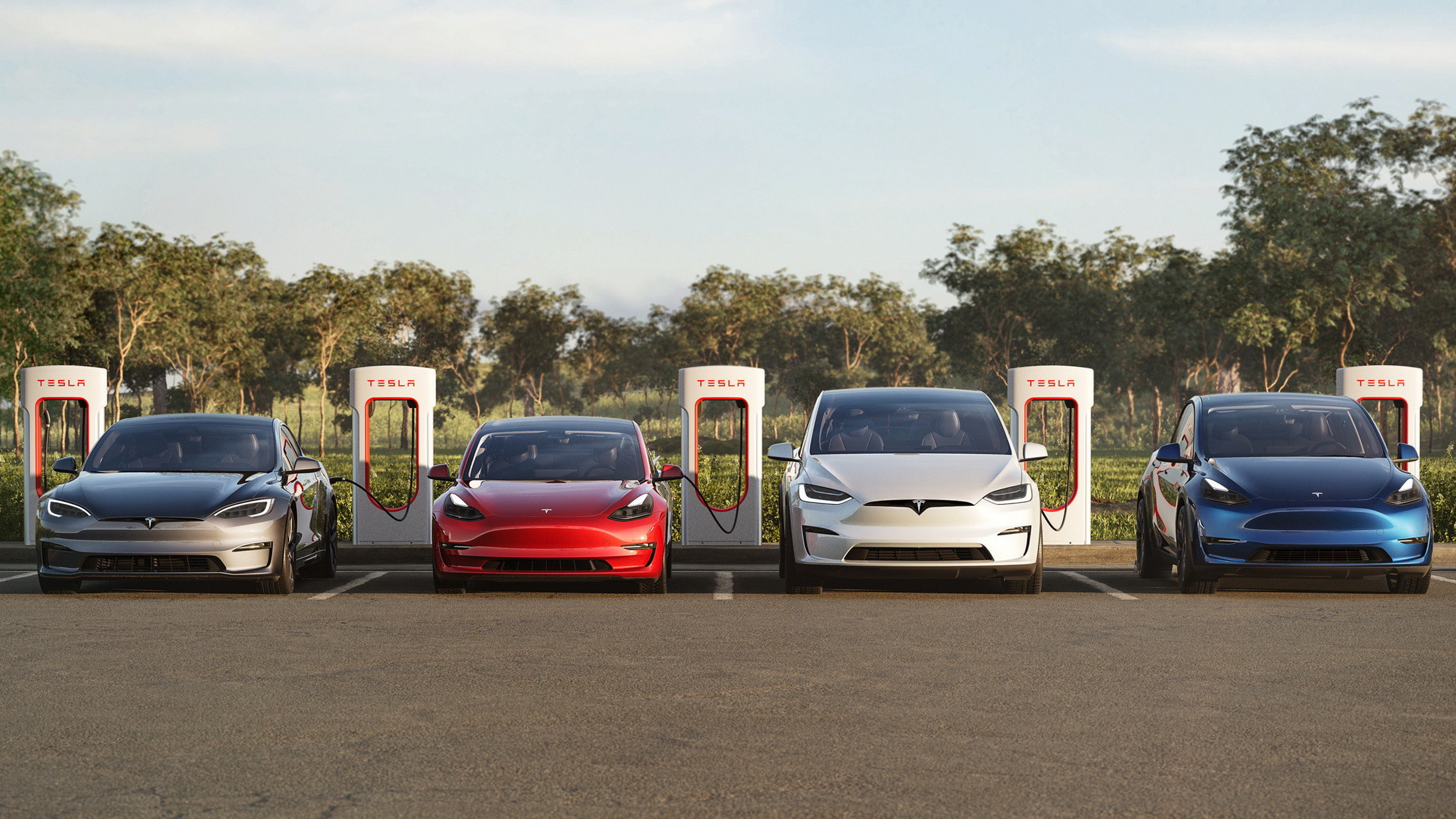
Tesla Lowers Range Estimates After Owner Complaints And EPA Update
Range estimates for the Model S, X, and Y have fallen by as much as 9 percent following updates to EPA testing protocol

While Tesla vehicles are known for their efficiency and electric range, real-world tests have often shown that they don't reach the range claimed by the automaker. Now, Tesla has been forced to bring its estimates back down to earth following an update to the Environmental Protection Agency's range testing rules.
Tesla's range estimates for some of its vehicles, including the Model S, Model X, and Model Y, were reduced by up to 9.3 percent due to the updated EPA testing rules. Interestingly, the range estimate for the Tesla Model 3 remains unchanged.
The adjustments are partially down to a revision in EPA policy regarding range tests for battery electric vehicles. The regulator said in a statement that the update was being made to "ensure all label data is generated in a consistent manner that will better reflect real-world performance."
Read: U.S. Justice Department Investigating Tesla Over Range, FSD And More
| Model | Range '23 | Range '24 | Difference | Percentage |
| S Long Range | 405 | 405 | 0 | - |
| S Plaid | 396 | 359 | 37 | 9.3% |
| X Long Range | 348 | 335 | 13 | 3.7% |
| X Plaid | 333 | 326 | 7 | 2.1% |
| Y RWD | 260 | 260 | 0 | - |
| Y Long Range | 330 | 310 | 20 | 6.0% |
| Y Performance | 303 | 285 | 18 | 5.9% |
Internal documents obtained by DriveTesla indicate that the change in EPA requirements, which now mandate testing vehicle range in multiple drive modes rather than just the most efficient one, had an impact on the reduced range estimates. The documents also mention "comfort and functionality improvements" that result in higher energy consumption from the batteries.
The adjustments follow reports that an investigation and a lawsuit have been filed against the automaker for its "grossly overstated" range claims. According to a disclosure from Tesla to the U.S. Securities and Exchange Commission, the automaker has received requests for information from government agencies "regarding certain matters associated with personal benefits, related parties, vehicle range and personnel decisions."
Meanwhile, in California, drivers who own Tesla vehicles have filed a class action lawsuit against it for allegedly overestimating ranges. Leaked files suggest that the automaker was forced to set up a response team to field customer complaints related to range because of how many it received. Worse, the team was reportedly tasked with canceling as many of these customers' service appointments as possible.
It will be interesting to see if these changes address the government's and owners' concerns, or are viewed as evidence of the automaker's overestimation.