- Hertz has established its new Oro Mobility unit to support Uber’s robotaxi fleet.
- Oro will handle charging, maintenance, and repairs for Lucid robotaxis.
- Five years ago, Hertz dived head-first into the world of EVs, costing it millions.
Hertz has designs on the driverless future, and it doesn’t involve building a single self-driving car of its own. The rental giant wants to run the robotaxi fleets instead, starting with an operation led by Uber, and let someone else worry about the hardware and the software stack.
Few companies have the same level of fleet management experience as Hertz does in the US, and it obviously believes self-driving robotaxis represent a compelling new way to grow in the future, even though such services remain relatively restricted at this stage.
Read: Uber And Lucid Partner For Thousands Of Robotaxis
Leading Hertz’s expansion is the formation of its new Oro Mobility unit. It has been established specifically to manage and service large fleets of autonomous vehicles and will initially support Uber’s autonomous robotaxi program, using vehicles from Lucid equipped with advanced Nuro autonomous driving technologies.
What Will Hertz Do?
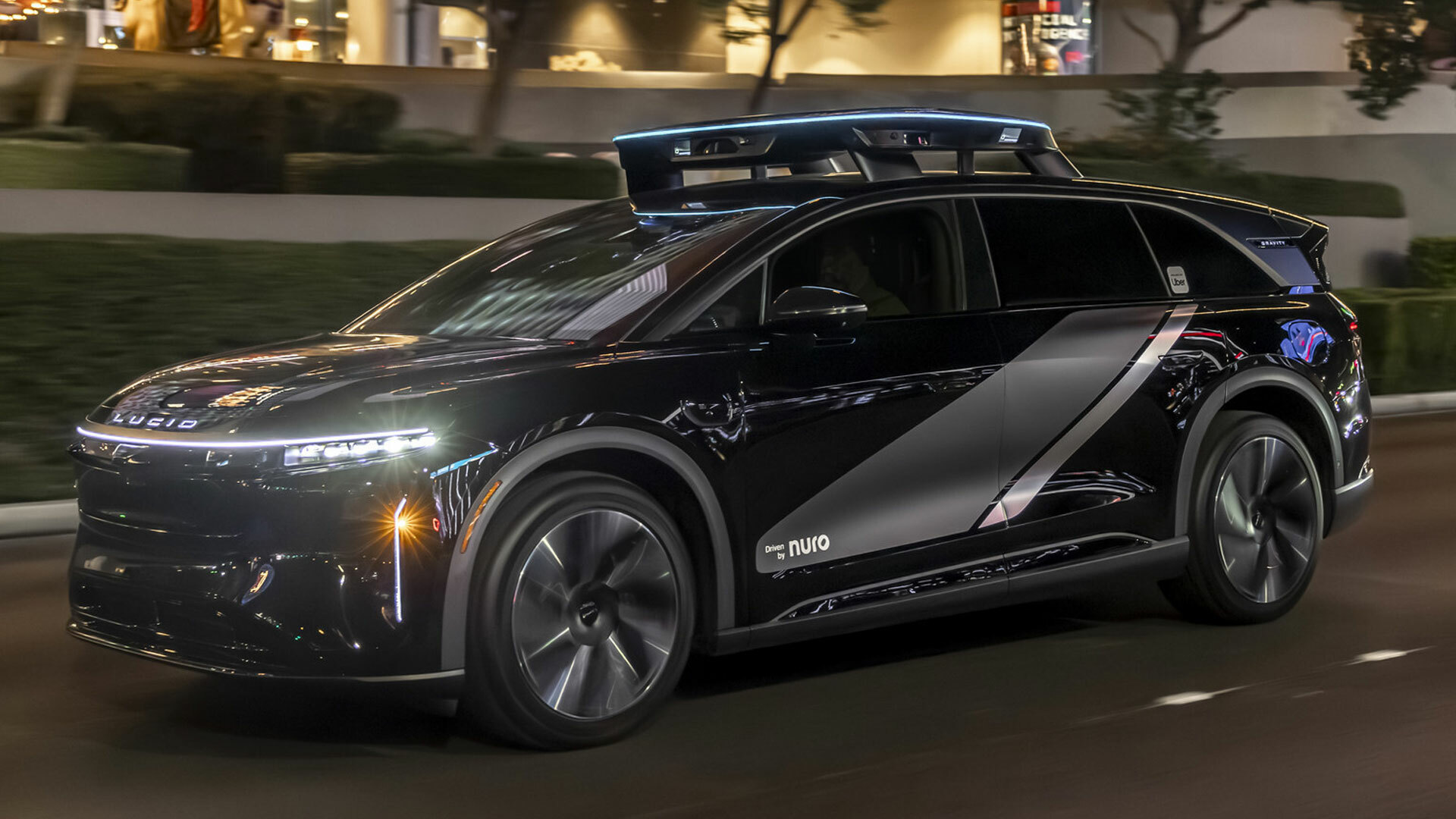
Oro will be tasked with handling charging, maintenance, repairs, cleaning, and depot staffing of Uber’s service, initially launching in the San Francisco Bay Area before growing into other markets next year.
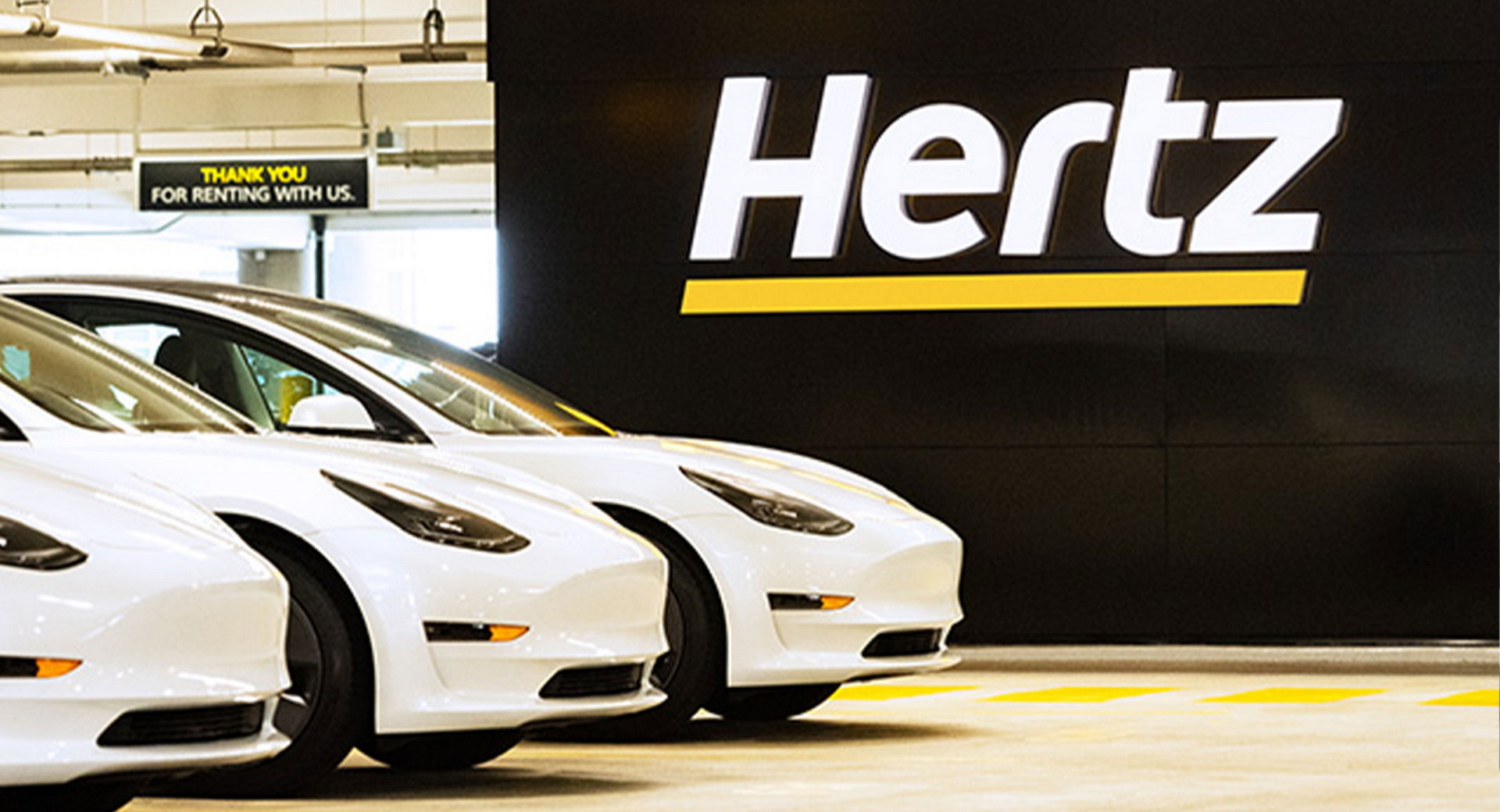
This won’t be the first time Hertz has ventured into an area where it sees untapped growth, although things didn’t end up working for it last time. Just months after the rental car giant emerged from bankruptcy in June 2021, company management announced it would buy over 100,000 electric vehicles from Tesla and other brands.
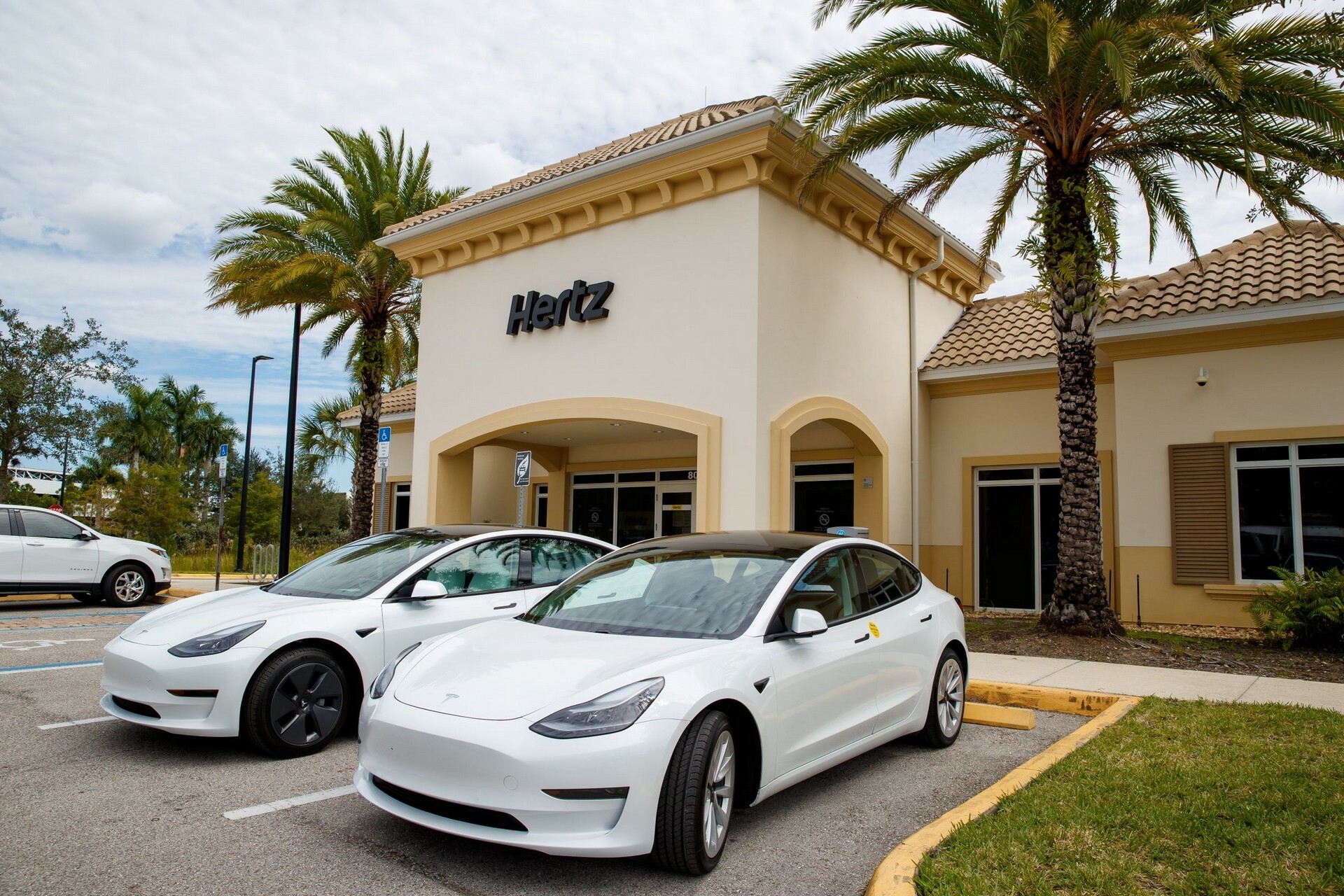
Hertz got roughly 30,000 EVs, most of them Teslas, into the plan before realizing it wasn’t the wisest move. Hit with high repair costs and sliding resale values, the company offloaded those EVs across 2023 and 2024, losing billions in the process.
Beyond the rental car company being used to help run Uber’s autonomous vehicle service, Oro Mobility is already operating its own vehicles, driven by its own drivers, in Los Angeles and San Francisco through the Uber platform, and this spring, will add its own drivers to Northern New Jersey.
Sticking to what it knows in fleet management sounds like a much safer bet than the all-in EV gamble Hertz made five years ago. If robotaxi services fail to take off the way Uber hopes, Uber is the one left holding the bag, not Hertz.