


- Stellantis, Wayve, Uber join forces to jointly develop global robotaxi program.
- New deal follows recently announced Level 2++ tech for consumer cars.
- Uber’s platform could help autonomous vehicles reach riders much faster.
Making autonomous driving mainstream is a giant jigsaw puzzle, and Stellantis, Wayve, and Uber have just clicked together three big pieces. The companies have announced a new partnership aimed at bringing Level 4 robotaxis to cities around the world, combining vehicle manufacturing, AI driving software, and a ride-hailing network with millions of existing users.
The announcement comes less than a month after Stellantis and Wayve revealed plans to bring a Level 2++ hands-free driving system to production vehicles we can actually buy in 2028. That technology promises supervised door-to-door automated driving in both highway and urban environments, making this latest deal a natural next step up the autonomy ladder.
Related: Mobileye Built The Brains For Everyone Else, Now It Wants Its Own Robotaxis
This new partnership focuses on fully driverless operation. Stellantis will provide vehicles engineered specifically for autonomous service, Wayve will supply the AI Driver software, and Uber – which recently inked a separate robotaxi deal with delivery startup Nuro – will connect those vehicles with passengers through its own global mobility platform.
While robotaxi announcements aren’t exactly rare these days, this one carries a bit more weight because the companies have already been building toward it. Stellantis and Wayve are working together on next-generation driver assistance systems for consumer vehicles, while Wayve and Uber are already preparing autonomous ride services in London, Tokyo, and ten other cities beginning this year. They’re also three big players in their fields, not new names nobody outside the startup space has heard of.
Clean-Sheet Designs
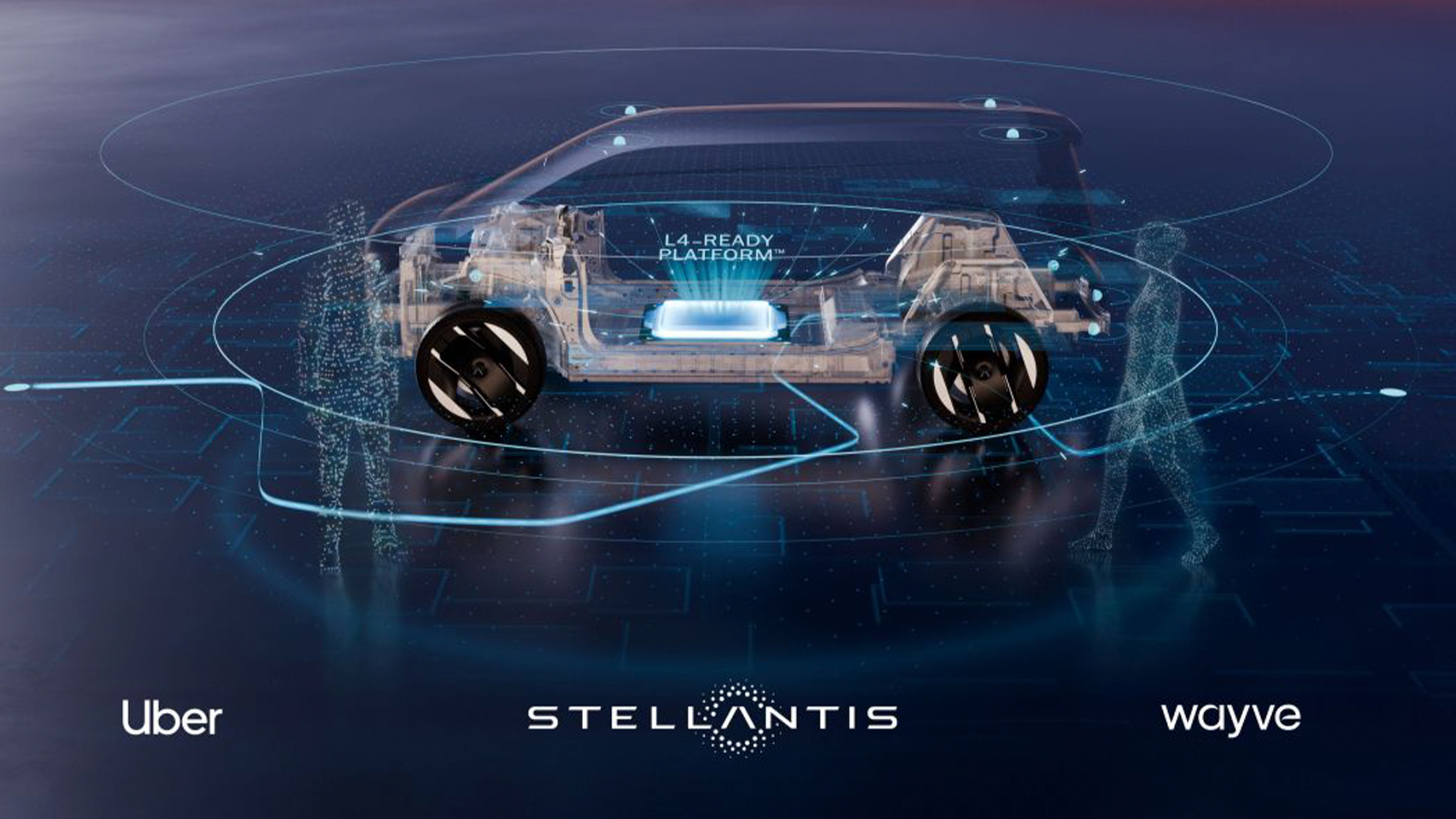
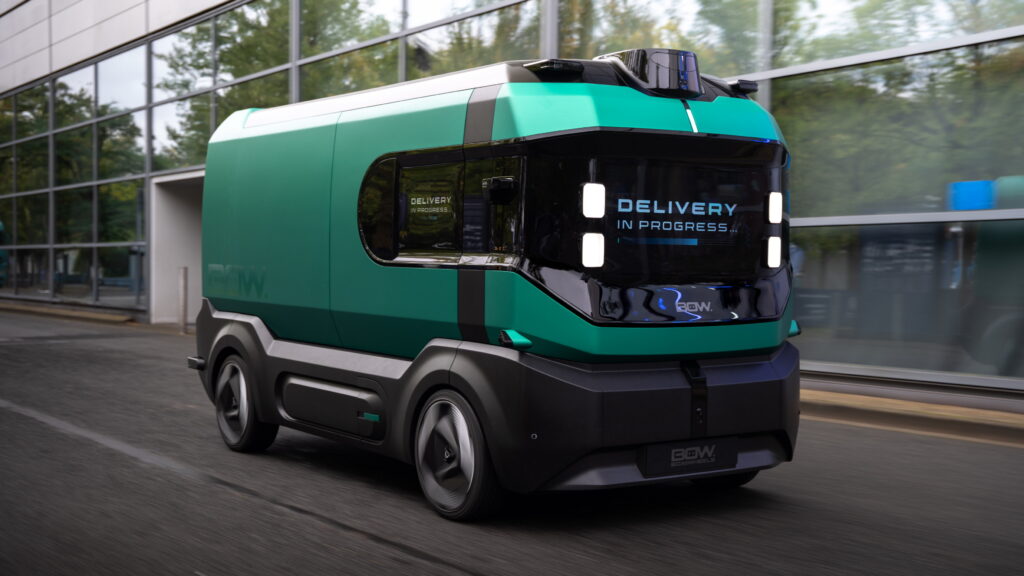
At the vehicle level, Stellantis says its L4-Ready Platforms are being designed with the sensors, redundancy systems, and durability needed for driverless fleets that will rack up big miles day-in, day-out. Rather than adapting existing vehicles after the fact, these platforms are intended to be robotaxi-ready from the start. The single image shows a minivan-shaped, one-box vehicle with Peugeot-style wheels, but there’s no hint about whose branding the finished cars will wear.
Wayve’s contribution is its mapless AI driving technology, which is designed to learn and adapt to different environments, and should make expansion into new cities fast and cheap. Uber, meanwhile, offers something many robotaxi startups will spend years trying to build. It already has a massive global customer base opening its app every day. If robotaxis are going mainstream, plugging them directly into a familiar platform could remove one of the biggest barriers to adoption.
The companies say they’ll now work on vehicle integration, testing, validation, and eventual deployment across Europe, North America, and other regions. The agreement itself is currently a non-binding memorandum of understanding, so there’s still plenty of work ahead.