- Japanese brands imported 72,330 of their own cars in six months.
- Suzuki’s four-door Jimny Nomade did most of the heavy lifting.
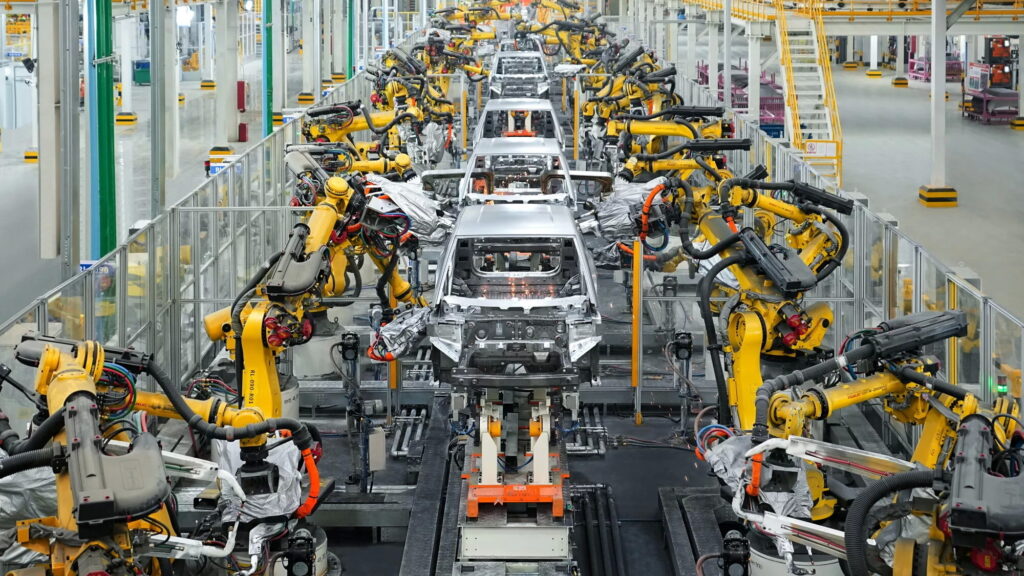
- In India, the average auto worker earns less than $400 a month.
There has never been a moment when Japanese car brands shipped more of their own vehicles back into their home market than now, and the reason is no mystery. Cheap labor in places like India and Thailand has become too good to pass up, and the automakers are following the math.
Through the first six months of this year, Japanese brands imported 72,330 vehicles from overseas, representing a 38 percent increase from the year prior. Almost half of these vehicles were imported by Suzuki, a total of 34,288, or 91 percent more over the same period in 2025. The company even outsold Mercedes-Benz to become Japan’s top imported car brand during the period.
Read: Suzuki’s Most Practical Jimny Just Got Better, But You Still Need To Win A Lottery To Buy It
One model did most of the heavy lifting: the Suzuki Jimny Nomade. Suzuki builds the four-door Jimny at a factory in India before exporting it to Japan and other markets, and the Nomade is the first model in the Jimny lineup with rear doors, which has broadened its appeal considerably. A total of 26,682 were sold through the first half. “The vehicle is seeing strong demand among families,” the head of a Suzuki-affiliated dealership in Shizuoka Prefecture told Nikkei Asia.

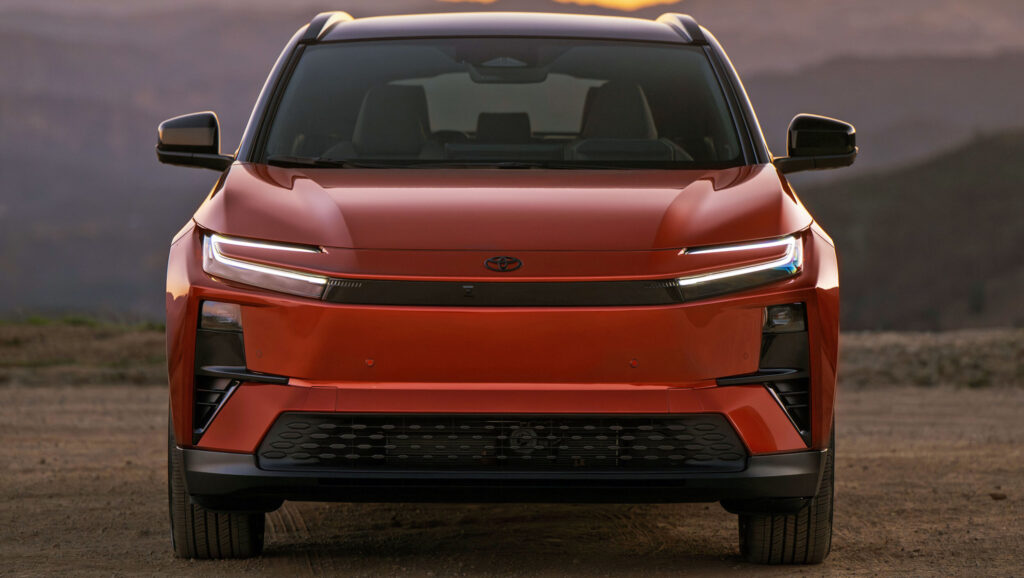
According to the outlet, Suzuki isn’t the only brand looking to cut production costs by importing from overseas. The most notable case is Toyota, which spent the first six months of this year importing 15,977 vehicles into Japan. Strong demand for the Toyota Hilux, built in Thailand, drove much of that surge. Toyota has also started importing the Thai-built Land Cruiser FJ to Japan.
All it takes is a quick look at the monthly wages between India and Japan to understand why companies like Suzuki have triggered a surge in these “reverse imports.” In India, the typical full-time production line worker earns just 37,073 rupees or about $388 per month, whereas the average equivalent auto worker in Japan earns 316,000 yen or about $1,900.

Suzuki also believes that “technology in India is competing closely with Japan’s, catching up in some cases and taking the lead in others,” according to Jimny Nomade chief engineer Takamitsu Sasaki.
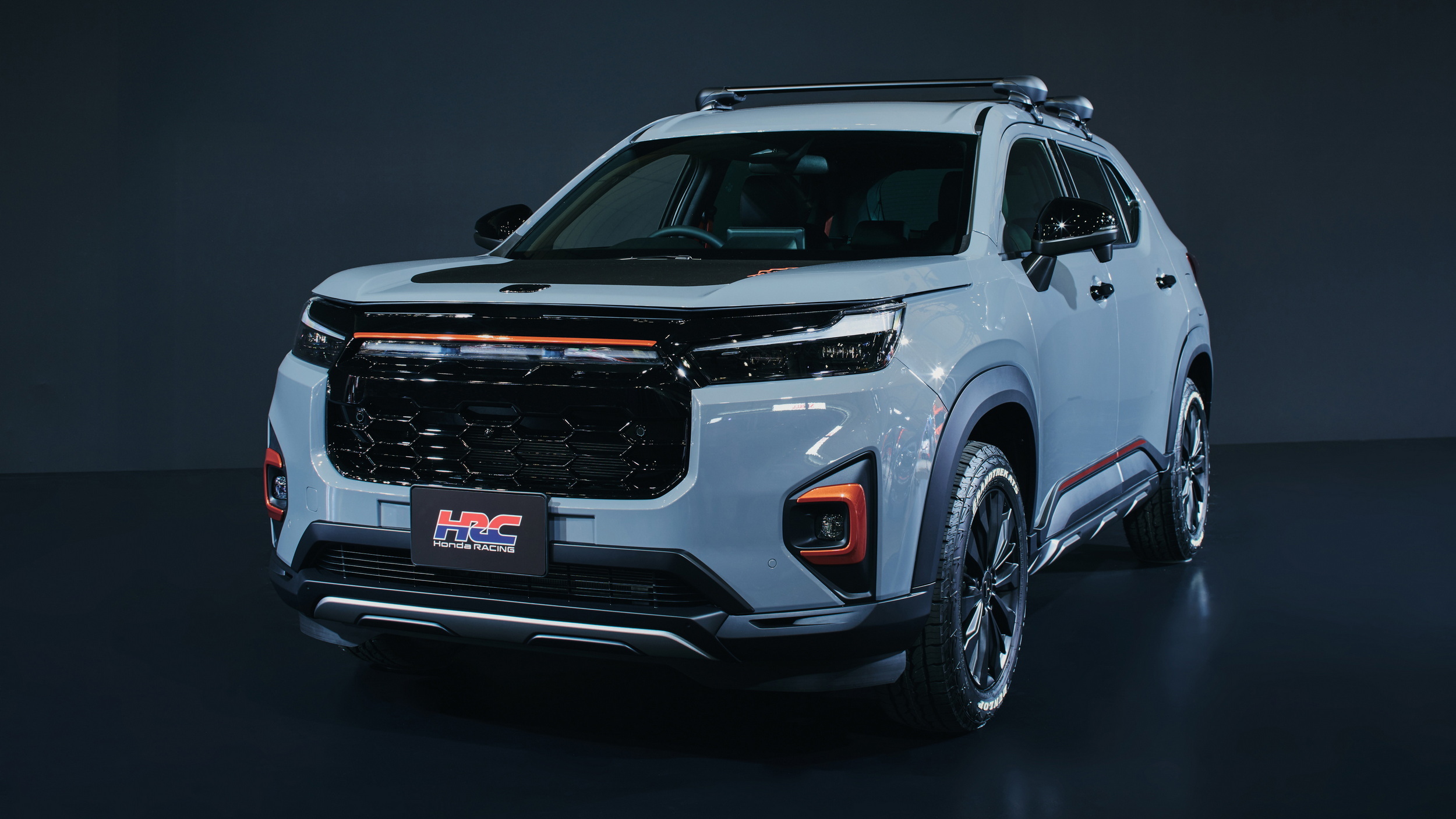
While Toyota and Suzuki have ramped up reverse imports to Japan, some of their rivals have gone the other way. Sales of Honda’s Indian-built WR-V have slipped, dragging its imports down 32 percent to 14,937 vehicles, and the recently launched Thailand-built CR-V Hybrid hasn’t been enough to close the gap. Mazda, for its part, imported 20 percent fewer vehicles into Japan this year, for a total of 3,309 units.