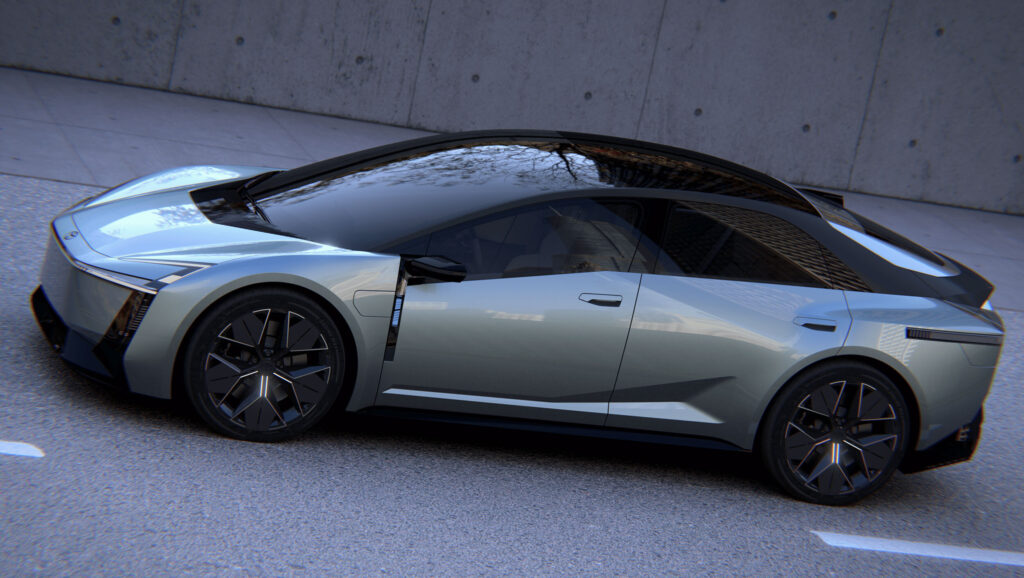
- Battery costs fell 37 percent, dragging EV sticker prices down with them.
- Hybrid prices climbed 16 percent while EVs moved the other way.
- China’s battery glut and export surge did most of the heavy lifting here.
Electric vehicles have historically been more expensive than ICE-powered vehicles, but new data has revealed that last year, the average global prices for EVs were below those of hybrids. As you’d probably expect, this is largely due to the growing number of budget EVs from China hitting the roads across the world.
By looking at average sticker prices without accounting for subsidies, and weighting them based on sales volume, Mobility Global determined that last year, EVs typically averaged around $37,000, reports Nikkei Asia. This is down 9 percent from 2020. Over the same period, average hybrid prices rose 16 percent to $39,000.

This comes primarily thanks to falling lithium-ion battery costs, which have fallen by 37 percent between 2020 and 2025. The battery pack typically accounts for 30-40 percent of an EV’s overall cost. BloombergNEF attributes much of that decline to a capacity glut in China, which controls roughly 80 percent of the battery market.
Read: The World’s Biggest EV Market Just Went Into Reverse After Years Of Growth
Importantly, a growing number of EVs are also adopting lithium-iron phosphate (LFP) batteries, free from cobalt, which frequently experiences significant fluctuations in prices. While LFP batteries have traditionally been considered less energy-dense, their performance has been improving. Renault and Volkswagen said last year that they would adopt the chemistry.
China’s Global Expansion
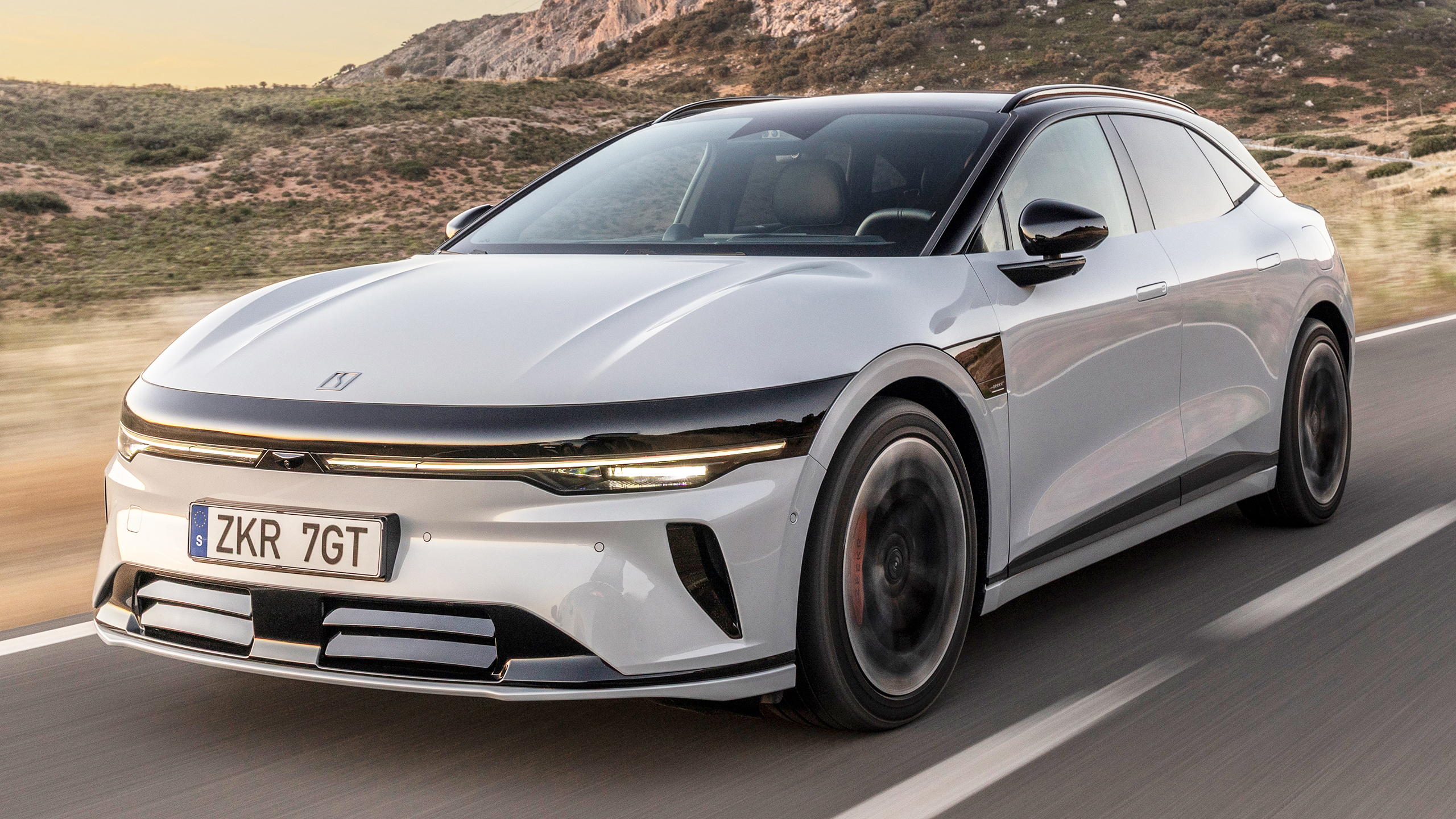
The ongoing global expansion of EV firms from China has played a crucial role in reducing average prices. In 2020, fewer than 100,000 electric cars were exported from China, whereas last year, that figure soared to 1.64 million units.
As noted by Nikkei Asia, emerging markets could follow in the footsteps of nations including Norway and China, where EVs are hitting the roads at a rapid pace. Across Southeast Asia and South America, for example, electric models are typically cheaper than the average hybrid. In Thailand specifically, Chinese brands currently make up almost 30 percent of new car sales.
ICE Prices Went the Other Way
Pricing data shows that while average EV prices have decreased over the past five years, average ICE prices have actually increased slightly. As this has happened, prices of plug-in hybrids have decreased considerably, likely also reflecting falling prices of lithium-iron batteries.
Adding fuel to EV demand in recent months is the ongoing conflict in the Middle East, which has driven a significant surge in oil prices. When gas gets more expensive, the math on an electric car starts to look better to a lot more buyers.