










- JAS Motorsport reveals Tensei interior blending original NSX cues with modern materials.
- Pininfarina-designed reborn NSX features a digital gauge cluster and console touchscreen.
- Carbon-bodied, manual V6 supercar makes its public debut at Paris Auto Show in October.
We’ve spent months admiring the JAS Tensei’s gorgeous Pininfarina-designed body while wondering whether the interior could possibly live up to it. Now we know. The reimagined Honda NSX finally has a finished cockpit, and like the exterior, it modernizes the original without pretending the 1990s got everything wrong.
JAS says these new images show the final production design, though they appear to be renders rather than photographs of a completed car. Either way, the cabin looks refreshingly restrained next to most modern supercars, where enormous screens and touch-sensitive everything increasingly make you wonder whether anyone remembered the driving bit.
Related: The Pininfarina NSX Tensei Saved Its Best Colors For Round Two



JAS/Pininfarina
That’s not to say the Tensei is digi-phobic. It does have a discreet digital touchscreen embedded and the analog gauge cluster has been swapped for a TFT version. But the Tensei mostly sticks closely to the philosophy of the original NSX. There’s a low scuttle, a driver-oriented dashboard shape and an uncluttered center console that slopes down gently towards the manual gear shifter.
Red and black dominate the car pictured, appearing on the wheel, door cards and the sports seats. That’s contrasted with metallic detailing and technical fabric materials which lift the ambience far beyond the inevitably plasticky Honda offered three decades ago. JAS says customers will have hundreds of possible customization combinations.
Carbon Body, No Turbos


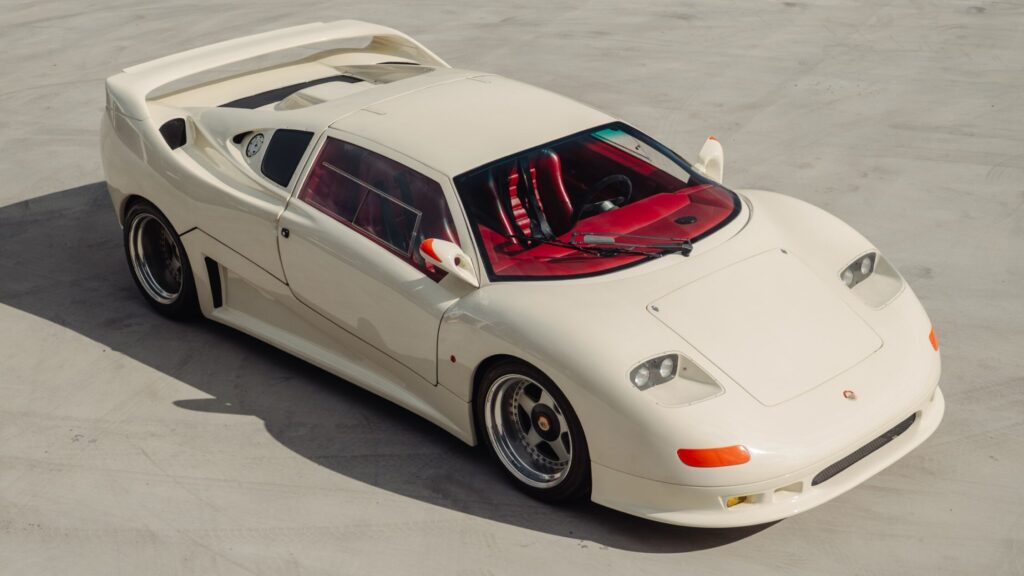
The Tensei isn’t merely an old NSX wearing a body kit and some new infotainment tech. JAS starts with the original Honda platform before clothing it in an entirely new carbon fiber body designed by Pininfarina. The proportions have also been massaged with a wider track, longer wheelbase, shorter rear overhang and much more muscular stance.
Thankfully, some of the stuff we loved survived the surgery. Pop-up headlights remain, as does a reinterpretation of the original integrated rear spoiler. Underneath, there’s a naturally aspirated V6 derived from Honda’s classic architecture, hooked to a six-speed manual. No electric motors, no turbochargers and no paddles.
That recipe makes the Tensei appealing when even exotic manufacturers are turning toward electrification. JAS has more than 30 years of motorsport experience behind it, while Pininfarina’s Honda connection stretches back to the 1984 HP-X concept that helped sow the seeds for the original NSX.
We’ll finally get to see whether the real thing looks as good as these renders, and learn more about the powertrain package when Tensei Unit 001 makes its public debut at the Paris Motor Show in October. It’ll share space in the Ultimate Supercar Garage with Honda’s Prelude HRC Concept.