

Renault Is Tired Of Partner Brands Cloning Its Designs
Renault wants its partners to have unqiue offerings
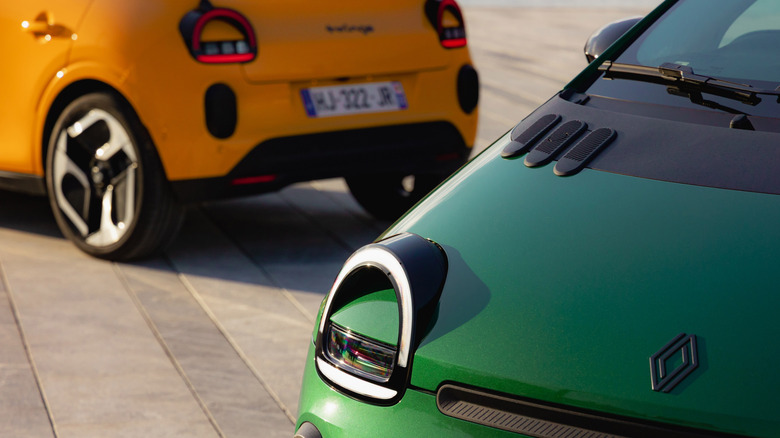
We recently did a story about the shared components between the Renault Twingo E-Tech and the Nissan Pixo twins, mentioning that the new Dacia Spring has more distinct styling despite the shared underpinnings. It seems that the same issue has been bothering Renault, which is now asking its partners to ensure greater differentiation between jointly developed models in the future.
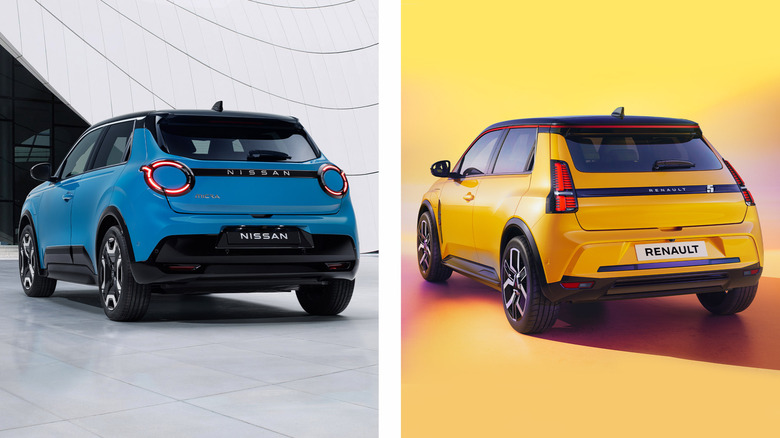
As reported by Autocar, citing insider sources, Renault executives were not happy with the design similarities between the Nissan Micra EV and the Renault 5 E-Tech. This is surprising to read, as the two subcompact hatchbacks share the same proportions, hard points, greenhouse, and roof section, but almost every single body panel has been redesigned by Nissan.
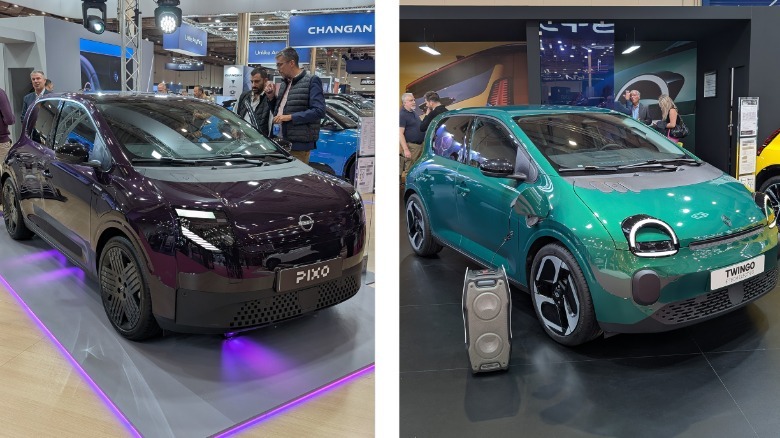
We can only imagine their thoughts about the Nissan Pixo and Renault Twingo E-Tech, or the Mitsubishi Eclipse Cross EV and the Renault Scenic E-Tech. Even worse is the shameless rebadging of the Renault Clio, Captur, and Symbioz by Mitsubishi in Europe.
No more lazy rebadging
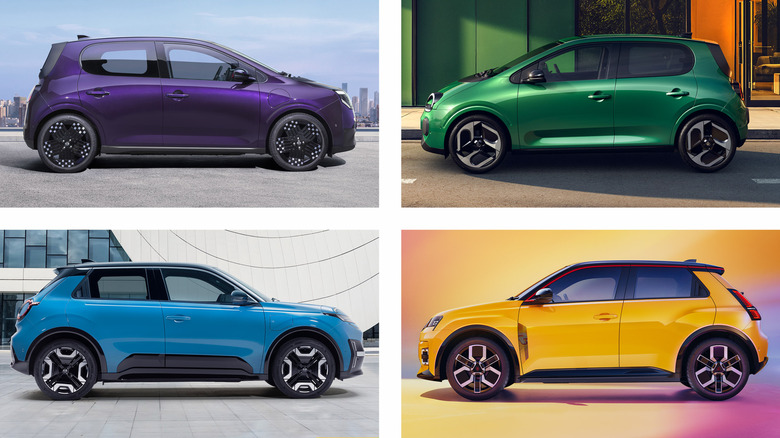
At the Paris Motor Show, Renault Group CEO François Provost signaled a policy shift on platform sharing with Alliance partner Nissan and Mitsubishi, as well as other automakers like Ford. Unlike his predecessor, Luca de Meo, Provost is more anxious about preserving the French automaker's styling identity.
The Renault Group boss spoke to Autocar about the matter, criticizing earlier decisions: "We did not request enough differentiation. Everything is linked to differentiation. Look at the Dacia Spring: the Twingo and Spring look like different cars but the platform is the same. This is a change compared with my predecessor. I will never do partnerships without enough differentiation."
Of course, the styling departments of each automaker are the least responsible for the shared body panels and the identical interiors. Those are the work of product planning teams, who give designers a certain level of freedom in order to meet the strict budget goals of each project. As is the case with mid-lifecycle updates, it is a lot cheaper for an automaker to redesign the bumpers and lighting units rather than changing the sheet metal on the profile or making structural changes to the chassis.
Ford also wants its EV to have unique looks
Provost also spoke about the new joint project with Ford. The Blue Oval is working on a fully electric successor for the discontinued Fiesta, based on the same architecture with the Renault 5 E-Tech and the Nissan Micra. The Renault boss explained that the Ford CEO, Jim Farley, has "exactly the same views" in terms of visual differentiation and platform sharing.
According to Provost, Farley said that "if he chose to partner with Renault, the car must be a Ford". Still, Renault executives don't have access to the design of the upcoming Ford-branded EV, so Provost will only see the result when the model will be unveiled. The high-ranking official concluded: "I prefer to do less partnerships with strategic partners who want a one-shot tactical partnership and more for the long-term. Now you will see each time is with enough differentiation."
Besides Renault Group, Stellantis has also promised greater visual differentiation between future models riding on modular platforms and using common powertrains. Another large automaker dealing with similar issues is VW Group, although they've managed to create unique design identities for their brands over the years.
 Thanos Pappas