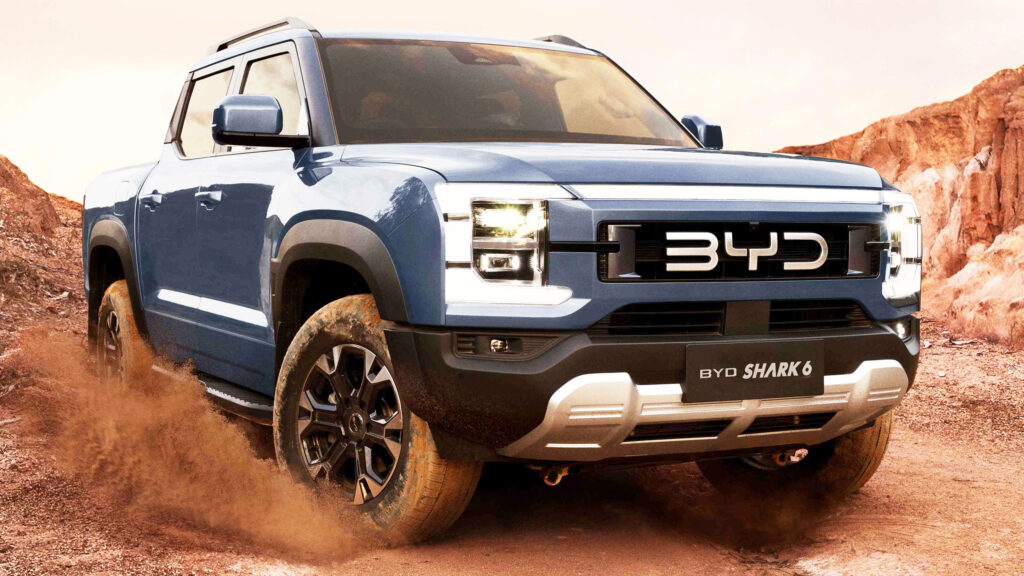










- Stellantis wants more design differentiation among its 14 brands.
- Four global brands will receive 70% of the massive new investment.
- The rest will follow, implementing their core values on related products.
Running fourteen brands is an expensive way to make cars, and Stellantis knows it. The whole enterprise leans on shared platforms, powertrains, and technology to keep the math working. Consolidation and cost cutting sit at the heart of the company’s plan, yet its European chief insists the cars themselves will pull further apart, with design doing the heavy lifting.
More: Fiat’s Pandina Replacement Has Three Seats And The Driver Sits In The Middle
Stellantis recently laid out a $70 billion plan covering more than 60 new model launches and another 50 mid-lifecycle updates. Many of the newcomers will ride on the STLA One platform, which the company calls “entirely new” rather than a development of the current STLA Medium, which is itself an evolution of the EMP2 from the PSA era.
Four Brands Hold The Money
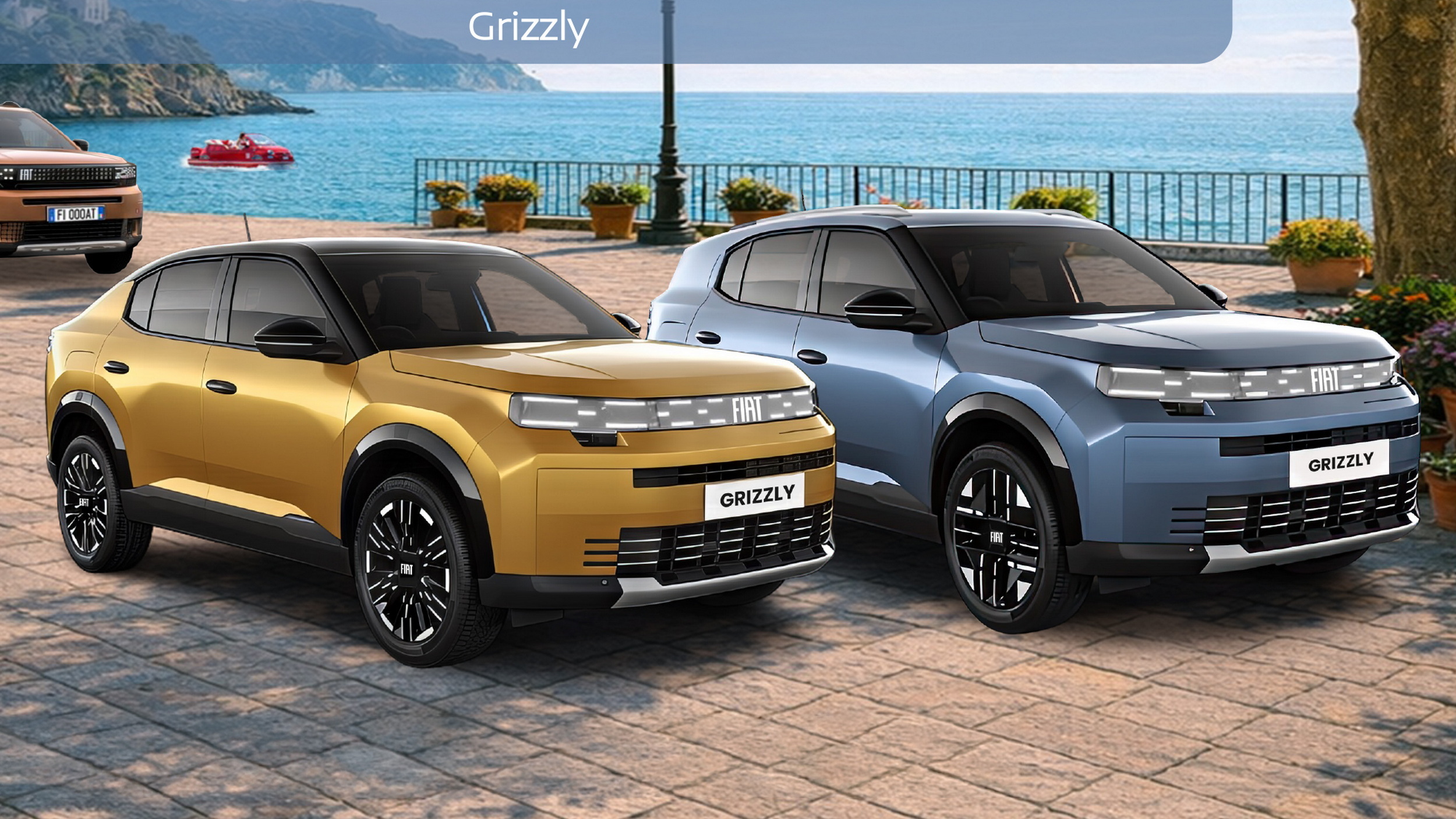
Every Stellantis brand gets to join the new model blitz, but only four of them have any real pull when it comes to R&D spending. Fiat, Jeep, Peugeot, and Ram have been picked to absorb 70% of the planned investment, which sets the tone for everyone else. So how do you tell all these sibling models apart? The short answer is design.
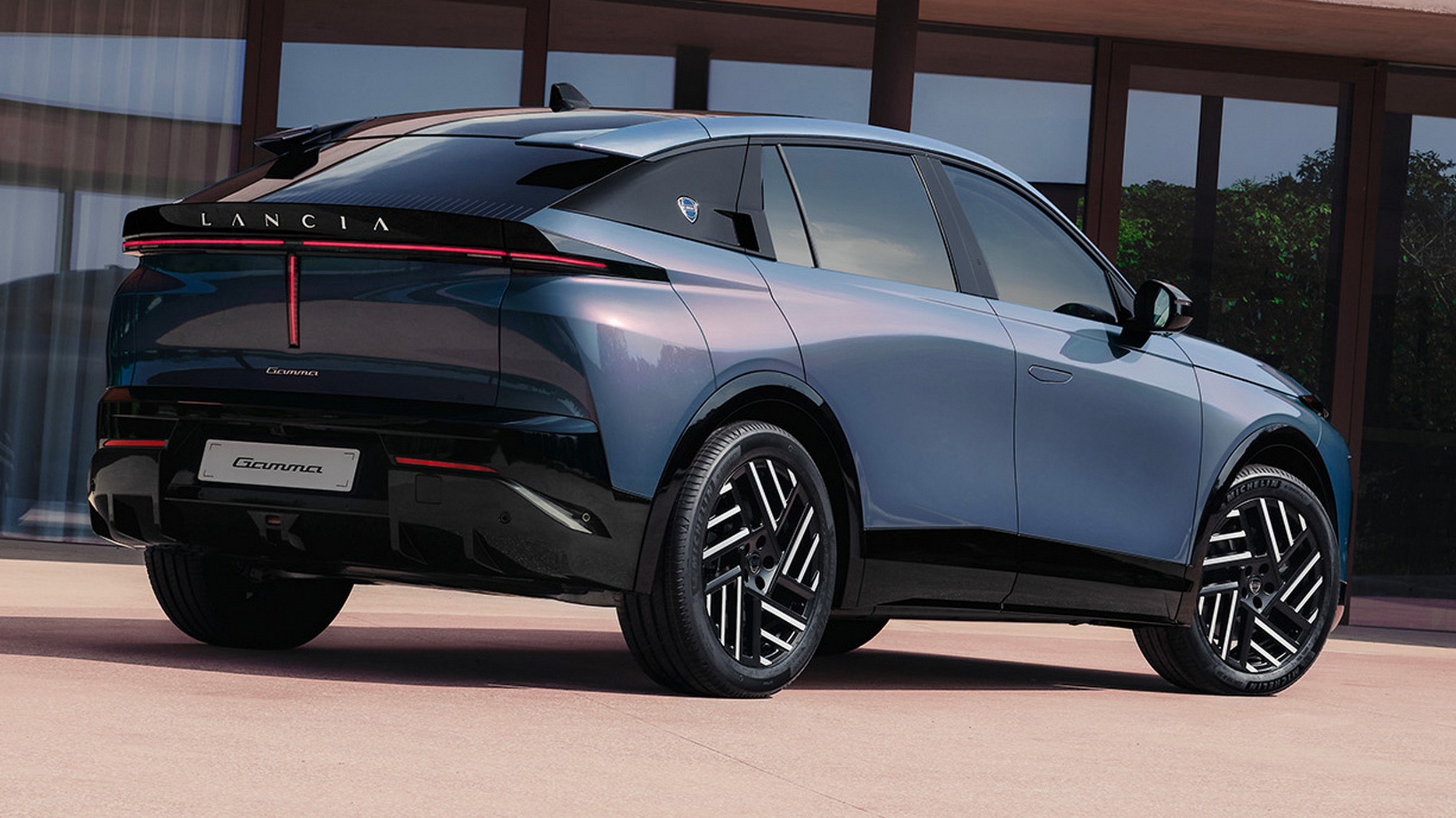
Emanuele Cappellano, Chief Operating Officer for Enlarged Europe & European Brands at Stellantis, spoke to Autocar about their future strategy. The spending on new models, he said, will be aimed squarely at changing the design, and holding onto the signature traits of each brand matters most in the mainstream segments where the cars sit closest together.
More: Alfa Romeo Is Bringing Back The Hatchback That Saved It Once Before
Scott Kruger, who oversees design for Chrysler, Dodge, Jeep, and Ram, made a similar point about the company’s American brands. Affordable vehicles are the goal, he said, but each badge still needs the core attributes that make people actually want it.
A Matter Of Timing, Not Ranking
Cappellano explained the difference between global and regional brands within the current Stellantis portfolio:
“We really don’t want to be misunderstood when we talk about what is a global brand, what is a regional brand, which is a specialty brand. We are not ranking the brands in terms of relevance. The point is how we can be smart in terms of capital allocation.”
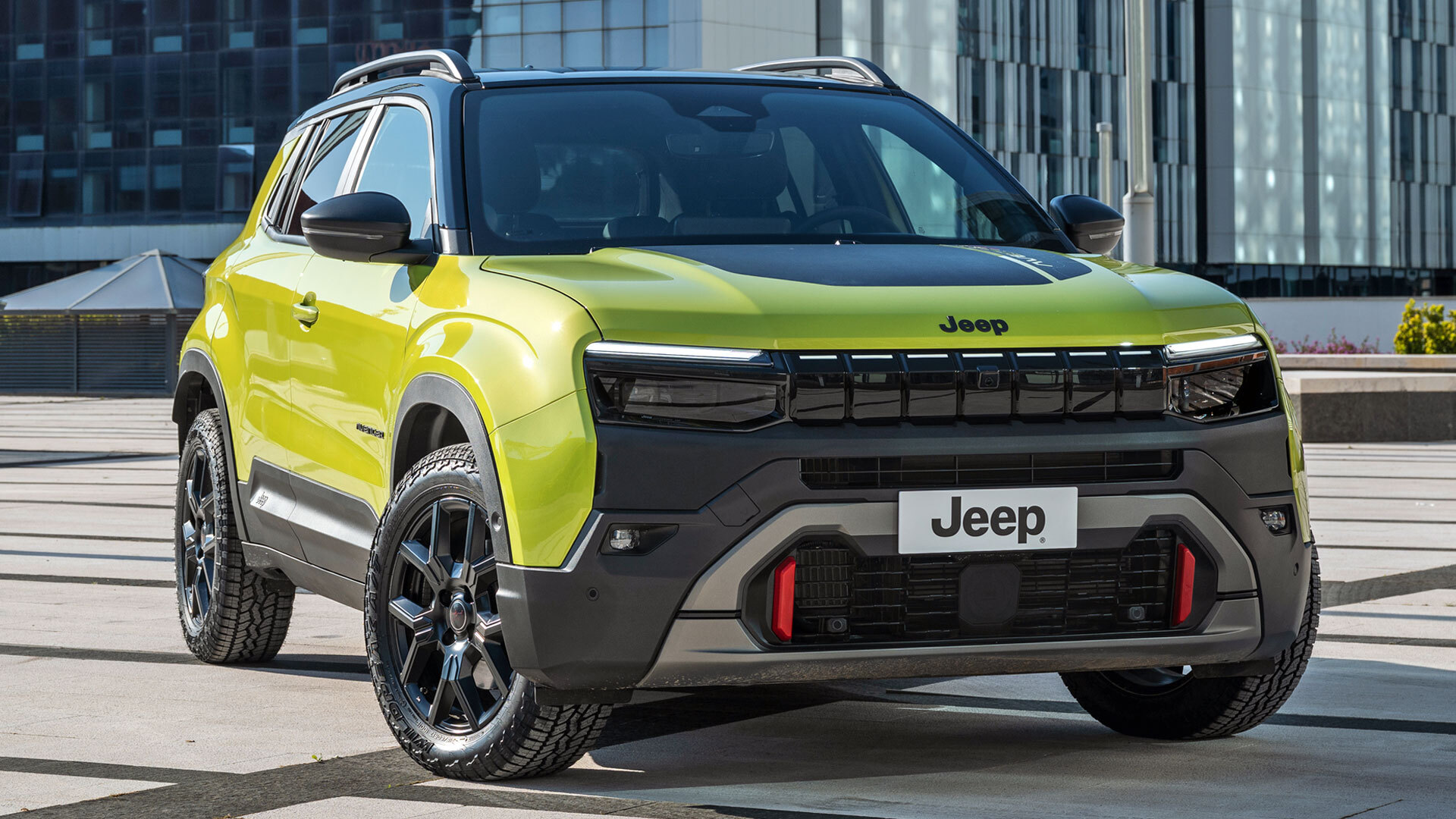
“The main difference between a global brand and the regional and specialty brands is just the timing for the first application of investment,” he added. “So with the STLA One platform for the B- and C-segment, Peugeot is the global brand. That means we are going to invest first in launching a Peugeot-branded model on that new platform, new electric architecture, the STLA Brain software and new technology like steer-by-wire.”
More: Stellantis’ New Chinese Partner Is Going After The Xiaomi YU7
“In the meantime, we are working on the following launches on the same platform, where most of the effort, in terms of capital expenditure, is on diversifying – really diversifying – the models and line-up, and not just rebadging. So you’ll have the new Peugeot first and after that you’re have a new Vauxhall that is not a rebadged Peugeot, then an Alfa Romeo, a Jeep or whatever,” said Cappellano.
Put simply, every new launch from Fiat, Jeep, Peugeot, and Ram becomes a preview of what the rest of the Stellantis brands will get in terms of specifications and technology. The other badges follow with their own takes on the same recipe, bringing their own styling language and core values rather than turning into cases of badge engineering.