


- NHTSA upgraded its probe into Ford’s 1.0L EcoBoost timing belt failures.
- Investigators say belt debris can clog the oil pump and seize the engine.
- Failures often occurred well before Ford’s original replacement interval.
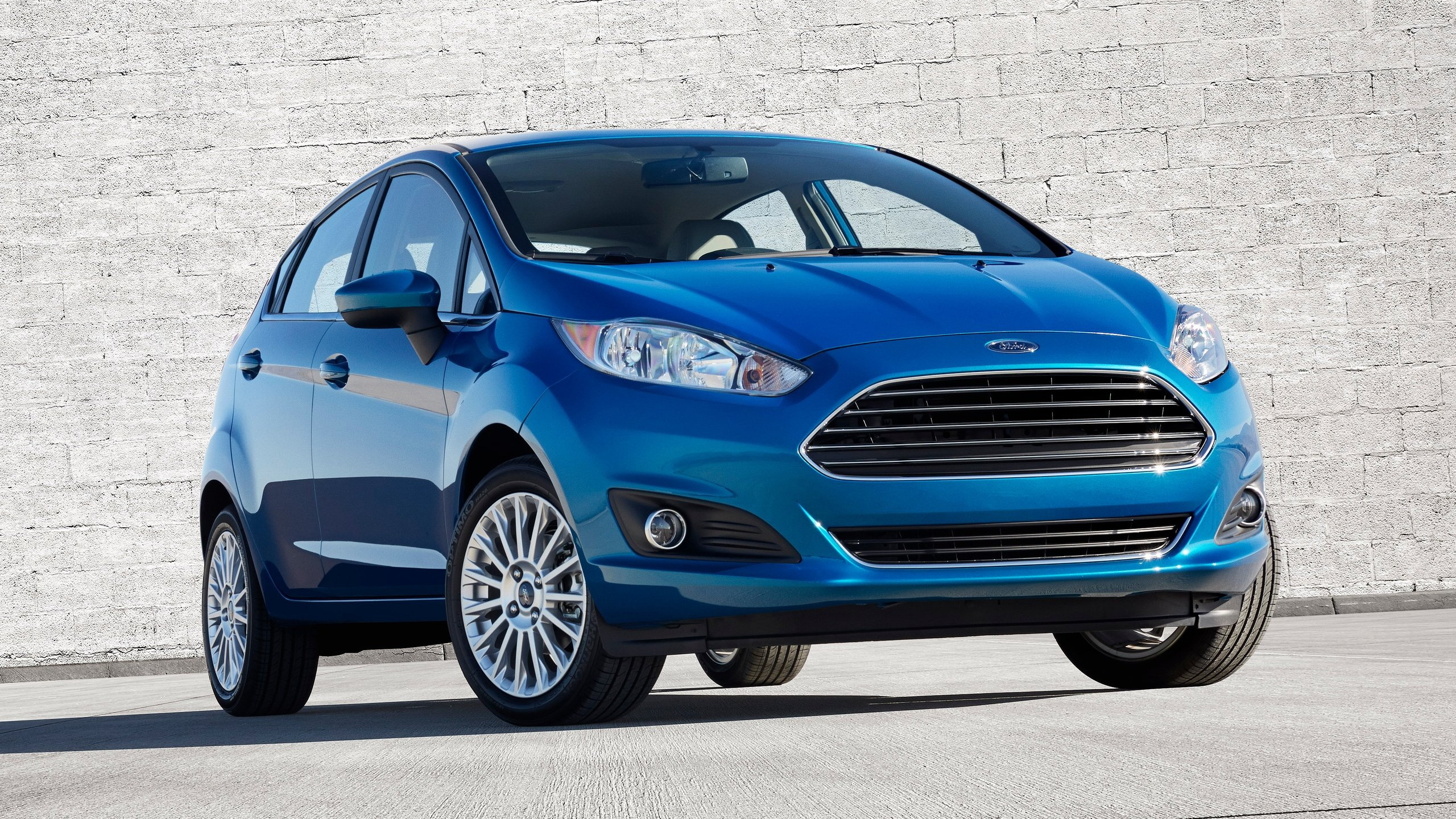
Some of the greatest cars ever made can’t shake a single design choice that makes them unreliable. The stakes climb higher for cars built to run every single day without complaint. That’s what plenty of mainstream Ford owners might be facing right now. According to the NHTSA, Ford’s 1.0-liter engine in cars like the Fiesta and Focus is problematic enough that it’s expanding a previous investigation. Evidently, these little engines can and do consume their own timing belts on occasion.
Read: Ford Botched Repairs On Over 125,000 Vehicles, Leading To Four New Recalls
The investigation originally began in December 2025 after the agency received 44 complaints involving 2015-2017 Ford Fiesta and 2015-2018 Ford Focus models equipped with the 1.0-liter EcoBoost engine and a manual transmission. At the time, investigators suspected that fragments from the engine’s wet timing belt were clogging the oil pump pickup, starving the engine of oil and leading to seizure. Now the scope has grown considerably.
135,551 Vehicles Now in Scope
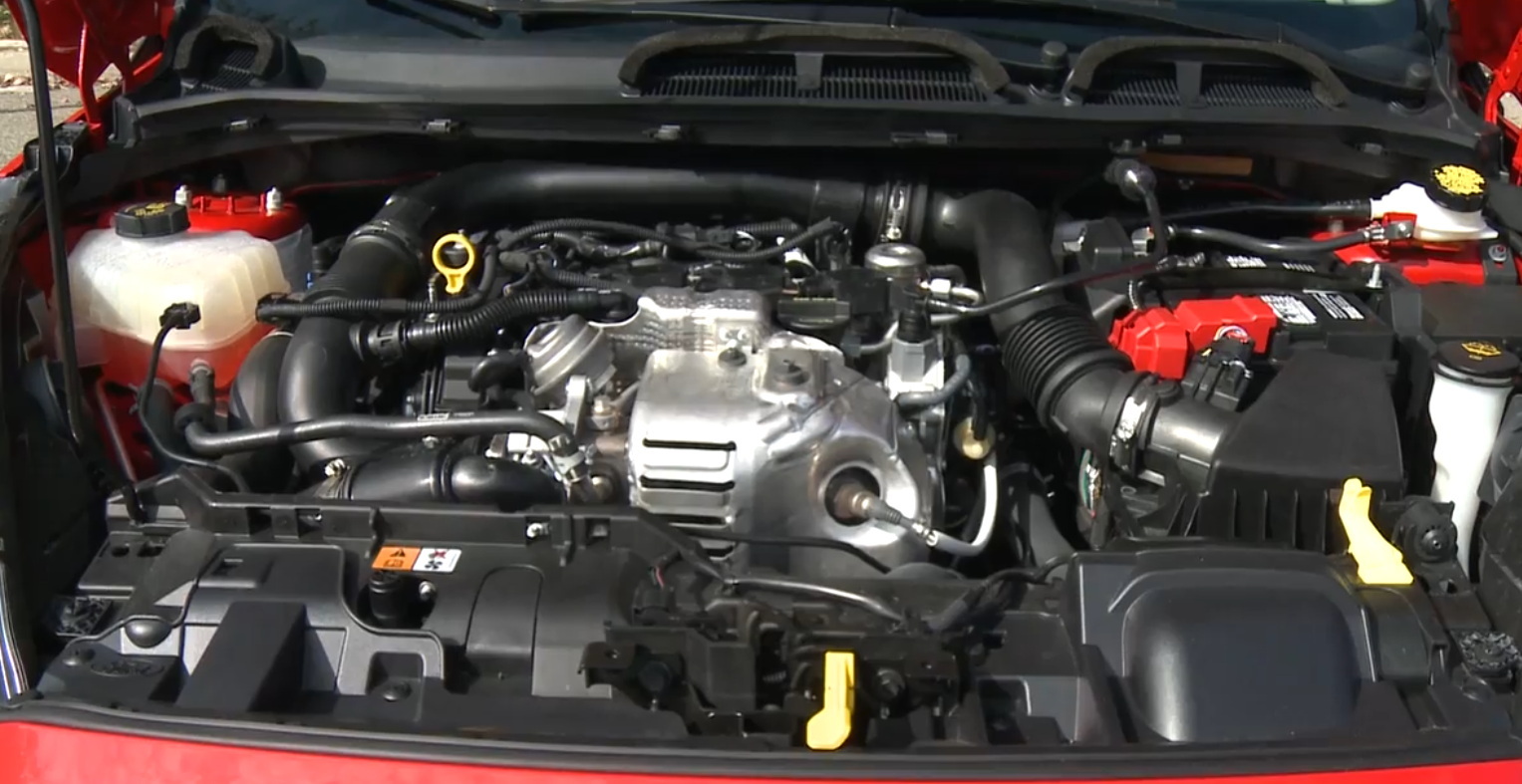
NHTSA has expanded the investigation to cover an estimated 135,551 vehicles, including 2014-2017 Fiesta models, 2015-2018 Focus models with manual transmissions, and 2018-2021 EcoSport as well as certain 2016-2018 Focus models equipped with automatic gearboxes. Regulators included the additional vehicles because they use a similar wet timing belt design.
According to the agency, the problem begins when the timing belt gradually sheds material during normal operation. Yes, somehow this is considered normal operation. Instead of remaining harmless, that debris can accumulate on the oil pump pickup screen, restricting oil flow to the engine. As lubrication decreases, the engine can suffer catastrophic damage, eventually seizing completely and causing an immediate loss of motive power.
Little Warning, Even With Maintenance

Owners reported a wide swath of experiences related to the condition. Some had a low oil pressure light, and others didn’t notice anything before their engine died. Investigators so far do not believe owners are getting enough warning about the issue in a timely manner. The agency’s findings also question whether the issue is related to maintenance or not. The average reported failure occurred at around 70,000 miles, and 98 percent happened before Ford’s original 150,000-mile timing belt replacement interval.
The NHTSA also found evidence that failures occurred despite proper maintenance. Ford has since shortened the replacement interval to 100,000 miles or six years and is reimbursing eligible owners for timing belt-related engine repairs. Even so, regulators say the available evidence points to an unreasonable safety risk, and the engineering analysis will continue with component and vehicle testing to determine whether a recall is warranted.