

- FTC reports nearly 65,000 rental scams and $65 million in losses since 2020.
- Fake listings on Facebook account for roughly half of reported rental scams.
- Young adults relocating for work are among the most frequent victims.
Plenty of us are moving. Maybe it’s for a new job, maybe it’s to shorten a commute, perhaps it’s because one needs more garage space, or maybe it’s a full-blown relocation.
Individuals looking to rent in any of those situations might be walking into what the Federal Trade Commission says is one of the fastest-growing scams in the USA. Data collected since 2020 includes almost 65,000 reports of rental scams and losses of nearly $65,000.
According to the FTC, rental scams are tied to fake listings that look legitimate and are strategically placed near workplaces, campuses, or transit corridors. Scammers often copy real listings but add their own contact info. They post on Facebook Marketplace, Craigslist, or similar web pages.
Read: Car Flipping Scam Promised Riches Then Left A $57M Disaster Behind
Social media is a major driver. In the 12 months ending June 2025, about half of reported rental scams started with a fake ad on Facebook, while another 16 percent originated on Craigslist. That overlap is key because these are the same platforms drivers turn to when relocating, downsizing, or hunting for transportation-friendly neighborhoods.
The scams tend to follow familiar pressure tactics. Some scammers demand application fees, security deposits, or the first month’s rent before showing the property in person, often claiming the home is in high demand. Others push renters to “prove” creditworthiness by sending screenshots of credit scores or signing up for low-cost credit checks that quietly enroll victims in recurring paid memberships.
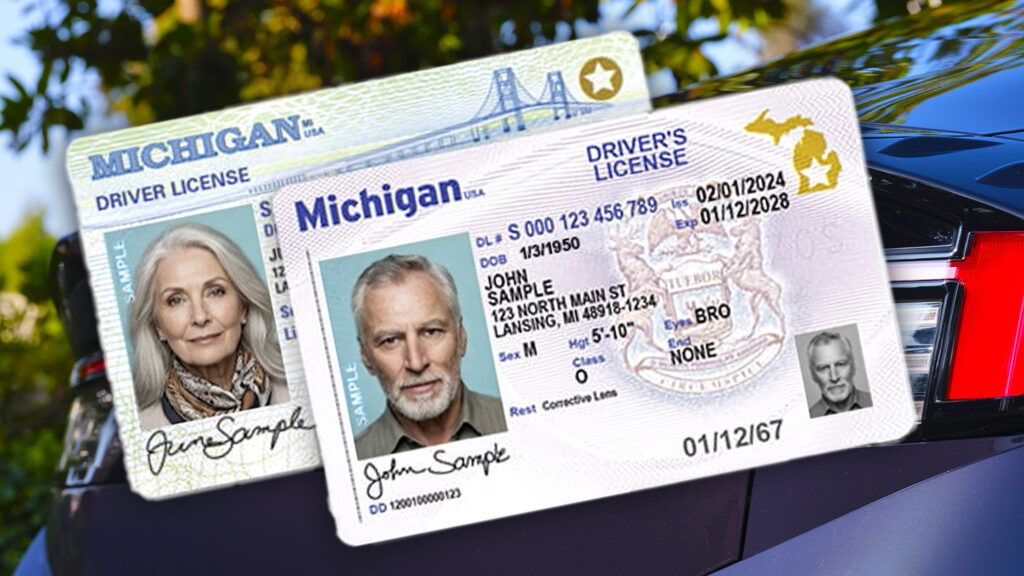
Importantly, the FTC says scammers often collect sensitive personal information, including driver’s license photos, Social Security numbers, and pay stubs.
Beyond identity theft, that data can be used for broader financial fraud, including fraudulent vehicle purchases, registrations, or toll and ticket violations that surface months later. Young adults are being hit especially hard. Renters aged 18 to 29 were three times more likely than other adults to report losing money to a rental scam.
For now, the FTC has a few specific recommendations to combat this fraud. First, never give up personal information or details without touring a property first. Be just as suspicious as you might be if you found a pristine second-gen Mitsubishi Eclipse GSX with no modifications, no issues, and a price of $5,000. If it seems too good to be true, it probably is.