

Mexico's First Homegrown EV Seats Six And Costs $8,600
The driving range of the Uno is capped at just 62 miles (100 km) and its top speed at 31 mph (50 km/h)
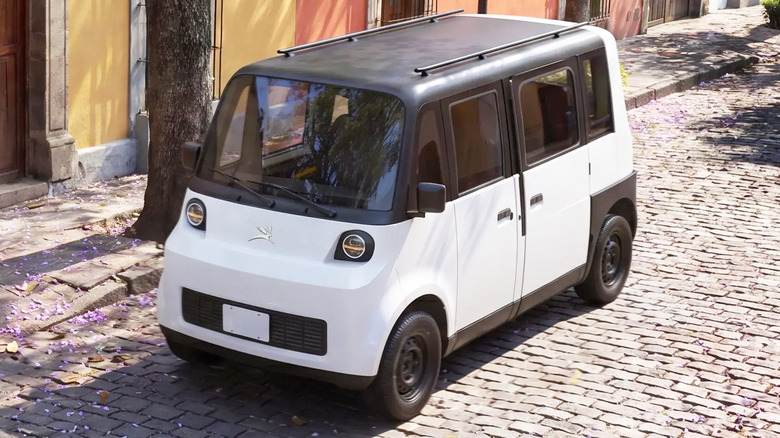
- The Olinia Uno is powered by a tiny 14.7 kWh LFP battery pack.
- Driving the front wheels is an electric motor delivering just 17 hp.
- Olivia says the EV is best suited to last-mile taxi services.
Mexico builds cars for much of the world, hosting plants for several of the planet's biggest automakers, yet almost no homegrown brands have ever come out of the country. The new Olinia Uno aims to change that. As the first model from Mexico's inaugural EV brand, it carries the weight of shaking up the nation's mobility scene.
The Uno is a compact six-seater designed in Mexico and, with federal government backing, built there too. It isn't chasing conventional consumer EVs. Instead, it positions itself as a replacement for the motorcycles and three-wheeled motortaxis that swarm the country's streets.
Read: Mexico Starts 2026 With Steep Car Tariffs, And One Country Is Getting Slammed
Rather than being focused on long journeys and road trips, the Uno is far better suited to last-mile taxi services. It is equipped with a tiny 14.7 kWh lithium-iron phosphate battery pack that drives a single electric motor with a measly 17 hp (13 kW). If any driver is brave enough to plant the vehicle's throttle, it'll top out at just 31 mph (50 km/h).
Cheap To Run
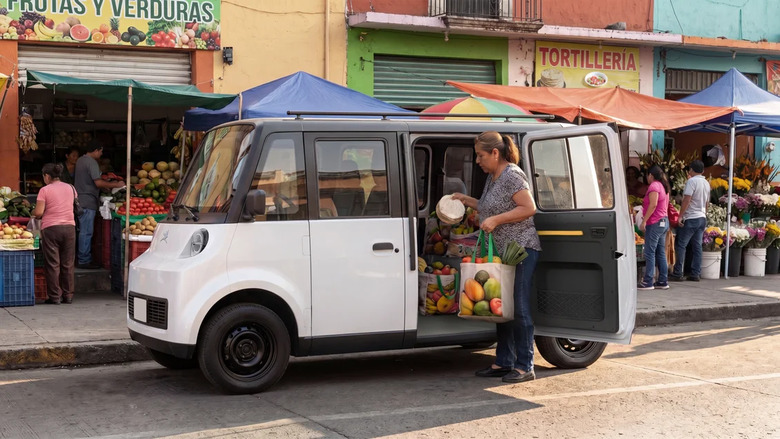
Affordability should be a key part of the vehicle's appeal. The Uno starts at just 150,000 pesos, or a touch under $8,600. Olinia claims that while a conventional ICE-powered taxi sedan can cost up to 2.4 pesos ($0.14) per kilometer to run and a motorcycle taxi up to 1.18 pesos ($0.07) per kilometer, the Uno will cost just 0.50 pesos ($0.03) per kilometer. Plugged into a 220-volt household socket, it charges in about four hours, ideal for topping up overnight and having it ready by morning. Driving range is capped at 62 miles (100 km).
Hoy presentamos Olinia, el auto eléctrico creado por jóvenes mexicanas y mexicanos. pic.twitter.com/IkexSRtTDY
— Claudia Sheinbaum Pardo (@Claudiashein) June 7, 2026
According to Olinia, the vehicle is perfect for "short group trips, frequent stops, people coming and going with bags, children, and older adults." It includes plenty of grab handles inside and across the exterior, and thanks to the coach-style rear doors, it can even fit a wheelchair user without needing to be modified.
Mexican president Claudia Sheinbaum drove a prototype of the Uno onto the stage during the vehicle's world premiere at the Santa Lucia military base. The design certainly isn't one to tug at the heartstrings, but it does at least look fit for purpose.


