
According to a tweet from the company’s CEO, Elon Musk, Tesla is shifting their standard-range car batteries from lithium-ion to iron-cathode. Musk cites concerns with nickel and the challenges of scaling lithium-ion production as the reason for the move.
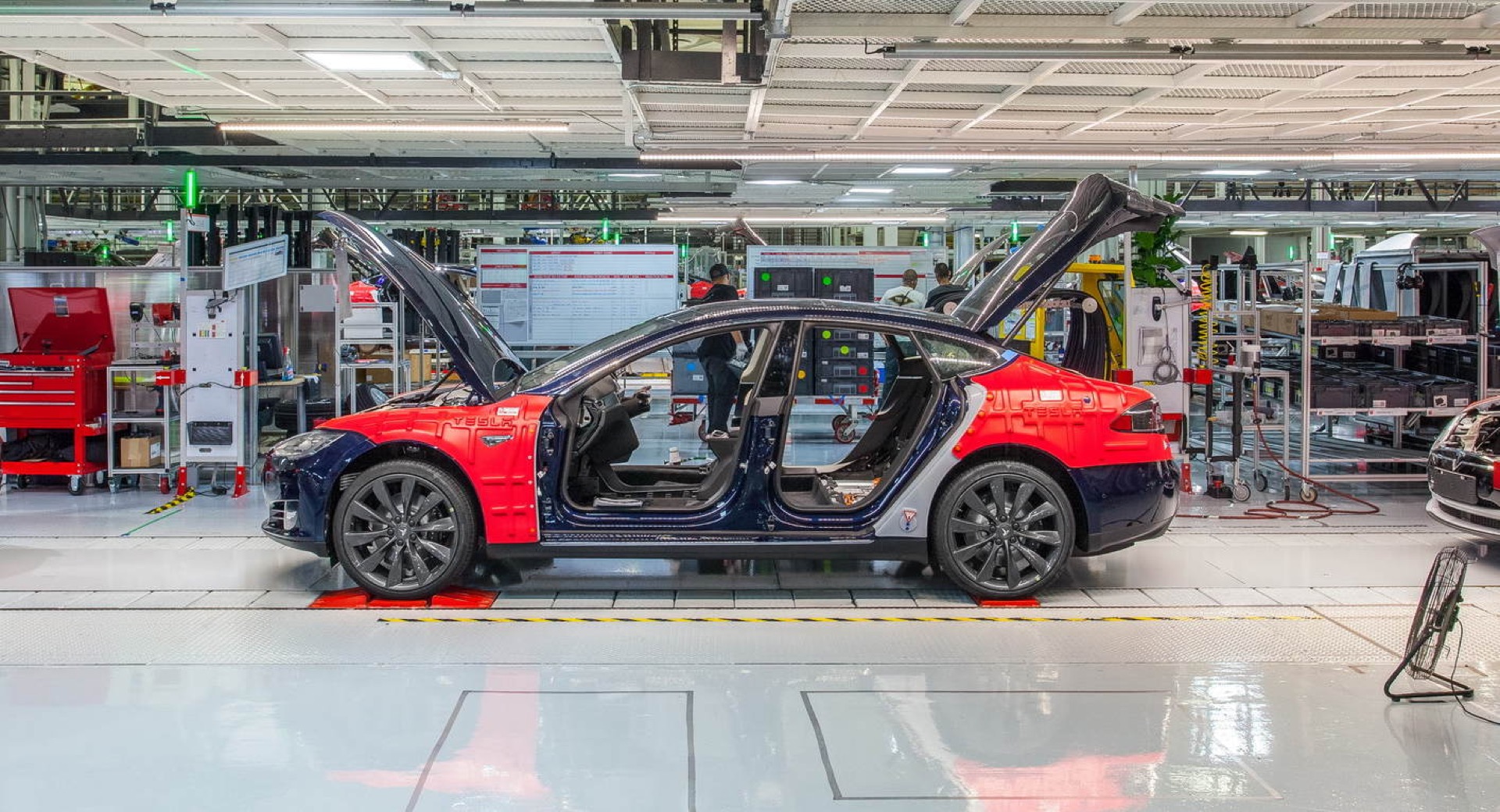
Tesla already fits the Chinese-built Standard Range Model 3 with Lithium Iron Phosphate (LFP) batteries, which is suspected to be the reason why prices of the cheaper Model 3 were slashed last year. Musk’s latest tweet indicates a model-wide shift towards LFP batteries is on the horizon.
Nickel is our biggest concern for scaling lithium-ion cell production. That’s why we are shifting standard range cars to an iron cathode. Plenty of iron (and lithium)!
— Elon Musk (@elonmusk) February 25, 2021
Demand for nickel, as well as other finite resources used in battery production, such as cobalt, is beginning to outstrip supply. The two metals are partly responsible for the higher prices of EVs than their ICE counterparts. According to Bloomberg, they account for around 30% of a Tesla’s price.
See Also: Tesla Reportedly Cuts Down Model 3 Production At Palo Alto Over Chip Shortage
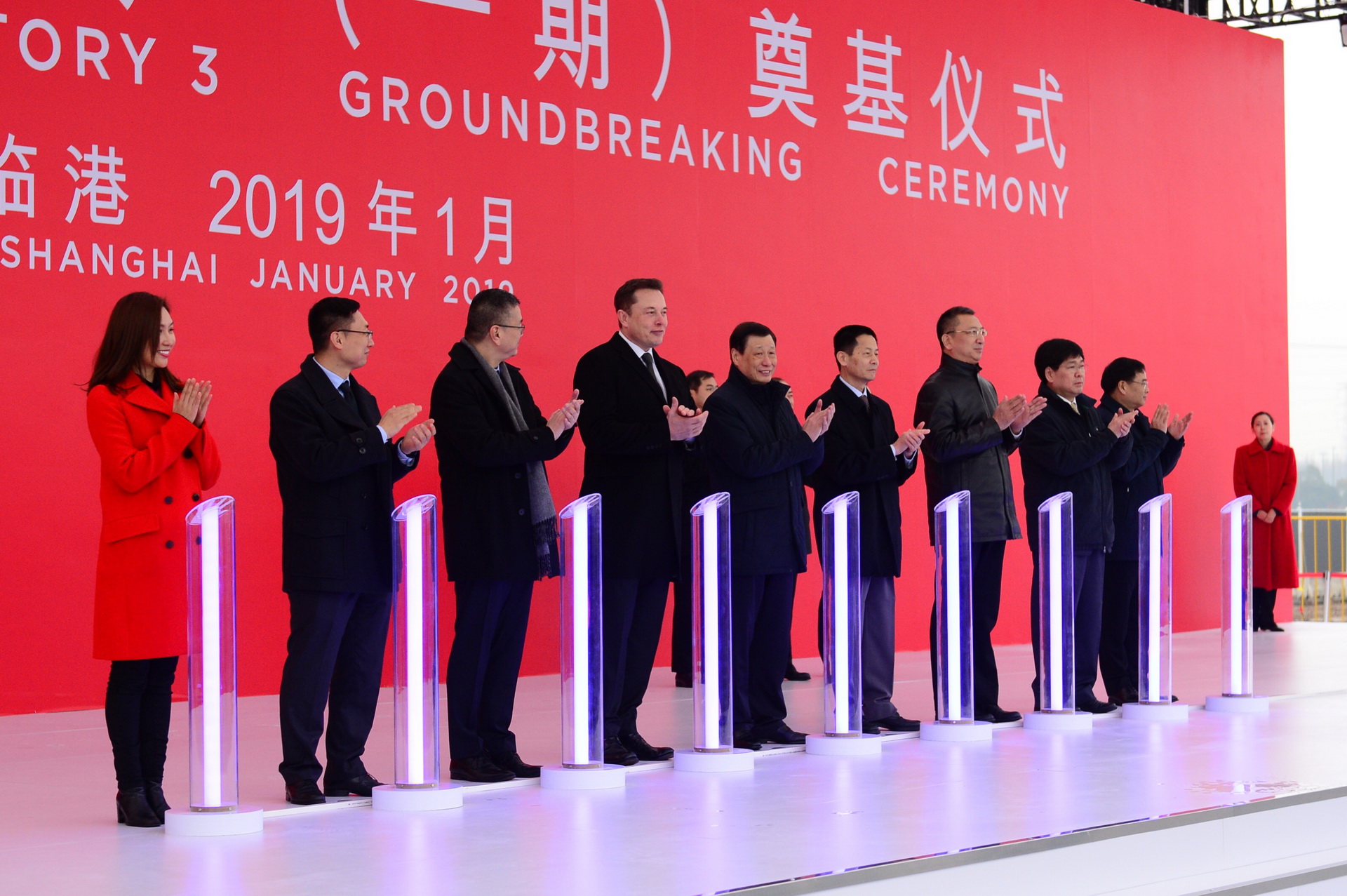
The difficulties mining such metals, including the geopolitical instability within the regions where they are mined, has led Tesla to explore the possibility of alternatives. According to Reuters, in an investor call last year Musk had called upon nickel mining companies to increase production while offering a “giant contract for a long period of time” for nickel mined in an efficient and environmentally sensitive way.
Tesla has been seen as having an aggressive strategy towards battery production. Another significant component within modern batteries is lithium, which will continue to be required in nickel-free LFP batteries.
The Financial Times report that last year, at Tesla’s socially-distanced battery day, Musk announced plans to go into lithium mining. It was seen by many as a move to jolt two lithium producers, Livent and Albemarle, into action. Tesla plans to produce 20 million cars per year by 2030, and to do so would require far more lithium than is being mined. Output (outside of China) is not seen as being increased to a degree that will meet Tesla’s demands.
The switch to nickel-free LFP batteries is also one of the main backbones behind their “million mile” battery tech. Such advancements, already patented by Tesla, would increase the number of charge-discharge cycles from 1000-1500 to around 4000. For a car recharged every week, that could see the potential of a 75-year battery life.