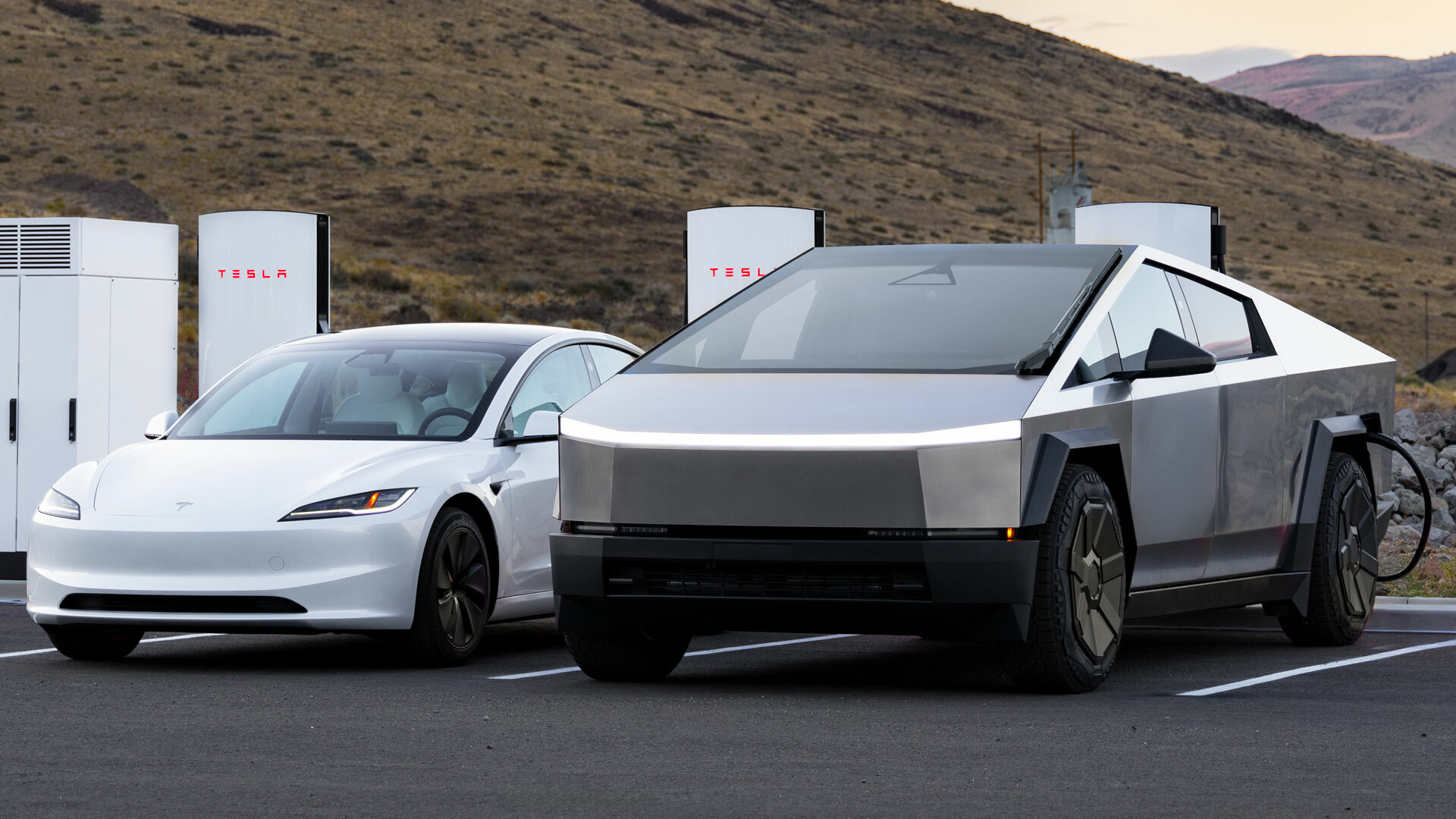
- Tesla once held 80 percent of total EV sales in the United States.
- The brand now views itself more as a robotics and AI company.
- Legacy automakers are launching compelling EV rivals to Tesla.
For much of the past decade, Tesla has dominated the U.S electric vehicle market, setting the pace for competitors and enjoying a head start that seemed unshakable. Even in 2025, it still holds a larger share than any other individual brand. But fresh sales data suggests that grip is loosening.
In August, Tesla’s share of U.S. EV sales slipped below 40 percent for the first time since October 2017, hinting that its early advantages may be running thin.
Read: Elon’s $1 Trillion Payday Only Requires A Little World Domination, Nothing Major
New data from Cox Automotive reveals that last month, Teslas accounted for 38 percent of all EV sales in the country. While any legacy automaker would be over the moon to have this kind of commanding domination over a specific market segment, it’s a significant fall from grace for Tesla, which once had an 80 percent share of total EV sales.
New Products, New Pressure
The upcoming Tesla Cybercab could give the company a lift in the U.S. market, but it faces tough odds of replicating the success of the Model 3 and Model Y. With only two seats and no traditional controls, the vehicle leans entirely on autonomous driving, a design choice that severely limits its mass appeal, not to not to mention the legal hurdles. Current regulations in most states still require conventional driver inputs, and the patchwork of laws governing self-driving cars means Tesla would face a slow, uneven rollout.
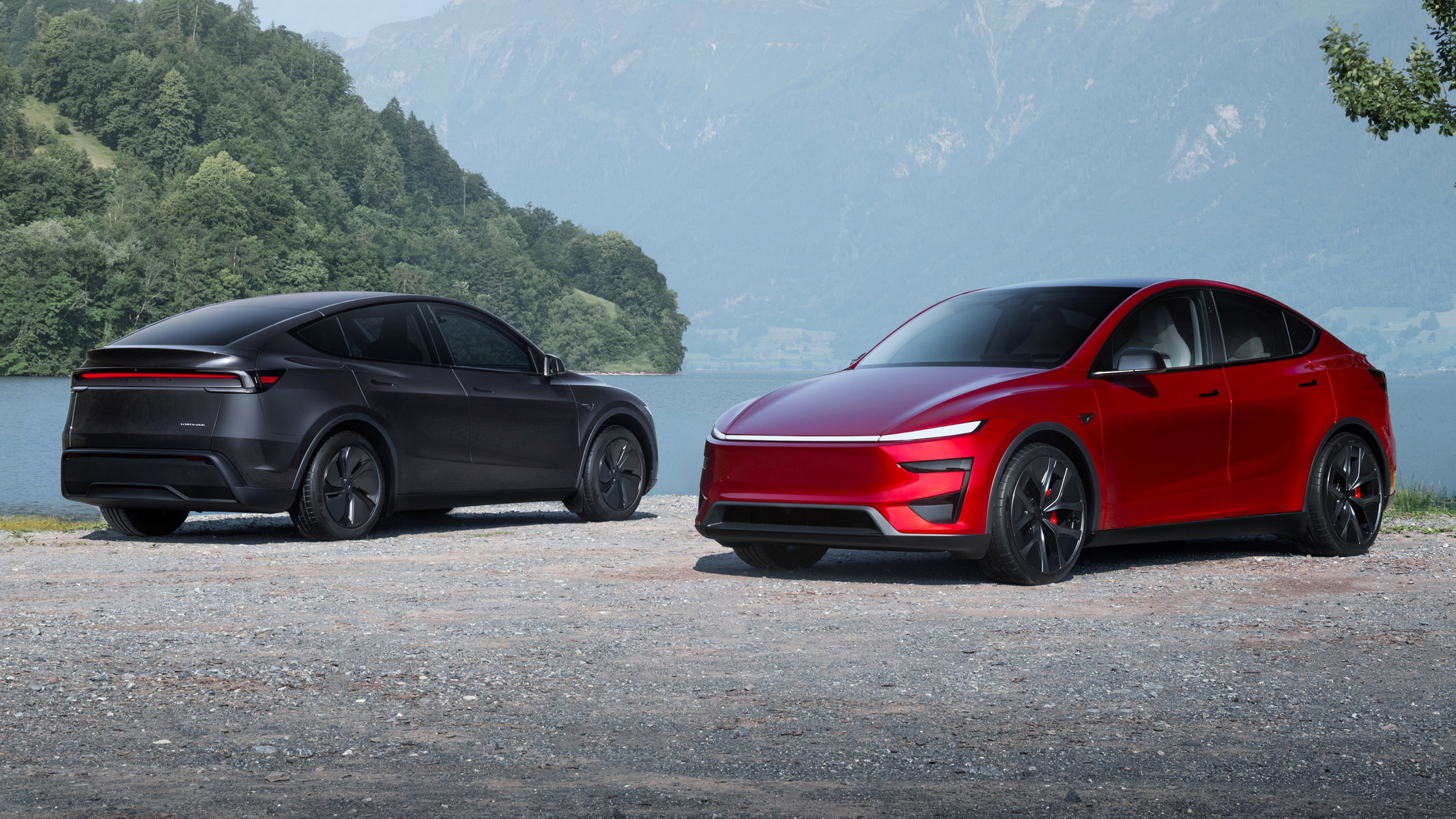
Meanwhile, rivals have been closing the technology gap and rolling out their own appealing, competitively priced electric models. That steady drip of competition has eroded Tesla’s once-unassailable lead.
Chasing an AI Identity
Some analysts argue that Tesla may not be particularly worried about protecting its auto market dominance, Reuters notes. In recent years, the company has been repositioning itself as a robotics and artificial intelligence firm, despite the fact that its automotive business still generates the bulk of its revenue.
“I know they’re positioning themselves as a robotics, AI company,” Cox Automotive director of industry insights Stephanie Valdez Streaty told Reuters. “But when you’re a car company, when you don’t have new products, your share will start to decline.”
The Market Heats Up
Data from August shows that the EV market grew by 14 percent in the US. No doubt a large contributor to this surge is the fact that the federal EV tax credit will be scrapped at the end of this month. While overall EV sales were up, Tesla’s growth slowed 3.1 percent.
Cox Automotive expects Tesla’s market share to keep shrinking as more legacy manufacturers gain traction. “These legacy manufacturers are all benefiting from this sense of urgency, and they’re able to have attractive offerings for their vehicles – and it’s working,” Streaty said. “I think we’re going to continue to see this momentum through September.”