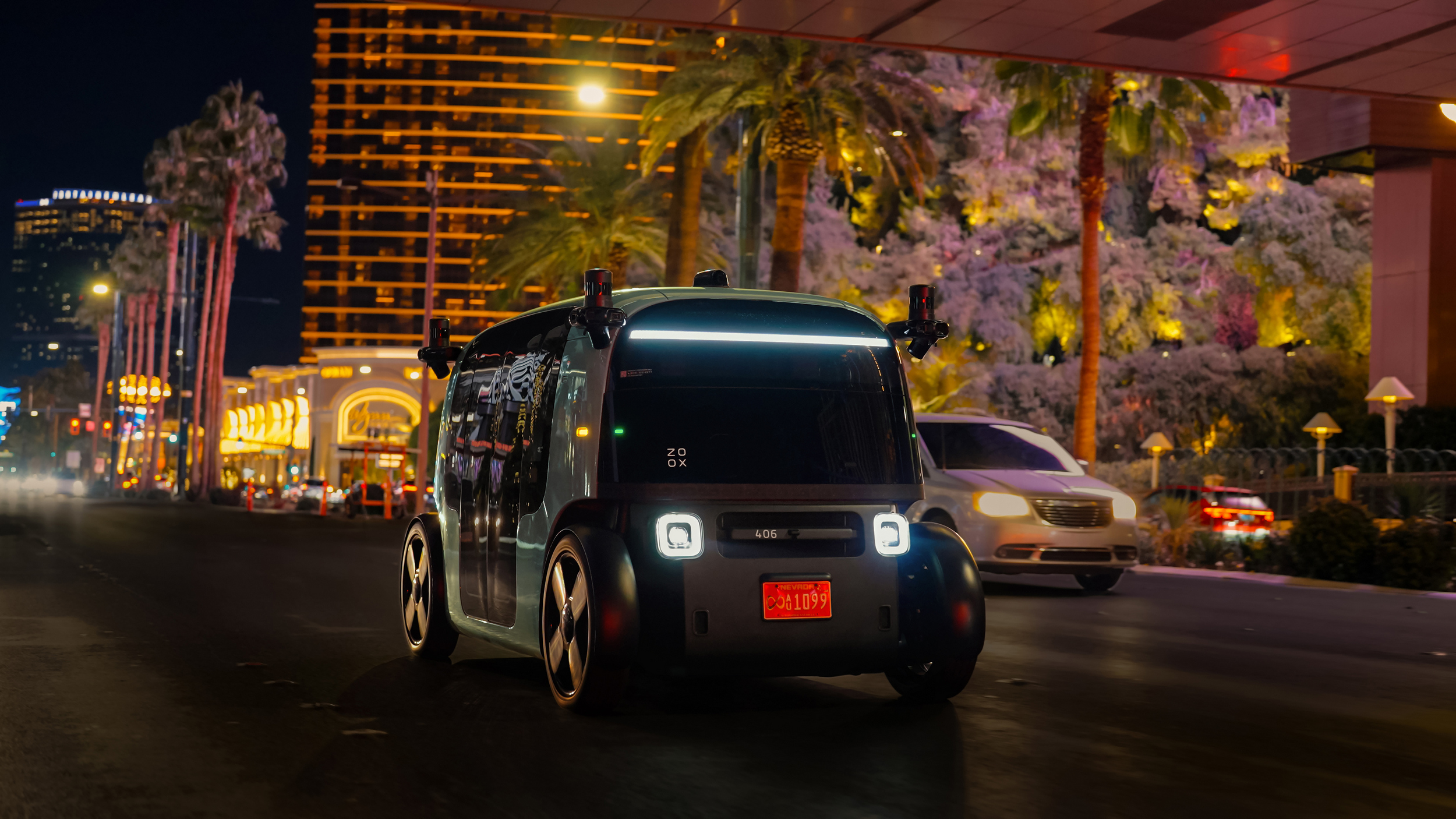









- Zoox recalled its robotaxis for crossing lane lines unnecessarily.
- The company logged 62 incidents in just over three months.
- No crashes occurred and all affected vehicles were updated.
Earlier this year, AAA conducted a study that found just 13% of people would trust riding in a self-driving vehicle. A majority said they would be afraid and the latest recall won’t calm their nerves.
Quite the opposite as Amazon’s Zoox has recalled 332 robotaxis because they could “cross the yellow center line and drive into, or stop in front of, oncoming traffic.” Needless to say, driving into oncoming traffic is a serious problem and increases the risk of a collision.
More: Amazon’s Robotaxis Recalled After Close Call
While no accidents were reported, the National Highway Traffic Safety Administration said “In certain circumstances, Zoox vehicles crossed the lane line unnecessarily at or near intersections.” In other cases, robotaxis would come to a stop in front of an oncoming lane.
The company became aware of the issue on August 26, when a robotaxi made a wide right turn, crossed into the oncoming lane, and temporarily stopped in that lane.
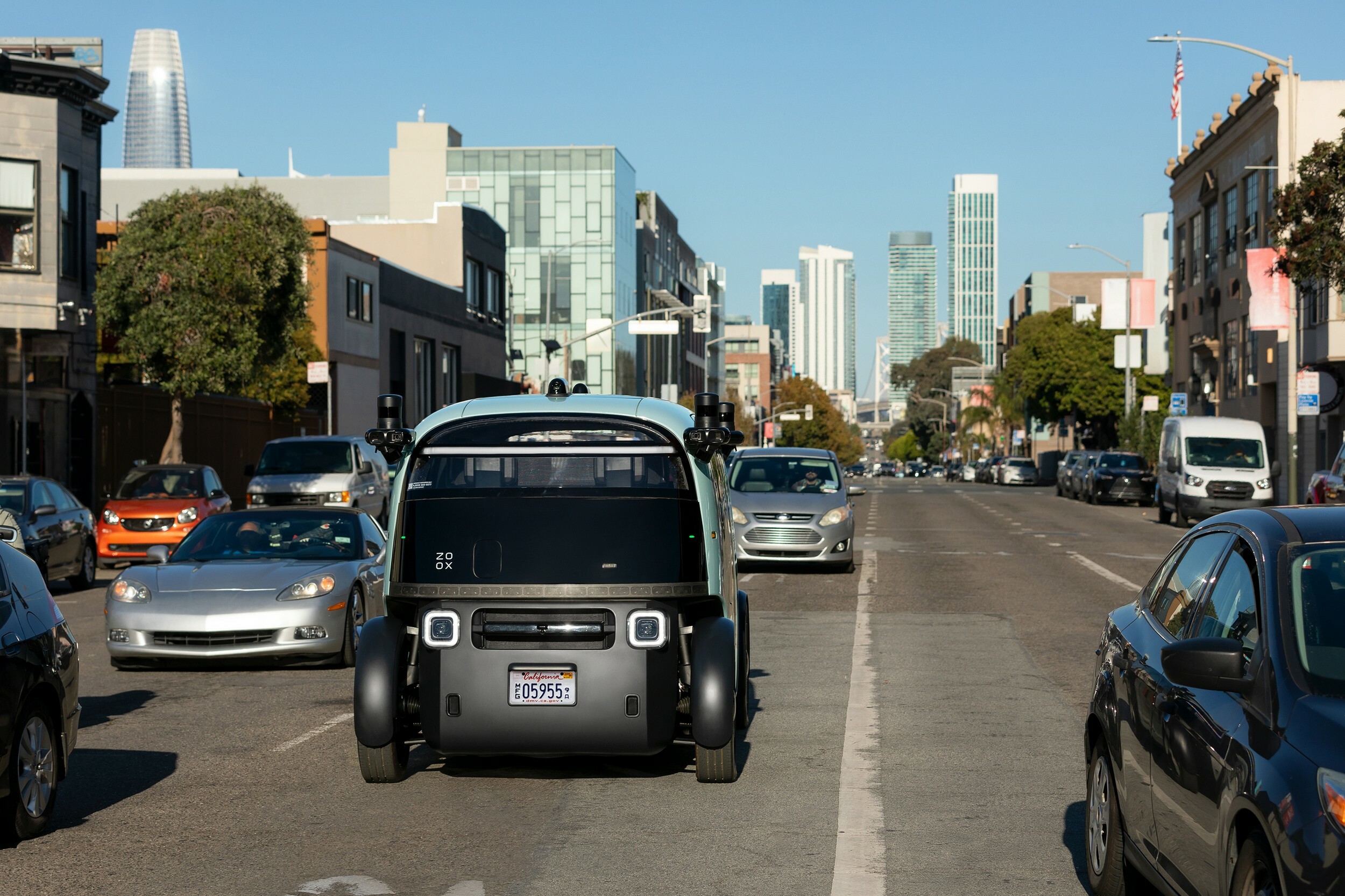
Zoox started looking into the issue and found 62 incidents where vehicles crossed the lane line unnecessarily, between August 26 and December 5. During this time, the company was actively working on the problem and released a software update on November 7 to address some of the incidents.
Their work continued behind the scenes and an additional software update was developed earlier this month to address some of the other scenarios.
While the Safety Recall Report doesn’t delve into many specifics, it said the company identified multiple root causes that resulted in unnecessary lane line crossings. This includes “mislabeled double parked vehicles, unexpected routing changes, and poorly executed attempts to avoid blocking cross traffic in intersections.”
To address the problems, all Zoox vehicles being operated on public roads were equipped with new software on December 19. This should hopefully address the issue, but the company said they’ll “continue to monitor field performance and make updates to improve its driving behavior.”