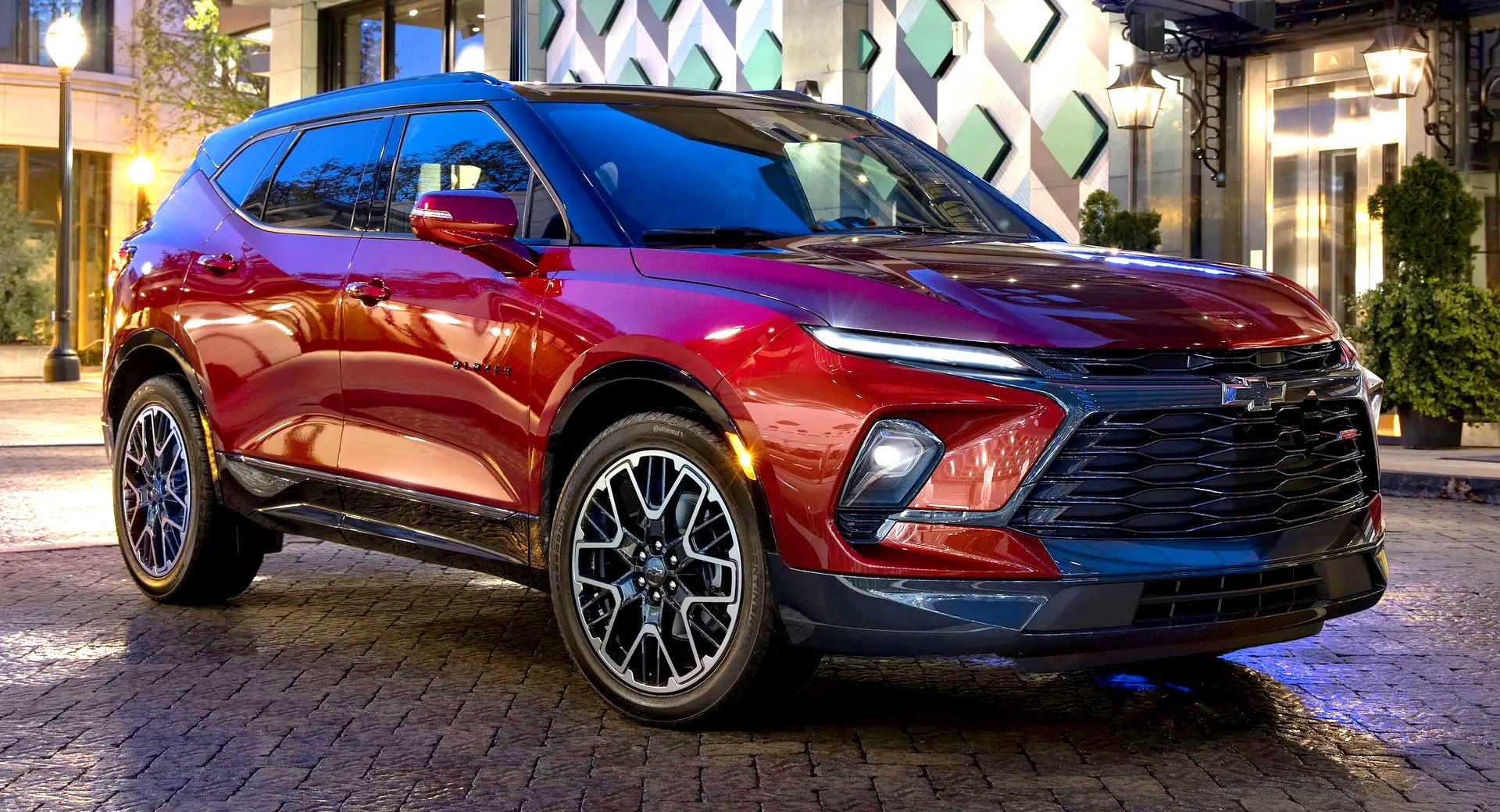
- GM plans to boost U.S. output to 2 million vehicles per year.
- Chevrolet Blazer and Equinox production moves to U.S. plants.
- Ford says GM has a long way to match its U.S. commitment.
For years, Ford has held onto its title as the largest carmaker in the United States. Now, General Motors says it’s closing in fast. According to CEO Mary Barra, GM could surpass Ford as early as 2027.
Barra made the comment during a recent investor call, noting that “production in the US is expected to rise to an industry-leading 2 million units.” GM is ramping up its domestic output in response to the Trump administration’s tariffs, which have increased the cost of importing vehicles.
Read: GM Moves Buick SUV’s Production From China To America After Tariffs Bite
For example, GM will start building the Chevrolet Blazer and Equinox, currently manufactured in Mexico, at its plants in Kansas and Tennessee. This month, it also announced plans to bring production of the next-generation Buick Envision back to the States, after building the current model in China.
Not only will this help to lower the tariff-related costs that GM has to deal with, but it will also allow GM to take Ford’s title of the nation’s “most American” automaker, CNBC reports.
Balancing Imports With Domestic Output
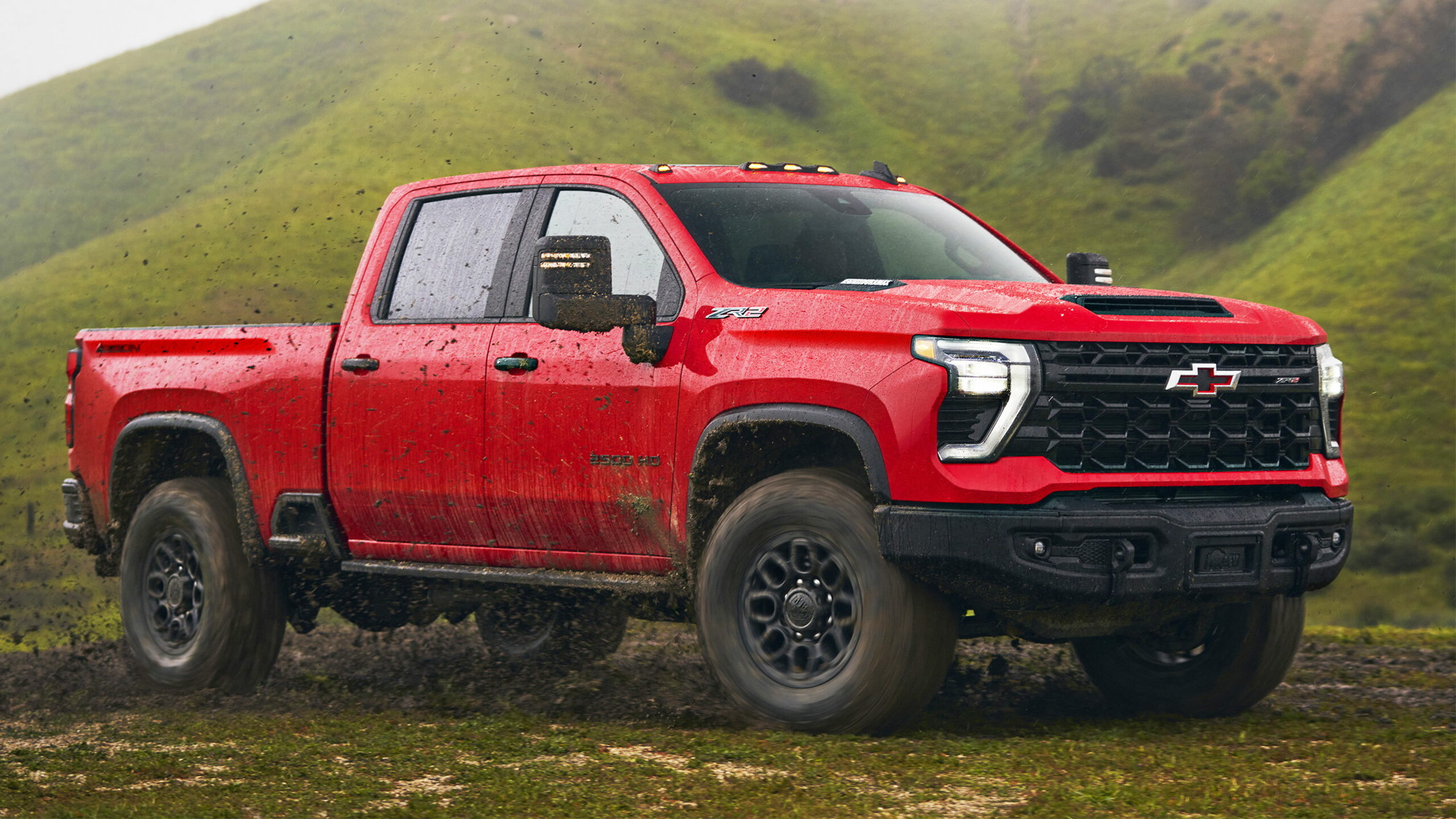
Last year, GM maintained its position as the top-selling automaker in the United States, delivering approximately 2.85 million vehicles. However, the company is also America’s largest importer of new vehicles, producing almost half of the cars it sells in the US overseas.
In addition to many GM models imported into the United States from Mexico, hundreds of thousands are sent from South Korea.In 2024 alone, GM imported 407,226 vehicles from South Korea, more than even Kia managed in the same period.
Ford Has Its Say
While GM could soon be building more cars in the United States than Ford, its crosstown rival doesn’t seem concerned.
When asked about GM’s target, a Ford spokesman said, “That’s who we are and who we always have been, regardless of policy or tariffs,” adding, “if other automakers who rely heavily on importing foreign-made cars into the U.S. are now ‘getting religion,’ that’s good news for U.S. communities. But they have a long way to go to match Ford’s commitment to America.”