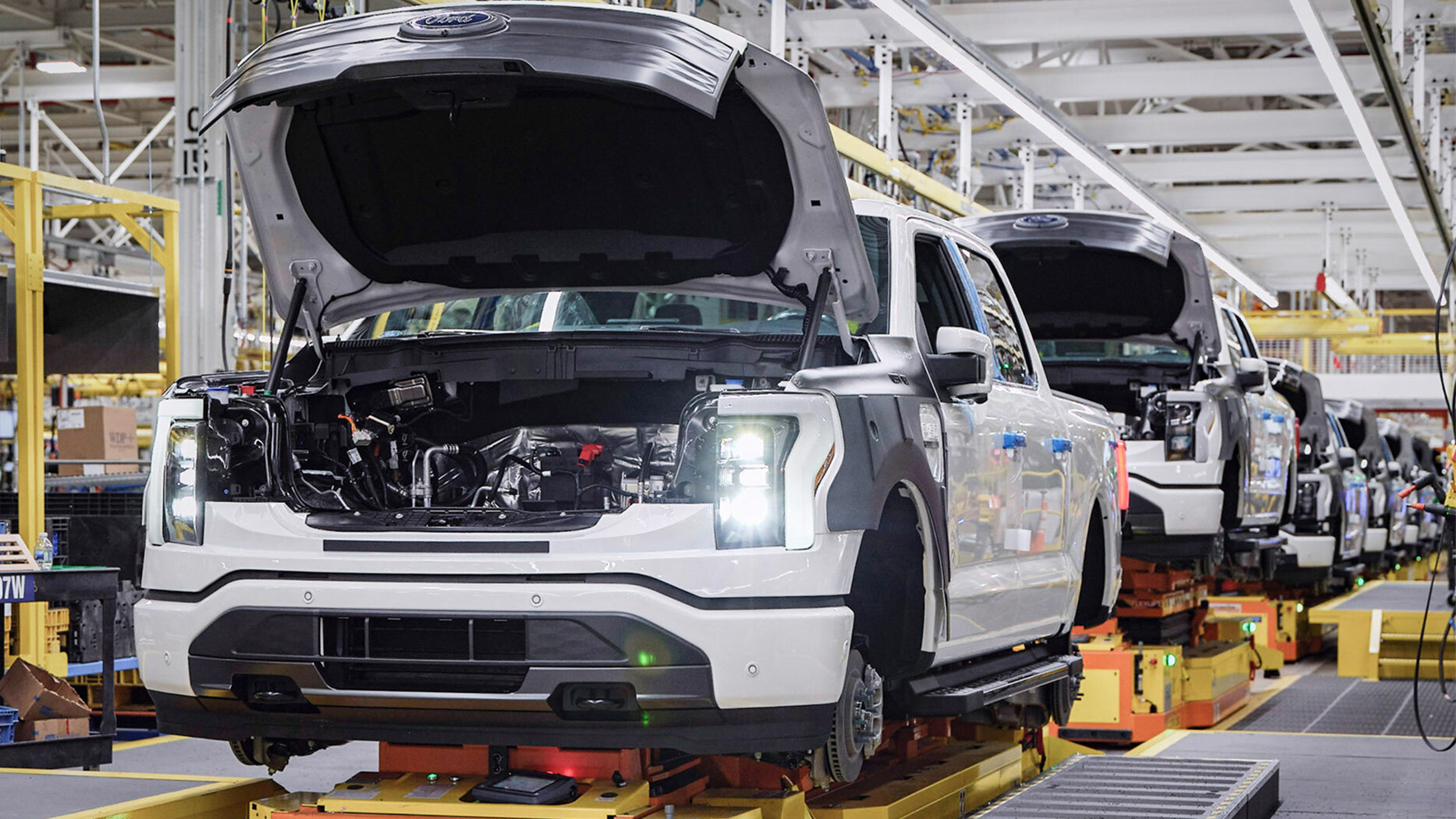









- Ford closed Kentucky EV battery plant after just 4 months.
- 1,600 workers lost jobs after tax credit policy change.
- Plant originally projected employment near 5,000 workers.
Ford’s sudden decision to cancel its multi-billion-dollar partnership with South Korean battery manufacturer SK On in December, just four months after the first batteries rolled off the line, left 1,600 people without jobs at the joint battery plant in Kentucky.
Read: Ford Got The Loan And Built The EV Battery Plant. Now Everything’s Falling Apart
The move caught workers and locals off guard, and many are placing the blame squarely on Ford. That’s not surprising. Still, the political backdrop, including Trump-era EV policies that limited Ford’s options, played a larger role in how this ultimately unfolded.
The Ripple Effect Of A $7,500 Credit
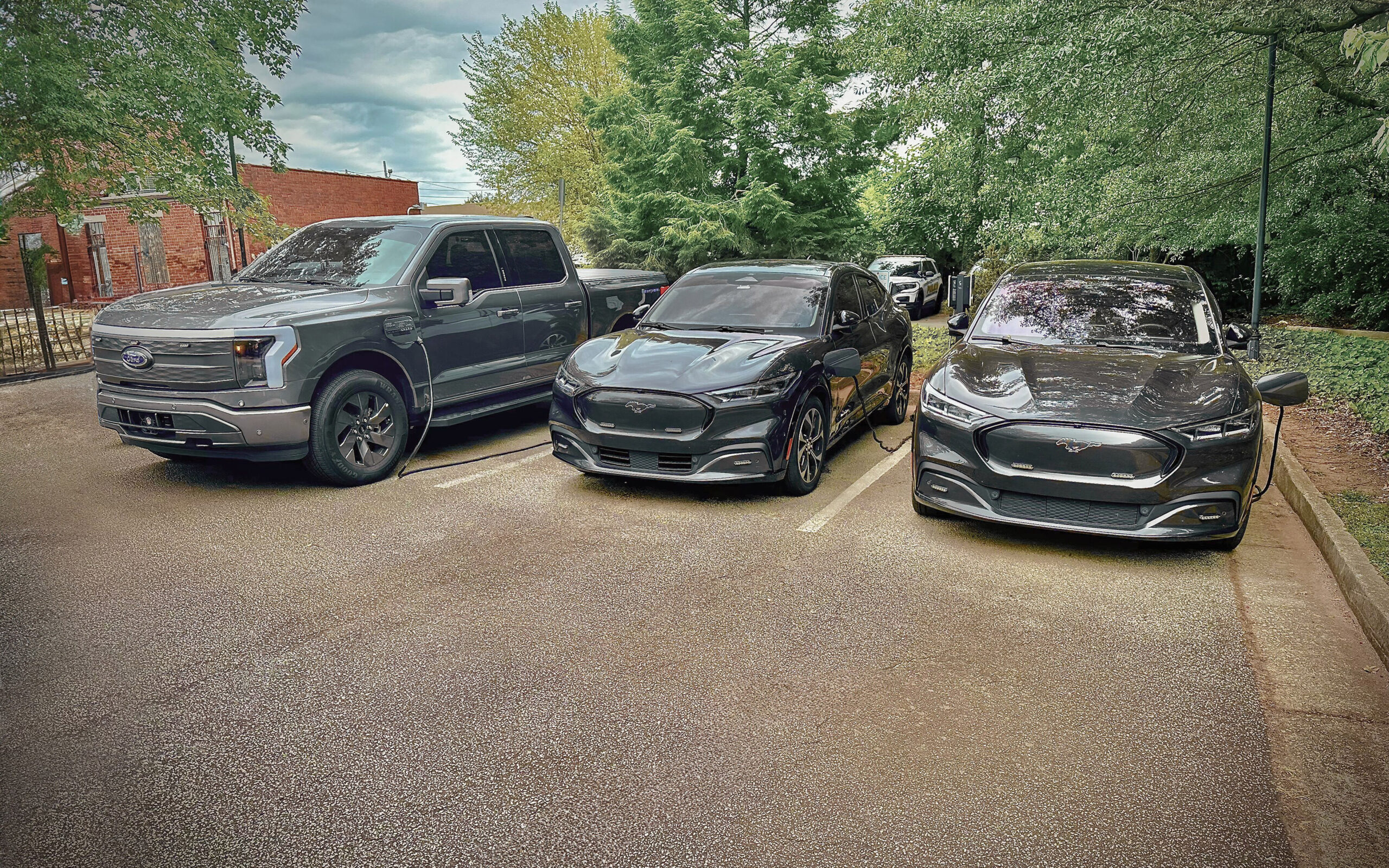
All brands selling EVs in the US were hurt by the government’s decision to kill the federal tax credit, valued at up to $7,500 for new EVs. While some understandably criticized the program as artificially propping up the industry, there’s no denying that it played a hugely important role in convincing many Americans.
With fewer people buying EVs and other government policies relaxing CAFE fuel-economy standards, Ford acknowledged that “the operating reality has changed,” which is why it’s scrapped a slew of its more ambitious and important EV projects. “We are listening to customers and evaluating the market as it is today, not as everyone predicted it would be five years ago,” Ford recently said.
As reported by The New York Times, Kentucky’s Democratic governor, Andy Beshear, said: “1,600 Kentuckians lost their jobs solely because of Donald Trump pushing that big, ugly bill, eliminating the credits that had people interested and excited to buy EVs. I bet many, if not most, of those 1,600 people voted for him, and he basically fired them.”
Unexpected Closure
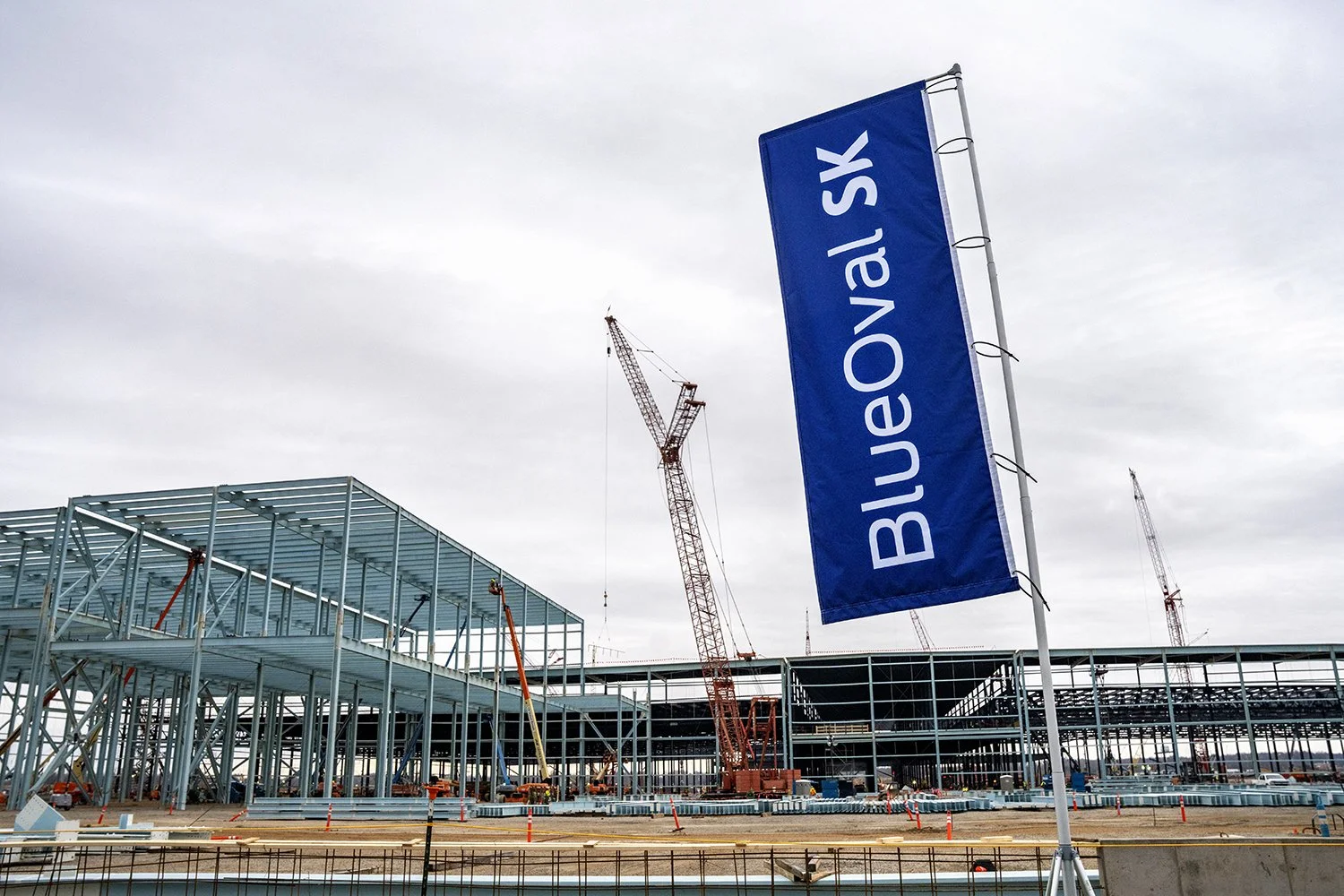
The site had only been manufacturing EV batteries for four months before it was shut down. Speaking with the NYT, Joe Morgan says he left a job of 24 years to start working at the plant, confident that EVs would grow in popularity.
Morgan, a registered Republican, acknowledges that “taking away the tax credits did play a little bit of a role in not selling EVs,” but he thinks it’s Ford that should take most of the blame. “I just think Ford made a bad decision when they came out with an F-150 that they wanted to make all electric.”
Derek Doughtery shares a similar view. Landing a job at the battery plant was a turning point for him after previously experiencing homelessness, especially with a second child on the way. He, like others, believes Ford may have misread the market and bears more responsibility than the government.
“At the end of the day, whatever the government policy would be, the company made the decision,” he said.
A Scaled-Back Future
Fortunately, the facility will not close entirely. Now under full Ford control, it will be retooled for battery storage production and is expected to employ roughly 2,100 people. That figure is well below the 5,000 jobs originally projected when the plant was dedicated to building EV batteries, but it offers at least some continuity for a site that only recently promised much more.